REVIEW · ATHENS
Steps to tradition: Greek traditional dances in Athens
Book on GetYourGuide →Operated by Hidden Greece · Bookable on GetYourGuide
Greek dance is not just a show you watch. It is a shared line, linked hands, steady steps, and a strong sense of belonging. This 2.5-hour outdoor class with teacher Tania turns Philopappos Hill into a friendly Greek culture lesson, with the Acropolis looking on.
I like the private-feeling setting and the way the class connects dance with Greek traditions from different regions. I also like the practical extras: water and drinks, a printed program, photos, videos, and a commemorative participation item. The main drawback is physical: this is not a seated sightseeing stop, and the walk to the class and dance itself may not suit people with heart problems, motion sickness, or limited mobility.
In This Review
- Key points to know before booking
- Why Greek dance makes a good Athens activity
- Meeting Tania at Philopappos Hill
- A short walk with a long view
- Learning dances from across Greece
- More than steps: stories behind the movement
- Photos, videos, and a printed record
- Is $41.33 a fair price?
- Who will enjoy this most?
- Timing, meeting details, and useful preparation
- Should you book the Greek traditional dance class?
- FAQ
- Where does the Greek traditional dance class meet?
- Where does the activity end?
- How long does the experience last?
- How long is the walk to the dance location?
- Who teaches the Greek dances?
- What kind of dances will I learn?
- What is included in the price?
- Can I cancel the booking?
Key points to know before booking
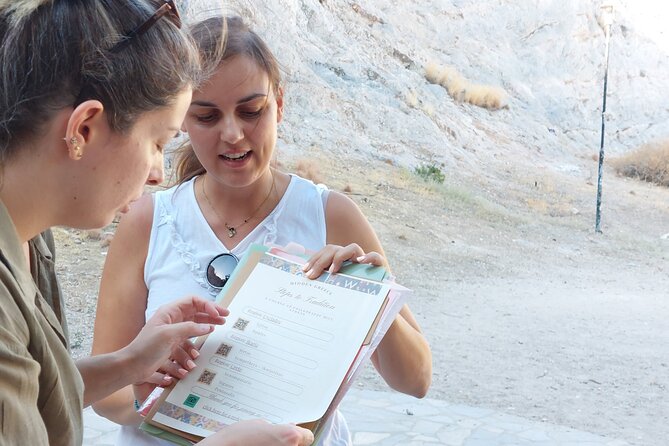
- Acropolis views during the walk: Meet at the entrance to Philopappos Hill, then follow a 10-minute route to the class site.
- Tania teaches the steps: You learn traditional dances from several major regions of Greece in English.
- A hands-on cultural activity: The class is built around joining hands, moving together, and learning by doing.
- A calm outdoor setting: The dance lesson takes place in nature on Philopappos Hill, near ancient ruins.
- Useful take-home memories: You receive photos, videos, a printed dance program, and a participation keepsake.
- Good value at $41.33: The price covers a full lesson, drinks, cultural context, and several personal mementos.
Why Greek dance makes a good Athens activity
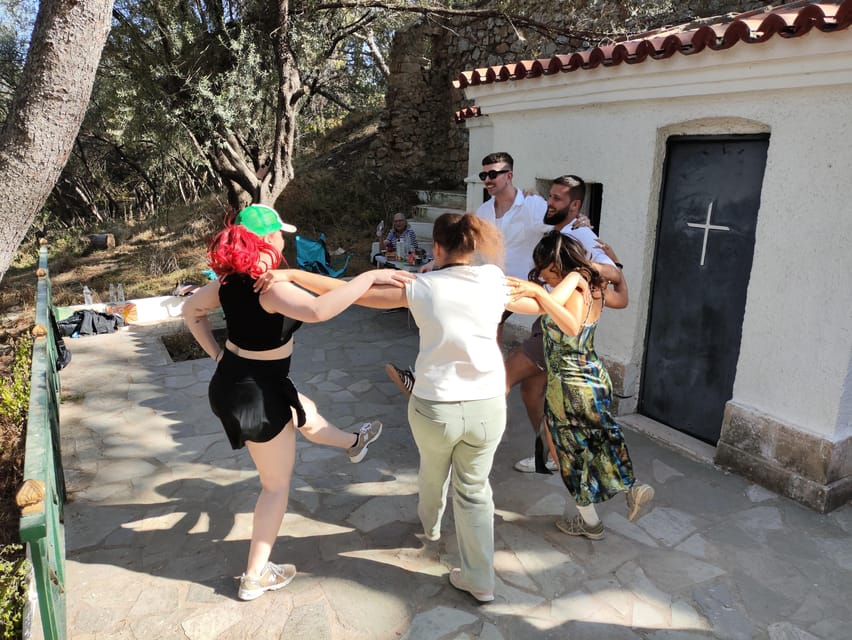
Athens can fill your day with temples, museums, and busy streets. Those sights matter, but they mostly ask you to look and listen. This class asks you to take part.
Greek traditional dances have been passed from parents to children for thousands of years. They changed over time as different eras and cultures influenced Greece, but they remained a living part of family and community life. That gives the class more meaning than simply learning a few party steps.
You are not being asked to perform on a stage. You learn step by step, alongside other people, usually holding hands in a connected line. The structure makes the activity social without demanding that you arrive with a partner or dance confidently.
I especially like this format for anyone who wants more contact with Greek culture but does not want a formal lecture. The history comes through the movement, the music, and the explanation of why these dances matter. You get a short lesson in regional traditions while your feet are trying to keep up.
The tone is designed to be relaxed and fun. You will likely laugh at your own mistakes, then find that the repeated rhythm makes the steps easier. That is a better memory of Athens than another hour spent walking past sights without touching daily life.
You can also read our reviews of more tours and experiences in Athens.



Meeting Tania at Philopappos Hill
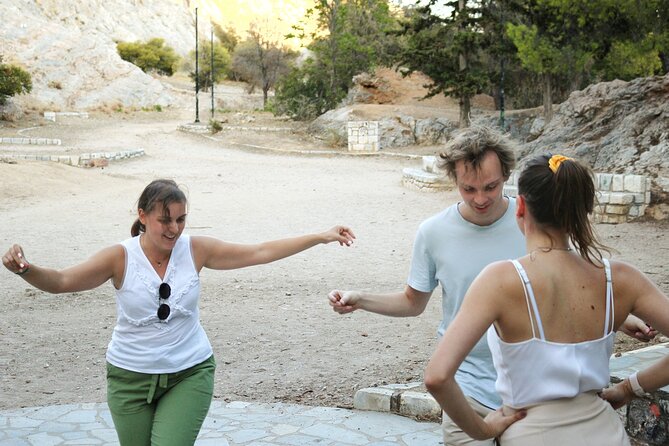
The meeting point is at the main entrance of Philopappos Hill, next to the tourist buses. This is important because the class itself does not begin right at the meeting point. Allow time to identify the entrance and gather before the group heads into the hill.
Tania, an experienced Greek traditional dance teacher, leads the activity. English is the language of instruction, so you should be able to follow the explanations if you are comfortable with English-language tours.
After everyone meets, Tania leads the group on a walk of about 10 minutes. The route offers views of the Acropolis, and the setting helps shift your attention from modern Athens to the older cultural world connected with the hill.
The walk is short, but it is still part of the physical demand. Wear shoes that feel secure and comfortable for walking and dancing. The activity is not suitable for wheelchair users, and the provider also lists it as unsuitable for people with heart problems or motion sickness.
A short walk with a long view
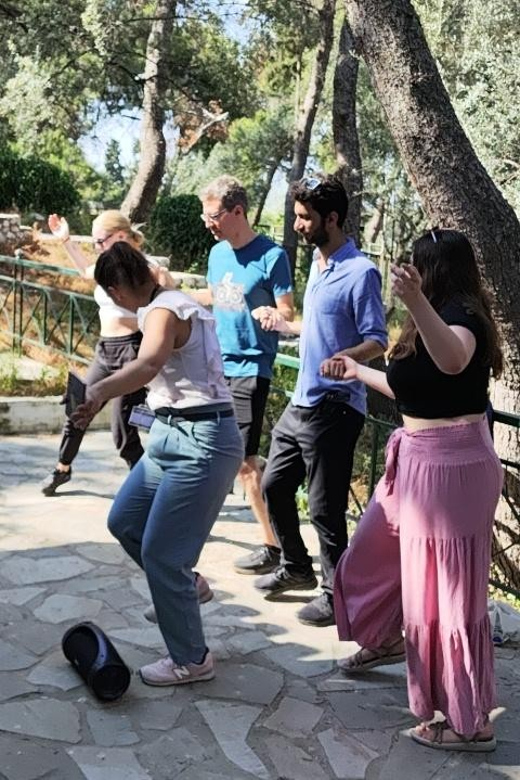
The route to the lesson site is one of the nicest touches. You are not taken straight into a studio or enclosed room. Instead, you walk through Philopappos Hill, with the Acropolis visible nearby, before beginning the class in a natural setting.
That location gives the lesson a clear sense of place. Greek dance can be taught anywhere, but learning it on an ancient hill beside ruins and under the Greek sun makes the subject feel connected to its surroundings.
The class spot is described as beautiful, private, and set in nature. Do not expect a polished dance hall or theater production. The appeal is the opposite: you get an informal outdoor setting where you can focus on the rhythm and the group.
The setting also has a practical tradeoff. Outdoor activities depend on conditions at the site, and you should be ready for sun and an uneven walking route. The available information does not specify shade, seating, or weather arrangements, so plan for an active outdoor lesson rather than a climate-controlled class.
Learning dances from across Greece
The main course lasts about two hours. Tania teaches several traditional dances characteristic of different regions of Greece, giving you a broad introduction rather than concentrating on one local style.
The printed program listing the dances is useful here. You can follow along during the class and keep a record of what you learned afterward. It also helps if you want to continue exploring Greek music and dance when you return home.
The teaching style is practical. You learn the steps in sequence, repeat them, and gradually join the full movement with the group. Traditional dances often depend on a shared rhythm more than individual showmanship, so beginners can participate without needing previous dance experience. The supplied information does not state that prior experience is required, and the class is presented as a step-by-step introduction.
You should expect some physical effort. Even simple repeated steps can be tiring, especially in warm weather. People with heart problems are specifically advised not to take part. If you have any concern about balance, stamina, or motion sickness, consider that the activity includes both walking and continuous movement.
The hand-holding line is central to the experience. It gives you support and helps the group move as one, but it also means you need to be comfortable dancing close to other participants. This is a social activity, not a private lesson for one person.
More than steps: stories behind the movement
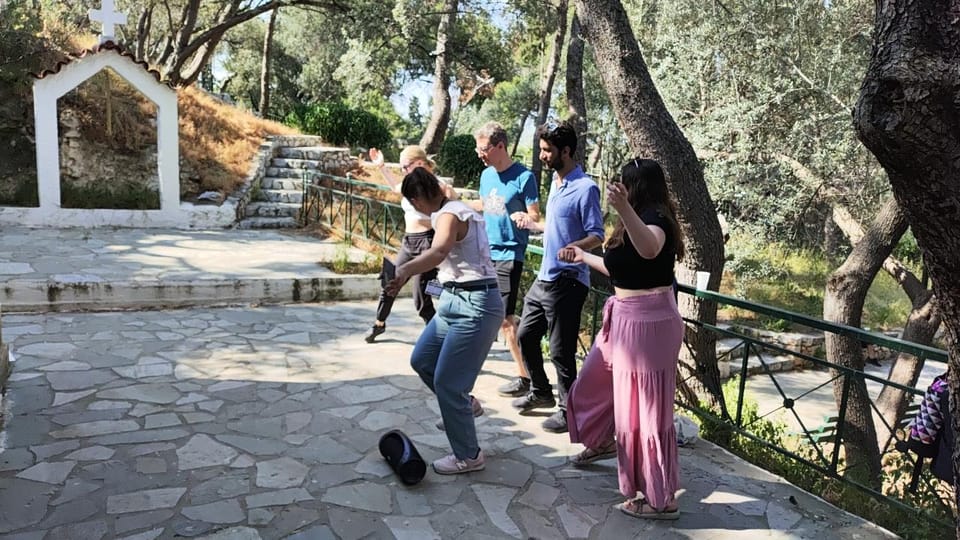
The class also introduces the place of dance in Greek culture. You learn that dances have been preserved and adapted across generations, moving from families and parents to children.
That context matters because it explains why Greek dance can feel communal rather than purely artistic. The steps are not presented as empty choreography. They are part of celebrations, family life, and regional identity.
I would treat this as a cultural activity with dancing at its center, not as a full academic history lesson. The time is limited, and the focus remains on joining in. Still, the background gives you a better way to understand what you are doing.
A good teacher can make a complicated set of steps feel manageable. The feedback about Tania is especially positive: she is described as kind, supportive, and very good at guiding the class. That matters for beginners, since the hardest part of a traditional dance class is often feeling self-conscious during the first few attempts.
The atmosphere is intended to be open and encouraging. You are given room to show enthusiasm and have fun. If you tend to worry about making mistakes, remember that the group is learning together. The class is built around participation, not judging individual technique.
- All Day Cruise -3 Islands to Agistri,Moni, Aegina with lunch and drinks included
★ 5.0 · 4,958 reviews





Photos, videos, and a printed record
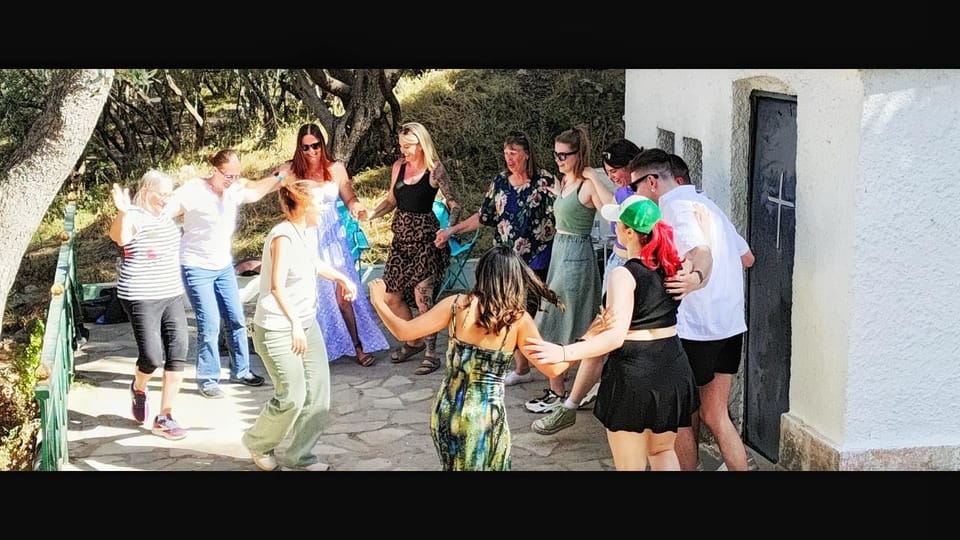
The included photos and videos add real value. Dance is difficult to remember from a written description, and a short video can help you recall the rhythm, the formation, and the steps after you leave Athens.
You also receive a printed program with the dances covered during the course. That is more useful than a generic souvenir because it connects directly to what you did.
Water and drinks are included, which is welcome during an outdoor activity. You should still think of this as a dance class rather than a meal stop. No food is listed, and the information does not promise a full refreshment service.
A commemorative participation item is also included. It is a small touch, but it gives the activity a clear ending and helps mark it as something you actively did, rather than simply watched.
Is $41.33 a fair price?
At $41.33 per person, this is reasonably priced for an activity lasting 2.5 hours. The cost covers the dance course with an experienced teacher, the walking route and outdoor setting, drinks, a printed program, photos, videos, and a participation keepsake.
The value depends on what you want from Athens. If your priority is the lowest possible cost, you can find free ways to walk around Philopappos Hill. But that would not include instruction, cultural explanation, organized dancing, or personal photos and videos.
If you enjoy active experiences, the price compares well with other guided activities because most of the time is spent doing something rather than waiting or transferring between sights. You also get a personal connection through Tania, rather than only receiving information from a recorded guide.
The value is weaker if you dislike dancing, prefer a quiet museum visit, or want a highly structured performance. You are paying for participation and atmosphere. The class is not designed for someone who wants to sit back and observe.
The free cancellation policy helps reduce the risk. You can cancel up to 24 hours in advance for a full refund. The reserve-now, pay-later option also lets you hold a place without paying immediately, which is useful when your Athens schedule is still changing.
Who will enjoy this most?
I would recommend this class to couples, friends, solo visitors, and families with participants who can manage the walking and dancing. You do not need to bring a dance partner because the class uses a connected group format.
It suits people who want an active cultural experience and enjoy learning through movement. It is also a good choice if you have already seen the Acropolis and want to experience another side of the city.
The class may appeal to anyone with an interest in Greek music, customs, or regional traditions. It can also work well for people who feel that standard sightseeing has become repetitive. A dance lesson gives you a story to remember, not just another list of dates and buildings.
I would think twice if you have heart problems, motion sickness, or mobility limitations. The activity is not suitable for wheelchair users, and the outdoor walk and dance class require physical participation.
Because the instruction is in English, you should also be comfortable following an English-speaking teacher. The language information does not list other options.
Timing, meeting details, and useful preparation
The total duration is 2.5 hours, including the meeting, walk, and dance course. Starting times vary, so check availability for the date you want before building the rest of your Athens plans around it.
Meet at the main entrance of Philopappos Hill, next to the tourist buses. The activity finishes back at the same meeting point, which keeps the arrangement simple and avoids ending at an unfamiliar part of the city.
I would arrive early enough to find the entrance without rushing. The group needs to gather before the 10-minute walk, and arriving late could make it harder to locate the class.
Wear comfortable shoes and clothing that allow easy movement. The supplied details do not specify a dress code, but this is clearly not the time for restrictive clothes or unstable footwear. Bring sun protection suitable for an outdoor activity, and remember that water and drinks are included.
The class takes place near ancient ruins, but it is not an archaeological tour. You should choose it for the combination of location, dance, and cultural learning, not because you expect detailed explanations of every ruin on Philopappos Hill.
Should you book the Greek traditional dance class?
I would book this experience if you want to do more than photograph Athens. The combination of a short hill walk, Acropolis views, Tania’s instruction, regional Greek dances, and a relaxed group setting gives you a genuine way to take part in local tradition.
The strongest reasons to go are the outdoor location, the supportive teaching, and the useful collection of memories included afterward. The strongest reasons to skip it are the physical demands and the fact that the activity depends on enjoying dance itself.
At $41.33, it offers solid value for an active 2.5-hour cultural experience. Book it when you have the energy for movement, arrive ready to laugh at a few missed steps, and you will come away with more than a souvenir. You will have a small piece of Greek tradition that you learned with your own feet.
FAQ
Where does the Greek traditional dance class meet?
The meeting point is at the main entrance of Philopappos Hill, next to the tourist buses.
Where does the activity end?
The activity ends back at the same meeting point at the entrance of Philopappos Hill.
How long does the experience last?
The full activity lasts 2.5 hours. This includes the meeting, the walk to the class location, and the dance course.
How long is the walk to the dance location?
The walk from the meeting point to the outdoor class location takes about 10 minutes and includes views of the Acropolis.
Who teaches the Greek dances?
Tania, an experienced Greek traditional dance teacher, leads the course. Instruction is provided in English.
What kind of dances will I learn?
You will learn traditional Greek dances characteristic of several main regions of Greece. A printed program listing the dances is included.
What is included in the price?
The price includes the dance course, the experiential activity, a printed program, water and drinks, a commemorative participation item, and photos and videos from the course.
Can I cancel the booking?
You can cancel up to 24 hours in advance for a full refund. A reserve-now, pay-later option is also available.