REVIEW · ATHENS
Acropolis & Parthenon Walking Tour with Optional Acropolis Museum
Book on Viator →Operated by Keytours - Greece · Bookable on Viator
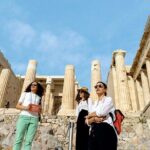
Acropolis, but with less hassle. This small-group tour gets you onto the Acropolis in the morning for an easier path toward the Parthenon, with a guide who connects ruins to myths and daily life in ancient Athens. You’ll also get audio devices, so the story doesn’t get swallowed by the crowd noise.
I like two things a lot here: the licensed guide who explains what you’re looking at, and the audio devices that keep you in the loop even when you’re not standing right next to the guide. The route also starts with the Theatre of Dionysus on the south slope, so the climb feels like a story with setup, not just a line of stones.
The main consideration is the uphill climb. The ascent to the Acropolis can be demanding in summer, and the tour isn’t recommended if you have mobility impairments.
In This Review
- Key things to know before you go
- Morning early access and what it really helps with
- Meeting at Athanasiou Diakou and starting at Theatre of Dionysus
- The Acropolis walk: from Dionysus to the Parthenon’s viewpoints
- What you’ll learn while standing in front of the big monuments
- Optional Acropolis Museum: why the indoor stop can be the payoff
- Tickets, price value, and the smart way to choose your option
- If you book with Acropolis and Museum tickets included
- If you book without entrance tickets
- Group size, pacing, and how the guide controls the day
- What to bring so the day feels easy
- Should you book this Acropolis & Parthenon walking tour with museum?
- FAQ
- How long is the Acropolis & Parthenon walking tour?
- How many people are in the group?
- What language is the tour offered in?
- Is early access to the Acropolis included?
- Do I need to buy Acropolis entry tickets?
- Is the Acropolis Museum included for everyone?
- Where does the tour start?
- Is there a Theatre of Dionysus stop?
- How fit do I need to be?
- Are audio devices provided?
Key things to know before you go
- Morning early access helps you beat the harshest crowds (and the heat), at least for the start of your visit.
- Theatre of Dionysus first gives context for Greek mythology and drama before you reach the main monuments.
- Photo-ready viewing stops include the Parthenon, Erechtheion, Propylaea, Temple of Athena Nike, and the Pedestal of Agrippa.
- Optional Acropolis Museum adds 1.5 hours of indoor time with Acropolis galleries when you select that option.
- Max 20 people keeps the group from turning into a slow-moving conga line.
- Audio headsets make it easier to follow the guide’s commentary in busy sections.
Morning early access and what it really helps with
The big reason to choose an early-access Acropolis tour is simple: light, crowds, and walking speed all matter. Higher up the hill, the sun gets brutal, and the Acropolis can feel like everyone arrives at once. Starting in the morning means you’ll have a better chance at calmer entry, steadier viewing, and photos without constant traffic in your frame.
That said, early access is not a magic spell. One common theme from the experience is that by the time you reach the main sights, the atmosphere can still get crowded. This is why I think the tour is best if you want to understand what you’re seeing, not only if your single goal is perfect “empty temple” photos.
If your priority is photography with the fewest people, you’ll still want to think strategically. A guided format includes storytelling time and planned stops, so your Parthenon moment may not line up with the quietest window. The good news: if you care about context, the pacing usually makes the visit more satisfying than rushing around solo.
You can also read our reviews of more walking tours in Athens



Meeting at Athanasiou Diakou and starting at Theatre of Dionysus
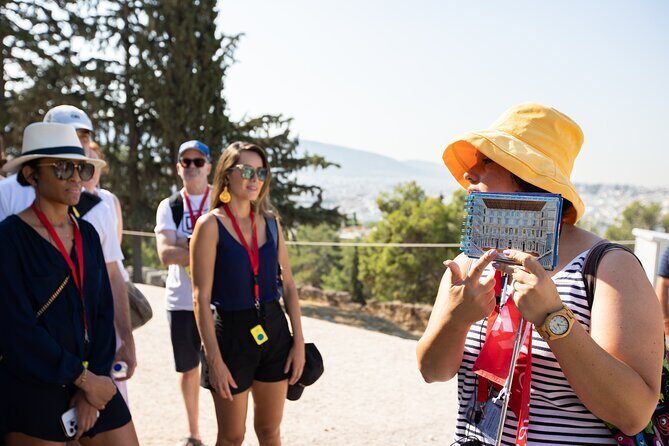
Your tour meets at Athanasiou Diakou 26 (Athina 117 43). There’s no hotel pickup, so you’ll meet the group near public transportation and walk from there to the south slope area.
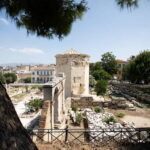
Stop one is the Theatre of Dionysus, where you’ll see the Dionysus Sanctuary and the Dionysus Theater. Even though this portion is short (about 10 minutes), it’s a smart opening move. Theatre is one of the ways ancient Greeks talked about gods, heroes, and morality in public. So when you later hit the big temples, the myths you hear from the guide won’t feel random—they’ll feel like part of a whole culture.
Two practical notes here:
- Admission for this stop is not included, so don’t assume you’re covered for everything on the route.
- You’ll be walking uphill soon after, so treat this as your warm-up moment.
The Acropolis walk: from Dionysus to the Parthenon’s viewpoints
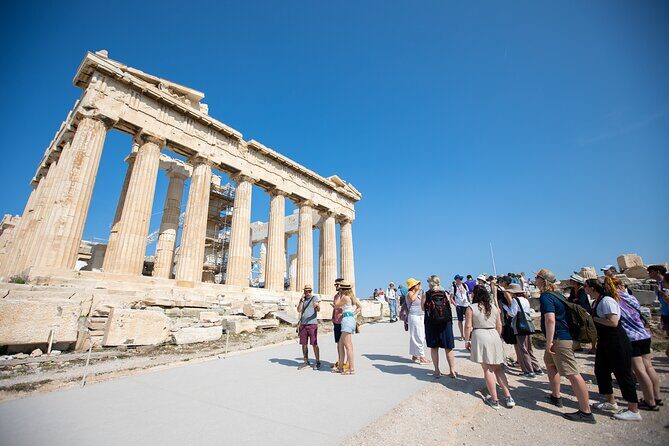
The heart of the tour is the Acropolis itself, with about 1 hour 50 minutes spent walking and viewing. The plan is built around key monuments so you’re not just wandering. You’ll have your camera ready as you pass through major highlights, including:
- Parthenon
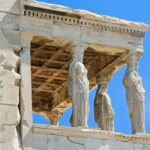
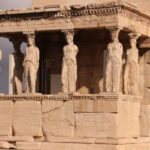
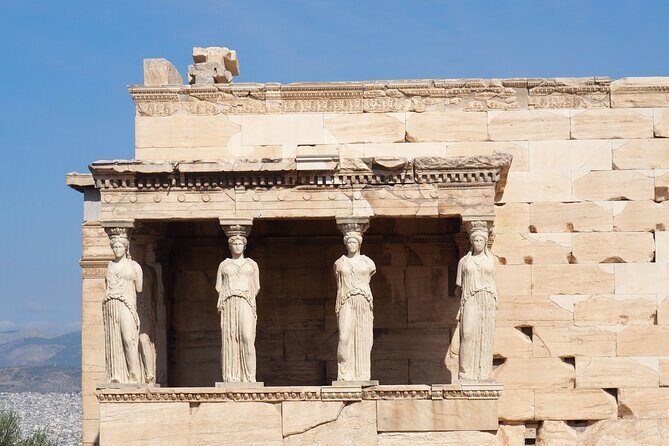
- Erechtheion
- Propylaea
- Temple of Athena Nike
- Pedestal of Agrippa
This part is where the licensed guide makes the difference. Without commentary, the Acropolis can still impress you (it will), but it’s easier to miss why everything is placed where it is and what ancient Athenians were proud of. With a good guide, the temples become more readable: myth, politics, religion, and design start connecting.
What you can also expect is frequent pauses—some tours keep things moving steadily, while others slow down to explain a particular structure or symbol. In the experiences people shared, guides often managed to build in shaded breaks when possible. That matters, because the climb can wear you out just as much as the walking itself.
One thing to keep in mind: the tour is described as moderate difficulty. If it’s very hot (especially in summer), you’ll feel it. Wear sturdy shoes and keep water in mind. If you’re prone to getting winded, take the slow path and let the group breathe while still staying close.
What you’ll learn while standing in front of the big monuments
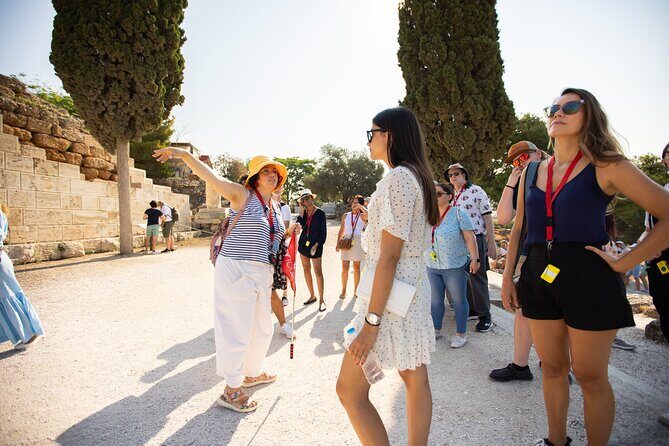
The Parthenon is the headline, but the most memorable part of this kind of visit is usually what happens around it—stories, architectural clues, and mythology tied to what you can actually see.
I like tours where the guide uses real details instead of just saying “this is important.” Here, the best moments tend to come when the guide points out how the monuments relate to one another. You also get stories that connect the gods you’ve heard about (and the theatre you started with) to the places you’re standing.
The experiences shared around guides like Krissa, Nikos, Angela, Anna, Marina, Sophia, Victor, Lilly, and Dora point to a pattern: humor and clarity help a lot. Some people loved guides who kept the mood light while still covering real historical and myth context. Others appreciated explanations that helped them understand what they were looking at instead of treating the Acropolis like a checklist.
A small practical warning, based on feedback: a few people reported audio issues (static, microphone wind, or difficulty hearing certain moments). So I’d treat the headsets as a helpful tool, not a perfect guarantee. When you put on the audio device, adjust it so the speaker is positioned correctly, and if something feels off, flag it quickly so it can be fixed.
Optional Acropolis Museum: why the indoor stop can be the payoff

If you select the Acropolis Museum option, you’ll add about 1 hour 30 minutes after the outdoor monuments. The museum visit is built around Acropolis galleries, and admission is included in that option.
This museum timing works well because it flips your perspective. On the Acropolis, you’re looking at large structures. In the museum, you get closer to the objects and story behind them. Even if you don’t know much archaeology, the museum format tends to make the site click: you go from seeing temples in space to understanding them as part of a longer human story.
It also helps with comfort. Outdoor time on the hill can be tiring, so having an indoor reset can make the whole day feel more balanced. In the experiences shared, the museum was often described as better than expected—especially when the guide’s explanations helped connect the outdoor monuments to what you see inside.
The main trade-off is stamina and pacing. One person felt the overall flow was a bit rushed, especially after the Acropolis when they wanted more unhurried museum time. If you’re the type who likes to linger, choose museum time as a priority. If you’re mainly there for the temples, you can still enjoy the museum, but you might want to manage your expectations about how much time you’ll get in each gallery.
You can also read our reviews of more museum experiences in Athens


Tickets, price value, and the smart way to choose your option
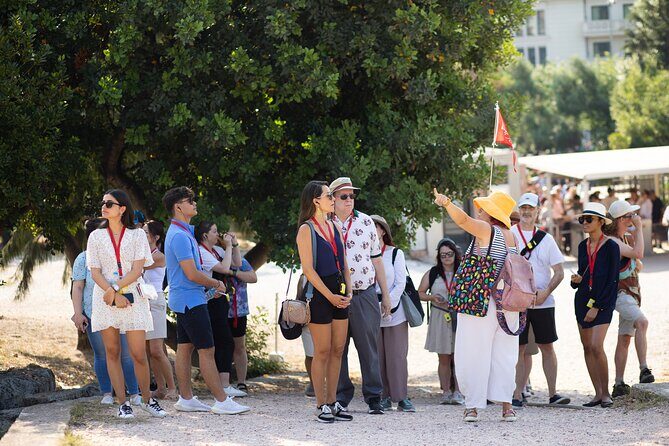
The base price is $34.94 per person, and the total tour time is about 4 hours. You also get a small group (max 20), a professional licensed guide, audio devices, and early access to the Acropolis.
Here’s where the value math depends on your ticket option:
If you book with Acropolis and Museum tickets included
Your Acropolis entry ticket is included, and the museum ticket is also included. This is usually the easiest choice for first-timers because it removes a major planning step.
If you book without entrance tickets
Acropolis entry costs €30.00 per person unless included, and the Acropolis Museum entry costs €20.00 per person unless included. If you choose the option without tickets, you’ll need to buy tickets before the activity at the tour departure time slot so you can enter with your group.
Why I think this matters: the Acropolis is not “walk up and go” in peak season. Timed access and line management are part of the experience. Picking the right option helps you avoid a stressful scramble at the last minute.
Also note: this tour uses a mobile ticket, so have it ready and save it offline if your phone signal is shaky.
Group size, pacing, and how the guide controls the day
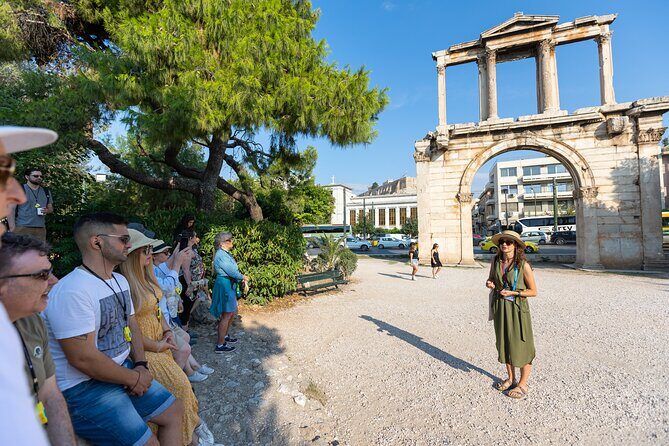
A tour capped at 20 people is a big deal at the Acropolis. More space around you means fewer stop-and-go bottlenecks. You’ll still be on crowded terrain at times, but the group stays manageable.
The tour is also described as moderated by physical demands: you’ll be walking uphill, and summer conditions can turn the climb into a real workout. In the feedback, many people recommended classic “hot weather” basics: water, hat, and sunscreen. Some also suggested rain gear, because Athens weather can shift.
Pacing is where experiences split. Several comments praised guides for staying engaged, keeping people moving while also stopping at key spots, and managing shade breaks. A couple of people felt the tour was slow or long-feeling, while one felt rushed. That difference usually comes down to guide style and how the group moves through each pause.
My practical advice: if you want a lot of explanation, this kind of guided flow is your friend. If you’re the type who wants to explore at your own speed, you may prefer to treat the guide as a primer and then return later for extra time. The tour includes a structured path, so it’s not designed to be totally free-form.
What to bring so the day feels easy
Because the main effort is the uphill climb, your comfort kit matters more here than it does on flat-city tours.
Bring:
- Sturdy walking shoes (the steps and uneven ground are not forgiving)
- Water
- Hat + sunscreen
- A light layer even in summer (wind on the hill can feel cooler than you expect)
- Rain gear if the forecast is sketchy (a few people specifically advised this)
And one mindset tweak: the Acropolis is photo-friendly, but you won’t be constantly in “camera mode.” You’ll stop for explanations and wait your turn at viewpoints. If you accept that rhythm, the experience tends to feel more meaningful.
Should you book this Acropolis & Parthenon walking tour with museum?
Book it if you want:
- Early access and a practical, guided route up the Acropolis
- A licensed guide to turn monuments into stories, myths, and real context
- A small group and audio devices so you can actually follow the commentary
I’d skip it (or at least think twice) if:
- You have mobility limitations and the uphill climb would be hard
- You need a super slow, self-paced visit with lots of silent time
- Your main goal is empty-temple photos and you’re willing to plan a different solo approach for the quietest windows
If you’re doing Athens for the first time and want the biggest “wow” site plus a helpful follow-up, the optional Acropolis Museum is a smart pairing. It can transform what you saw outdoors into something you understand better—without adding too much extra walking.
FAQ
How long is the Acropolis & Parthenon walking tour?
It runs about 4 hours (approx.).
How many people are in the group?
The tour is capped at a maximum of 20 people.
What language is the tour offered in?
The tour is offered in English.
Is early access to the Acropolis included?
Yes, early Acropolis access is included.
Do I need to buy Acropolis entry tickets?
It depends on your ticket option. If you select the option without entrance tickets, Acropolis entry is €30.00 per person. If you select the option with tickets included, the Acropolis entrance ticket is included.
Is the Acropolis Museum included for everyone?
No. The museum stop is included only if you book the option that includes the Acropolis Museum. Museum entry is €20.00 per person unless included with your option.
Where does the tour start?
The meeting point is Athanasiou Diakou 26, Athina 117 43, Greece.
Is there a Theatre of Dionysus stop?
Yes. Stop one is the Theatre of Dionysus area, and admission ticket is not included.
How fit do I need to be?
The tour requires moderate physical fitness because of the uphill ascendance, especially in summer. It’s not recommended for travelers with mobility impairments.
Are audio devices provided?
Yes. The tour includes audio devices for clear commentary.