REVIEW · ATHENS
Athens: Acropolis Visit and City Night Tour
Book on GetYourGuide →Operated by Secrets of Greece IKE · Bookable on GetYourGuide
Walking the Acropolis twice makes sense here. This combo tour strings together Acropolis legends in the afternoon and night panorama of a lit-up Athens, so you leave with the big picture fast. I also like that your official Spanish guide keeps the myths and monuments tied together as you move, not as a lecture. One consideration: Acropolis site tickets are not included, and you must match your entry time slot to your tour start.
You’ll do it on foot, starting from the less-crowded approach and finishing with free time to linger on your own at the archaeological site. Then the night half shifts gears to neoclassical Athens, parliament-area landmarks, and the classic views back toward the Acropolis. All told, it’s a smart way to turn a single afternoon into two different eras of the city.
In This Review
- Key takeaways before you go
- Entering Athens in two time periods: afternoon light, evening glow
- The Acropolis walk that avoids the main entrance crowd
- Parthenon to Propylaea: the classics, explained with story
- Theatre of Dionysus, Erechtheion, and the myths that make ruins move
- The small details: Caryatids and Athena Nike
- Free time after the guided portion: how to use it well
- Acropolis tickets: matching your time slot to your tour start
- National Library to Monastiraki at night: where the city frames itself
- Zappeion area and Panathinaiko Stadium: Olympics and antiquity in one route
- Hadrian’s Arch, Temple of Zeus, and the story of power
- Ending near the Greek Agora with Acropolis views
- Price and value: what you get for $53
- Who this tour fits best
- A real-world note on guides: clear explanations and visual help
- Should you book this Athens Acropolis and night tour?
- FAQ
- Are Acropolis tickets included in the price?
- What language is the guide?
- Where do I meet for the afternoon Acropolis part?
- Where do I meet for the evening city tour part?
- How long is the full experience?
- What time slot do I need for a 15:00 tour in low season?
- What time slot do I need for a 17:00 or 17:45 tour in high season?
- Can I reserve now and pay later?
- What should I wear and what items are not allowed?
- Is the tour wheelchair accessible?
Key takeaways before you go
- Afternoon Acropolis, starting from the south-east side to help you avoid the busiest main entrance crush.
- A Spanish licensed guide who explains what you’re seeing, including the legends tied to each stop.
- Time to slow down after the guided portion so you can revisit your favorite structures without rushing.
- A night walk built for views from major squares and monuments, ending near the Greek Agora with Acropolis sightlines.
- A time-saver for 19th-century Athens too, since the evening route passes major neoclassical institutions and buildings.
Entering Athens in two time periods: afternoon light, evening glow
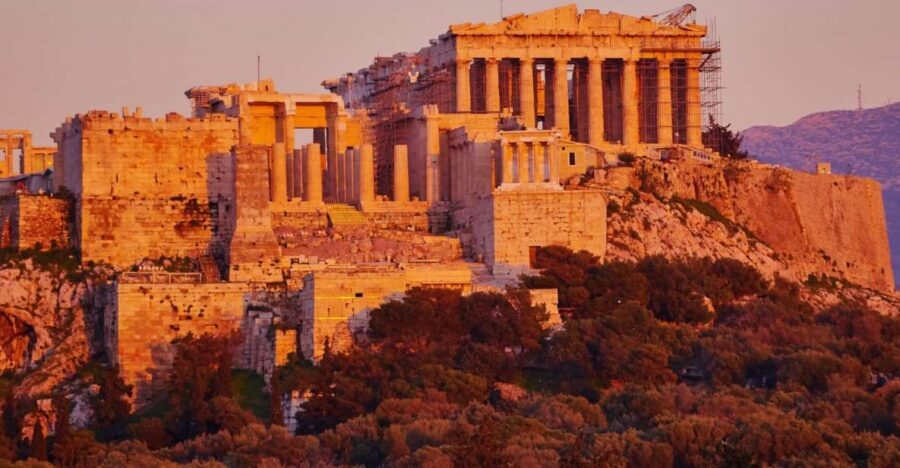
Athens is one of those cities where you can waste half a day just getting your bearings. This tour is designed to fix that fast. You start with the Acropolis in the afternoon, when the site often feels calmer than peak hours. Then you return to street level for the second half, when the city changes tone after dark.
I like that the experience doesn’t treat the Acropolis as a one-and-done checklist. Instead, the guide ties the ancient structures to the stories people told about them, while also pointing out how Athens became the capital of modern Greece. You end up with a mental map that connects monuments, neighborhoods, and time periods.
The night portion matters too. The views are the point: you’re walking through the places that frame sightlines toward major landmarks, and you finish in an area where the Acropolis is still very much part of the skyline.
You can also read our reviews of more city tours in Athens



The Acropolis walk that avoids the main entrance crowd
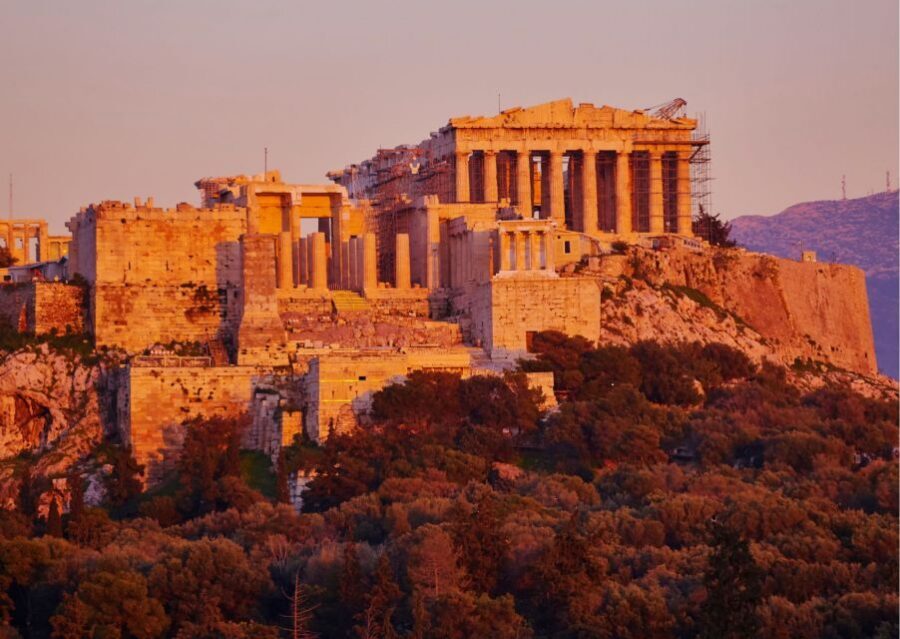
The Acropolis is famous, which also means it’s crowded. This tour helps you by starting from the south-east side rather than the main entrance that usually draws the largest lines. That one choice changes the whole vibe, since the early minutes at the site set your mood for everything that follows.
You’ll meet at the Acropolis metro station about 10 minutes before the tour starts in the afternoon. From there, you’re guided into the archaeological area with a clear route and a plan: temples, gateways, theaters, and the smaller details that many first-timers miss.
One thing I really appreciate here is the way the guide organizes the walk. You’re not just moving from Point A to Point B. You’re learning what each structure meant, who it was for, and how the site functioned as a living stage for Greek religion and civic life.
Parthenon to Propylaea: the classics, explained with story

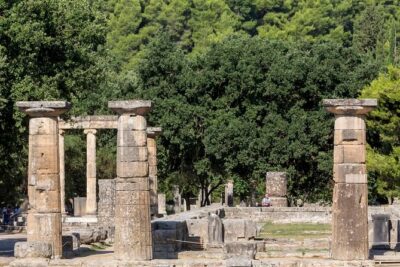
The heart of the afternoon is the classic Acropolis circuit, with a guide who focuses on what you’ll actually notice as you walk. You’ll see the Parthenon and the Propylaea, the monumental gateway that sets the tone as you enter the sacred space.
The Parthenon is the obvious draw, but the value of a guided route is that you learn what to look for as you face each side. You also get context on why the site was so central to the identity of the city.
Then comes the Propylaea, and it’s a good reminder that the Acropolis wasn’t just a collection of ruins. It was a processional entry point, a dramatic threshold. Standing there, you start to understand why people built places like this for visibility and meaning.
Theatre of Dionysus, Erechtheion, and the myths that make ruins move
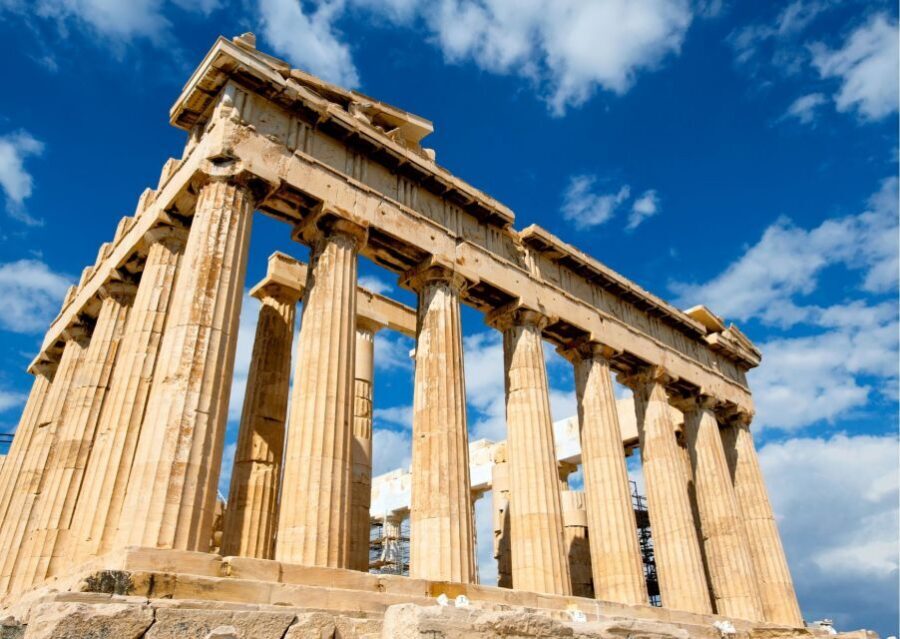
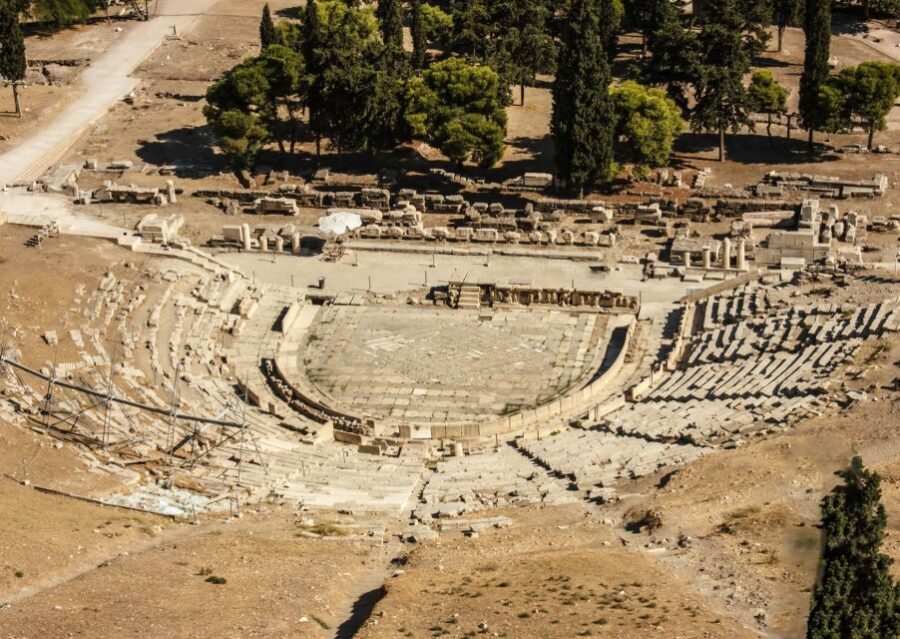
This tour keeps going beyond the headline monuments. You’ll visit the Theatre of Dionysus, which once seated around 17,000 spectators and hosted festivals honoring the Greek god. Even if you’re not a “theater person,” it’s hard not to picture performances echoing across stone seats.
Next is the Erechtheion, associated with Erechtheus in Greek myth. This stop is where the ruins start to feel like characters instead of just objects. The guide’s commentary connects the demigod mythology to the specific parts of the complex, so your brain doesn’t treat each stop like a separate movie scene.
You’ll also hear about ancient Greek myths behind the ruins, including the layers of meaning people attached to the buildings over time. If you like history that feels story-shaped, this is the sweet spot.
The small details: Caryatids and Athena Nike

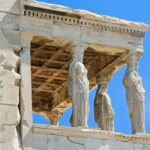
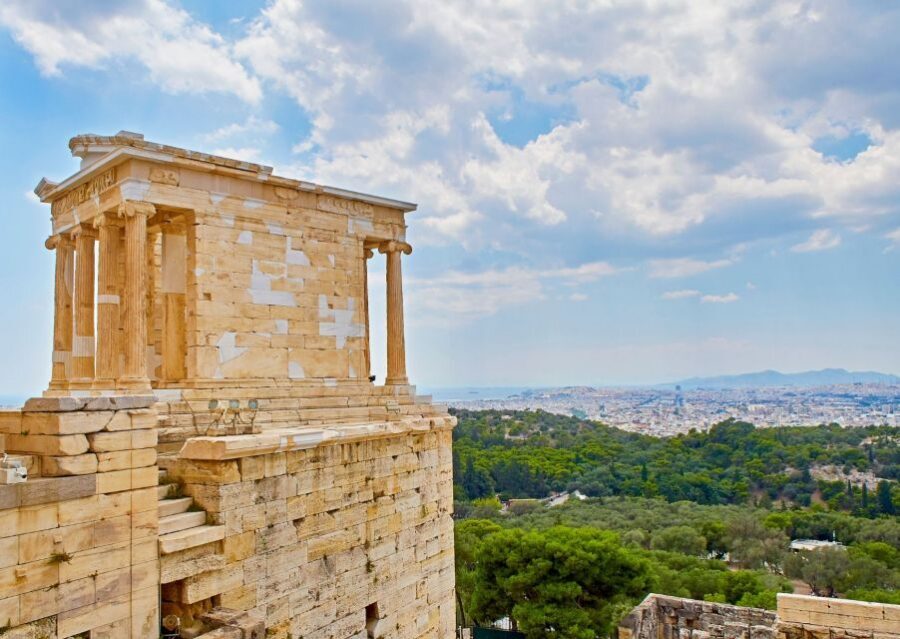
I love it when a tour doesn’t ignore the details. On this one, you get time for the stone carvings of the Caryatids and you’ll also see Temple of Athena Nike, described as the smallest temple on the Acropolis.
The Caryatids are one of those details that can feel overwhelming in photos. Up close, you notice how carved figures carry the weight of the space. It’s also a strong moment for beginners, because the guide’s explanation makes the symbolism easier to grasp.
And Athena Nike is a good reminder that not every important structure has to be the biggest. A small temple can still hold a lot of meaning, and you’ll see that through the way the guide frames it during the walk.
You can also read our reviews of more evening experiences in Athens





Free time after the guided portion: how to use it well
After the guided component, you get free time to stay longer and explore at your own pace. This is one of my favorite parts of the design. A guided route gives you structure; free time lets you slow down and re-check your favorite views without worrying that you’ll fall behind.
I’d use this time for two things:
- Go back to the spots where the guide emphasized specific features, so you can look with a trained eye.
- Spend a few minutes just watching the light move across the stone, since the Acropolis does that thing where it looks different from one minute to the next.
If you’re the type who likes to wander a bit, you’ll enjoy this breathing room. If you’re moving fast through everything, make sure you still pause for the detail areas, since that’s where the tour can beat a self-guided walk.
Acropolis tickets: matching your time slot to your tour start

Here’s the one logistical piece that can trip you up: Acropolis tickets are not included. You must buy them before the activity starts, and they’re tied to specific entry time slots.
The tour provider notes different requirements depending on the season and the departure time. For example:
- For a 15:00 tour in low season, you need the ticket slot 15:00–16:00.
- For 17:00 and 17:45 tours in high season, the required time slots are 17:00–18:00 and 18:00–19:00, respectively.
My practical advice: buy your Acropolis ticket online in advance. If you can’t, you’ll need to reach the ticket office area of the South entrance about 30 minutes earlier to allow time for the line. Once you have your ticket, you’ll head to the meeting point that’s a short walk from the ticket office.
This matters because you’re on a schedule. If you lose time buying tickets on-site, you can end up stressed before the guided portion even begins.
National Library to Monastiraki at night: where the city frames itself
After the Acropolis, the tour pivots to Athens after dark. The evening portion starts at the National Library (Panepistimiou 32, Athina 106 79). From there, you’ll follow a route that ties together modern Athens’ “grand buildings” vibe with classic ancient references.
You’ll visit the University and the Academy of Athens as part of the neoclassical trilogy that includes the National Library. Even if you don’t know a lot about architecture, you’ll feel the intent: these buildings were designed to look monumental and civic, not random.
Then you move into the political heart of the city at Syntagma Square, stopping by the Greek Parliament to see the presidential guard. It’s a straightforward, highly recognizable pause in the walk, and it gives you a moment to absorb the area without rushing through everything.
Zappeion area and Panathinaiko Stadium: Olympics and antiquity in one route
One of the most fun stretches of the night route is the stop connected to the National Gardens and the Zappeion area, described here as the ancient Olympic Village of Zappeion. It’s a place where Athens’ fascination with the Olympics and ancient athletics overlaps in a visible way.
You’ll also see the Panathinaiko Stadium, described as the first Olympic stadium in modern history. Even if you just remember it as a famous Athens site, it helps to see it at night, when the mood turns less about daytime crowds and more about atmosphere.
This section works well because it’s not only “look at a building.” The route keeps time layers in mind: you’re moving between modern civic landmarks and places that echo ancient traditions.
Hadrian’s Arch, Temple of Zeus, and the story of power
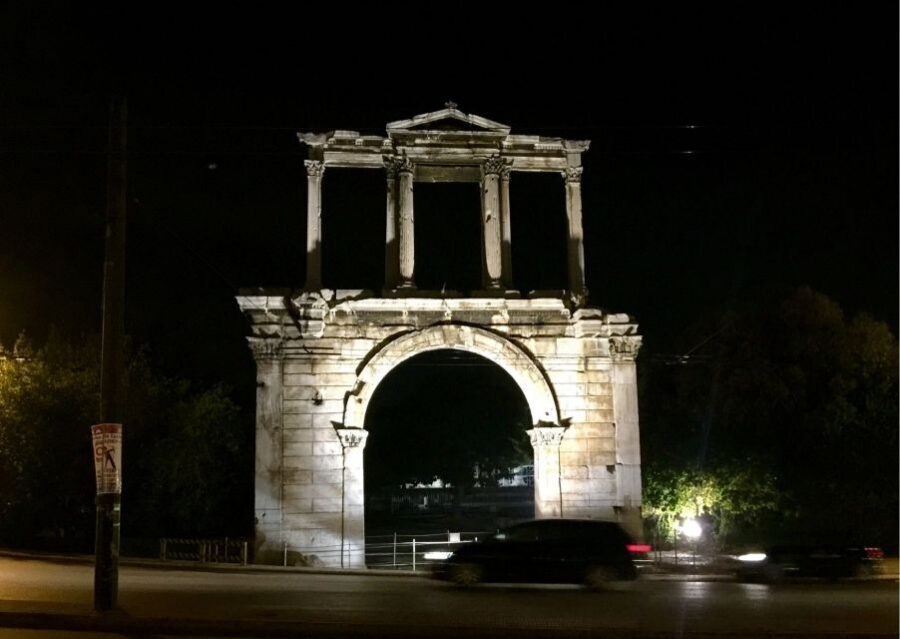
Next you’ll pass by Hadrian’s Arch and the Temple of Zeus. This part of the itinerary is built for perspective. You’ll see how monumental architecture was used to signal power and identity, not just for worship.
It’s also a reminder that Athens’ main monuments aren’t all inside the Acropolis. The city spreads its history outward, and walking the streets at night helps you connect those points without needing a separate bus hop.
As you walk, keep an eye out for how the skyline changes. The light on stone and the street angles make it easier to visualize how the city once moved around these landmarks.
Ending near the Greek Agora with Acropolis views
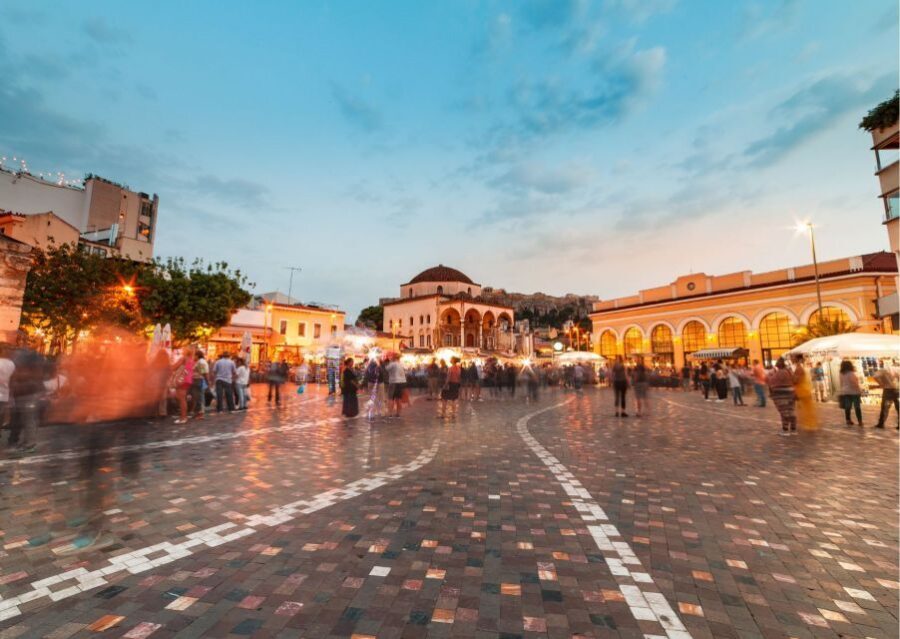
Your night walk ends in Monastiraki Square, and the final finish is the Greek Agora, with impressive views back toward the Acropolis.
This ending is clever because it ties the two halves together. During the day you’re inside the ancient world. At night you’re seeing the city below it, framed by modern streets and major squares. When you arrive near the Agora, the Acropolis feels less like a separate attraction and more like a constant presence.
If you want a souvenir moment, this is where you take it. Spend a few minutes looking, then decide whether you want to keep wandering on your own afterward or return to your base.
Price and value: what you get for $53
At $53 per person for a total 5-hour experience, the value comes from the structure. You’re getting:
- A guided Acropolis route (with commentary through multiple major monuments)
- A Spanish licensed guide for the night city portion too
- A two-part pacing that combines afternoon site time with night skyline views
What isn’t included is the key extra cost: Acropolis site tickets. But that’s common for Acropolis experiences, and it’s also why you should budget a bit of time for the ticket timing rules. If you already plan to visit the Acropolis anyway, paying for guided interpretation plus a full evening route can feel like a good deal, because it cuts down on planning effort and helps you see more in the same day.
The bigger value is the mental one. Instead of memorizing a list of monuments, you leave with a map of how the city’s ancient and modern identities overlap.
Who this tour fits best
This experience is a strong match if you:
- Want a guided overview that connects monuments to stories
- Prefer walking tours with structured timing
- Like seeing both ancient Athens and the more formal neoclassical Athens at night
- Are okay following a schedule and getting Acropolis tickets handled in advance
It may not suit you if you need step-free routes or wheelchair access, since the tour is noted as not suitable for wheelchair users. Also, you’ll want to wear practical footwear: high-heeled shoes aren’t allowed, and strollers/baby carriages and food and drinks aren’t allowed on the tour.
A real-world note on guides: clear explanations and visual help
Two guide-focused details show up in the experience in a good way. One account highlights Bárbara using a folder with simulations to help you imagine the Acropolis as it once looked. Another mentions Juan’s strong grasp of history and the city’s story.
If you learn best when information comes with visuals and story, this tour can deliver that. And if you want more city-wide context like modern Athens population figures or everyday life details, you can simply ask your guide for it while you’re walking. The format gives you chances to interact.
Should you book this Athens Acropolis and night tour?
I’d book it if you want one day in Athens to feel coherent: Acropolis in the afternoon, Athens lit up at night, and a route that links ancient and modern without extra planning.
I wouldn’t book it if you’re the type who only wants to linger silently at ruins and you’d rather control every minute yourself. Also, if you already know you’ll struggle with the timed Acropolis ticket slot rules, factor in extra planning time before you commit.
If you do book, prepare for the only real friction point: handle the Acropolis ticket timing well ahead of the tour start. Then show up with comfortable shoes and a bit of curiosity. This is the kind of Athens day where the city clicks into place fast.
FAQ
Are Acropolis tickets included in the price?
No. You must buy Acropolis archaeological site tickets before the activity starts.
What language is the guide?
The guide is licensed and the tour is in Spanish.
Where do I meet for the afternoon Acropolis part?
Meet at the Acropolis metro station about 10 minutes before the tour starts.
Where do I meet for the evening city tour part?
Meet at the National Library of Greece (Εθνική Βιβλιοθήκη, Panepistimiou 32, Athina 106 79, Greece).
How long is the full experience?
The total duration is 5 hours.
What time slot do I need for a 15:00 tour in low season?
For the 15:00 tour in low season, you must get an Acropolis ticket for the 15:00–16:00 time slot.
What time slot do I need for a 17:00 or 17:45 tour in high season?
For the 17:00 tour in high season, you need the 17:00–18:00 slot. For the 17:45 tour, you need the 18:00–19:00 slot.
Can I reserve now and pay later?
Yes. You can reserve now and pay later.
What should I wear and what items are not allowed?
High-heeled shoes are not allowed. Baby strollers and baby carriages are not allowed. Food and drinks are also not allowed.
Is the tour wheelchair accessible?
No. The tour is not suitable for wheelchair users.