REVIEW · ATHENS
Athens: Be an Ancient Sculptor: Craft Your Greek Masterpiece
Book on GetYourGuide →Operated by Ancient Greek Symposium · Bookable on GetYourGuide
Clay and Greek wine stories in two hours. At Ancient Symposium in Kallithea, the experience mixes a guided walk through ancient-style art with a real hands-on sculpting workshop. You’ll get the mood right away in a room designed to feel like an ancient Greek symposium, then you move into the gallery and finish by making a small souvenir sculpture with expert help.
I especially like two things: the way ancient Greek wine is used as a story thread (social life, plus religious ceremonies), and the focus on seeing design closely before you start shaping clay. There’s also a thoughtful gallery component that links ancient sculpting ideas to what you’re creating, instead of treating the workshop like an isolated craft project.
One thing to consider: this is a hands-on class, so you’ll want comfortable clothes and shoes, and it’s not suitable for wheelchair users. If you hate getting your hands dirty or want a long, free-form museum wander, this format may feel too structured.
In This Review
- Key things that make this class worth your time
- Entering Ancient Symposium in Athens: what actually happens in 2 hours
- The Ancient Room: symposium atmosphere and why wine is part of the art
- Gallery time: ancient techniques, statues, and myth-inspired modern work
- The workshop: making your own clay masterpiece with expert guidance
- Price and value: why $58 can feel fair for what’s included
- Location near the Acropolis Museum: getting there without stress
- What to wear and how to show up ready to sculpt
- Who this Athens experience fits best (and who might skip)
- Should you book Ancient Symposium’s sculpting experience?
- FAQ
- FAQ
- How long is the Athens sculpting experience?
- Where is the meeting point?
- What languages are offered?
- What is included in the price?
- Do I need to bring any sculpting materials or tools?
- What should I wear?
- Is smoking allowed during the activity?
- Is it wheelchair accessible?
Key things that make this class worth your time
- A symposium-style start that sets the tone with stories about wine, art, and social ritual
- Replica vessels you can study closely, including kraters and kylixes with intricate decoration
- A gallery linking ancient statues to modern myth-inspired art, with notes on sculpting purpose and technique
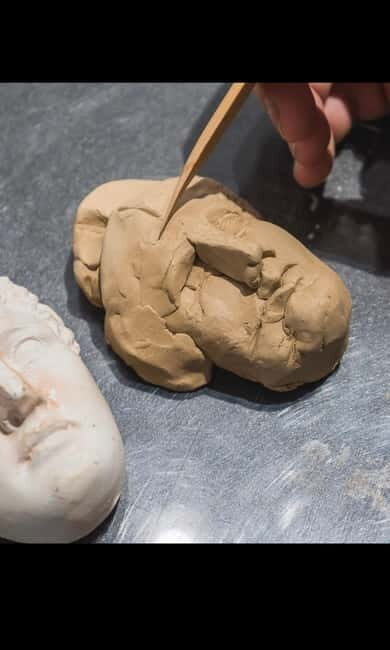
- Step-by-step clay sculpting coaching, including facial shaping, detailing, and texture
- You leave with what you made: a small sculpture souvenir created during the workshop
- Patient instruction from the team, including Manos, with guidance that keeps you moving forward
Entering Ancient Symposium in Athens: what actually happens in 2 hours
This is the kind of Athens activity that feels more like a guided workshop night in someone’s studio than a rushed “look and leave” stop. The session is set for 2 hours, which matters because you get enough time to learn the visual references and still finish with a take-home piece.
The flow is simple:
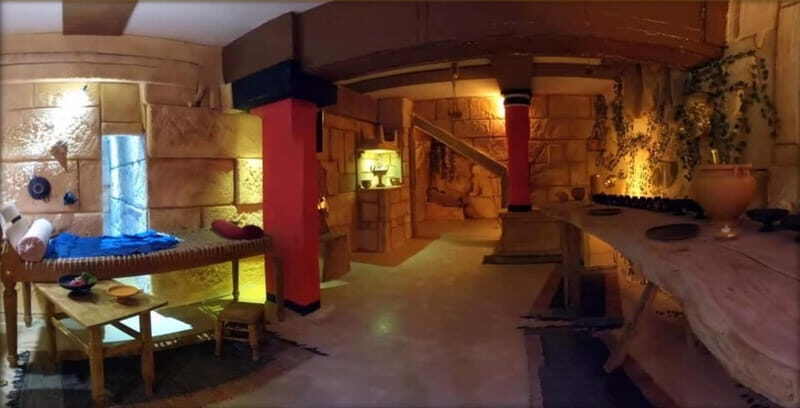
- You begin with a guided visit in the Ancient Room.
- Then you continue into the Ancient Symposium Gallery.
- Finally, you move to the workshop area and sculpt a small clay piece with professional tools.
The big win is pacing. You’re not just learning art history with your feet planted. You’re learning, looking, then doing—so the references you hear about show up right in your hands.
You can also read our reviews of more tours and experiences in Athens.
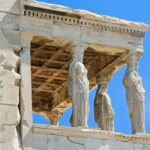
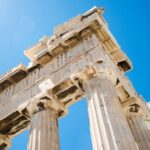

The Ancient Room: symposium atmosphere and why wine is part of the art
The experience starts in a specially designed space meant to recreate the feel of an ancient Greek symposium. That’s more than theme dressing. It helps you understand why art and culture in ancient Greece were often connected to gathering, performance, and conversation.
In the Ancient Room, your guide talks through the history of ancient wine, including production methods and how wine fit into social life and religious ceremonies. This matters for two reasons:
- It explains why people cared about what they used, drank, and displayed.
- It gives you a cultural “why” before you get technical.
Then you shift from stories to objects. You’ll see replicas of ancient vessels like kraters and kylixes. The emphasis is on their intricate designs—the kinds of depictions and decoration that helped turn everyday objects into visual culture. You’re training your eye here, which pays off later when you sculpt.
Gallery time: ancient techniques, statues, and myth-inspired modern work
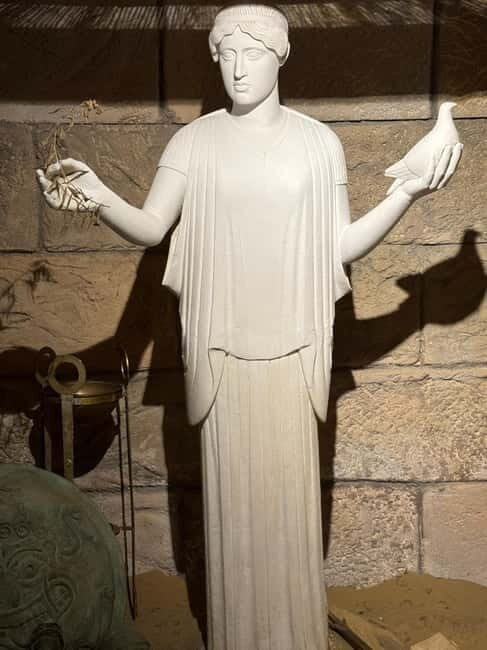
After the Ancient Room, you head into the Ancient Symposium Gallery, where ancient and modern Greek art sit side by side. This stop works because it shows that Greek myth and sculpting ideas didn’t just disappear. They get reinterpreted, even when artists use today’s styles.
You’ll get recreations of ancient statues alongside contemporary pieces inspired by Greek mythology. It’s not only about recognizing famous names. It’s about learning what sculptors were trying to do. Your sculptor explains the sculpting techniques used by ancient Greek artists and how sculpture served religious, decorative, and historical purposes throughout antiquity.
That last bit is important if you’re worried about the class being “just craft.” It’s craft, yes—but it’s tied to the function of art. When you know sculpture could be religious or commemorative, you start to understand why ancient pieces often emphasize expression, posture, and surface detail.
The workshop: making your own clay masterpiece with expert guidance
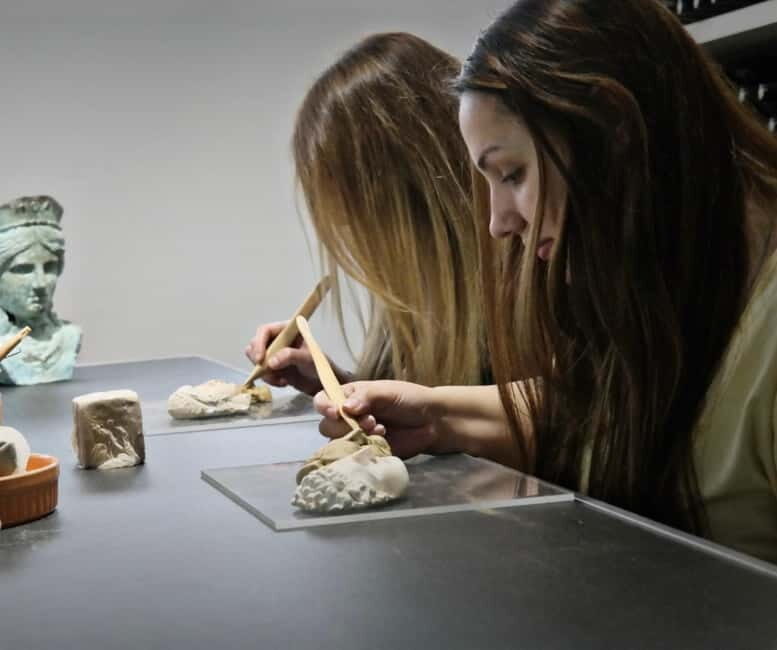
This is where the class earns its keep. In the workshop, you’re provided clay and professional sculpting tools, and you learn basic techniques while you create your own small sculpture inspired by ancient Greek art.
The guidance is practical. You’re taught basic methods such as:
- Facial shaping
- Detailing
- Texture
Those three skills are the heart of recognizable sculpting. If you’ve never sculpted before, you might assume you need artistic talent first. This workshop is built around the idea that good results come from learning a few moves and repeating them with patience.
You’ll also get individualized help from the instructor. In the experience’s reviews, the coaching style stands out—especially the calm, patient way instructors stay with you as you refine your piece. That’s exactly what you want when you’re trying to turn “lumpy clay” into something you feel good about taking home.
When you finish, you get to take your sculpture home as a souvenir. That detail sounds small, but it’s a big value marker: you’re not just buying a ticket to learn. You leave with a physical outcome you made in the session.
Price and value: why $58 can feel fair for what’s included
At $58 per person for 2 hours, this can be good value if you like experiences that combine culture and making something tangible.
Here’s what you get for your money:
- A guided tour in the Ancient Greek Room focused on ancient art and wine traditions
- A gallery tour connecting ancient and modern Greek art
- An interactive sculpture workshop
- All materials and tools included
- Your finished souvenir sculpture to take home
- Personalized guidance from an experienced sculptor
The “value” angle is that you’re not paying extra for supplies or for the take-home piece. If you’ve ever taken a class where you get the instruction but then still have to purchase basics separately, you’ll appreciate that this one provides everything you need.
If your idea of a great Athens day is to learn history in a classroom setting, you might prefer a standard museum visit. But if you want an education with your sleeves rolled up, this price fits the format.
- All Day Cruise -3 Islands to Agistri,Moni, Aegina with lunch and drinks included
★ 5.0 · 4,958 reviews




Location near the Acropolis Museum: getting there without stress
The meeting point is Kallithea, at Doiranis 39, a few minutes from the Acropolis Museum. It’s on the first parallel street of Syngrou Avenue, the city’s main artery linking central Athens to the coast.
That location is practical. You can get there easily from many hotels, and the area has good connections with bus stops and metro. It’s also described as quiet and easy to approach, which matters because this class isn’t something you want to hunt for while you’re already late and rushed.
What to wear and how to show up ready to sculpt
This is a small, hands-on workshop, so dress for clay and tools, not for photos.
Bring:
- Comfortable shoes
- Comfortable clothes
Also, plan to arrive about 10 minutes early. That buffer gives you time to settle in and talk with the instructor before the session begins. It’s a simple trick that makes the whole experience smoother, especially if you’re arriving from a museum walk or a busy street nearby.
Smoking isn’t allowed, so you’ll want to plan any nicotine breaks before you arrive.
Who this Athens experience fits best (and who might skip)
This class is a strong match for:
- People who like creative activities but also want cultural context
- Anyone curious about ancient Greek wine and symposium culture and how it connects to everyday life and art
- Couples, small groups, or solo visitors who prefer a guided experience with a real result at the end
It may not be the best fit if:
- You need wheelchair accessibility (the experience is not suitable for wheelchair users)
- You’re looking for a long museum-style itinerary without any hands-on component
If you want something different from the standard Athens routine, this is a good pivot. It combines story, objects, and making, all in one smooth 2-hour session.
Should you book Ancient Symposium’s sculpting experience?
Yes, you should book it if you want an Athens day that feels active and memorable. You’re not only hearing about Greek art—you’re studying details from vessel replicas, learning why sculpture mattered, then using that knowledge to create your own small piece of clay art. The instruction style (including Manos’s patient, step-by-step approach) is a big reason this tends to land well.
Skip it only if you’re set on passive sightseeing, or if mobility is a concern. Otherwise, for $58 with materials and a take-home sculpture included, it’s a solid way to connect with ancient culture using your hands, not just your eyes.
FAQ
FAQ
How long is the Athens sculpting experience?
It lasts 2 hours.
Where is the meeting point?
The Ancient Symposium is in Kallithea, Doiranis 39, a few minutes from the Acropolis Museum.
What languages are offered?
The instructor works in Greek and English.
What is included in the price?
You get the guided tour in the Ancient Greek Room, a gallery tour, the interactive sculpture workshop, personalized guidance, all materials and tools, and your created sculpture as a souvenir.
Do I need to bring any sculpting materials or tools?
No. All materials and tools are included.
What should I wear?
Wear comfortable clothes and comfortable shoes suitable for sculpting.
Is smoking allowed during the activity?
No, smoking is not allowed.
Is it wheelchair accessible?
No. It is not suitable for wheelchair users.