REVIEW · ATHENS
Athens Cooking Class and Lunch in our beautiful garden in Greece
Book on Viator →Operated by Mama's Roots · Bookable on Viator
Cooking Greek in Athens feels personal. This Kerameikos class mixes hands-on cooking, family recipes, and lunch in a garden setting tied to local life. I like the small group format capped at eight people, which keeps the chef close and lets you actually cook, not just watch.
One thing to keep in mind: the menu can change based on seasonal ingredients from the market and garden. If you’re traveling with a very strict must-eat list, treat the dishes as a strong guide rather than a guaranteed exact lineup.
In This Review
- Key Things You’ll Notice Fast
- Athens Garden Cooking: Why Kerameikos Changes the Experience
- Where You Meet and How the Farmers’ Market Fits In
- The Small-Group Kitchen Setup (And Why Eight People Is the Sweet Spot)
- What You’ll Cook: Yemista, Tzatziki, and the Rest of the Lineup
- Yemista (Stuffed Tomatoes and Peppers)
- Kagianas (Greek Scrambled Eggs with Tomatoes, Feta, and Parsley)
- Mini Spinach Roll Pies
- Ntakos (Cretan-Style Crunchy Salad)
- Tzatziki (Greek Yogurt Garlic Dip)
- Dessert of the Day
- Lunch in the Courtyard: Eating What You Made
- What Makes the Teaching Style Work
- Price and Value: Is $119.73 Worth It?
- Tips to Get the Most Out of Your Greek Cooking Day
- Who This Athens Class Suits Best
- Should You Book This Athens Cooking Class?
- FAQ
- How long is the Athens cooking class and lunch?
- Where does the experience meet and start?
- Is the tour private?
- What group size should I expect?
- Is it offered in English?
- What dishes are included?
- Does the menu ever change?
- Is there a farmers market ingredient stop?
- Can I get a refund if my plans change?
- Is the experience friendly for different cooking skill levels?
Key Things You’ll Notice Fast
- A capped group of eight: more chopping time, more questions, less waiting around
- Farmers’ Market stop (Tuesdays): usually about 15 minutes to grab in-season produce right out front
- Family-recipe storytelling: you learn both the method and the why behind Greek flavors
- Hands-on cooking from scratch: dishes are built step by step, not assembled at the end
- A true meal at the end: you eat what you make in the outdoor garden/terrace setting
- Instructors with real teaching style: names like Kostas, Vasilios (Bill), and Elena show up in the experience’s teaching culture
Athens Garden Cooking: Why Kerameikos Changes the Experience
The best thing about this Athens cooking class isn’t just the food. It’s where it happens—at a 1920s stone house in the heart of Kerameikos, a neighborhood known for bars and restaurants and even named one of the world’s coolest neighborhoods by Forbes in 2018. You start in a lively food zone, then step into a quieter space where the day slows down.
I especially like the mix of fresh garden produce and traditional methods. Greek cooking often lives in technique: olive oil choices, how you treat herbs, and what “proper” looks like for things like baked pies or egg dishes. The class builds those skills in a way that makes the food feel practical, not performative.
The vibe also tends to stay friendly and grounded. Several people describe a cozy garden/terrace environment and a teacher who gets everyone involved, which matters because this is a hands-on class, not a demonstration.
You can also read our reviews of more cooking classes in Athens



Where You Meet and How the Farmers’ Market Fits In
You meet at Mama’s Roots, Keramikou 82, Athina 104 35, Greece. The location is central, and it’s listed as near public transportation, so you’re not forced into a long taxi loop just to get to class.
Here’s the smart detail: on Tuesdays, the Farmers’ Market runs right in front of the place. The plan is usually to spend about 15 minutes there picking up fresh ingredients. Even if you’re not buying a lot, that short walk pays off because it ties the meal you’ll cook directly to what’s in season that week.
If you’re visiting on a different day, you’ll still be working with in-season ingredients, but the source may be more garden-and-market based without the exact market timing. Either way, the point is the same: you’re cooking with what Greece actually offers at that moment, not generic pantry replacements.
The Small-Group Kitchen Setup (And Why Eight People Is the Sweet Spot)
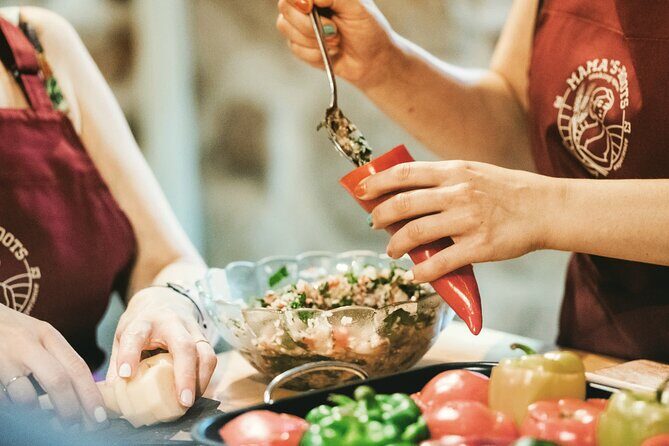
This is a private tour/activity, and the group cap is eight people. That number matters more than it seems. With fewer people, the chef can correct your technique when you need it and keep pace so you’re not watching someone else do the work for an hour.
From the way the class is described, you can expect to do real prep tasks—chopping, mixing, and assembling—while the instructor guides the process. People also note that the chef teaches with patience and lets everyone participate, which is perfect if your cooking experience ranges from beginner to “I cook at home.”
The class runs about 3 hours 30 minutes. That’s enough time to learn several dishes and then actually sit down for lunch, without feeling rushed. It also fits well between other Athens plans, since Kerameikos is a convenient base area.
One more practical note: the experience is offered in English, and confirmation is received at booking. The operation also uses a mobile ticket, so you’ll want your phone charged and handy.
What You’ll Cook: Yemista, Tzatziki, and the Rest of the Lineup

The menu is based on seasonal availability, but you’ll typically cook a set of classic Greek dishes that add up to a full meal. The sample lineup includes six prepared courses plus dessert, and the dishes are chosen to show the logic of Greek home cooking: fresh ingredients, strong flavors, and straightforward technique.
Yemista (Stuffed Tomatoes and Peppers)
As the main course, yemista gives you the “heart” of the meal: tomatoes and peppers stuffed with rice, herbs, and olive oil. Learning how to stuff and bake it is one of the most valuable take-home skills because this is exactly the kind of dish that tastes better the next day and scales well for family dinners.
A few more Athens tours and experiences worth a look
- All Day Cruise -3 Islands to Agistri,Moni, Aegina with lunch and drinks included
★ 5.0 · 4,958 reviews






Kagianas (Greek Scrambled Eggs with Tomatoes, Feta, and Parsley)
This is a comfort dish that shows Greek technique with eggs—simple, but not boring. You’ll learn how to build flavor with tomatoes and herbs, and why feta belongs in the mix. It’s also a good reminder that Greek food can be casual and still feel special.
Mini Spinach Roll Pies
These are baked fyllo pies with feta, spinach, leek, and dill. The method is the lesson here: assembling thin dough rolls and getting them baked instead of soggy. This is the dish that makes you go home and immediately want to practice again, because once you see the steps, it feels doable.
Ntakos (Cretan-Style Crunchy Salad)
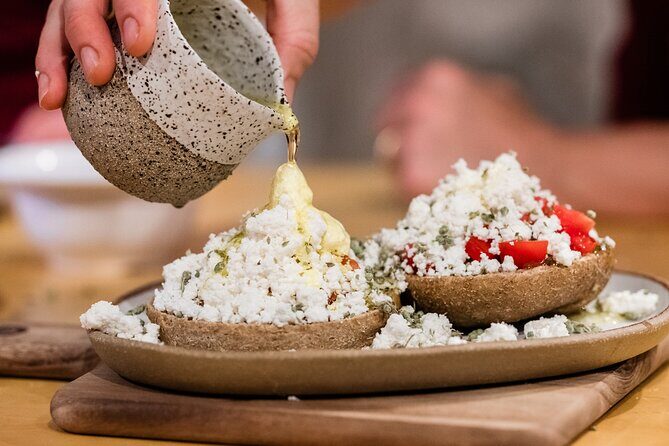
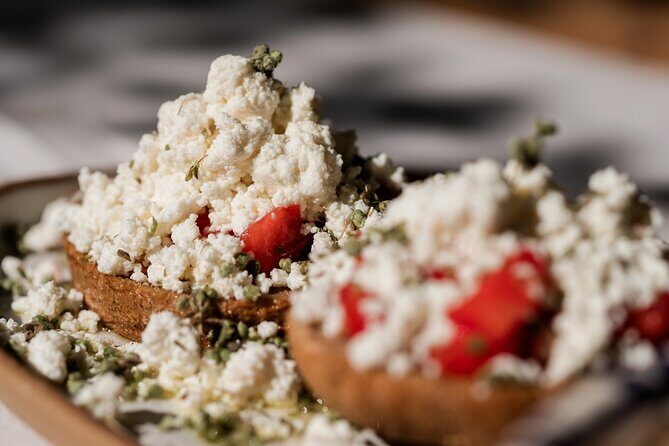
Ntakos is built around rusk soaked with extra virgin olive oil and topped with tomatoes, sour mizithra, capers, and olives. It’s a great counterpoint to heavier dishes—salty, acidic, crunchy—so you don’t leave feeling like you ate only comfort food. It also highlights regional flavor differences within Greece, which many people find surprisingly interesting.
Tzatziki (Greek Yogurt Garlic Dip)
Tzatziki anchors the whole meal. You’ll see how yogurt becomes a sauce base with garlic and how herbs and cooling ingredients balance the stronger flavors on the table. It’s also the easiest thing to “replicate” at home once you learn the proportions and texture cues.
Dessert of the Day
Dessert varies, but you’re still ending with something sweet that fits the home-cooked tone of the class. Expect it to be part of the full lunch experience rather than a token finish.
Lunch in the Courtyard: Eating What You Made
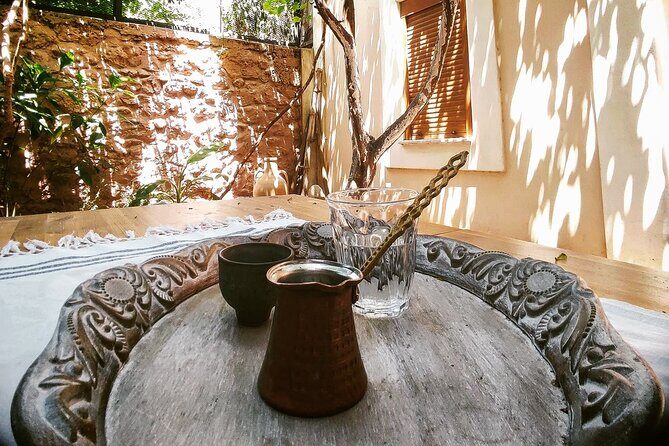
After the cooking, you sit down and eat in the garden/outdoor area. Multiple people describe the setting as cozy and charming, and the meals as fresh and filling. This is one of those rare cooking classes where lunch feels earned, because you helped produce every major dish.
If you enjoy pairing food with a drink, you might notice that at least some sessions include a small wine offering like a dry rosé. It’s not the same as a full tasting event, but it does add to the relaxed Greek dinner pace.
The most practical part: you learn how these dishes work together on one table. Greek meals are often “many dishes, shared at once,” and this format trains you to think that way. When you cook at home later, it’s easier to plan a real Greek spread instead of trying to replicate everything as a separate meal.
What Makes the Teaching Style Work
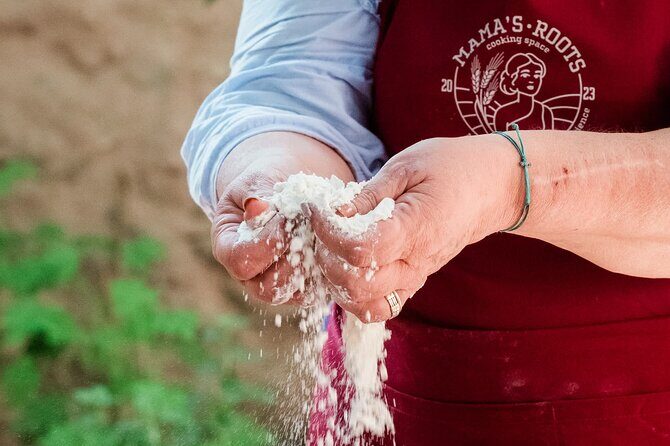
The experience is built around recipe stories handed down through Greek family cooking. That might sound poetic, but it actually helps you remember technique. When a chef explains what to look for—how the tomato mixture should taste, what texture you want in a pie, how flavors should balance—you’re not just memorizing steps. You’re learning how to adjust.
In the reviews, instructors show up with different names, including Kostas, Vasilios (Bill), and Elena. The consistent theme is teaching that’s both hands-on and patient, with lots of involvement from the group. Some people also mention that the chef shared thoughts on Greek regional differences, which is a great bonus if you’re hoping Athens will teach you more than just one style of Greek cooking.
There’s another nice detail: the class seems designed for different skill levels. People specifically say it works for beginners, and others say even experienced cooks found it worth it. So you don’t need to come in with chef confidence. You just need an appetite and a willingness to try.
Price and Value: Is $119.73 Worth It?
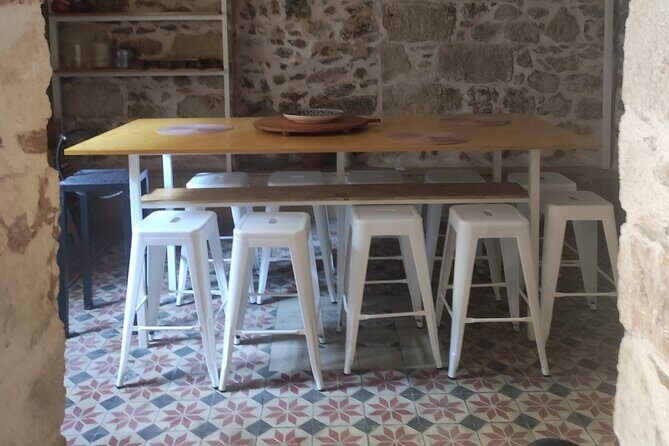
At $119.73 per person, this isn’t a budget snack class. But it’s also not a stripped-down workshop. You’re paying for a real, guided cooking session in a private, home-like setting plus a full meal that includes multiple courses: typically six dishes and dessert.
The value math works best if you:
- want more than tasting, and you actually want to cook
- prefer a small group over crowded classes
- care about taking home usable skills (not just eating dinner)
Compared with more commercial options, the home setting and tight group size are the big reasons people feel it’s worth it. The time also feels fair: about 3 hours 30 minutes gives you enough hours to learn and then enjoy the results without feeling like you’re sprinting.
If you’re the kind of person who likes to recreate what you love when you get home, you’ll likely feel this price is justified. If you only want a casual food stroll, you might decide it’s more effort than you want.
Tips to Get the Most Out of Your Greek Cooking Day
A few practical moves can make a big difference:
- Don’t eat right before. People strongly suggest you arrive hungry because you’ll cook lots and end up with more food than you expect.
- Bring a water mindset. You’ll be working in a kitchen, then eating. Pace yourself.
- Ask about preferences. One review notes that preferences were considered. If you have dietary limits, mention them ahead of time when you book.
- Be ready to do something with your hands. This class is set up so everyone participates.
- Plan for seasonal surprises. Since the menu shifts with availability, go in curious rather than rigid.
And a final mindset shift: focus on the technique. Greek home cooking is built on knowing what textures and flavors should feel like, not just copying ingredients.
Who This Athens Class Suits Best
This experience is a strong match if you want a genuine Athens food moment that doesn’t feel like a conveyor belt. It’s also ideal for:
- couples looking for a memorable evening activity in a calm setting
- friends who want a shared project and a shared meal
- families with teens or adults (one group notes even college-aged kids enjoyed it)
- beginners who want structure and coaching
- food lovers who care about regional flavors within Greece
If you hate chopping and prefer pure tasting, this may feel like too much work. But if you want to leave with skills you can reuse, you’ll likely love it.
Should You Book This Athens Cooking Class?
Book it if you want a small-group, hands-on Greek cooking class with a real garden lunch in Kerameikos. The big wins are the tight cap of eight, the family-recipe teaching style, and the chance to cook multiple dishes and then eat them where the cooking happened.
Skip it (or at least set expectations) if you’re very menu-specific because the lineup is seasonal and can change. Also, if you’re only looking for short tastings and zero prep work, you might find the format too hands-on for your style.
If you’re deciding between “cook something” and “eat something,” this one leans hard toward cooking—and it’s built that way for a reason.
FAQ
How long is the Athens cooking class and lunch?
It’s about 3 hours 30 minutes.
Where does the experience meet and start?
You meet at Mama’s Roots, Keramikou 82, Athina 104 35, Greece.
Is the tour private?
Yes. Only your group participates.
What group size should I expect?
The class is capped at eight people.
Is it offered in English?
Yes, it’s offered in English.
What dishes are included?
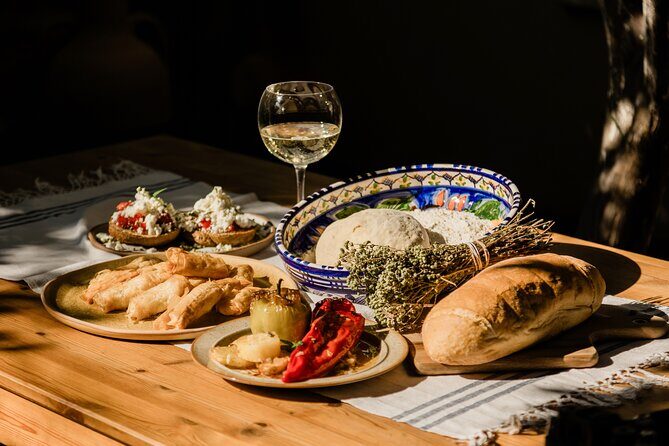
A sample menu includes Yemista, Kagianas (Strapatsada), mini spinach roll pies, Ntakos Cretan salad, tzatziki, plus dessert of the day.
Does the menu ever change?
Yes. The menu is subject to change based on seasonal availability.
Is there a farmers market ingredient stop?
On Tuesdays, the Farmers’ Market takes place right in front of the place, and the group usually spends about 15 minutes there to pick up fresh ingredients.
Can I get a refund if my plans change?
Free cancellation is available. You can cancel up to 24 hours in advance for a full refund.
Is the experience friendly for different cooking skill levels?
Yes. It’s described as suitable for beginners and for all skill levels, with clear instructions and hands-on participation.
You Might Also Enjoy




More Lunch Experiences in Athens
- All Day Cruise -3 Islands to Agistri,Moni, Aegina with lunch and drinks included
★ 5.0 · 4,958 reviews