REVIEW · ATHENS
Athens: Guided City Tour on an Electric Trikke Scooter
Book on GetYourGuide →Operated by Scooterise · Bookable on GetYourGuide
Athens is easier to cover when you are rolling instead of walking, and this electric Trikke scooter tour gives you a playful way to connect the city’s big sights. You learn the controls, put on a helmet, then glide through central Athens with a local guide pointing out the Acropolis, ancient ruins, grand squares, and modern city life.
I like the short route because it packs several important sights into 90 minutes, and I like the mix of history with a little friendly fun at the Panathenaic Stadium. The main caution is traffic: you may ride beside passersby and cross busy junctions, so you need to stay alert while you get used to the Trikke.
In This Review
- Key points to know
- Why an electric Trikke works well in central Athens
- Starting near the Acropolis Museum
- Acropolis and Parthenon views at the beginning
- The Temple of Olympian Zeus and Hadrian’s Arch
- Gliding through Zappeion Exhibition Hall
- The Panathenaic Stadium and the friendly race
- A cooling pause in the National Garden
- Parliament and the Tomb of the Unknown Soldier
- What the 90-minute schedule really gives you
- Price, value, and who should book
- Practical tips for a smoother ride
- Should you book the Athens electric Trikke tour?
- FAQ
- How long does the electric Trikke tour last?
- How much does the Athens Trikke tour cost?
- Where does the tour meet?
- Where does the tour end?
- What is included in the tour?
- Is hotel pickup and drop-off included?
- What languages are available?
Key points to know
- A compact 90-minute route: See the Temple of Olympian Zeus, Hadrian’s Arch, Panathenaic Stadium, National Garden, Parliament, and more without committing to a half-day activity.
- An unusual way to sightsee: The electric Trikke lets you cover ground with less effort than walking, while still keeping you close to the streets and squares of Athens.
- Acropolis views without an Acropolis visit: You look toward the Parthenon, but this experience does not include entry to the Acropolis archaeological site.
- A playful Panathenaic Stadium stop: The route includes time for a lighthearted race with your family or friends.
- A short learning period matters: You receive riding practice first, but the Trikke may feel unfamiliar until you have spent some time steering it.
- Central meeting point: The Scooterise office is 50 meters from Acropolis Metro Station and the Acropolis Museum, and the tour returns there.
Why an electric Trikke works well in central Athens
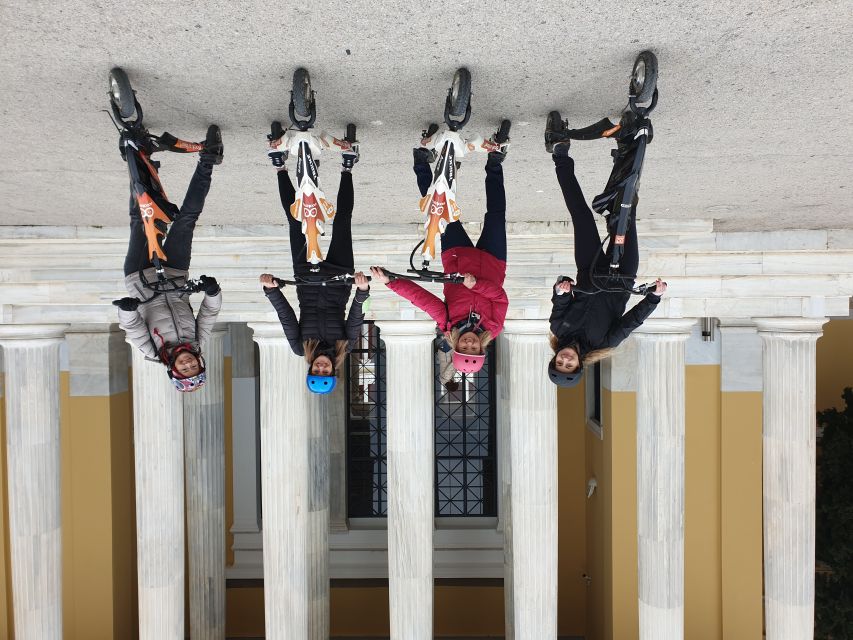
Athens rewards walking, but its major sights are spread across a surprisingly wide central area. The Temple of Olympian Zeus, Panathenaic Stadium, National Garden, Parliament, and Acropolis viewpoints are all close enough to connect, yet walking between them can take energy away from the sightseeing itself.
The electric Trikke offers a middle ground. You are not sealed inside a vehicle, and you are not covering every block on foot. You remain out in the open, moving at street level, while the motor helps with the effort.
You first meet your local guide and learn how to ride. That introduction is important because a Trikke is not an ordinary bicycle or kick scooter. The tour includes a helmet, and you should use the practice time to get comfortable with steering, stopping, and keeping a steady line.
I would not book this as a quiet, museum-style history tour. It is an active city outing with sightseeing built around movement. You will get short explanations at several places rather than long lectures at one monument.
You can also read our reviews of more guided tours in Athens



Starting near the Acropolis Museum
The meeting point is the Scooterise office, just 50 meters from Acropolis Metro Station and the Acropolis Museum. That location is useful if you are already spending the day around the Acropolis, since you do not need a separate hotel transfer.
The activity begins and ends at the same office. Hotel pickup and drop-off are not included, so plan your route to the meeting point before you arrive. The central location also makes this an easy activity to fit between other plans, though you should allow enough time to reach the office and get ready before the scheduled start.
Your guide conducts the tour in English or Greek. No individual guide names are provided, but the guide’s role is more than simply leading the line. You receive the riding instruction, route guidance, and commentary about Athens, its history, and Greek customs.
Acropolis and Parthenon views at the beginning
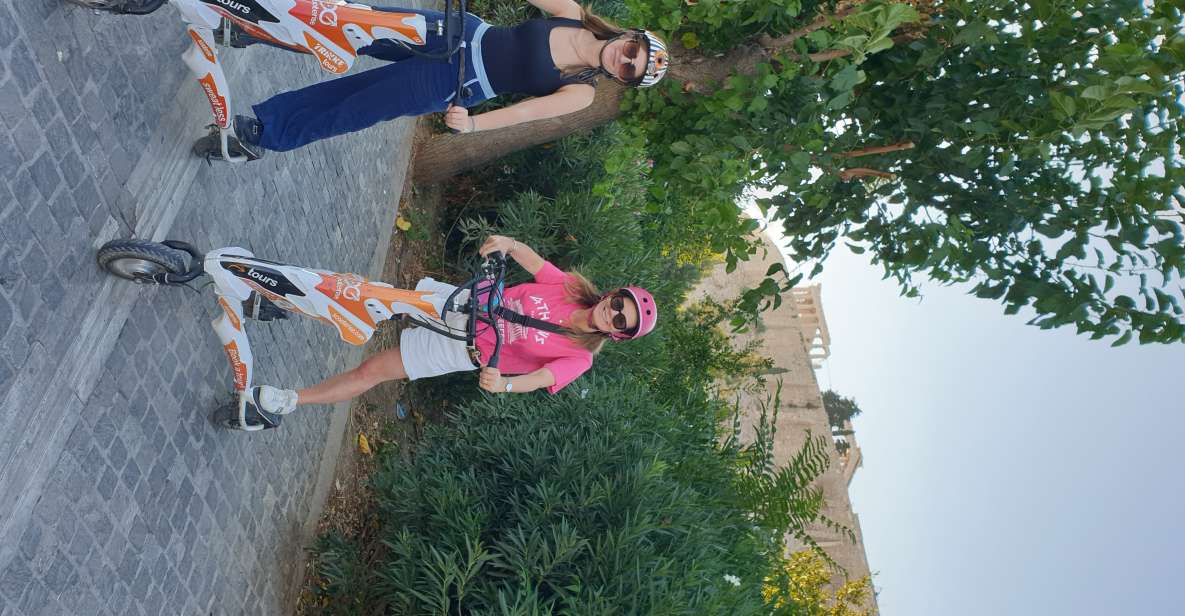
The tour starts with views toward the Acropolis and Parthenon. This is a good opening because you get your bearings around Athens before moving into the rest of the route.
Keep your expectations clear: this is a viewing stop, not an Acropolis entry tour. You do not enter the archaeological site as part of the Trikke experience. If you want time among the temples on the Acropolis, you will need a separate ticket and a separate visit.
Still, the view gives the tour a strong sense of place. You are not simply riding through random city streets. The Acropolis remains the visual anchor, and the guide can connect what you see above the city with the monuments you visit at street level.
Bring a camera or phone if you want a quick picture, but remember that the route keeps moving. This is best for a useful overview and memorable views, not for spending a long time composing photographs.
The Temple of Olympian Zeus and Hadrian’s Arch
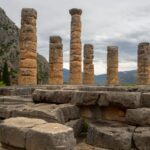
The next major stop is the Temple of Olympian Zeus, also called the Columns of the Olympian Zeus. The temple was built to honor Zeus, king of the gods, and its remaining columns give you a clear sense of the scale planned for this ancient sanctuary.
The stop works especially well on a moving city tour because the monument sits close to other central Athens sights. You can see one of the city’s most important ancient remains without spending the entire afternoon at a single archaeological site.
You also stop beneath Hadrian’s Arch for a photograph. The arch is a particularly useful Athens landmark because it marks the meeting point between the old city and the Roman-era expansion associated with Emperor Hadrian. You can frame the arch with the Acropolis and Parthenon visible beyond it, creating one of the tour’s best photo opportunities.
The stop is short, so listen closely while the guide explains what you are seeing. If you are looking for detailed archaeological interpretation, a dedicated walking tour or museum visit will offer more depth. The value here is the combination of monument, photo, and smooth connection to the next part of the route.
Gliding through Zappeion Exhibition Hall
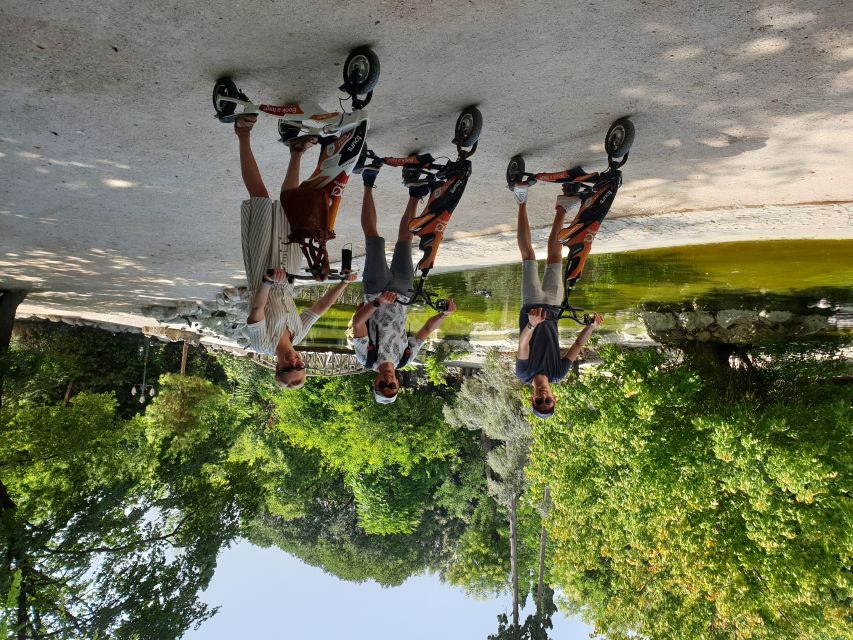
The tour continues along the flat, even surface near Zappeion Exhibition Hall. This part of the route matters because it gives you room to settle into the Trikke after the first stops.
A flat surface is especially welcome if the vehicle still feels new. You can focus on steering and enjoying the ride rather than worrying about uneven ground. The setting also shifts the mood from ancient monuments to one of Athens’s formal public spaces.
This is where the activity’s format becomes clear. You are not only being transported between attractions. You are using the ride itself as part of the experience. The electric motor helps you cover ground, while the open design keeps you connected to the city around you.
The Trikke can feel unfamiliar at first. One useful tip is to avoid treating the early minutes as a race. Use the practice period and the easier stretch near Zappeion to build confidence before the route becomes busier.
You can also read our reviews of more city tours in Athens



The Panathenaic Stadium and the friendly race
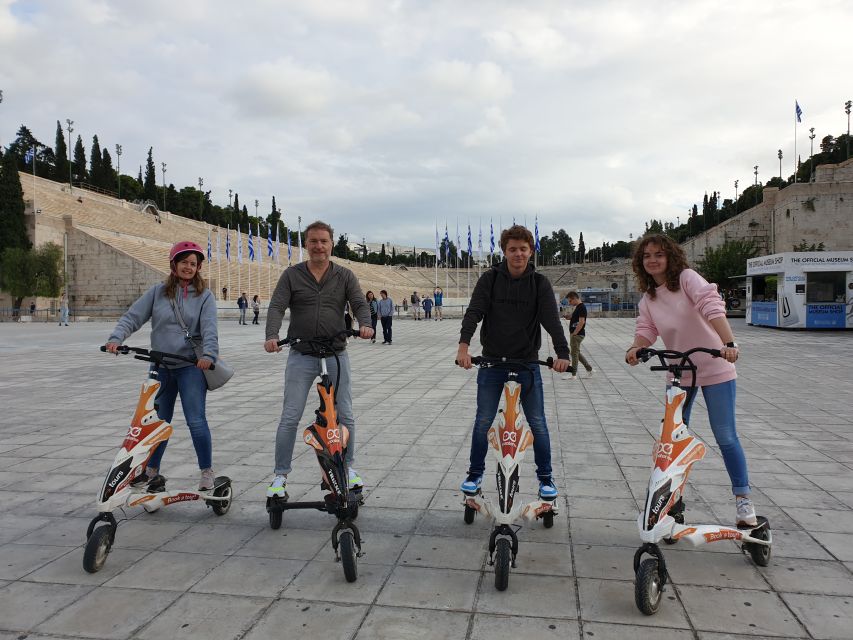
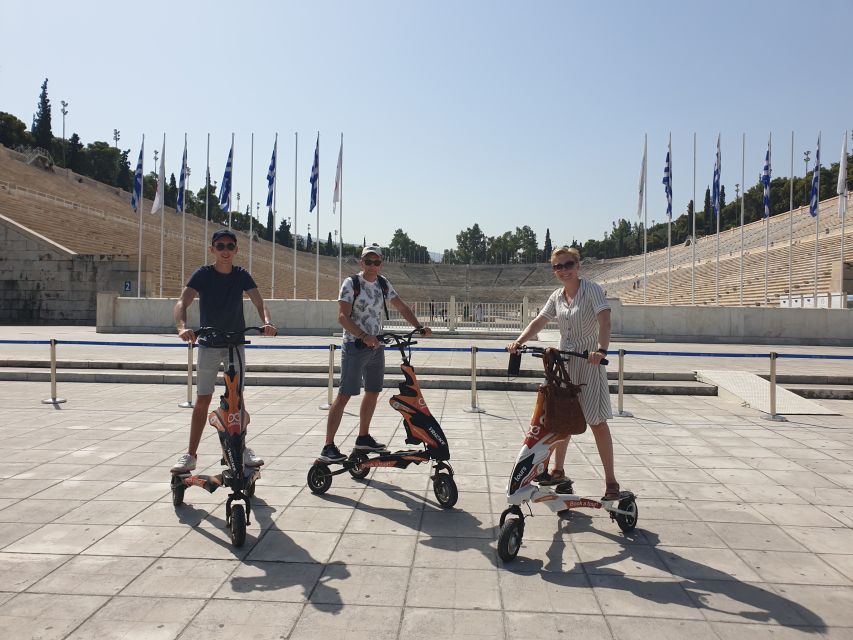
The Panathenaic Stadium is one of the route’s most memorable stops. Built from white marble and closely tied to the modern Olympic story, it is a landmark that looks impressive even if you have already seen photographs.
Here the activity adds a playful challenge. You can race your family or friends around the stadium area. This is not a serious sporting contest, but it gives the stop a bit of energy and makes the stadium more than a place where you pause for a photograph.
I like this part for families and groups of friends who want some interaction rather than a purely passive sightseeing ride. It also breaks up the historical commentary. Athens can sometimes feel like one monument after another, and a short bit of fun helps keep the 90-minute tour lively.
Use common sense with the race. The route also takes you through areas where other people are walking, so the tour is not a free-for-all. Follow the guide’s instructions and keep your speed under control.
A cooling pause in the National Garden
The National Garden provides a change of pace. This green public space offers a calmer setting in the center of Athens, and the stop gives you a chance to cool off and relax.
That pause is valuable on a warm day. Even with electric assistance, you are still outside and moving through the city. A short break can make the final section more comfortable, especially if you have already spent the morning walking around the Acropolis or Plaka.
The garden also shows you a side of Athens that ancient sites do not. The city is not only temples, marble, and traffic. Public green spaces give residents a place to pause, and seeing one during a guided route adds a more everyday dimension to the experience.
Do not expect a long nature visit. This is a brief stop within a city tour, not a separate garden walk. Its strength is the contrast it provides and the chance to reset before the final landmarks.
Parliament and the Tomb of the Unknown Soldier
The final section takes you to the Hellenic Parliament and the Tomb of the Unknown Soldier. These sights bring the route into modern Greek civic life after its focus on ancient Athens and the Olympic past.
The Parliament building is one of the city’s key public landmarks. At the Tomb of the Unknown Soldier, you encounter a place of national remembrance. The stop gives the guide a chance to explain the importance of the site and the traditions connected with it.
This ending is well chosen because it leaves you with a broader view of Athens. You have seen ancient religious architecture, a Roman-era arch, a stadium linked to the Olympics, a public garden, and the center of the modern Greek state.
The route then returns to the Scooterise office. Since there is no hotel drop-off, you can continue sightseeing on your own from the central meeting point. You are also close to the Acropolis Museum and Acropolis Metro Station, making it simple to connect with the next part of your day.
What the 90-minute schedule really gives you
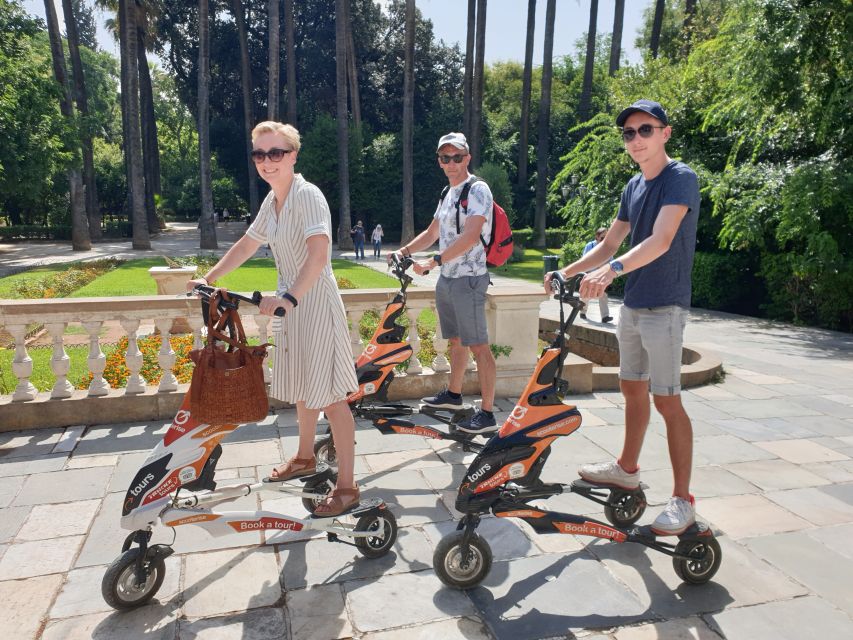
Ninety minutes is long enough for a strong first look at central Athens, but it is not enough for deep time at each sight. You will stop, listen, take selected photographs, and keep moving.
That short length is a benefit if you want an introduction or need to fit an activity into a crowded itinerary. It is also useful early in your stay because the route helps you understand how the major central landmarks relate to one another.
The tradeoff is limited independence. You cannot linger wherever you wish, and the guide must keep the group on schedule. If you prefer slow photography, lengthy historical explanations, or unplanned side streets, a private walking tour may suit you better.
You should also think about how you feel on unfamiliar wheeled equipment. One account of the route described an exciting challenge, with growing confidence after practice, but also some unease near passersby and traffic junctions. That is the key practical issue here. The activity is not difficult by definition, but it does require attention.
Price, value, and who should book
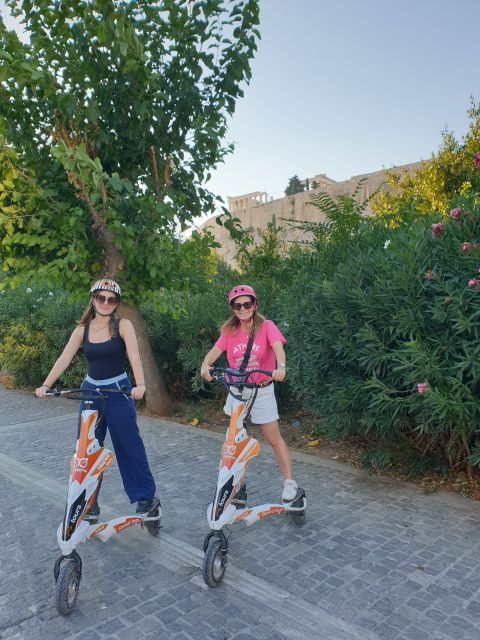
At $73 per person, this is not the cheapest way to see Athens. The price pays for the electric Trikke, helmet, guide, and a compact route linking several major sights. It does not include hotel transport or entry to the Acropolis, Temple of Olympian Zeus, or other paid sites.
I see the best value if you want to cover more ground than walking allows and you enjoy trying something different. A family or small group can also get extra value from the playful stadium race and the shared novelty of learning the vehicle together.
For a solo visitor focused on ancient sites, the price may feel harder to justify. You could spend the same time walking between central monuments with more freedom, though you would cover less ground and receive less structured guidance.
I would especially consider this tour if:
- You have only a short time in central Athens.
- You want an active alternative to a standard walking tour.
- You are traveling with family or friends who enjoy a little friendly competition.
- You want an overview of Athens before choosing which sites to revisit.
- You are comfortable staying alert around other people and city traffic.
I would think twice if you dislike scooters, want a slow pace, or feel uneasy sharing streets and crossings. The guide helps you learn the Trikke, but the vehicle still takes attention.
The activity has a 4.4 rating from 7 reviews, which points to a generally strong experience but not a flawless one. The most consistent strengths are the unusual format, engaging guidance, broad mix of sights, and suitability for both adults and children. The main reservation is the slightly unsafe feeling some people may have while riding near busy areas.
Practical tips for a smoother ride
Wear comfortable clothing and shoes that let you stand and steer easily. The tour includes a helmet, but you should still prepare for being outdoors for the full 90 minutes.
Arrive at the Scooterise office near the Acropolis Metro Station with enough time to check in and learn the controls. The meeting point is close to the Acropolis Museum, so it is easy to combine with other plans, but do not assume the tour includes transportation from your hotel.
Use the practice session seriously. The Trikke is meant to be fun, yet the first few minutes can feel like a learning curve. Once you are comfortable, the flat stretch by Zappeion should help you relax before the more active parts of the route.
Keep the tour’s purpose in mind. It gives you a guided overview, good exterior views, and a lively way to connect central Athens. It is not a replacement for entering the Acropolis, studying museum exhibits, or spending a full morning at the ancient monuments.
The tour offers free cancellation up to 24 hours before the start, and you can reserve now and pay later. Those terms are useful if your Athens plans are still shifting, but check the available starting times before building the rest of your day around it.
Should you book the Athens electric Trikke tour?
Book it if you want to see central Athens from the street while covering several major sights with less effort than walking. The Acropolis views, Temple of Olympian Zeus, Hadrian’s Arch, Panathenaic Stadium, National Garden, Parliament, and Tomb of the Unknown Soldier create a well-rounded route, and the Trikke adds a memorable twist.
Skip it if your main goal is detailed archaeological study or a slow, traffic-free outing. The route moves at a brisk pace, and you need to stay focused around other people and junctions.
For the right person, this is a smart 90-minute introduction to Athens: active, social, compact, and full of recognizable landmarks. Use it to get oriented, enjoy the ride, and decide which places deserve a longer visit later.
FAQ
How long does the electric Trikke tour last?
The tour lasts 1.5 hours, or 90 minutes. Starting times vary, so check availability when booking.
How much does the Athens Trikke tour cost?
The listed price is $73 per person.
Where does the tour meet?
You meet at the Scooterise office, located 50 meters from Acropolis Metro Station and the Acropolis Museum.
Where does the tour end?
The activity ends back at the Scooterise meeting point.
What is included in the tour?
The price includes an electric Trikke, a helmet, and a local guide.
Is hotel pickup and drop-off included?
No. Hotel pickup and drop-off are not included.
What languages are available?
The live guide is available in English or Greek.