REVIEW · ATHENS
Athens: Tasting workshop and Food Market tour
Book on GetYourGuide →Operated by Truevoyagers · Bookable on GetYourGuide
Athens’ food culture comes into focus through small bites: a sharp cheese, a spoonful of local honey, a sip of tsipouro, or a crumble of Cretan barley rusk. This two-hour walk links historic food shops with the Central Food Market, giving you a useful introduction to ingredients you will see all over Greece.
I like the mix of tasting and street life, especially the chance to compare Greek cheeses, cured meats, olive oil, wines, and liqueurs in one outing. I also like the personal scale. If you are the only people booked, the experience can become a private session, with more room for questions about Greek food and culture.
The main consideration is the short running time. Five tasting stops, a distillery visit, and the Central Market make for a full two hours, so this is an introduction rather than a leisurely food tour. The market also operates rain or shine, and the walk may feel brisk.
In This Review
- Key points at a glance
- Meeting the guide near Athinas Street
- Greek cheeses, cured meats, and Cretan barley rusks
- Olive culture through oil and olives
- Honey from several Greek regions
- Greek wines, tsipouro, and Mastiha
- Inside Athens’ Central Food Market
- How the two-hour pace affects the experience
- Group size and the personal feel
- Who should book this Athens food walk?
- Practical details before you reserve
- Should you book the Greek tasting workshop?
- FAQ
- Where does the Athens food tour meet?
- How long does the activity last?
- What language is the tour in?
- What food will I taste?
- What drinks are included?
- Does the tour visit the Central Food Market?
- Is transportation included?
- Does the tour operate in bad weather?
- Can I cancel for a refund?
- Do I have to pay when I book?
Key points at a glance
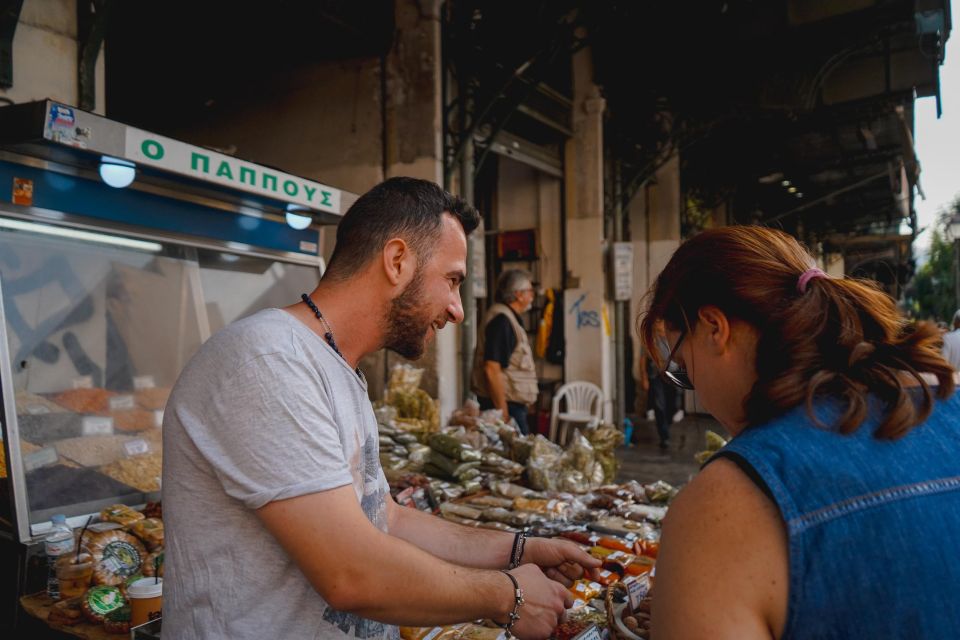
- Five Greek tasting experiences: Try cheese, charcuterie, barley rusks, olives, olive oil, honey, wine, tsipouro, and liqueurs.
- A working Athens market: Finish among locals shopping for meat, fish, fresh ingredients, and regional foods.
- Old food businesses: Visit delis, spice shops, and one of Greece’s oldest distilleries.
- Useful food guidance: Learn how Greek ingredients fit together and how to recognize familiar products during the rest of your trip.
- Small-group feel: An English-speaking guide leads the walk, and a date with only one booking may turn into a private experience.
- Good central value: At $49 per person for two hours, the tour is priced as a tasting introduction, not a full meal.
Meeting the guide near Athinas Street
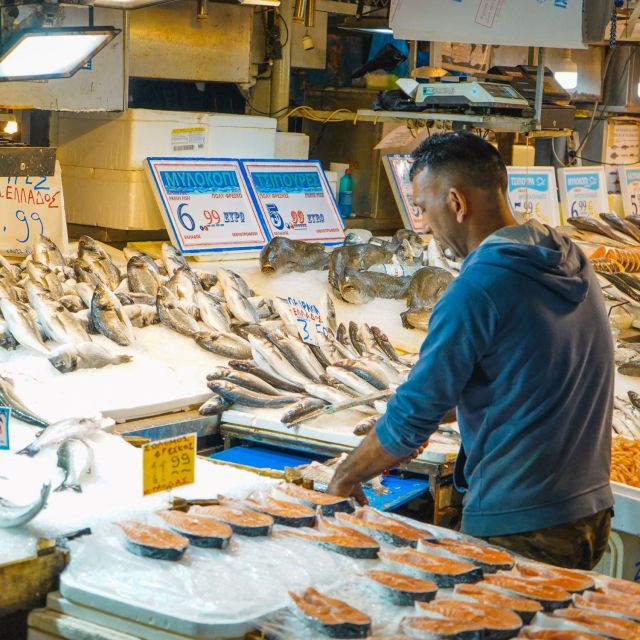
You meet in front of the Ethniki Trapeza bank at Athinas 38 and Evripidou Street. This puts you in central Athens, close to the food businesses and market streets that give the tour its character.
I suggest arriving with a little time to spare. The meeting point is a street address rather than a major landmark such as the Acropolis, so checking the location before you set out will make the start easier. Transfers are not included, and you make your own way to and from the meeting point.
The guide speaks English and leads the experience on foot. You will spend much of the time moving between shops, tasting counters, and market lanes, so comfortable shoes are sensible. There is no promise of a sit-down meal or a long break. Think of this as a guided walk with food stops.
You can also read our reviews of more food & drink experiences in Athens



Greek cheeses, cured meats, and Cretan barley rusks
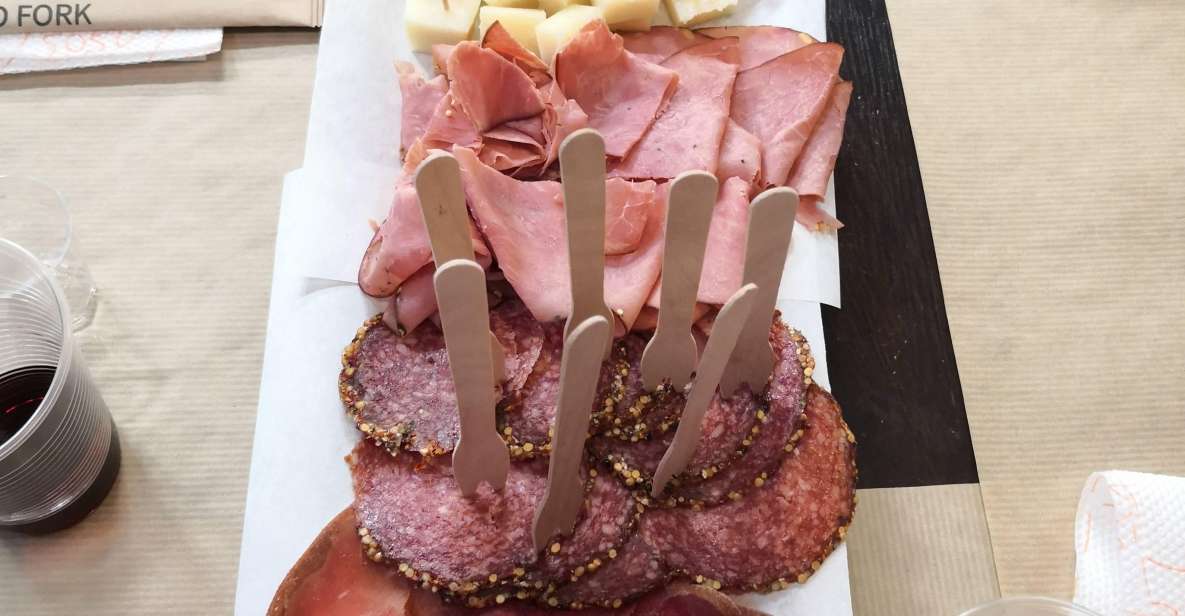
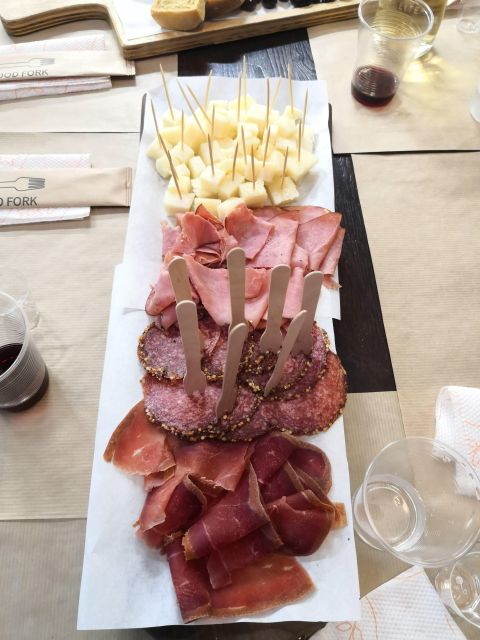
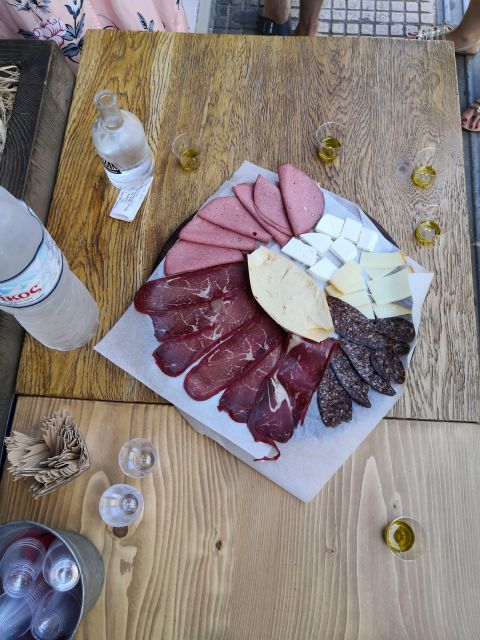
The first part introduces several foods that explain a lot about Greek eating. You sample Greek cheeses, artisanal cold cuts, and ntakos, the dry barley rusk associated with Crete.
Ntakos is not soft bread. It is firm, rustic, and made to be moistened or paired with other ingredients. Its sturdy texture helps you understand why Greek food often works through contrast: crisp and creamy, salty and sweet, fresh and preserved.
The cheese and charcuterie tasting is useful because Greek food is not limited to the familiar feta found on tourist menus. The exact varieties can vary, but the point is to taste products selected for quality and to learn how local dairy and cured meats fit into everyday meals.
I would not expect a large platter that replaces lunch. The tasting is spread across several parts of the walk, and the portions are meant to help you compare flavors. If you have a serious food allergy or follow a restricted diet, ask before booking. The available details do not promise substitutions.
Olive culture through oil and olives
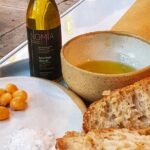
Greek olive oil is one of the tour’s central themes. You taste premium extra virgin olive oil along with olives, then pair the experience with other Greek foods and drinks.
This is valuable even if you already cook with olive oil. A tasting helps you pay attention to aroma, bitterness, pepperiness, and the way oil changes a simple bite. It also gives you a better basis for shopping later in Greece, where bottles can vary widely in price and presentation.
The tour focuses on flavor and food culture rather than a formal technical class. You should expect practical guidance from the guide, not laboratory-style scoring. The same applies to the olives: they are part of a broader picture of Greek agriculture and the everyday table.
I like this stop because olive oil is easy to treat as a background ingredient. Here, it becomes something you notice. You may leave with a clearer idea of what you enjoy, which is handy when choosing a bottle to take home.
Honey from several Greek regions
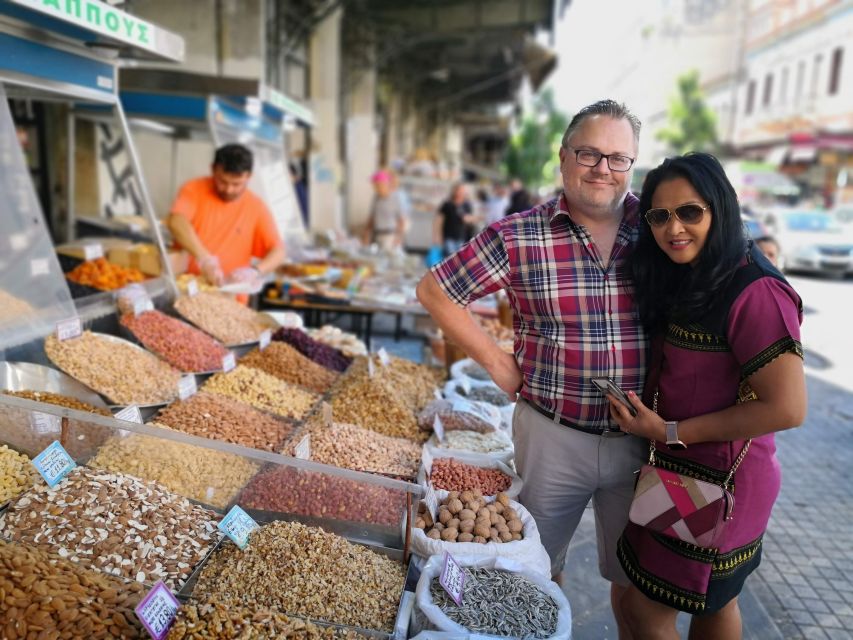
The honey tasting brings a different mood to the walk. You try several local honeys and honey-based products, each with its own regional character and natural sweetness.
Honey in Greece is not just a breakfast spread. It appears in sweets, pastries, sauces, and drinks, and different flowers and growing areas can shape its taste. Sampling more than one type lets you notice the difference between a mild honey and one with stronger herbal or earthy notes.
This is one of the more distinctive parts of the experience because it moves beyond the usual cheese and wine format. It also gives you a chance to ask the guide how honey is used in Greek cooking, though the supplied details do not promise a cooking demonstration.
The honey products can be a good souvenir idea, but remember that the tour price does not include purchases. You are tasting selected products, not receiving a shopping package. If you find a favorite, note its name or take a photo of the label before leaving the shop.
Greek wines, tsipouro, and Mastiha
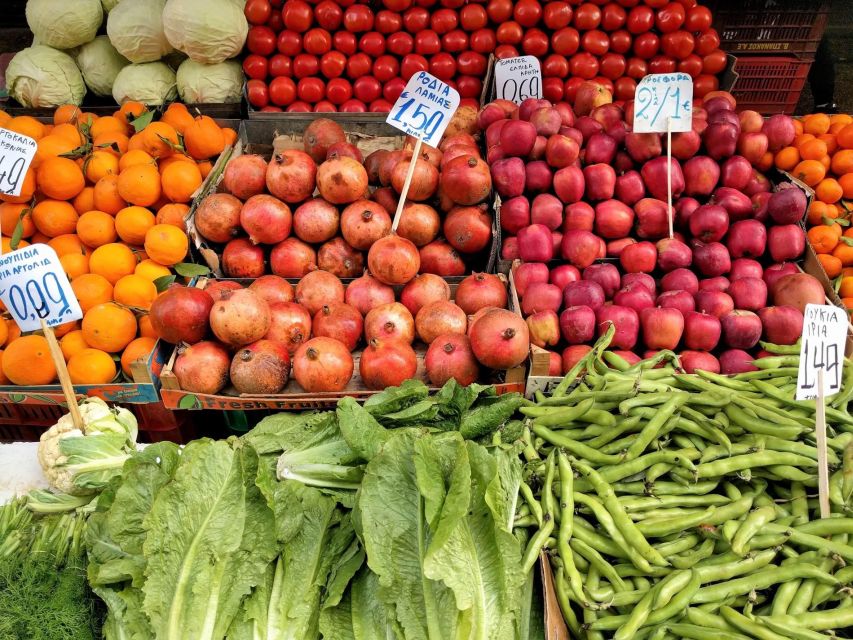
The drinks portion covers local white and red wines, tsipouro, and Greek liqueurs. You get a compact introduction to the country’s drinking traditions rather than a full winery visit.
The white and red wines are paired with the food tastings. That matters because a drink can taste quite different with salty cheese, cured meat, or sweet honey. The guide’s food tips help connect the flavors instead of treating each sample as an isolated sip.
Tsipouro is a traditional Greek spirit with a strong character. It is not the mildest drink on this route, so take small sips and do not feel obliged to rush. The inclusion of tsipouro gives the tour a more local focus than a standard wine tasting.
The liqueur stop takes place at one of Greece’s oldest distilleries. You sample several Greek liqueurs, including Mastiha, made with the distinctive flavor associated with the mastic tradition. Mastiha can be unfamiliar if your usual drinks are wine or beer, and that is part of the fun. It has a resinous, pine-like quality that makes it unlike most European liqueurs.
Because the tour includes several alcoholic drinks, plan sensibly. The activity lasts two hours and includes food, but it is still not a good fit if you want to avoid alcohol entirely. The description does not state that nonalcoholic replacements are available.
A few more Athens tours and experiences worth a look



Inside Athens’ Central Food Market
The walk concludes at the Central Food Market of Athens. This is where the experience shifts from tasting selected products to watching ordinary food shopping.
You see the meat and fish market areas, along with shops selling spices and other ingredients. One recent outing included a close look at the fish and meat sections and numerous spices, which shows the practical side of the visit. This is not a polished display created only for sightseeing. It is a place where people buy food.
The market adds context to everything you taste earlier. Cheese, meat, oil, honey, herbs, and spices are no longer abstract samples on a counter. You can see the kinds of ingredients that support Greek home cooking and restaurant kitchens.
The market can be noisy and crowded, depending on the time and day. That is part of its appeal, but it may not suit you if you prefer a quiet, slow-paced tasting. The tour runs rain or shine, and the market portion is not replaced by an indoor alternative if the weather turns bad.
Since the tour ends at the market, you may want to plan your next activity nearby. The provided details do not include a return transfer or a final meal. Ask the guide where the walk ends if you need to coordinate a reservation afterward.
How the two-hour pace affects the experience
Two hours is long enough to cover several food categories without taking half a day from your Athens sightseeing. I see this as the tour’s strongest practical feature for a first visit. You can fit it between major sights, then use what you learn when ordering meals later.
The tradeoff is pace. You are not spending an hour at every shop, and you will not get a long break between drinks and food. The experience works best when you enjoy moving through the city and sampling small portions.
At $49 per person, the value depends on how you use the tour. You are paying for a guide, multiple tastings, a distillery visit, and a market walk. Compared with buying five separate food experiences and finding the shops yourself, the price is reasonable, especially if you want interpretation rather than simple samples.
It is less compelling if your main goal is a large lunch. Food quantities are not specified, and the format is clearly a tasting workshop. You should plan another meal if you tend to eat heavily or want a long restaurant experience.
Group size and the personal feel
The experience uses a live English-speaking guide, but the exact group size is not stated. A small booking can make a real difference. When only one booking is made for a particular date and time, the walk may become a private session, giving you more freedom to ask questions and spend a little longer on a favorite subject.
That possibility is worth considering when choosing a time. It is not guaranteed, but a less popular departure may offer a more personal feel. At the same time, a larger group could mean less time for individual questions and a more fixed pace.
The guide’s role is important here. You are not only being led from one shop to another. You are learning how spices, honey, oil, cheese, meat, wine, and spirits connect to Greek food culture. The best use of your time is to ask specific questions: how an ingredient is served, what to look for in a shop, and which foods are worth seeking out during the rest of your stay.
Who should book this Athens food walk?
I would choose this tour for a first-time visitor who wants a quick orientation to Greek ingredients. It is also a good fit if you enjoy markets more than formal museums, or if you want a guided introduction before eating independently around Athens.
It suits couples and small groups who like tasting many things rather than ordering one large dish. The range is broad enough to keep the walk interesting: salty cheese, cured meat, barley rusk, olive oil, honey, wine, tsipouro, and Mastiha all bring different flavors.
I would be more cautious about booking it for young children or anyone who avoids alcohol, since wine, tsipouro, and liqueurs are part of the advertised tasting. It may also be a poor match for someone who wants a relaxed seated meal, a cooking class, or an in-depth market photography session.
You should also consider the weather. The activity goes ahead in rain or sunshine, and there are outdoor walking sections. Bring suitable clothing and expect the Central Market to feel like a working place rather than a quiet attraction.
Practical details before you reserve
The price is $49 per person, and the duration is two hours. Starting times depend on availability. You can cancel up to 24 hours before the activity for a full refund, and the reserve-now, pay-later option lets you hold a place without paying at once.
The tour is in English. Transfers are not included, and anything not specifically listed is your responsibility. That includes extra food, drinks, souvenirs, and transportation after the walk.
I would eat lightly beforehand, but I would not arrive extremely hungry. The tour includes five tasting experiences, yet the portions are not described as a full meal. Bring water, wear walking shoes, and leave room in your schedule for browsing or eating at the Central Market after the guided portion ends.
Should you book the Greek tasting workshop?
Book it if you want a compact, guided introduction to Greek food with real market context. The combination of old food shops, spice stores, a historic distillery, selected tastings, and the Central Market gives you more than a simple snack tour.
I especially like it for visitors who want practical food knowledge they can use immediately. You will leave with a better sense of Greek cheese, olive oil, honey, spirits, and market ingredients, plus a clearer idea of what to order or buy during the rest of your trip.
Skip it if you want a substantial meal, a quiet seated tasting, or a tour with no alcohol. For everyone else, $49 is a fair price for a focused two-hour experience, particularly if your booking becomes a small private session.
FAQ
Where does the Athens food tour meet?
The meeting point is in front of the Ethniki Trapeza bank at Athinas 38 and Evripidou Street.
How long does the activity last?
The tasting workshop and food market tour lasts two hours.
What language is the tour in?
The live guide speaks English.
What food will I taste?
The tastings include Greek cheeses, cured meats, Cretan barley rusks called ntakos, olives, extra virgin olive oil, local honeys, and honey-based products.
What drinks are included?
You taste local white and red wines, tsipouro, and Greek liqueurs including Mastiha.
Does the tour visit the Central Food Market?
Yes. The experience includes a visit to Athens’ Central Food Market, including its food shopping areas and spice shops.
Is transportation included?
No. Transfers are not included, so you must arrange your own transportation to the meeting point and after the tour.
Does the tour operate in bad weather?
Yes. The activity takes place rain or shine.
Can I cancel for a refund?
You can cancel up to 24 hours in advance for a full refund.
Do I have to pay when I book?
No. The reserve-now, pay-later option allows you to book without paying immediately.