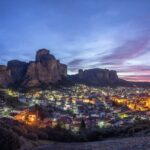
Meteora feels unreal before you even climb. This day trip from Athens mixes a scenic train ride with a small-group minivan that takes you up to the rock-top monasteries, plus a stop at the Hermit Caves.
What I like most is the small group size (up to 15), which makes it easier for your leader to manage timing and help you get good photos at the key overlooks. The main drawback is simple: it’s a long day with lots of walking and stairs, so you’ll need to go in ready for effort and a bit of a tight schedule at each monastery.
In This Review
- Key things to know before you go
- Meteora From Athens by Train: what you’re really paying for
- 7:00 AM Athens start and the train-to-Kalambaka rhythm
- Getting met in Kalambaka: where the guide actually shows up
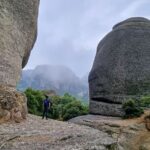
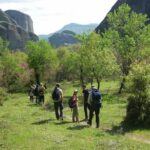
- Meteora’s Hermit Caves: a useful change of pace
- Kastraki break time: use the short window well
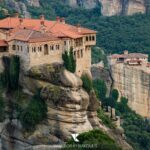
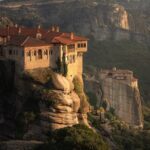
- The main event: six monasteries from outside, three inside
- The three monasteries you might enter
- Expect stairs and uneven cliff-side paths
- How long is this day, and what it feels like in real life
- Wi-Fi, chargers, and why small-group pacing matters
- Price and value: what’s included, what costs extra, and why it matters
- When this tour is a great fit (and when it won’t be)
- Should you book this Athens-to-Meteora day trip?
- FAQ
- How long is the Meteora day trip from Athens?
- What time does the tour start?
- What does the tour include for transportation?
- Are the monastery entrance fees included?
- Can I pay the monastery fees with a credit card?
- How many monasteries do we visit, and do we visit the interiors?
- Is lunch included in the price?
- Is Wi-Fi provided during the tour?
- Does the tour provide pickup from your accommodation in Athens?
- What if I don’t receive my train e-tickets by email?
Key things to know before you go
- Train first, then van: you trade driving stress for long, scenic riding time.
- Hermit Caves are included: it adds variety beyond just monasteries.
- Three monastery interiors, chosen by the day: you’ll get inside, not just photo stops.
- You’ll see all six monasteries from outside: even the ones you don’t enter still matter.
- Wi-Fi and USB chargers onboard: useful if you want to upload as you go.
- Cash is required for monastery fees: €5 per person, and credit cards won’t be accepted.
Meteora From Athens by Train: what you’re really paying for
At $126.71 per person, this isn’t a cheap “sit back and relax” excursion. You’re paying for the full chain: round-trip train between Athens and Kalambaka, Mercedes mini-bus transport locally, an English-speaking leader, and time organized around major Meteora viewpoints.
The value is strongest if you want Meteora in one day and you prefer having transportation handled. It also helps that you’re not doing this solo. Recent feedback keeps pointing to friendly, attentive guides (names like Kris, Joanna, Juliana, Chrissy, and Celia show up again and again) and drivers who help keep things moving.
The tradeoff is that Meteora is high up and historic. That means you don’t just “arrive and look.” You walk, you climb, and you spend time getting from one viewpoint to the next—then you do it all again for the return.
You can also read our reviews of more historical tours in Meteora
7:00 AM Athens start and the train-to-Kalambaka rhythm
This tour starts at 7:00 am. The key Athens station is Larissis, and the whole day depends on you being on the right train—your e-tickets arrive by email, and they’re also used for scanning during the trip.
One practical tip that kept popping up: platform details can matter. A recent traveler noted that the train left from platform 8 at Larissis and that it’s above the underground station. Also check your carriage and seat number, because it’s easy to end up in the wrong place when everyone is carrying the same kind of backpack.
Inside the train portion, the big win is that you’re not staring at a bus window all day. If you can, choose a seat that gives you clean views as the countryside rolls by. And yes, you’ll still be sitting a lot. That’s normal here, not a surprise.
Getting met in Kalambaka: where the guide actually shows up
You don’t meet your leader in Athens. The way this is set up is that you take the train first, then you meet the guide in Kalambaka.
In Kalambaka, expect a guide holding a signboard with your name. From there, you head toward the Meteora area and start the guided orientation—Christian architecture, how the monasteries grew, and why these rocks became a religious refuge. This part is where your leader can save you time later by pointing out what to notice before you start climbing.
I like this approach because it helps you avoid the classic Meteora problem: you get to the top, you see the big views, and then you realize you don’t know what you’re looking at. Here, you get that basic story early.
Meteora’s Hermit Caves: a useful change of pace
This trip includes a stop at the Hermit Caves. It’s one of those add-ons that makes the day feel more like a “Meteora story” rather than just a monastery checklist.
Even if you’re mostly there for the famous rock-top churches, the caves help break up the mental load. You shift from towering views and architecture to something more grounded—small, human-scale history that fits the theme of isolation and devotion in the area.
If you’re tempted to rush, don’t. This is the moment to slow down a bit and remember Meteora wasn’t only built for tourists. People lived and prayed here long before there were steps labeled with selfie spots.
Kastraki break time: use the short window well
There’s a Kastraki stop of about 20 minutes for lunch/break time, a quick food market visit, and coffee. That sounds short because it is short.
So treat it like this: grab something simple, use the toilet if you can, and be ready to move. If you try to turn it into a full sit-down lunch, you’ll feel rushed and stressed—and Meteora already has enough of that built in.
A few more Meteora tours and experiences worth a look
The main event: six monasteries from outside, three inside
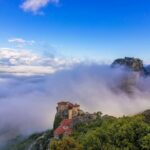
Meteora’s signature is that you’re surrounded by monasteries perched on cliff edges. The tour plan gives you a two-layer experience:
1) You see all six monasteries from outside.
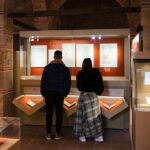
2) You visit three monastery interiors, depending on the day.
From a first-timer perspective, this is smart. You get the full “wow” of Meteora’s arrangement, then you still get real access by going inside some of the churches.
The three monasteries you might enter
Your interior visits rotate based on the arrival day. Here are the options you could get:
- Great Meteoron: described as the oldest and biggest.
- Varlaam: the second biggest.
- Saint Stephens: known as the most accessible monastery.
- Holy Trinity: the most difficult accessible one, and linked to a James Bond film location.
- Roussanou: an easy accessible monastery.
- Saint Nicholas: noted for important iconography and typically the first one you meet on the way up.
I like having options like Saint Stephens and Roussanou listed as more accessible because your legs will appreciate knowing there’s a less punishing route among the choices. If you’re traveling with anyone who moves slowly, you’ll want to take advantage of that information.
Expect stairs and uneven cliff-side paths
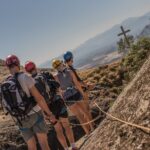
The monasteries are literally built on rock. That means stairs, steep sections, and uneven footing are part of the deal.
One of the most honest pieces of advice from past experiences: if you aren’t ready for a long day of walking and climbing, you’ll feel it. Wear shoes with grip. Take your time on narrow paths. And remember that photo stops often require repositioning and climbing again right after you think you’re done.
How long is this day, and what it feels like in real life
This is an approximately 14-hour outing. In plain terms, you’re committing almost the entire day—especially if you’re starting in Athens and returning late morning or early afternoon.
What makes the time feel heavier is the mix of:
- long train sitting
- local minivan/van rides
- short bursts of walking
- and then the real workout: steep stairs and cliff-side access
Some people loved it and said the day was well managed, with enough time at each stop to actually enjoy it. Others felt the ratio wasn’t right—more transit than monastery time, and limited detail inside each church.
So here’s the best way to set expectations: think of this as a high-impact overview. You’ll leave with a strong sense of Meteora and memorable views. If you want slow wandering and deep reading in every chapel, you may feel the day is too compressed.
Wi-Fi, chargers, and why small-group pacing matters
One practical perk that I genuinely appreciate: Wi-Fi and USB chargers are provided on the tour transport. That means you can upload photos during the ride instead of waiting until you’re back in your hotel with a dead battery.
The small group (max 15) also affects your experience in real ways:
- you’re less likely to get lost in crowds
- your leader can help you keep track of timing
- you get more “heads up” for what’s coming next
In recent feedback, people repeatedly praised the guides for their friendliness and the way they handled photo moments. Names like Chrysa and Joanna show up with comments about strong storytelling and making sure everyone stayed on track.
Price and value: what’s included, what costs extra, and why it matters
Let’s make the money math clear.
Included:
- Round-trip train Athens–Kalambaka–Athens (e-tickets sent by email)
- Mercedes luxury mini-bus transportation
- Bottled water
- Local English-speaking tour leader
- See all six monasteries from outside
- Visit three monasteries (interiors)
- Hermit Caves
- Wi-Fi and USB chargers onboard
Not included:
- Monastery entrance fees: €5.00 per person
- Lunch
- Gratuities (optional)
Also important: credit cards are not accepted for the monastery entrance fees. You’ll want cash ready.
Is $126.71 worth it? I think it’s fair if you value organization and you don’t want to manage train schedules and local transport yourself. You’re getting multiple elements bundled together, and the day stays structured.
It’s less compelling if your main goal is maximum time inside each monastery. In that case, spending more days in the area may end up feeling better on the ground—even if the total cost rises.
When this tour is a great fit (and when it won’t be)
This works best if you:
- want a one-day Meteora hit from Athens
- like photo stops but also want to actually go inside some monasteries
- prefer having transport and timing handled
- don’t mind a long day with lots of stairs
It’s not ideal if you:
- want a relaxed, no-rush pace
- get worn out quickly by steep climbing and uneven paths
- feel upset by disruption risk (a few travelers shared that train issues or reroutes can happen, and the plan can shift to bus segments)
One more real-world warning: make sure you read the communication carefully and understand where the guide meets you. A past traveler reported confusion because they expected someone at the Athens train, but the meeting happened later in Kalambaka. Your safest bet is to assume you’ll be on your own for the Athens-to-Kalambaka train portion.
Should you book this Athens-to-Meteora day trip?
Yes, if you’re the kind of traveler who’s happy to trade comfort time for big sights. The train approach plus a small-group Meteora day can feel efficient when the monasteries are your priority and you like moving through a site with a clear plan.
Also, treat this as a weather-dependent experience. The operator notes that it requires good weather, and you’ll be offered a different date or a full refund if it’s canceled due to poor conditions.
Before you book, do three quick checks:
- Are you comfortable with a long day and stair-heavy walking?
- Do you plan to carry cash for €5 monastery fees?
- Can you commit to being on the correct train in Athens at the right time?
If you can say yes to those, you’ll likely feel like Meteora was worth the journey.
FAQ
How long is the Meteora day trip from Athens?
The trip is approximately 14 hours.
What time does the tour start?
The start time is 7:00 am.
What does the tour include for transportation?
It includes round-trip train tickets from Athens to Kalambaka, plus luxury mini-bus transportation by Mercedes locally.
Are the monastery entrance fees included?
No. Monastery entrance fees are €5.00 per person and are not included.
Can I pay the monastery fees with a credit card?
No. Credit cards are not accepted for paying the monasteries’ entrance fees, so you should bring cash.
How many monasteries do we visit, and do we visit the interiors?
You will see all six monasteries from the outside and visit three monasteries for interior visits, depending on the day.
Is lunch included in the price?
Lunch is not included. There is a short break for lunch/coffee/food market time.
Is Wi-Fi provided during the tour?
Yes. Wi-Fi and USB chargers are provided on board the tour transport.
Does the tour provide pickup from your accommodation in Athens?
No. Pickup and drop-off from accommodation in Athens is not included.
What if I don’t receive my train e-tickets by email?
If you haven’t received your train tickets, you should contact the provider, because you won’t be able to travel by train without them.