REVIEW · ATHENS
Kifissia Stargazing & Astrophotography
Book on Viator →Operated by Stargazing by Aegean Astronomy Club · Bookable on Viator
Greek myths meet real starlight in Kifissia. I love the way Panos turns constellations into Greek stories you can actually spot, and I love the astrophotography guidance that helps you leave with a personal souvenir from the night sky. One thing to consider: the whole show depends on clear, dark skies, so weather can change the plan.
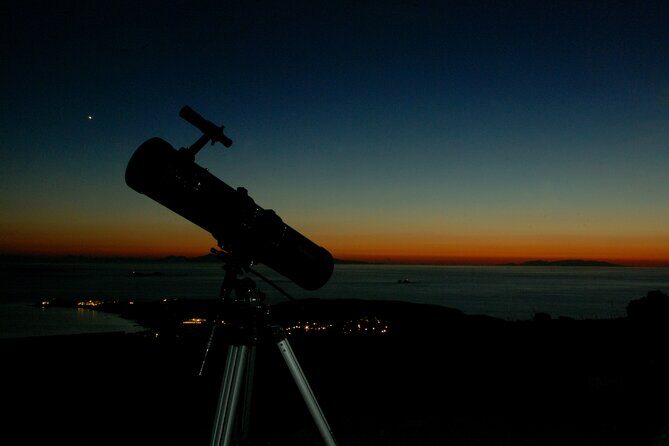
This Athens-area session is set up at Alsos Ktimatos Siggrou, where the view feels quiet and properly night-dark, and where you’ll use an ACC telescope to bring the moon and planets closer. The format is also refreshingly structured: short lessons first, then sky time, then practical photography tips.
You’ll start at Leof. Kifisias 182 in Marousi and end back there, with a mobile ticket and a private setup for just your group. Also plan ahead: it’s commonly booked about 33 days in advance, and confirmation happens within 48 hours of booking when availability allows.
In This Review
- Quick hits before you go
- Where Kifissia stargazing fits into Athens plans
- Alsos Ktimatos Siggrou: the practical setup point
- The first lesson: from constellations to Greek sky stories
- The mind-bending middle: philosophical astronomy that clicks
- Telescope time: the moon and Saturn rings
- Photography section: turning tips into a real souvenir
- Price and value: what $102.13 buys you
- Group setup and pacing: private and adjustable
- What I’d consider before booking
- Who this tour suits best
- Should you book Kifissia Stargazing & Astrophotography?
- FAQ
- How long is Kifissia Stargazing & Astrophotography?
- Where does the experience start and end?
- What language is the tour offered in?
- Is this a private experience?
- What will we do during the session?
- What kind of telescope is used?
- Is it weather dependent, and what happens if the weather is poor?
- Can I cancel for free?
Quick hits before you go
- Greek mythology meets constellation spotting so the sky feels meaningful, not just scientific.
- ACC telescope time aimed at standout targets like the moon and Saturn’s rings.
- Three-part flow: observational astronomy, philosophical sky questions, then photography tips.
- Panos’s storytelling style makes quick learning feel easy.
- Designed for real questions, with time to ask and get patient answers.
Where Kifissia stargazing fits into Athens plans
Athens is busy by day, but at night the city shifts into something calmer if you go just a bit out of the brightest zones. This experience is a smart add-on because it’s short—about 1 hour 30 minutes—and it’s focused on one mission: helping you see (and photograph) the sky.
I like that it doesn’t try to cover everything in astronomy. Instead, it teaches you how to orient yourself to the stars, then shows you what to look for through a telescope, then gives you tips to capture what you saw.
You can also read our reviews of more tours and experiences in Athens.
Alsos Ktimatos Siggrou: the practical setup point
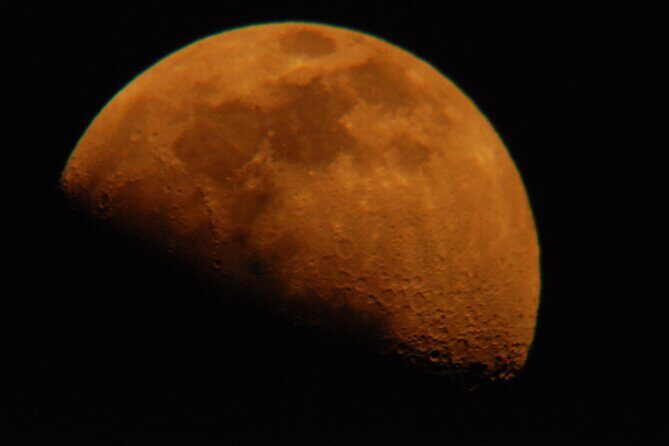
Your session happens at Alsos Ktimatos Siggrou, and that matters more than it sounds. A good stargazing location is mostly about darkness and sky visibility, and this spot is described as peaceful and dark enough to make the sky pop, including views down toward the water.
You meet at Leof. Kifisias 182, Marousi (145 62). The experience ends back at the meeting point, which keeps the night simple—no extra transfers, no mystery drop-offs.
One small practical note: since this is a night activity, you’ll want a plan for getting to Marousi/Kifissia on time. The guide has shown flexibility when taxis ran late, but it’s still worth building in buffer time.
The first lesson: from constellations to Greek sky stories
The session starts with an introduction that blends observational astronomy and ancient mythology. You’re not just hearing facts. You’re getting a way to connect the sky to symbols people once used to navigate ideas, seasons, and meaning.
You’ll hear a quick history of astronomy and how ancient civilizations read the heavens. Then the focus tightens to officially recognized constellations and how they link to Greek mythology stories. This is the part where “stargazing” turns from watching dots into learning a map.
You also get guided orientation: you’re helped to position yourself according to the stars—so you’re not standing there waiting for the sky to magically organize itself.
The mind-bending middle: philosophical astronomy that clicks
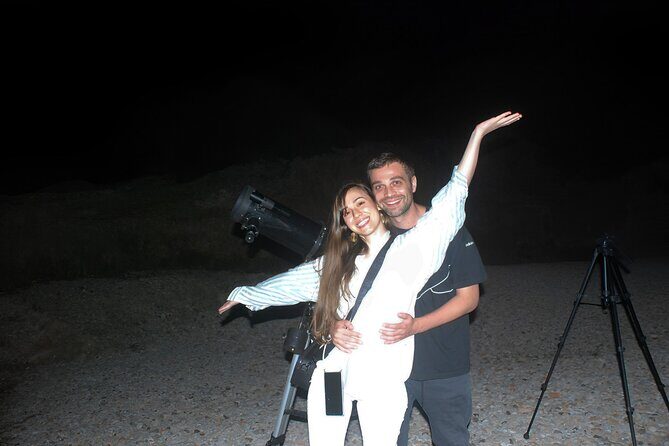
In the second thematic section, the talk shifts into the kind of questions that make your brain sit up. It’s philosophical astronomy, with mind-bending facts and big mysteries that go beyond memorizing names.
This is valuable because it explains why astronomy feels different from, say, reading about planets in a textbook. The night sky is the same for everyone, but your understanding changes based on how you frame it. Here, you get a few framing ideas that turn the stars into a conversation.
If you like asking questions, this section is a good time for it. I’d also expect you to feel more confident in the dark after it, because you’re learning how to think like an observer, not just a watcher.
Telescope time: the moon and Saturn rings
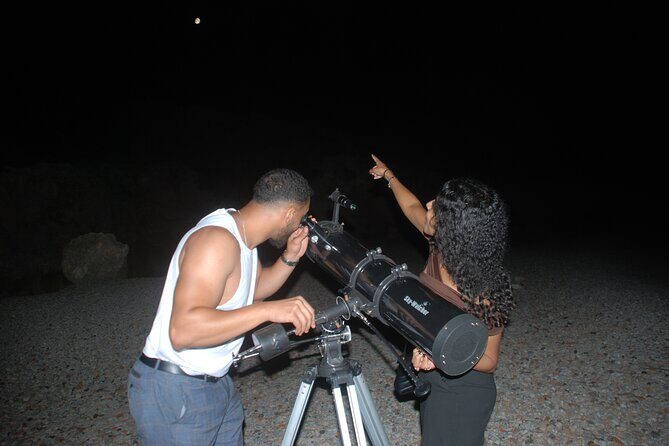
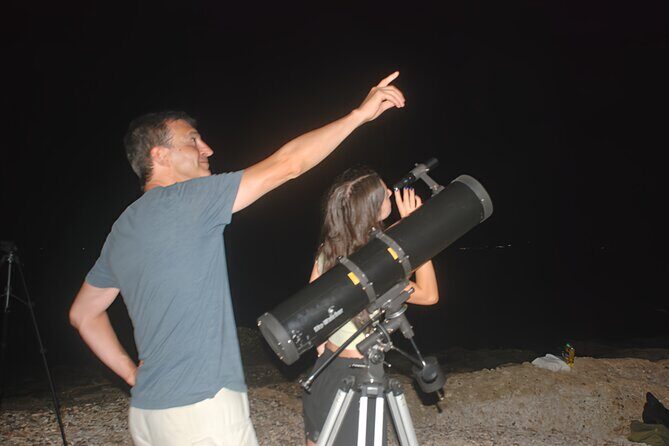
Then comes the part most people hope for: telescope viewing with an ACC telescope. This isn’t random “look through and hope” time. The whole session is organized so the viewing connects back to what you learned earlier.
The highlights are exactly what you’d want on a first night of real telescope observing. You’ll get views of the moon, and you may also get one of the best beginner telescope targets in the sky: Saturn’s rings.
Seeing rings through a scope is a different experience than seeing a picture online. It has that wow factor, but it also teaches you something technical: how small angular details can become clear when your viewing setup and conditions are right.
And yes, you’ll probably spend a lot of time there. One of the standout points from past guests is how the guide patiently helps you find what you’re looking at and keeps the session moving at your pace.
- All Day Cruise -3 Islands to Agistri,Moni, Aegina with lunch and drinks included
★ 5.0 · 4,958 reviews




Photography section: turning tips into a real souvenir
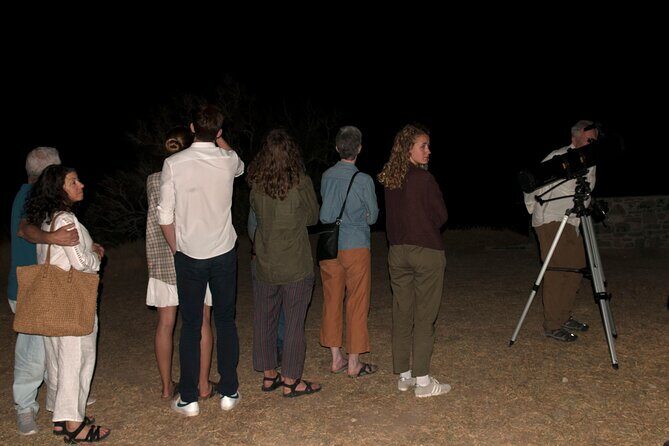
The final part is about photography—not generic, but practical tips and techniques for astrophotography. The goal is to help you capture images that feel like a real memory of that specific night, not just a blurry attempt.
What’s helpful here is that the photography talk happens after you already know what you’re aiming at. You’re not fumbling with camera settings while also trying to locate your target. By the time you get the tips, you can focus on composition, timing, and what to try when the sky has its moments.
Even if you’re not a serious astrophotographer, you can still use this portion. Think of it as learning how to improve your odds, how to experiment responsibly, and how to leave with a personal souvenir from the Aegean starry night atmosphere.
If you plan to shoot, bring whatever device you’re comfortable using, and be ready to follow the guide’s advice during the session. Since the plan includes telescope viewing, you’ll likely want your camera or phone ready when the big targets come into view.
Price and value: what $102.13 buys you
At $102.13 per person for about 90 minutes, this isn’t a cheap “walk and look” activity. It is, however, good value for a specialized night experience.
Here’s what you’re paying for in real terms:
- A guided, structured astronomy lesson broken into three sections.
- Telescope viewing with an ACC telescope (not just advice from a distance).
- Astrophotography coaching so you can try to capture what you see.
- A guide who brings Greek mythology storytelling into the astronomy, which keeps attention high.
If you’re the type of traveler who likes learning while doing, this price can make sense fast. You’re not buying a long museum lecture. You’re buying a night that turns into an actual experience: teaching, viewing, and photographing all in one tight timeframe.
Also, it’s booked ahead often enough that you should plan your schedule early if your travel dates are fixed. That’s a good sign for a niche activity like this.
Group setup and pacing: private and adjustable
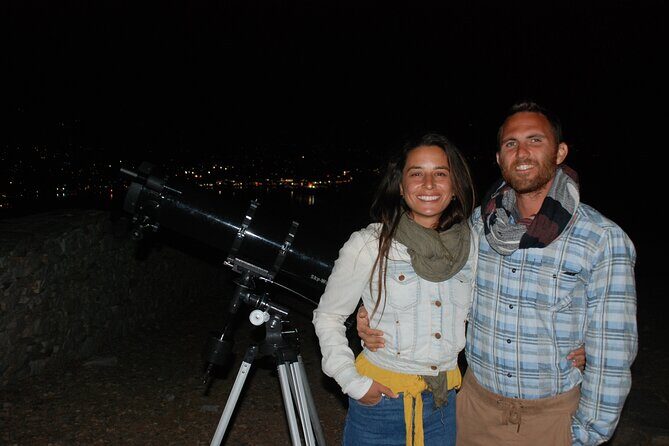
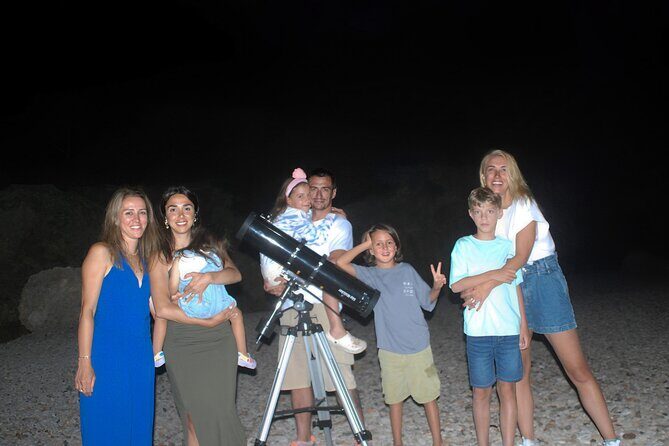
This is a private tour/activity, meaning only your group participates. That’s a quiet advantage for stargazing. Less noise, fewer distractions, and more room for questions.
The pacing also seems designed to handle real-life issues. When someone’s taxi timing got messy, the host was flexible and patient, which matters because night events run on a narrow window of good conditions. If you’re traveling with someone who gets anxious in the dark or has lots of questions, this format can feel more comfortable than crowded group stargazing.
What I’d consider before booking
The biggest consideration is weather. This experience requires good weather, and if conditions aren’t right, it’ll be rescheduled or refunded in full. That’s not a deal-breaker, but it means you should avoid packing it as your only night plan with zero flexibility.
The second consideration is time. With about 90 minutes, you’ll learn a lot, but you won’t have an all-night marathon. If you want to spend hours experimenting with astrophotography settings, you might find this shorter than your ideal. Still, for a first Athens-area stargazing session, it’s a solid length.
Finally, make sure you can handle a night start in Marousi/Kifissia. The meeting point is in that area, and getting there smoothly is part of the success of the plan.
Who this tour suits best
This is a great fit if you:
- Want a guided Athens astronomy experience that mixes myth + science.
- Prefer learning with a telescope instead of relying on apps or daytime explanations.
- Want real astrophotography tips during the same night you’re viewing.
- Like hosts who take time with questions and adjust when travel logistics get messy.
It’s also a strong option for couples and gift moments. One memorable use case was a birthday surprise where the guide helped someone find Saturn’s rings through the scope, turning the night into an actual moment, not just a fun activity.
Should you book Kifissia Stargazing & Astrophotography?
If you want one night in Athens that feels genuinely different from the usual ruins-and-museums loop, I’d book this. The value comes from combining a guided astronomy story, telescope viewing of standout targets, and photography coaching in a tight 90-minute window.
Just be honest with yourself about the weather dependency. If you can accept a date change when skies don’t cooperate, this is the kind of night activity that turns into a story you’ll keep.
If your schedule is flexible enough, this is a smart, memorable choice for an Athens-area night sky experience.
FAQ
How long is Kifissia Stargazing & Astrophotography?
The experience lasts about 1 hour 30 minutes.
Where does the experience start and end?
You meet at Leof. Kifisias 182, Marousi 145 62, Greece, and the activity ends back at the meeting point.
What language is the tour offered in?
It’s offered in English.
Is this a private experience?
Yes. It’s a private tour/activity, so only your group participates.
What will we do during the session?
You’ll cover an introduction to observational astronomy, a philosophical astronomy section with big questions, and then photography tips for astrophotography, using the telescope during the viewing.
What kind of telescope is used?
The experience uses the ACC telescope.
Is it weather dependent, and what happens if the weather is poor?
Yes, it requires good weather. If it’s canceled due to poor weather, you’ll be offered a different date or a full refund.
Can I cancel for free?
Yes. You can cancel for a full refund up to 24 hours in advance of the experience’s start time.