REVIEW · ATHENS
Marathon, Thermopylae, Thebes/Plataea, Herodotus Private Tour 10h
Book on Viator →Operated by GREECE TAXI · Bookable on Viator
Persian Wars, handled in one long day. This private, English-guided day links Marathon, Thermopylae, Thebes, and Plataea in a way that’s hard to stitch together on your own—especially with pickup and a driver who sets context as you travel. I like how it leans on the big moments you’ve heard about, then grounds them in the places you can still stand on.
What I especially like is the hotel-to-hotel convenience and the way your guide uses books, maps, and audio/documentary-style materials to connect the dots. I also love that you’re not just sightseeing stops; you’re getting story-and-scene context from guides such as Christos Exarchopoulos, Nikós, Nikoláos, and Phílippí (names that come up often), which makes the day feel coherent even when it’s fast.
One drawback to plan for: this is a driving-heavy, battlefield-focused day. You’ll spend lots of time in the car, some paid museums have their own hours (notably closures on Tuesdays), and at Thermopylae you may end up crossing a busy road area to reach viewpoints—use caution and keep a steady pace.
In This Review
- Key things that make this tour worth your time
- A Persian Wars road trip from Athens at 7:30am
- Marathon Tomb: the battlefield you can feel in the ground
- Schinias: a calm coastal break after the morning’s intensity
- Archaeological Museum of Marathon: focused, not overwhelming
- Leoforos Marathonos and Lake Marathon: two modern links to ancient names
- Thermopylae battlefield: the narrow pass that changed everything
- Thermopylae Museum and Loutra Thermopilon: the story gets interactive
- Thebes Museum: Boeotia’s wide time range in one building
- Plataea battlefield and the road via Cithaeron and Eleutherai
- Time, tickets, and why this day moves quickly
- Price and value for a private driver with battlefield context
- Who should book this Marathon–Thermopylae–Plataea day?
- Should you book this tour or not?
- FAQ
- What time does the tour start?
- How long is the tour?
- Does the price include entrance fees to museums and sites?
- Are any museums closed on specific days?
- Where does pickup happen?
- Is there an extra charge if I’m farther from central Athens?
- What vehicle sizes are available for private tours?
- Can I extend the tour if we want more time?
- Is free cancellation available?
Key things that make this tour worth your time
- 7:30am start with hotel pickup keeps the logistics painless and buys you more comfortable daylight.
- Battlefields + museums in one loop: Marathon → Thermopylae → Thebes → Plataea.
- Guide media on the road (maps/books/audio and documentary-style history context) helps the names make sense.
- Small ticket fees at a few key sites while many stops are free to enter.
- Private-by-design routing means only your group rides in the car, not mixed crowds.
A Persian Wars road trip from Athens at 7:30am
This is a classic “see the key sites before the day gets hot” kind of tour. It starts at 7:30am, and if you’re visiting in summer, you’ll be happier going earlier when you can. The early start matters because you’re doing a big geographic loop north of Athens, and the day is measured in miles as much as in minutes.
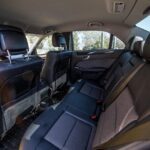
The payoff is that you don’t burn time figuring out transport. Pickup works from your Athens hotel/apartment in the center area (up to about 7 km), and you get drop-off back to the same area after your ~10-hour day. The vehicle is air-conditioned and kept clean, and parking/fuel/tolls are covered, so you don’t get hit with random “local extras” for the drive itself.
Because it’s private, your day can breathe a bit more than group tours. The vehicle size depends on your group: a Sedan (up to 3 adults or a family of 4), Minivan (up to 7 people), or Minibus (up to 14). Kids up to 11 ride free (as stated by the operator’s rules), which can make the per-person value better for families.
You can also read our reviews of more private tours in Athens


Marathon Tomb: the battlefield you can feel in the ground
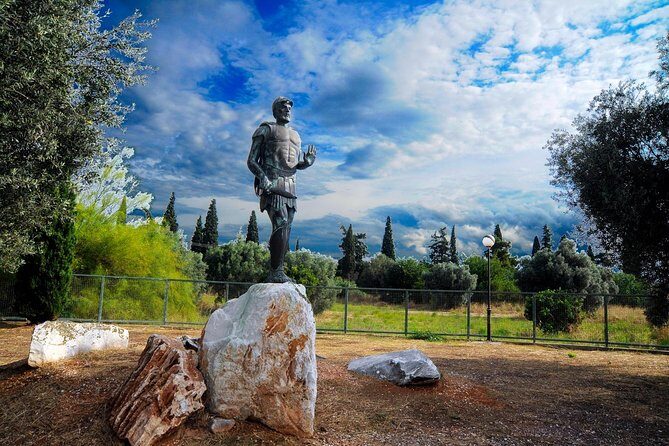
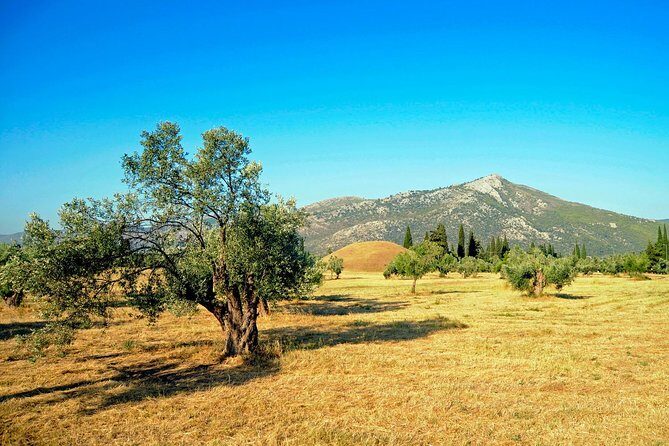
Marathon is the name that carries the myth, but the best part is how physical it is. You start with the Marathon Tomb, a burial mound area about 1 km west of Marathon beach. The mound is roughly 10 meters high, and standing there helps you understand why this location has meaning beyond dates.
Entry is not included, but the ticket is straightforward: 5€ standard and 3€ reduced. Plan about 20 minutes at this stop. What makes it worthwhile is not “stuff to look at,” but place-based storytelling. Even if you’re not a deep-dive classics person, the site gives you a concrete setting for the conflict.
One practical note: this tour is built around short site visits. That’s not a bad thing here. For a battlefield day, “more stops” beats “one stop for two hours,” as long as you’re okay with moving and listening while you go.
Schinias: a calm coastal break after the morning’s intensity
Next you’ll head to Schinias, a coastal area about 40 km northeast of Athens. This is a change of pace: the “battlefields” vibe relaxes into something more like a coastal walk and a reset for your legs.
It’s short—about 15 minutes—and the stop is free. It’s also a nice timing buffer because it helps split up the day before the museum part of the schedule.
If you’re the type who likes quick photo breaks, Schinias is where you’ll likely get them without feeling rushed. Just remember the day is still long, so use the time for a quick breather rather than a long beach detour.
Archaeological Museum of Marathon: focused, not overwhelming

The Archaeological Museum of Marathon is a smart move because it stays local. It’s about 5 km from Marathon bay, and it covers finds across different periods. You’re looking for local discoveries, including items described as Neolithic pottery from the Cave of Pan and finds associated with the Tomb of the Athenians.
This museum stop is around 20 minutes, and unlike some others, admission is included. There’s one schedule detail to watch: the museum is closed every Tuesday. If your travel dates land on a Tuesday, your guide may need to adjust the day’s timing or rely more on other sites that are open.
What makes this museum feel valuable (even in a short visit) is that it doesn’t try to be everything. It gives you enough objects and context to connect the battlefield morning to what people were actually leaving behind over time.
Leoforos Marathonos and Lake Marathon: two modern links to ancient names
Then the tour shifts to something that connects Marathon to modern Greece. You’ll stop at Leoforos Marathonos, which ties into the idea of the Athens Marathon route. The start is in Marathon modern town, and the finish is at Athens Olympic Stadium, described as the birthplace of the modern Olympic Games. It’s brief (about 15 minutes) and free.
After that, you pass by Lake Marathon, a reservoir linked to the Marathon Dam. It was said to be Athens’ primary water supply from 1931 to 1959, after which water from Lake Yliki became available. This isn’t “monument sightseeing,” but it’s a useful reminder that ancient-named places kept shaping daily life long after the battles were history.
This pairing—Olympic-era place name plus water-supply reality—helps you understand how geography keeps reappearing in different forms. Ancient routes still matter; they just get new jobs.
- All Day Cruise -3 Islands to Agistri,Moni, Aegina with lunch and drinks included
★ 5.0 · 4,958 reviews



Thermopylae battlefield: the narrow pass that changed everything
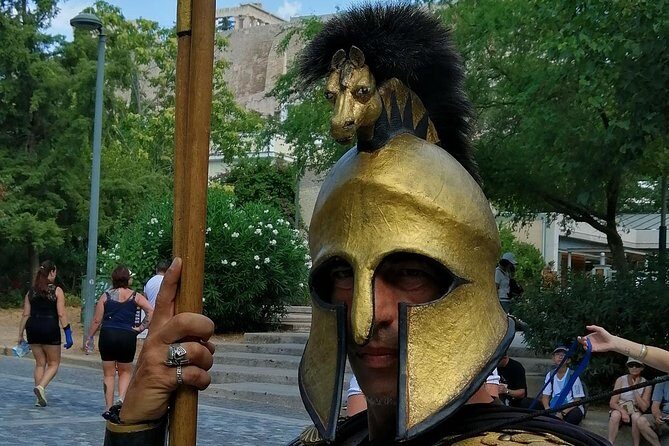
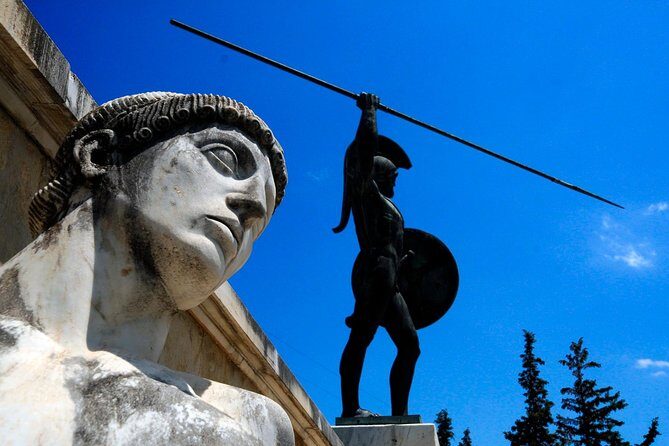
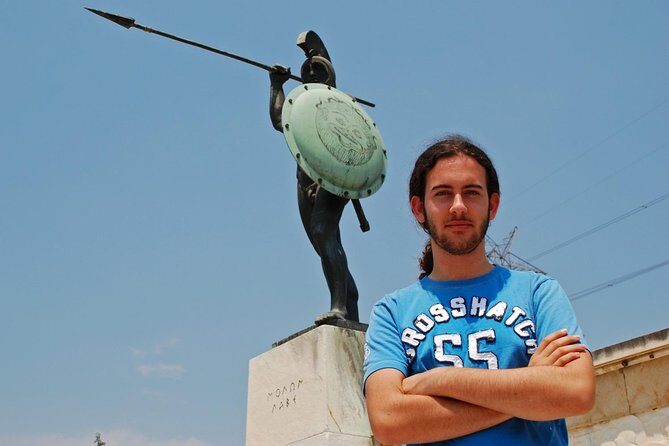
Thermopylae is the big emotional stop, even if you know the story already. You’ll visit the Battlefield of Thermopylae, where Greek forces (notably the Spartans) fought the invading Persian forces. The stop includes the famous commemorating line attributed to Simonides, and the tour framing emphasizes why this place matters: the passage runs north-to-south along the east coast and funnels movement, so battles can happen there repeatedly.
This stop is free and about 30 minutes. Give yourself permission to slow down even if your guide keeps you moving. Battlefield interpretation clicks when you take a few moments to scan the terrain and imagine movement.
Safety is worth mentioning because of the physical layout. One caution that shows up in real-world visits: you may have to cross a busy road area to get to certain viewpoints. Keep a close eye on traffic flow, and don’t rush it.
Thermopylae Museum and Loutra Thermopilon: the story gets interactive
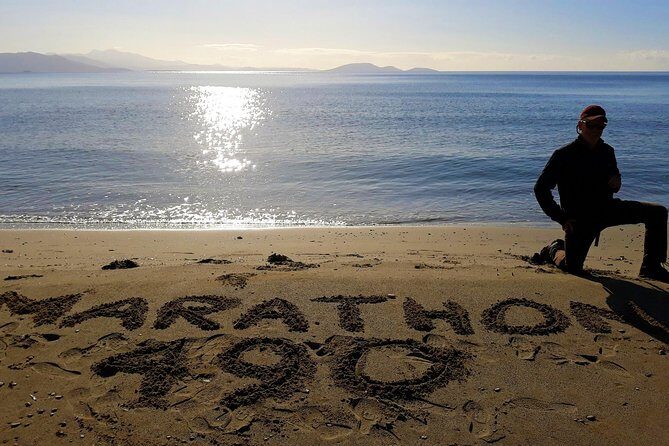
After the battlefield, you’ll head next door to the Thermopylae Museum, located near the monument of Leonidas in the historic Thermopylae area. This museum is described as interactive and dedicated to the 480 BC battle.
Admission is not included, and the ticket is listed as 3€ (with a 1€ discount option). Time here is about 30 minutes.
Then you’ll stop at Loutra Thermopilon, described as the baths of Thermopylae and associated with the Hot Gates idea. This is marked free and about 15 minutes. It also helps with pacing: after museum concentration, it’s nice to step away and absorb the setting again.
Even if you’re not into myth references, Loutra Thermopilon adds texture. You’ll see how ancient stories survived in place names and why “legend geography” stays sticky.
Thebes Museum: Boeotia’s wide time range in one building
Next comes a cultural pivot: the Archaeological Museum of Thebes. The tour drives via Thebes and gives you about 1 hour, with admission not included.
The museum is described as one of Greece’s important museums, with collections that are rare or unique. It covers excavations around Boeotia, spanning a long chronology—from Palaeolithic to Post Byzantine.
Tickets are listed as:
- 10€ general/summer
- 5€ reduced/winter
Important schedule note again: the museum is closed every Tuesday. If you’re going on Tuesday, expect the day to feel different. You’ll still get the battlefield portions, but museum coverage may shift.
This stop is a good choice for people who want context beyond “the Persian Wars.” The battlefronts you see later in the day don’t exist in a vacuum; this museum reminds you that the region’s story goes way beyond one conflict.
Plataea battlefield and the road via Cithaeron and Eleutherai
The tour finishes with Plataea, stepping you back to 479 BC. Like Thermopylae, the focus is the battlefield setting. You’ll spend about 30 minutes at the battlefields in Plataea, and you’ll also see Gargathia spring, described as the place marking the beginning of the battle.
This stop is free. It’s a useful closing act because it shifts your attention from “famous pass” to “final push” energy.
On the drive back, you’ll pass near Mount Cithaeron and Eleutherai along the old Athens–Thebes National Road. The tour route includes place-based stories such as Eleutherai being linked (in legend) to the birthplace of Dionysus and later shifting influence toward Athens. You’ll also pass by Elefsina (seaside) and follow the coastal road back to Athens.
These drive sections matter because they turn the day from a list of names into a map of connections. You’ll start recognizing how geography shapes politics, defense, and movement.
Time, tickets, and why this day moves quickly
The itinerary is intentionally tight. Many stops are around 15–30 minutes, with two longer breaks for museums (Thebes Museum about 1 hour, and the rest mostly shorter).
Here’s the practical ticket reality:
- Marathon Tomb: ticket not included (5€ or 3€ reduced)
- Archaeological Museum of Marathon: included
- Thermopylae Museum: ticket not included (3€, discount 1€)
- Thebes Museum: ticket not included (10€ / 5€, season-based)
- Battlefields and several scenic stops: marked free in the tour description
So, yes, you’ll pay some entries, but you’re not paying every single stop. The operator also states a broader estimate for entrances tied to Marathon, Thermopylae, and Thebes depending on winter/summer, listed with numbers that suggest you should budget roughly in the teens to low-20s in euros per person depending on season. The good news: many stops are free, so you’re not stacking costs non-stop.
Don’t forget a small additional note: gratuities are listed as 1€ per person. If you want a smoother day, plan to pack a little cash just in case.
Finally, remember that this is a battlefields-and-scenery drive, with “few ancient ruins to see.” That’s not a disadvantage if your goal is to walk the ground and understand movement and tactics. If you want lots of standing temples and ruins up close, you might feel the day is more about interpretation than archaeology.
Price and value for a private driver with battlefield context
At $331.32 per person for about 10 hours, the value is all about what you’re buying: private ground time, not just transportation.
You’re getting:
- Round-trip pickup/drop-off from your Athens area location (with a noted extra charge for pickup beyond the center)
- Air-conditioned, clean car
- Fuel, parking, toll roads covered
- A guide/driver who provides books, maps, and audio/documentary-style history context while traveling
- A route that hits multiple landmark battle sites north of Athens without you figuring out train lines or rental logistics
Entrance fees aren’t included for some key museums and the Marathon Tomb, so that’s the main “extra” cost. But the rest of the value is built into the structure: it’s the combination of battlefield walking + museum context + travel-time interpretation.
Also, private touring matters on this particular route because spacing is everything. Marathon, Thermopylae, and Thebes aren’t quick subway transfers. The driver keeps the timing workable, and the guide’s in-car storytelling helps you stay oriented when the day becomes a blur of place names.
Who should book this Marathon–Thermopylae–Plataea day?
This fits best if you:
- love the Greco-Persian Wars and want to see the ground where major events happened
- want a historian-style narrative delivered while you drive (not only at the sites)
- prefer private comfort over crowd schedules
- appreciate museums that are focused on local finds and regional archaeology
It might not fit as well if you:
- want a slow-paced ruins-and-cafés day
- dislike early starts and long stretches in a car
- are traveling on a Tuesday and were counting on museum time at Marathon or Thebes (both are listed as closed Tuesdays)
Should you book this tour or not?
If your goal is to check off Marathon, Thermopylae, and Plataea with real context—and you’re happy to spend the day moving—this is a strong book. The private hotel pickup plus the guide’s map/books/audio approach makes the day feel organized, even when it’s physically demanding.
I’d book it if you’re the kind of person who likes history tied to actual terrain. I’d reconsider if you need lots of standing ancient ruins, or if your schedule makes Tuesday museum closures a problem.
FAQ
What time does the tour start?
The start time is listed as 7:30am.
How long is the tour?
The duration is listed as about 10 hours.
Does the price include entrance fees to museums and sites?
Not all entrance fees are included. Marathon Tomb, Thermopylae Museum, and Thebes Museum are listed as having tickets not included, while the Archaeological Museum of Marathon is included. Many battlefield/view stops are marked free.
Are any museums closed on specific days?
Yes. The Archaeological Museum of Marathon and the Archaeological Museum of Thebes are listed as closed every Tuesday.
Where does pickup happen?
Pickup is offered from/to your hotel/apartment in Athens center up to 7 km, at the arranged time for your tour.
Is there an extra charge if I’m farther from central Athens?
Yes. There’s an additional charge for pickup/drop-off locations beyond the 7 km range from central Athens. Piraeus Port and Piraeus Cruise Terminal have specific distance notes, and airport/Lavrio are listed as requiring prior agreement.
What vehicle sizes are available for private tours?
Vehicle types listed include: Sedan (up to 3 adults or family of 4), Minivan (1 to 7 people), and Minibus (1 to 14 people). Kids up to 11 years old are listed as free (as part of the vehicle/group rules).
Can I extend the tour if we want more time?
Yes. The tour is private & flexible up to 10 hours, and extensions are listed as additional charge per hour (with different rates depending on Sedan/Minivan/Minibus).
Is free cancellation available?
Yes. You can cancel up to 24 hours in advance for a full refund. If you cancel less than 24 hours before the start time, the amount paid won’t be refunded.