REVIEW · METEORA
Meteora: Hiking Tour with Local Guide and Monastery Visit
Book on Viator →Operated by Meteora Trip · Bookable on Viator
Meteora’s most rewarding paths are not always the ones beside the coach roads. This four-hour morning hike takes you along old routes used by monks, past caves, ruins, and the little-seen Ypapanti Monastery. You finish with a visit to either Great Meteoron or Varlaam, depending on the day.
I like the included pickup from Kalabaka or Kastraki, which saves you from sorting out transport before an early start. I also like the small-group format, capped at 15 people, since a local mountain guide can explain the stories and point out details you could easily miss. The main consideration is the moderate physical fitness requirement. This is a proper walk, not a sightseeing stroll, and children under seven are not recommended.
In This Review
- Key points at a glance
- Why Meteora is best seen on foot
- An 8:30 am start from Kalabaka or Kastraki
- Walking in the footsteps of Meteora’s monks
- Ypapanti Monastery and the ruins of St. Dimitrios
- Great Meteoron or Varlaam, depending on the day
- Photo stops with room to look around
- Is $36.12 good value?
- Who should book this hike?
- Practical details before you reserve
- Should you book it?
- FAQ
- Where does the Meteora hiking tour take place?
- What time does the tour start?
- How long does the hike last?
- Is hotel pickup included?
- What monasteries will I visit?
- Is the monastery entrance fee included?
- Is a guided tour inside the monastery included?
- How fit do I need to be?
- How many people can join the tour?
- Can I cancel for a refund?
Key points at a glance
- Ancient monk trails: Follow routes said to be about 15 centuries old, away from the main road.
- Ypapanti Monastery: Reach Meteora’s lesser-seen monastery and hear the local stories behind it.
- Ruins of St. Dimitrios: Add an old religious site to the walk, not just the famous clifftop monasteries.
- Choice of major monastery: Visit Great Meteoron or Varlaam, depending on the day.
- Easy morning logistics: Pickup and drop-off are included from accommodation in Kalabaka or Kastraki.
- Good-value small group: Pay $36.12 per person for about four hours, with water included.
Why Meteora is best seen on foot

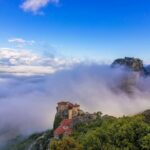
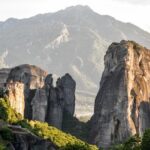
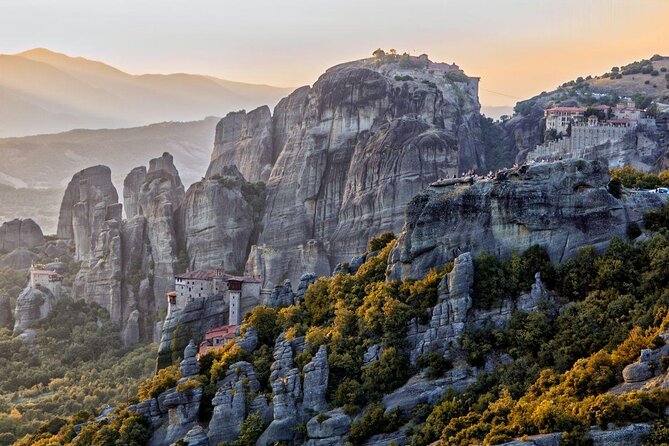
Meteora can be viewed from roads and lookout points, but walking changes the scale of the place. The giant rock formations rise around you, while the old paths lead into quieter corners that a standard driving tour may skip.
This hike focuses on the meeting point of nature and religious history. You may see local flora and fauna along the route, pass caves once used by monks, and stop at ruins that do not have the polished feel of a major museum. That makes the outing feel less like a checklist of monuments and more like a walk through the area’s earlier days.
The route follows what are described as hidden trails known to local people. That does not mean you should expect a secret wilderness trek with no other visitors. It means the guide takes you beyond the easiest roadside views and explains how the first monks moved through these rocks.
I especially like that the tour does not limit the experience to the two most famous monasteries. Ypapanti and St. Dimitrios add texture. You see places that help explain why Meteora became a center of religious retreat, rather than simply stopping for photographs at the best-known viewpoints.
You can also read our reviews of more guided tours in Meteora
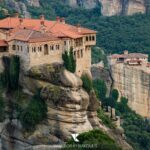
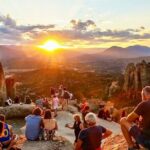
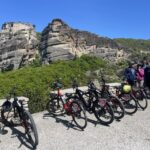
An 8:30 am start from Kalabaka or Kastraki

The morning begins at 8:30 am, with pickup from your accommodation in Kalabaka or Kastraki. A VIP minibus handles the transfer to the foothills, then the walking portion begins.
This arrangement is useful if you are staying in either of the two towns and do not want to arrange a taxi or find a trailhead on your own. It also keeps the day moving. You are not spending the first part of the morning gathering at a distant meeting place.
The exact pickup timing may depend on your accommodation and the local route, so it is sensible to be ready before 8:30. Confirmation is provided when you book, and the tour is offered in English.
The group limit is 15 people. That is not a private hike, but it is small enough to keep the outing more personal than a large coach excursion. If you have a question about a ruin, cave, plant, or monastery, the guide should have a better chance to hear it and answer without holding up a crowd.
Walking in the footsteps of Meteora’s monks
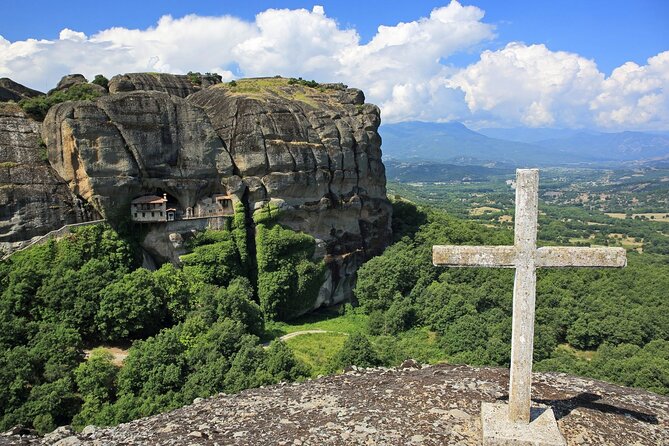
The hike starts at the foothills and heads onto old paths associated with the first monks who came to Meteora. The age of these routes is one of the strongest reasons to choose this tour. You are not only approaching monasteries by the modern access roads. You are using the kind of terrain that shaped life here centuries ago.
Expect a mix of natural scenery and historic points along the trail. The tour description highlights caves, flora, fauna, and other old sites, so the appeal is broader than simply reaching a monastery entrance. The rocks and views provide the setting, but the route itself gives you a sense of how demanding life in this area once was.
The guide is an experienced local mountain guide, not just a driver who points toward the rocks. That matters on a route built around stories and less obvious sights. The guide can connect the physical path with the legends and religious history of Meteora.
You should bring suitable walking shoes and be ready for a steady outing. The supplied information does not give a precise distance or detailed trail conditions, so you should not assume the route is flat or effortless. Moderate fitness is required, and the tour is not recommended for children under seven.
Ypapanti Monastery and the ruins of St. Dimitrios
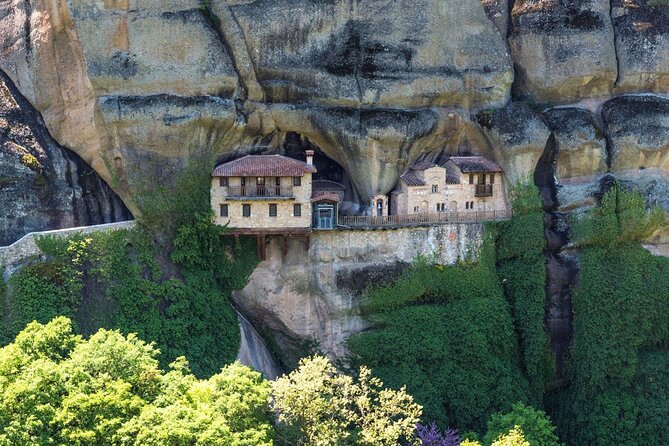
One of the most appealing stops is Ypapanti Monastery, described as a hidden monastery. Its position along the old route makes it more than another photograph stop. You reach it as part of the walk, with the guide explaining what you are seeing and why the place matters.
Ypapanti gives the tour a sense of discovery without requiring you to search for it alone. The name may be familiar to people who have studied Meteora, but the site is far less central to the usual quick visit than the major monasteries. This is the kind of stop that gives a hiking tour its value.
The route also includes the ancient ruins of St. Dimitrios. Ruins are often more evocative than restored buildings because they leave room for questions. You can see how much has changed and how much remains, while the guide fills in the parts that stones cannot explain.
These two stops are a good reason to avoid judging the tour only by the final monastery visit. If you have already seen Meteora from a road viewpoint, the older paths and lesser-known religious sites provide a different experience.
Great Meteoron or Varlaam, depending on the day
The hike includes a visit to one of Meteora’s major monasteries: Great Meteoron or Varlaam. The specific monastery depends on the day of the hike, so you should not book expecting to choose between them.
Great Meteoron and Varlaam are among the best-known religious sites in Meteora. Reaching one after walking the older trails gives the visit a useful sense of progression. You have already seen the caves, ruins, and rough paths, so the monastery is not an isolated monument hanging above the valley. It becomes part of a larger story.
The guide explains the history and legends during the outdoor portion and around the sites. However, a guided tour inside the monastery is not included. That distinction matters. You will have access to the selected monastery, but you should not expect the mountain guide to lead a formal interior tour.
Each monastery charges a €5 entrance fee per person. This is separate from the tour price. Carry enough money for that admission, and remember that the tour price of $36.12 does not cover it.
The monastery visit also depends on the day’s operating plan. Since the tour provider determines whether the stop is Great Meteoron or Varlaam, check the details provided after booking if one of these sites is especially important to you.
You can also read our reviews of more hiking tours in Meteora

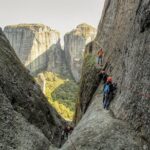

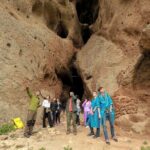
Photo stops with room to look around
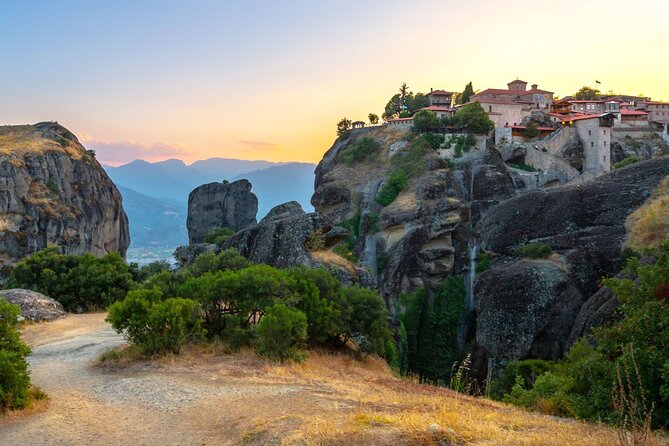
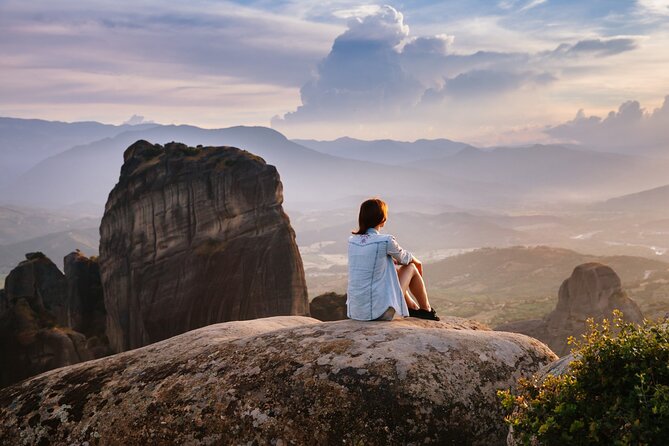
Meteora is built for photographs, but the best images are not always taken from the most crowded road pullouts. The hike provides time for panoramic views from the trail and gives you different angles on the rock towers and monasteries.
You should have opportunities to stop, take pictures, and enjoy the views rather than rushing from one point to the next. The tour specifically allows time for photographs, so bring a phone or camera with enough battery and storage.
The scenery is the visual reward, but the walk gives your pictures more context. A monastery framed by rock, a cave along an old path, or a ruin surrounded by the cliffs tells a stronger story than a distant shot from a parking area.
Still, this is a group hike. Photo stops need to fit the guide’s timing and the needs of the group. You can expect useful opportunities, but not an unlimited personal photography session at every viewpoint.
Is $36.12 good value?

At $36.12 per person, the price is reasonable for a four-hour small-group outing that includes local guiding, transportation from Kalabaka or Kastraki, and a bottle of water. Pickup alone adds convenience, while the route provides access to sites you may not reach easily by yourself.
The value is strongest if you want more than a monastery transfer. You are paying for the route, local interpretation, and the chance to see Ypapanti and St. Dimitrios alongside a major monastery. The experience also fills a morning without taking up the whole day.
There are two extra costs to remember. The entrance fee for the monastery is €5 per person, and there is no guided interior visit included. These are not serious drawbacks at this price, but they should be part of your budget.
A very small private hike would normally cost more, so this group size offers a practical middle ground. You get a guide and organized transport without paying private-tour rates. The tradeoff is less flexibility than you would have on a custom outing.
Who should book this hike?
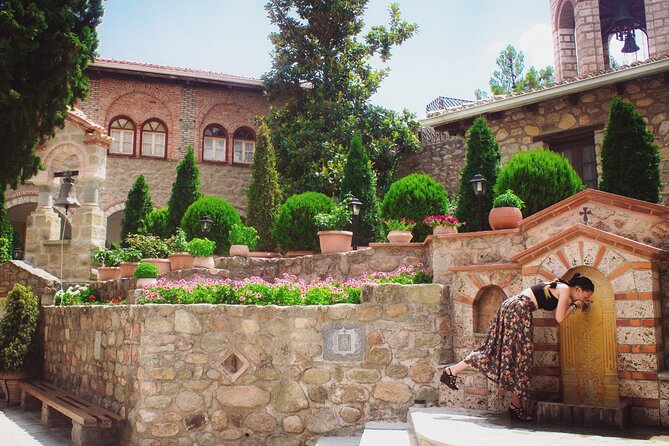
I would recommend this tour to you if you want to combine exercise, views, and religious history in one morning. It is especially suitable if you are staying in Kalabaka or Kastraki, since the included pickup removes a common transport problem.
It also suits repeat visitors who have already seen the main roads and want a different side of Meteora. The hidden trails, Ypapanti Monastery, and St. Dimitrios ruins give the morning a more distinctive shape than a basic monastery shuttle.
You should think twice if you dislike uneven walking, have limited mobility, or want a relaxed sightseeing ride. The tour requires moderate fitness, and the precise distance and trail surface are not specified. Families with very young children should choose another activity, since children under seven are not recommended.
This is also not the best fit if your top priority is a detailed indoor tour of a monastery. The entrance is included only as a visit, while the interior guiding is not part of the package.
Practical details before you reserve
The tour runs for about four hours and begins at 8:30 am. Pickup and drop-off are available directly from accommodation in Kalabaka or Kastraki, and the group can include up to 15 people.
A bottle of water is included, but you should plan your own walking clothes and footwear. Since the activity depends on good weather, a poor-weather cancellation may lead to a different date or a full refund.
Free cancellation is available if you cancel at least 24 hours before the start time. Changes or cancellations made within 24 hours are not refunded or accepted. The tour also needs a minimum number of participants, so a cancellation for that reason results in an alternative date or experience, or a full refund.
The experience has received a five-star rating, with 100 percent of the 12 ratings recommending it. One useful detail is that a last-minute booking was accommodated, though you should not rely on that during busy periods. The fact that it is booked an average of 94 days ahead suggests that planning early is wise, especially if your Meteora dates are fixed.
Should you book it?
Book this hike if you want to walk through Meteora rather than simply photograph it from a minibus. The combination of old monk trails, Ypapanti Monastery, St. Dimitrios ruins, a major monastery, and wide views gives you a fuller morning for a modest price.
Skip it if you need an easy route, a private schedule, or a formal guided tour inside the monastery. For most reasonably fit visitors staying in Kalabaka or Kastraki, though, the included pickup and local trail access make this one of the more useful ways to spend four hours in Meteora.
FAQ
Where does the Meteora hiking tour take place?
The tour takes place in Meteora, Greece, beginning from the foothills after pickup from accommodation in Kalabaka or Kastraki.
What time does the tour start?
The tour starts at 8:30 am.
How long does the hike last?
The experience lasts approximately four hours.
Is hotel pickup included?
Yes. Pickup and drop-off are included from accommodation in Kalabaka or Kastraki.
What monasteries will I visit?
You will visit Great Meteoron or Varlaam, depending on the day of the hike. You will also see Ypapanti Monastery and the ruins of St. Dimitrios.
Is the monastery entrance fee included?
No. Each Meteora monastery charges an additional entrance fee of €5 per person.
Is a guided tour inside the monastery included?
No. The local mountain guide leads the hiking experience, but guided touring inside the monastery is not included.
How fit do I need to be?
You should have a moderate level of physical fitness. The experience is a real hike, and it is not recommended for children under seven.
How many people can join the tour?
The group can include a maximum of 15 people.
Can I cancel for a refund?
Yes, if you cancel at least 24 hours before the experience starts. Cancellations made less than 24 hours in advance are not refunded. Poor weather or failure to meet the minimum number of participants may result in an alternative date or a full refund.