REVIEW · METEORA
Morning Monastery E-bike Tour
Book on Viator →Operated by Meteora e-Bike · Bookable on Viator
Morning Meteora feels like a secret door you can open. This small-group e-bike tour pairs easy pedaling with real monastery time, plus a guide who helps you understand what you’re seeing. I especially liked the relaxed pace with just 10 people and the way the ride turns steep viewpoints into quick, satisfying stops—without exhausting your legs. The main trade-off: monastery entries for Varlaam or Agia Stefanos (depending on the day) cost extra, and several stops are brief.
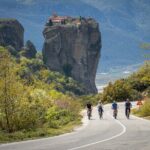
You start in Kalambaka at 9:00am, get fitted and geared up, then spend about four hours zig-zagging through Kastraki and the Meteora rock formations. Expect lots of photo moments, a couple of quick monastery chats, and one longer visit where you’ll actually go inside (tickets not included). If you want a slow, hours-long monastery-only experience, you may prefer a different format.
In This Review
- Key points to know before you go
- Riding from Kalambaka at 9:00am: the calm way to start Meteora
- E-bike power at Meteora: real effort saved, real views kept
- Stop 1 to Stop 2: Kalambaka and Kastraki in the first half hour
- Saints Nicholas and Rousanos: quick monastery stops that actually teach you how to look
- Varlaam (or Great Meteoron): the one ticketed highlight you’ll want to plan for
- Agia Triada and Agios Stefanos: panoramic viewpoints and a second monastery moment
- The guide makes it click: Bill, Vasilis, and the value of real explanations
- Included snacks, water, and weather gear: small comforts that matter
- Price and value: why $54.31 can be a smart deal in Meteora
- Who should book this e-bike monastery tour
- Should you book the Morning Monastery E-bike Tour?
- FAQ
- FAQ
- What time does the Morning Monastery E-bike Tour start?
- Where do we meet for the tour?
- How long is the tour?
- How many people are in the group?
- Are monastery tickets included in the price?
- What is included in the tour price?
- Is the tour offered in English?
- What’s the cancellation and weather policy?
Key points to know before you go
- 10-person maximum keeps the ride calm and questions easy to ask
- E-bikes make elevation manageable so you can focus on views instead of burning out
- Varlaam or Great Meteoron visit happens during the tour, but entry tickets are extra
- Plenty of “look-and-chat” stops around Saints Nicholas, Rousanos, Agia Triada, and more
- Local snacks + water mean you won’t feel rushed to grab food later
Riding from Kalambaka at 9:00am: the calm way to start Meteora
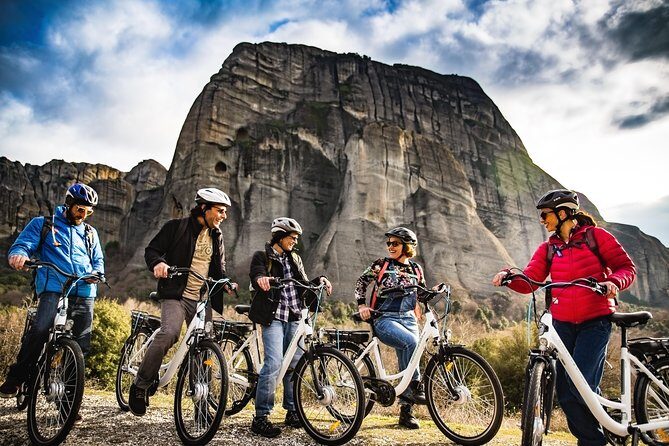
Meteora is famous for its monasteries perched on giant rock pillars, but the best part of this tour is how it gets you oriented without stress. You meet at Ioanninon 3, Kalampaka and kick off at 9:00am. Before you ride anywhere, you’ll get a proper bike fit and a short briefing. That matters more than it sounds—when your bike feels right, the whole morning feels lighter.
The tour runs about 4 hours and then returns you to the meeting point. Along the way, you’ll use helmets, plus reflective vests, and you get rain ponchos or extra clothing if needed, which is handy in this part of Greece where weather can switch moods.
If you’re the type of traveler who likes a plan but still wants room for real conversation, this setup fits. Your guide isn’t just steering you around; they also give context so the monasteries stop being just impressive pictures and start feeling more human and understandable.
You can also read our reviews of more cycling tours in Meteora
E-bike power at Meteora: real effort saved, real views kept
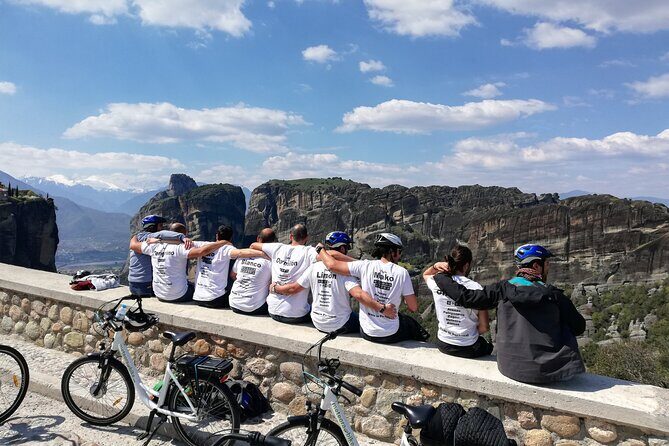
I like e-bikes anywhere there’s a “wow” location with a “uh-oh” climb. Meteora is exactly that. The ride helps you reach viewpoints and monastery areas without turning your morning into a workout class. You still get to feel the outdoors—fresh air, changing angles on the rocks—but you’re not arriving sweaty and spent.
And it’s not only comfort. It’s timing and pacing. When you’re not pushing hard uphill, you can actually enjoy the small moments: a pause at the edge of a village, a quick photo angle, a better look at monastery architecture as light shifts over the cliffs.
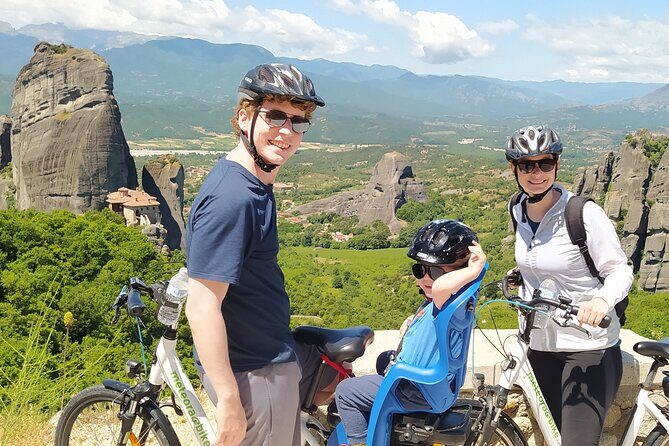
This also works well for groups with mixed abilities. The tour is designed so most travelers can participate, and they even mention equipment like a bike trailer, child seat, and a co-pilot attachment bike. That doesn’t mean every family setup will fit perfectly, but it signals the operator considers different needs.
Stop 1 to Stop 2: Kalambaka and Kastraki in the first half hour
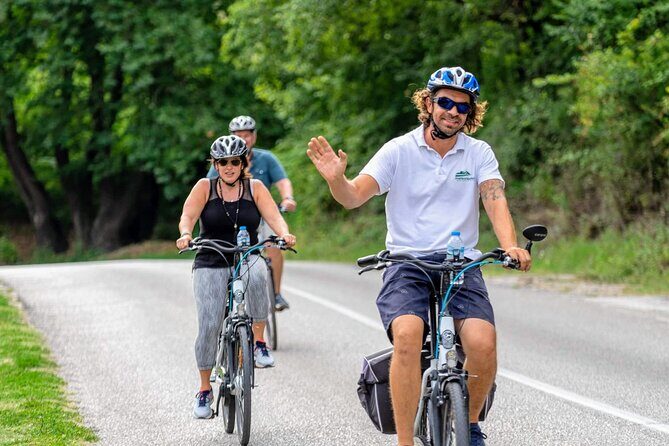
Your first stop is Kalambaka, after the bike fit and briefing back at the office area in the center of town. It’s short, but it sets the tone. You’re getting your bearings while the whole area is still quiet and easy to navigate.
Then you move to Kastraki. You’ll ride through the village, and you’ll stop at the end of Kastraki for information and questions with your tour leader. This is a smart moment in the schedule: you’re between major monastery visits, but you’re still building context. You’ll get answers before you start making decisions about what to look for up on the rocks.
One of the nicest things about starting with town and village scenes is that Meteora can feel unreal if you only see it from cliff edges. Kastraki reminds you this is a living region, not just a set of postcards.
Saints Nicholas and Rousanos: quick monastery stops that actually teach you how to look
After Kastraki, you’ll make two short stops at monasteries that are more about orientation than long visits.
First, you stop at the Holy Monastery of Saint Nicholas Anapafsas for about 10 minutes. This is perfect for photos and a short chat—just enough time to notice details you might otherwise miss, like how the sites sit against the rock and how the buildings relate to the surrounding pathways.
Next comes Holy Monastery of Rousanos – Saint Barbara, another short 10-minute stop. This one is especially viewpoint-friendly. It gives you a chance to enjoy the scenery, take pictures, and ask questions while you’re still fresh.
The drawback of these shorter stops is also the whole point: you won’t get long, slow interior time at every location. But as a Meteora introduction, these quick visits help you understand what makes the place special before your longer monastery moment.
Varlaam (or Great Meteoron): the one ticketed highlight you’ll want to plan for
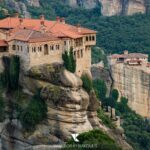
The centerpiece of the tour is the monastery visit where you’ll actually go inside—Varlaam in the tour flow you’ll experience, with entry tickets not included. Plan on about 20 minutes at Varlaam, and your exact visit will depend on how the day is run, but the big idea stays the same: you’re aiming for one major monastery experience while still keeping the ride moving.
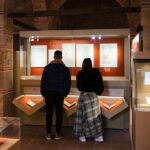
This is also where the tour tends to deliver its biggest “aha” moments. One guide-led highlight from the experience: you’ll see the museum and the church, plus details like the net system used to bring up amenities. That kind of practical insight—how daily life works at extreme heights—makes the monasteries feel grounded instead of untouchable.
You’ll also get the views of Varlaam and Great Meteoron from this section of the route. Even if you don’t enter Great Meteoron on your tour day, you’ll understand why these sites were placed where they are, and how the rock formations shape everything from access to sightlines.
A few more Meteora tours and experiences worth a look
Agia Triada and Agios Stefanos: panoramic viewpoints and a second monastery moment
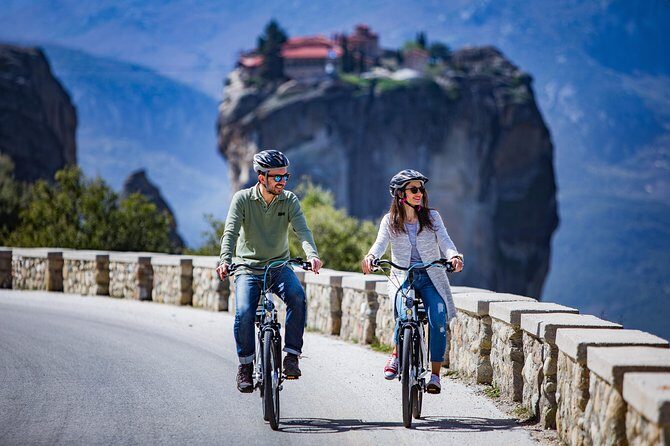
After Varlaam, you’ll get another brief stop at Holy Trinity Monastery (Agia Triada) for about 10 minutes. If you love pictures, this is one of those spots where you can see why people come back to Meteora more than once. The tour frames it as a viewpoint pause—short, scenic, and designed to let you take in the wider arrangement of rock pillars and monasteries.
Then there’s Iera Moni Agiou Stefanou (often associated with Agios Stefanos) for about 30 minutes, with entry tickets not included. This longer monastery stretch is where you’ll feel the difference between “look from the outside” and “spend time at the site.”
Because you’re on e-bikes, the schedule stays flexible. You still get to move, but you also get enough time that your eyes adjust and your brain starts connecting details across stops.
The guide makes it click: Bill, Vasilis, and the value of real explanations
Meteora can be overwhelming at first—so many monasteries, so many angles, and a lot of history swirling around. What I appreciate about this tour format is that it doesn’t just hand you a route. It gives you a storyteller who helps you interpret the place.
In the experiences I’ve read, guides including Bill and Vasilis get credited for being friendly and easy to talk to, and for sharing cultural and religious context. One guide even connects Meteora to popular media by pointing out that scenes from the region show up in movies or series. That’s a small detail, but it helps you connect your own impressions to bigger cultural references.
The result: you walk away understanding what you looked at and why it’s arranged the way it is. That’s also why the small group size matters. With a maximum of 10 travelers, you’re not shouting over your guide or waiting for the next stop to ask a question.
Included snacks, water, and weather gear: small comforts that matter
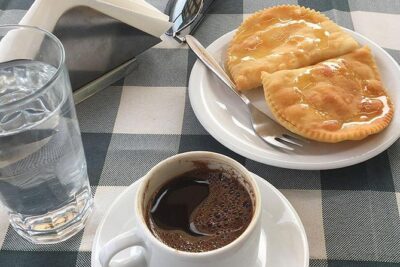
This tour is built to keep you comfortable through a morning that can shift from bright to breezy. You get local snacks, bottled water, helmets, and reflective vests. If the sky turns, you also receive rain ponchos or extra clothing.
It might sound basic, but these details help you stay in the moment. When you’re not worrying about food or sudden rain, you spend more time focusing on the monasteries and less on logistics. And since some stops are short, you don’t want the morning slowed down by missing basics like water.
Price and value: why $54.31 can be a smart deal in Meteora
At $54.31 per person, you’re paying for guided navigation, e-bike use, and the structure that turns scattered viewpoints into a coherent route. Add in the fact that the group is kept to 10, plus the included gear and snacks, and the cost starts to feel reasonable—especially compared to piecing together taxis or trying to bike without local context on terrain that can be steep.
The one extra cost to budget: monastery tickets. The tour data lists 3 euros per person, and it’s clear that monastery entry for the major stops like Varlaam (and the other ticketed sites) isn’t included. That means your true total depends on which monasteries you visit that day and what you choose to pay for inside.
Still, for a four-hour morning experience that hits multiple key sites, most people find this format saves time and energy while maximizing scenery.
Who should book this e-bike monastery tour
This is a strong fit if you:
- want to see Meteora without turning your day into a steep-hike endurance test
- like having a guide explain what you’re seeing while you ride
- prefer short, focused stops plus one longer monastery visit
- want a small-group experience that stays relaxed
It may be less ideal if you:
- want hours inside multiple monasteries (this tour is more “see and understand” than “do everything slowly”)
- dislike paying extra for entry tickets
- are planning around tight schedules, since the tour relies on good weather
Should you book the Morning Monastery E-bike Tour?
If your goal is to get a strong, efficient overview of Meteora with minimal hassle, I think this tour is an easy yes. The e-bike format is what makes the difference: you get to experience the rock-pillars setting and monastery viewpoints without arriving wrecked.
Just go in knowing two things: entry tickets for major monasteries are extra, and some stops are brief by design. If that matches your style, you’ll likely leave with photos you like and explanations that stick.
FAQ
FAQ
What time does the Morning Monastery E-bike Tour start?
The tour starts at 9:00am.
Where do we meet for the tour?
You meet at Ioanninon 3, Kalampaka 422 00, Greece.
How long is the tour?
The duration is about 4 hours.
How many people are in the group?
The tour has a maximum of 10 travelers.
Are monastery tickets included in the price?
No. Monastery tickets are not included, and the tour lists 3 euros per person as the admission ticket cost.
What is included in the tour price?
You get a bicycle, helmet, reflective vests, and rain ponchos or extra clothing if needed, plus local snacks and bottled water.
Is the tour offered in English?
Yes, the tour is offered in English.
What’s the cancellation and weather policy?
You can cancel for a full refund up to 24 hours in advance. The tour also requires good weather—if it’s canceled due to poor weather, you’ll be offered a different date or a full refund.