REVIEW · METEORA
2-days rail trip from Athens to Meteora
Book on Viator →Operated by Meteora Rocks · Bookable on Viator
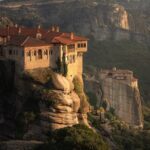
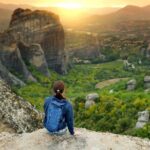
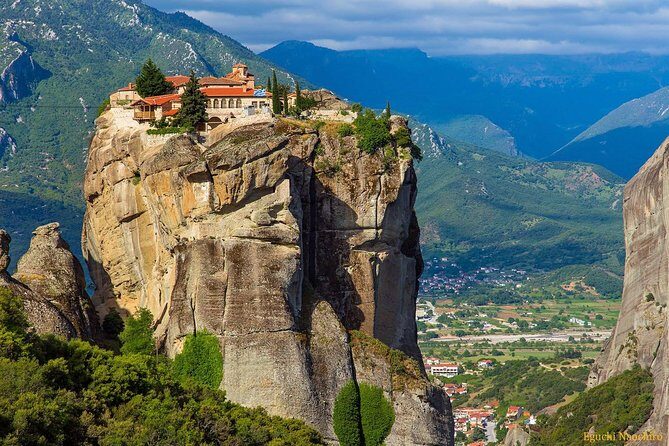
Meteora feels unreal, and the train helps. This 2-day rail trip from Athens to Kalambaka pairs train time for the countryside with guided visits to the monasteries perched on giant rocks. You also get an included hotel night, so you can see Meteora with fewer crowds and more breathing room.
I especially like the way the trip handles the big logistics for you: round-trip train tickets plus an included 3-star hotel and breakfast. And the sightseeing isn’t just drive-by stops. The sunset portion is led by local English-speaking guides and focuses on major sights like the six monasteries plus a hermitage and a Byzantine church.
One thing to plan for: it’s not an all-inclusive ticket price, and you’ll work your legs. Entrance fees for the monasteries and the Byzantine church are extra, and monastery visits involve a lot of steps.
In This Review
- Key things I’d write on a sticky note before you go
- Athens to Kalambaka by train: why this route feels smarter
- Your Kalambaka buffer time: use it for wandering and better meals
- Sunset tour of Meteora Rocks: six monasteries, a hermitage, and big-picture context
- The Byzantine Church of the Assumption: a short stop with real payoff
- Day two: the monks’ journey, then time to breathe before the train
- Price and value: what $233.66 really covers
- Group size, comfort, and guide quality: what to expect in real life
- What to pack (and what to avoid at the monasteries)
- Who should book this Meteora rail package?
- Should you book this Meteora Rocks 2-day Athens to Meteora rail tour?
- FAQ
- What time does the Athens train depart?
- When do I return to Athens?
- Is breakfast included?
- What is the hotel situation?
- Are entrance fees included for monasteries and the Byzantine church?
- Do I need to pay for a state-licensed guide inside the monasteries?
- How big is the group?
- Are pets allowed in the monasteries?
- Is there free cancellation?
Key things I’d write on a sticky note before you go
- Train day 1, hotel night in Kalambaka: you avoid the stress of rushing straight through and can return to the village between tours
- Sunset tour is the star: six monasteries (where open), plus a hermitage and a Byzantine church stop
- Local guides really matter: you may get leaders such as Panos, Antonis/Antonios, Vasilis, Chris, Xrisa, Dimitri, or Andreas, and the best moments usually come from their personal local stories
- Small group size (max 16): you’re not packed in like a cattle car, so photos and questions feel easier
- Comfort basics are covered: air-conditioned transportation, WiFi on board, and bottled water
- There’s walking and stairs: bring footwear you can trust on uneven rock paths and monastery steps
Athens to Kalambaka by train: why this route feels smarter
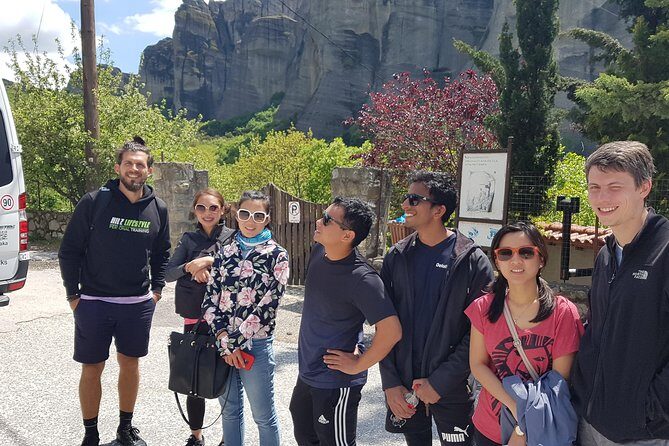
The trip starts in Athens at Stathmos Larissis (Central Railway Station). You board in the morning (the transfer timing is set so you arrive around late morning), and the train continues to Kalambaka.
Why I like this approach: you trade traffic headaches for steady motion and a change of scenery. Meteora doesn’t show up all at once like a postcard. You see the region gradually, and that makes the “where did people build there?” moment land harder when you finally get close.
It’s also a practical way to plan photos. The train day doesn’t just move you—it buys you a calm start. And because you’re not trying to do everything in one exhausting day, you’re more likely to enjoy Kalambaka instead of merely surviving it.
A few more Meteora tours and experiences worth a look
Your Kalambaka buffer time: use it for wandering and better meals
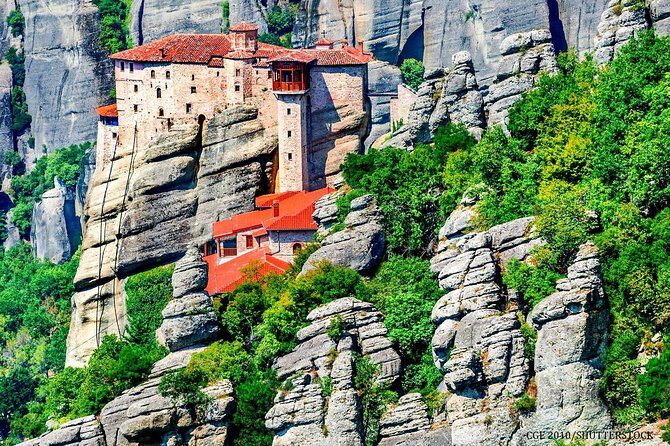
After you reach Meteora’s town base (Kalambaka/Kalabaka), you get pickup and a drive to your hotel. Then you have a few hours of free time—long enough to stretch, reset, and get oriented.
This matters more than it sounds. Kalambaka is small and walkable, and it’s the part of the trip that turns Meteora from a checklist into a real mini-vacation. I’d use that free time for two things:
- Get your bearings fast (so later, moving around feels effortless)
- Pick one solid place to eat before the sunset tour starts
One review favorite was the easy access to town life—cafes, local meals, and a couple museums like the National History Museum and the Digital Projection Centre of Meteora. Even if you skip museums, a simple wander helps you understand why this town becomes a base for the rock monasteries.
Sunset tour of Meteora Rocks: six monasteries, a hermitage, and big-picture context
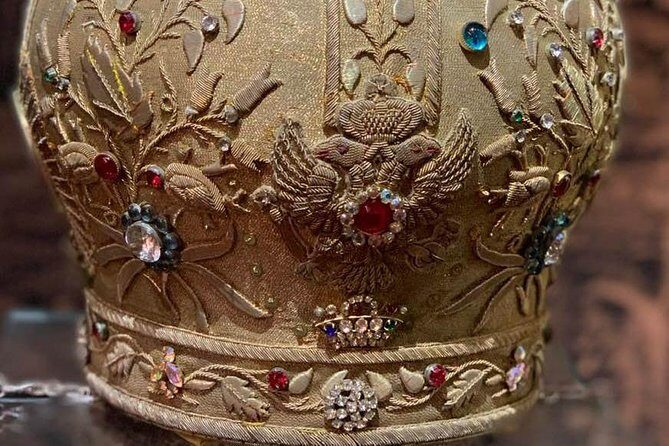
This is where the experience earns its reputation.
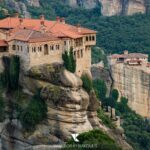
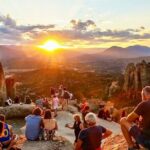
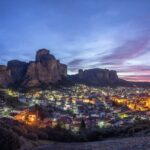
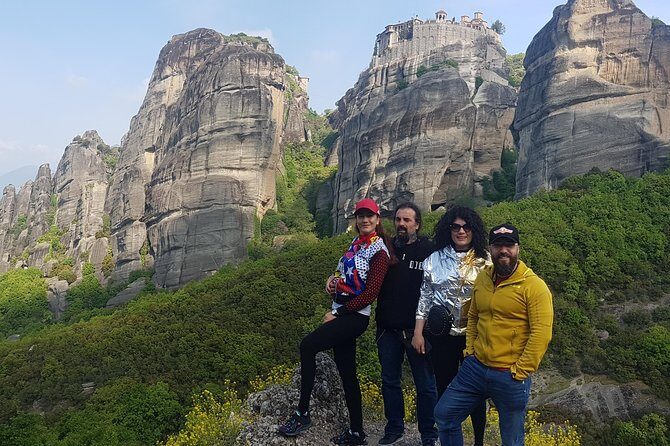
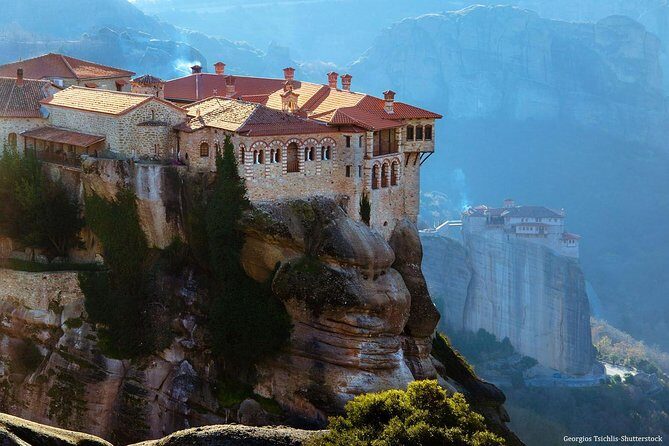
You’re picked up for a sunset tour that includes stops at all six monasteries that are open, plus a hermitage and a Byzantine church. The goal is to see Meteora when the light is soft and the rock walls look even more dramatic than during the day.
And the guide style matters here. Local English-speaking leaders—people like Panos and Antonis/Antonios, plus others such as Xrisa—tend to connect three different eras:
- early hermits and cave life
- the shift toward monastic communities
- the medieval effort to build and live at real risk atop towering cliffs
That storyline is the difference between seeing monasteries as pretty architecture and understanding them as places chosen on purpose: steep, inaccessible, and hard for the outside world to control.
Practical note: sunset tours usually mean you’re walking, climbing, and changing viewpoints a lot. Pack layers. Even in summer, the air can feel different once the sun drops, and you’ll want something for the late light.
The Byzantine Church of the Assumption: a short stop with real payoff
There’s also a Byzantine church stop in Kalambaka. The Byzantine temple of Dormition of the Mother of God (often described as the Dormition/Assumption of the Virgin Mary church) is credited as one of the most important monuments in the old city.
What makes it worth your time is that it’s not just “a church.” It’s described as dating between the 10th and 11th centuries, built on ruins of an earlier Christian royal setting. The building style is noted as an aisled basilica mixed-type arrangement with interior features like banking and intermediate structural elements.
Even if you’re not a church-architecture fanatic, this stop can help you connect Meteora’s monastic life to the broader Byzantine world that shaped Greek Orthodox practice.
Day two: the monks’ journey, then time to breathe before the train
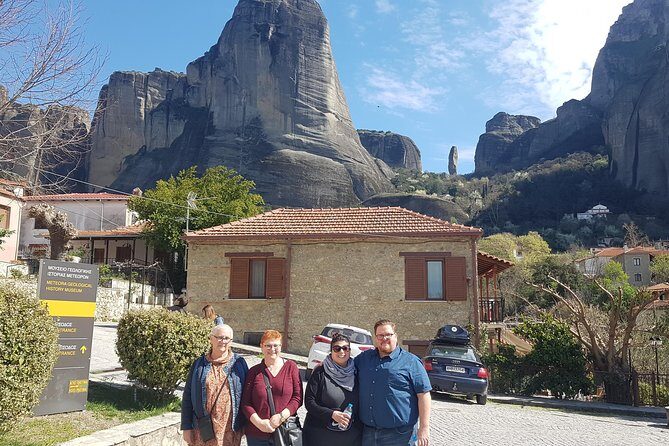
The next day starts with pickup from your accommodation by the tour’s partners. The second Meteora tour focuses on how the monastic story evolved—from the first hermits and their cave life to the medieval period when monks built on the giant rocks.
This day usually feels more explanatory: less about snapping one perfect shot and more about learning how and why the monasteries became possible where they did. You’ll get viewpoints, context, and time to keep exploring Kalambaka after the tour ends.
The timing is built around your return rail connection. You catch the train from Kalambaka to Athens at 17:05, so you’re not going to lose the whole day to transit. You’ll still want to be efficient with your last sightseeing so you can arrive relaxed for boarding.
One useful hint from a real-world experience: walking pace matters. A few groups said sites can be done in a day, but the whole point of this tour is doing it with less rush and with at least one monastery visit early enough to feel less crowded.


Price and value: what $233.66 really covers
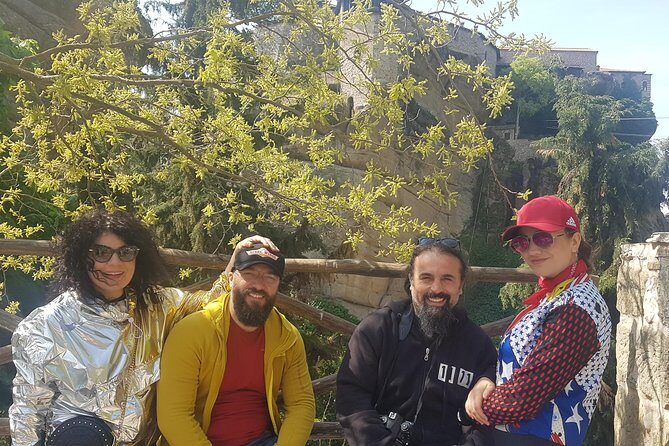
At $233.66 per person for about two days, you’re paying for more than just transport.
Here’s what’s included:
- Round-trip train tickets between Athens and Kalambaka
- 3-star hotel accommodation with breakfast
- Air-conditioned vehicle time and WiFi on board
- Bottled water
- Local English-speaking tour leader and monastery/area visits
- Small-group size (max 16 travelers)
What’s not included:
- Monastery entrance fees (listed as €5 per person per monastery)
- Byzantine church entrance fee (€2 per person)
- The state-licensed guide inside monasteries (not included)
- Lunch and dinner
- Hotel tax (listed as €3 per room, paid at reception)
So is it good value? For most people, yes—especially if you’d otherwise have to piece together train schedules, hotel bookings, and guided monastery access. The added hotel night is key. Without it, Meteora becomes a day trip scramble. With it, you can actually enjoy Kalambaka in the evening and use the next day for calmer sightseeing.
One caution: entrance fees add up fast when the tour visits multiple monasteries. If all six are open, the monastery fees alone can become a noticeable chunk. Budget for that from the start so it doesn’t feel like a surprise.
Group size, comfort, and guide quality: what to expect in real life
This tour runs with a maximum of 16 people, which is a big deal at Meteora. It keeps the experience from feeling like a conveyor belt, and it makes photo stops easier for everyone.
Comfort is also planned. You’ll travel by air-conditioned vehicle, and you get bottled water and WiFi on board. The hotel is described as about a 3-star standard, with included breakfast and a local feel in Kalambaka.
Guide quality tends to be a highlight. Multiple guides show up in successful experiences, including Panos, Antonis/Antonios, Vasilis, Chris, Xrisa, and Dimitri. The best tours seem to happen when your guide can connect the dots between faith, geography, and day-to-day monastic life.
That said, I’d keep a realistic mindset. One reported disappointment was that day two felt less guided than expected. Your guide and speaking style can shape how satisfying the explanations feel, even when the sights are the same.
What to pack (and what to avoid at the monasteries)
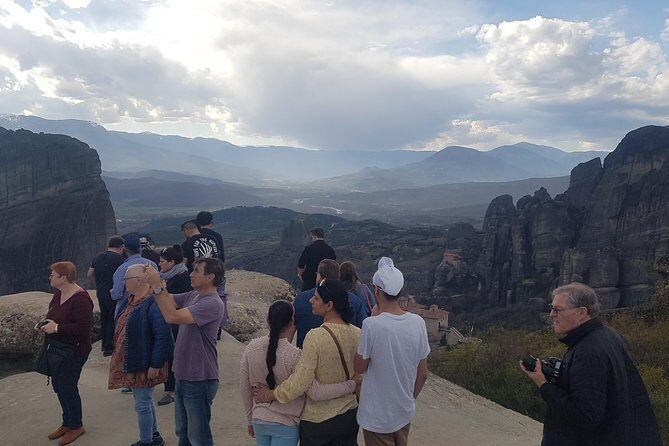
You’ll be dealing with stairs and uneven rock paths. Multiple experiences call this out directly, so don’t treat it like light walking.
Bring:
- Comfortable shoes you can grip on stone steps
- A layer for early mornings and late light
- Enough water and snacks for your free time (lunch/dinner isn’t included)
Avoid:
- Clothing that doesn’t meet monastery expectations (the data doesn’t list rules, so I’d follow what’s posted on site)
- Anything that limits your movement—your time is spent climbing and pausing for views
Pets are not allowed in the monasteries, so leave them behind.
Who should book this Meteora rail package?
I’d recommend this tour if you want:
- a low-stress way to get from Athens to Meteora
- a guided introduction that explains why the monasteries work so well in this setting
- an overnight in Kalambaka so you can enjoy the village and see the rocks at sunset
- small-group travel and air-conditioned comfort
It may not be the best fit if:
- you have mobility limits that make stairs difficult
- you hate paying extra entrance fees once you arrive
- you prefer full independence with zero scheduled pickup times
Should you book this Meteora Rocks 2-day Athens to Meteora rail tour?
If Meteora is on your Greece “must-see” list, I think this is a smart way to do it.
Book it if you want the biggest sights handled for you: trains, an included hotel night with breakfast, and guided visits that include the sunset tour hitting six monasteries. The overnight factor is the reason most people walk away satisfied—you get more time, less rush, and a better-feeling pace in Kalambaka.
Skip or shop around if you’re on a super tight budget for everything. Entrance fees and extra licensed guidance inside monasteries can change the total. And if stairs will be a deal-breaker, consider alternative viewing options that reduce climbing.
FAQ
What time does the Athens train depart?
The schedule calls for boarding the train from Athens at 7:30 AM at Stathmos Larissis.
When do I return to Athens?
You catch the train from Kalambaka to Athens at 17:05.
Is breakfast included?
Yes. Breakfast is included with your hotel stay.
What is the hotel situation?
You get accommodation in a three-star hotel, and you’ll pay the hotel tax (€3 per room) directly at reception.
Are entrance fees included for monasteries and the Byzantine church?
No. You pay monastery entrance fees (€5 per person for each monastery), and the Byzantine church entrance fee (€2 per person).
Do I need to pay for a state-licensed guide inside the monasteries?
The state-licensed guide inside the monasteries is not included, so you should expect that to be an extra cost once you’re at the sites.
How big is the group?
The tour has a maximum of 16 travelers.
Are pets allowed in the monasteries?
No. Pets are not allowed to enter the monasteries.
Is there free cancellation?
Yes. You can cancel for a full refund up to 24 hours before the experience start time.