REVIEW · METEORA
4-hours Monasteries Tour
Book on Viator →Operated by Meteora Rocks · Bookable on Viator
Four hours in Meteora feels like a lifetime. Meteora’s cliff-top monasteries turn a short morning drive into real wow-factor, with history and photo time built into a tight schedule. You also get the kind of small-group attention that helps you find the best viewpoints without feeling rushed.
I love the clifftop setting and the way the guide explains why these monasteries cling to the rocks in the first place. I also love the practical pacing: you’re on foot for stairs and inclines, but you’re not stuck roasting in a hot van thanks to the air-conditioned vehicle.
One heads-up: monastery entrance fees are extra (about €3 per person), and some stops involve lots of steps. If mobility is a concern, tell the guide early so they can steer you toward the easiest route.
In This Review
- Key things to know before you go
- Meteora monasteries: what you’re really looking at
- 8:30 a.m. pickup and why the small group feels easier
- The walking part: photos are great, but your shoes matter
- What you learn on the rocks (and how guides handle bad weather)
- Local guide styles you might see
- Monastery entry fees and the real “value” math
- Time management: why 4 hours works (if you plan ahead)
- Mobility, steps, and who this tour suits best
- Should you book this 4-hour Monasteries Tour?
- FAQ
- How long is the Meteora monasteries tour?
- What time does the tour start?
- Where is the meeting point?
- Do you offer pickup from Kalabaka or Kastraki?
- Is the monastery entrance fee included?
- Is a guided tour inside the monastery included?
- What language is the tour offered in?
- How big is the group?
- What should I wear for Meteora?
- FAQ
- What happens if weather is bad?
- Is there free cancellation?
- Are service animals allowed?
Key things to know before you go
- Small group (max 15): more help from your guide at photo stops and on the climbs.
- Cliff-top monasteries + history: learn why the monasteries were built on the rocks and how they shaped local life.
- 8:30 a.m. start: you get early light for photos, but weather can swing fast in the morning.
- Stairs and inclines are real: bring proper shoes; even when the views are worth it, the ground is not flat.
- Entry fees aren’t included: plan on around €3 per person for monastery access.
- Good guide pivot when weather turns: if fog or rain makes paths slippery, the plan can adjust.
Meteora monasteries: what you’re really looking at
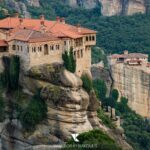
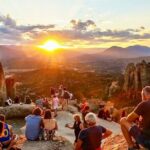
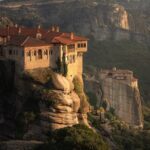
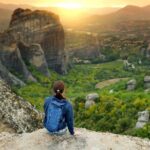
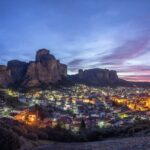
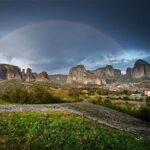
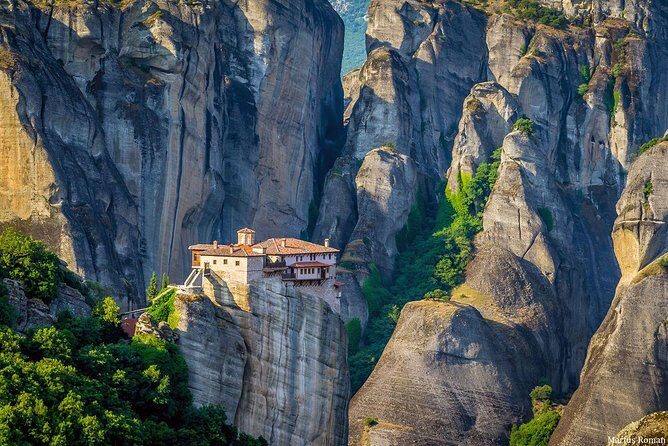
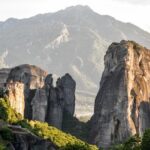
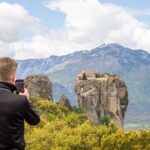
Meteora can look like nature’s oddball sculpture at first—huge rock pillars, sheer cliff faces, and monasteries sitting on top like they were placed there by hand. The best part of a guided visit is getting the “why” behind the spectacle. You’ll learn how and why monasteries were built on these cliffs, and what that choice meant for safety, isolation, and spiritual life over the centuries.
You’re also studying something that’s both human-made and weather-made. The monasteries weren’t just a random viewpoint. They’re part of a system: paths, stairs, lookout points, and church buildings that had to work with the rock landscape (literally, in Meteora’s case).
And yes, the scenery is the star—but you’ll get more out of it when you know what you’re seeing. That’s where this tour’s storytelling matters.
You can also read our reviews of more tours and experiences in Meteora.

8:30 a.m. pickup and why the small group feels easier
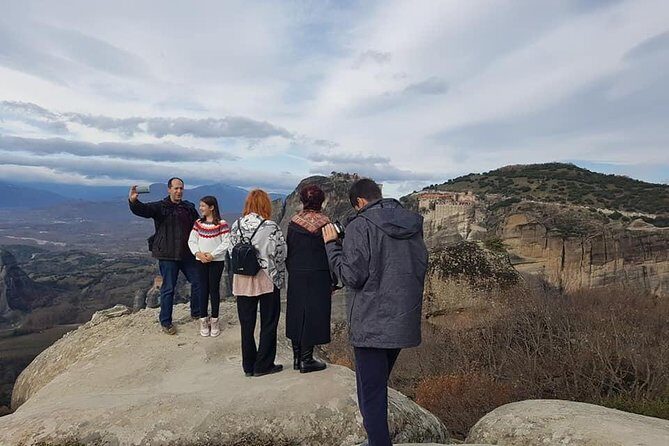
This tour runs about 4 hours, starting at 8:30 a.m. You meet at Ioanninon 8, Kalabaka (422 00), Greece, and the activity returns you back to the meeting point.
If you’re staying in Kalabaka or Kastraki, pickup is included. It covers hotel pick-up in those towns, plus pick-up from Airbnb apartments in Kalabaka or Kastraki. If your lodging is outside those areas, you won’t get pickup—so it’s worth double-checking where you’re based.
The group size caps at 15 people, which is the sweet spot for a place like Meteora. With a smaller crowd, your guide can actually help you manage the steps, point you toward the best angles for photos, and keep the pace from turning into a shuffle. One of the most practical joys: you’re not lost in the back of the group while everyone else grabs the view.
Also, the tour includes bottled water, and you’ll be in an air-conditioned vehicle for the drive segments. That sounds minor until you realize you’ll likely climb stairs and inclines—then hop back into comfort.
The walking part: photos are great, but your shoes matter
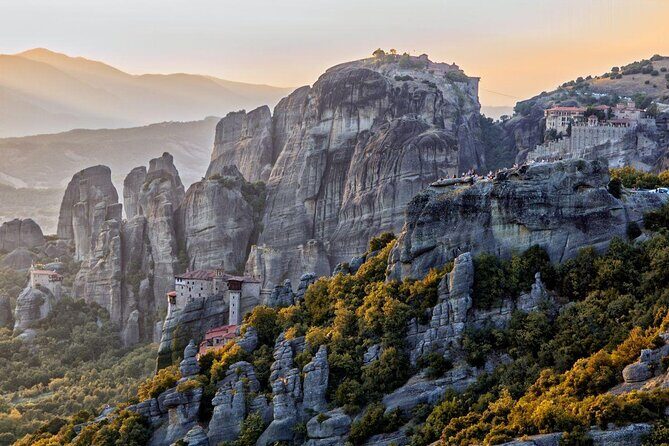
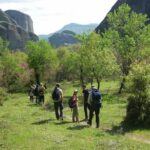
Meteora monasteries come with the kind of terrain that makes “quick walk” a lie. Expect steps, inclines, and uneven edges near cliff viewpoints. One of the clearest pieces of advice from the field is simple: wear proper shoes. If your footwear is more fashion than traction, Meteora will remind you fast.
A morning start can be a little weird too. Even when you’re not expecting weather drama, early mornings can bring fog, and rain can make steps slippery. When that happens, the good tours don’t bulldoze ahead. They adjust—sometimes by shifting to safer areas and adding extra time with an indoor or lower-risk visit.
The route also isn’t just about climbing. You’ll get photo opportunities tied to viewpoints, and the guide helps you position yourself. In one example, the guide made sure an older participant didn’t miss the best sights by actively supporting the group and pausing for everyone to get the shots.
So come ready to work those calves a bit. The payoff is that you’re up where the monasteries and the view truly connect.
What you learn on the rocks (and how guides handle bad weather)
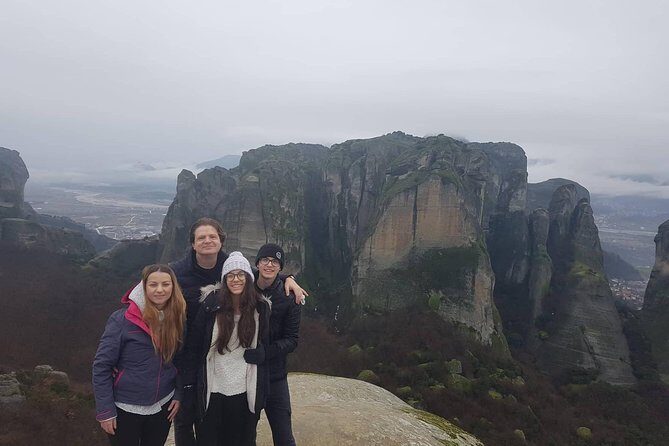
The core of this experience is a guided visit around Meteora with an emphasis on history—specifically how the monasteries were built on the rock formations. You’ll hear the story of divine life meeting hard, human logistics: getting materials up there, building churches, and maintaining sites exposed to wind and weather.
The guide also helps you look past the postcard version. Instead of only seeing “monastery on a rock,” you start noticing the design choices and the way the setting supports the religious and community function of the buildings.
Weather can affect what you do that day. Meteora tours are sensitive to conditions, and fog or rain can change the walking plan. In those moments, this tour has a pattern: the guide pivots to something safer rather than forcing everyone over slippery ground. One switch that can happen is additional time at the Byzantine church in Kalabaka, especially when outdoors becomes too risky.
Good to know: guided tours inside a monastery can cost extra. But even without the extra option, you’ll still come away with a clearer sense of the place than you would wandering alone with your phone camera and hope.
Local guide styles you might see
Depending on the day, your guide may be a local with a strong personal connection to the area. Names that have led departures include Penny, Stathis, and Jim. What matters is the approach: helpful on-the-ground guidance, frequent photo stops, and real attention to how the group is doing.

Monastery entry fees and the real “value” math

Here’s the part that can feel confusing: the tour package price is $48.06 per person, but monastery entrance fees are not included. The entrance cost is listed as €3 per person.
So what are you paying for in the main ticket? You’re paying for the organized structure: pickup and drop-off (when eligible), an air-conditioned vehicle, a guided experience that explains what you’re looking at, and time to stop for photos and viewpoints. In a place like Meteora, that guide component can save you time and help you avoid the most frustrating approach—showing up and having no idea what you’re seeing or where to go next.
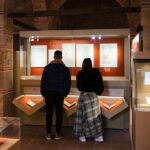
Also, there’s a separate option: a guided tour inside the monastery is available for an extra cost. That’s common in cliffside heritage sites. If you care more about architecture and church details, the inside guide may be worth it. If you just want the big picture and the views, you can often do plenty without adding extra.
Bottom line: budget for the small entrance fee, and decide upfront whether you want the extra inside interpretation.
Time management: why 4 hours works (if you plan ahead)
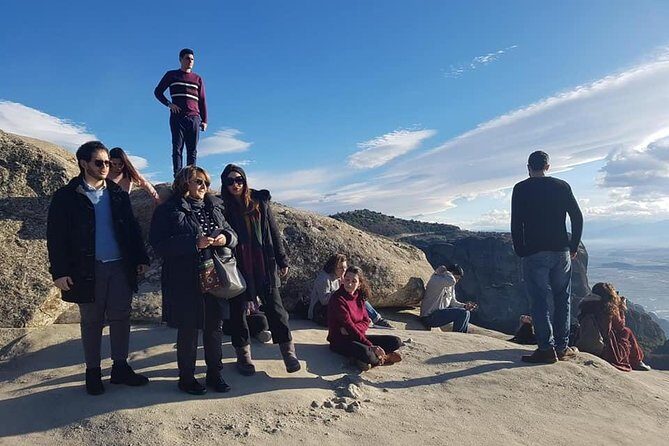
Four hours sounds short until you’re climbing stairs and stopping for photos, then it feels about right. The strongest advantage of a tightly timed tour is that it prevents decision paralysis. Meteora has multiple monasteries and viewpoints, and without a plan you can easily lose time guessing where to go next.
In this format, you’re guided through a focused slice of the area. The stop is centered on Meteora, with enough time for the main viewpoints and history. Then you’re back to the meeting point without turning your day into a long logistics exercise.
If you want more freedom to roam trails between monasteries, Meteora is the kind of place where staying longer pays off. A 3–4 day base is a common best move in the area—especially if you want to walk more than you climb during one morning.
But if your schedule is tight, this tour makes Meteora doable without draining your whole day.
Mobility, steps, and who this tour suits best
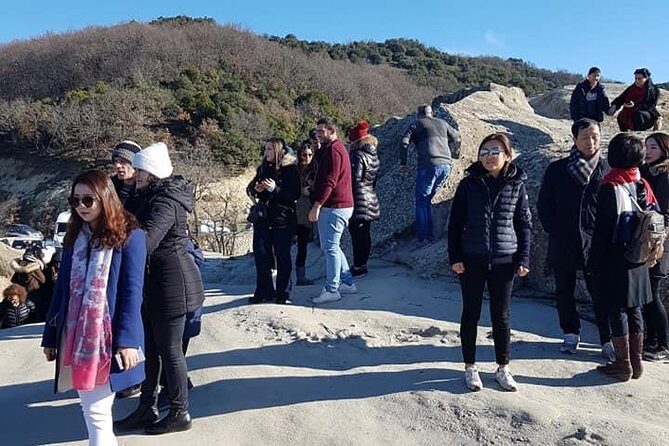
This experience states that most travelers can participate, and service animals are allowed. That’s a good sign for general inclusivity. Still, the practical reality is stairs. Some monasteries involve many steps, while others can be less intense.
If you have mobility issues, make it clear to the guide before you start. One practical example from real operation: at least one monastery stop can be managed with no steps, while others have more stairs. A good guide will try to balance access with viewpoints so nobody is stuck watching from far away.
Also note the pace. This is not a gentle sit-everywhere tour. You’ll be walking and climbing. If you’re dealing with pain, fatigue, or balance issues, tell the guide early so the route can be adjusted.
This tour fits best for:
- People who want the key sites plus context in one morning
- Anyone staying in Kalabaka or Kastraki who wants pickup and an organized plan
- Photo lovers who want help finding good angles without wandering for hours
- Those who like guided explanation, not just sightseeing
Should you book this 4-hour Monasteries Tour?
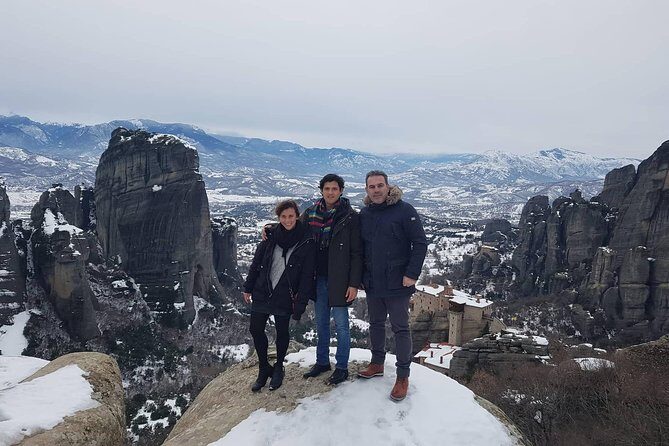
If you want a smart Meteora hit—history, big views, and a small-group experience—this is a strong choice. The value is mostly in the structure: pickup when eligible, air-conditioned transport, bottled water, and a guide who keeps the group moving with purpose.
Book it if:
- You’re staying in Kalabaka or Kastraki and want an easy start from your lodging area
- You’d rather have a plan than figure out the best monasteries yourself
- You can handle stairs and inclines (bring real traction shoes)
Consider another option if:
- You need step-free access most of the time
- You dislike early mornings or have a hard time with walking on potentially slick surfaces
- You’re only interested in a deep inside church experience (since guided inside tours cost extra)
One more reality check: the experience requires good weather. If conditions are poor, you may be offered a different date or a full refund. That weather dependency is normal for cliffside touring—so plan to stay flexible.
FAQ
How long is the Meteora monasteries tour?
It runs for about 4 hours.
What time does the tour start?
The start time is 8:30 a.m.
Where is the meeting point?
The meeting point is Ioanninon 8, Kalabaka 422 00, Greece. The tour ends back at the meeting point.
Do you offer pickup from Kalabaka or Kastraki?
Yes. Pickup is offered from any hotel in Kalabaka (Kalampaka) or Kastraki, and also from Airbnb apartments in those towns.
Is the monastery entrance fee included?
No. Monastery entrance fees are not included and cost €3 per person.
Is a guided tour inside the monastery included?
A guided tour inside the monastery is not included. It’s available at an extra cost.
What language is the tour offered in?
The tour is offered in English.
How big is the group?
The tour has a maximum of 15 travelers.
What should I wear for Meteora?
Wear proper shoes, because there are many steps and inclines and conditions can be slippery.
FAQ
What happens if weather is bad?
The tour requires good weather. If it’s canceled due to poor weather, you’ll be offered a different date or a full refund.
Is there free cancellation?
Yes, you can cancel for a full refund if you cancel at least 24 hours before the experience’s start time.
Are service animals allowed?
Yes, service animals are allowed.