REVIEW · ATHENS
Athens: Foodie Walking Tour with Tastings
Book on GetYourGuide →Operated by Travel Love Athens · Bookable on GetYourGuide
Athens has plenty of food tours, but this one links small local eateries with archaeological corners and hilltop views. You start near Syngrou Fix and finish in Psyrri, so the afternoon feels like a walk through real neighborhoods rather than a string of restaurant visits.
I like the generous range of food, from meze and moussaka to kadaifi and baklava. I also like the personal guiding from Oral, Julia, and Ipek, especially the way the route includes Socrates’ prison, the Pnyx, and a surprising Acropolis view. The main catch is the moderate uphill walking, including about 20 minutes of climbing, so comfortable shoes and some stamina matter.
In This Review
- Key points to know before you book
- A food tour that also explains Athens
- Starting near Syngrou Fix and Koukaki
- Meze, local dishes, and the first restaurant stop
- Filopappou Hill, Socrates’ prison, and the uphill section
- The viewpoint with an unexpected Acropolis angle
- Moussaka and the second restaurant meal
- Psyrri sweets, coffee, and the final stop
- What the $117 price includes
- Who will enjoy this Athens food walk
- Practical details that affect the day
- Should you book this tour?
- FAQ
- How long does the Athens foodie walking tour last?
- Where does the tour meet?
- Where does the tour finish?
- What language is the tour conducted in?
- Is food included in the price?
- Are drinks included?
- What food can I expect to taste?
- How much uphill walking is involved?
- Can I take an alternative route if I cannot climb uphill?
Key points to know before you book

- Four hours of food and walking: This is a half-day experience, not a quick tasting stop.
- A route from Koukaki to Psyrri: You begin near Syngrou Fix and finish among Psyrri’s cafes and restaurants.
- Greek classics at several stops: Expect meze, moussaka, Greek salad, kadaifi, baklava, orange cake, and other local tastes.
- A historical route: Food is paired with places such as Socrates’ prison, the Pnyx, and views toward the Acropolis.
- A 20-minute uphill section: Tell the provider if you need an alternate route.
- English-speaking local guides: Oral, Julia, and Ipek are named guides associated with this experience.
A food tour that also explains Athens
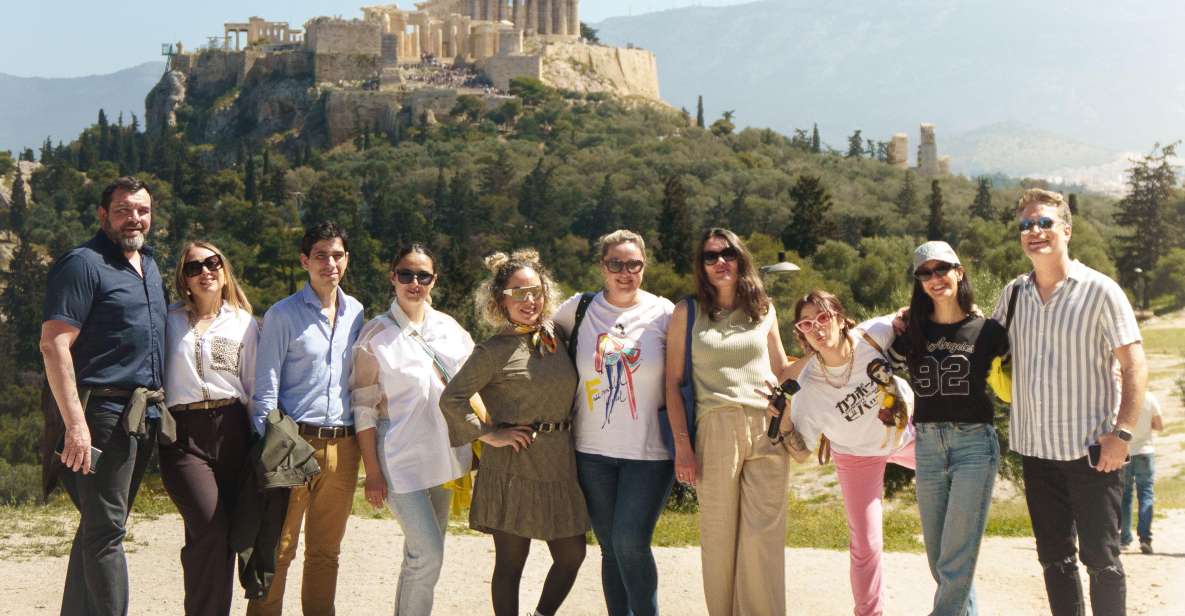
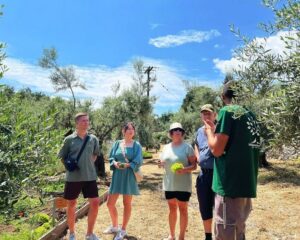
The best part of this experience is the combination of eating and walking. You do not simply sit down for one long meal. Instead, you move through central Athens, stopping at local shops, tavernas, cafes, and food spots while your guide explains how Greek cuisine fits into daily life.
That structure gives the tour a useful rhythm. A small plate of meze makes more sense when you hear how Greeks share food. Moussaka becomes more than a familiar menu item when it appears as part of a meal in a local taverna. A taste of ouzo opens a door to the country’s long tradition of slow, social eating.
The route also shows you parts of Athens that can be missed if you stay on the main tourist paths. It begins in the Koukaki area, near the Syngrou Fix metro station, then moves through residential streets and up toward Filopappou Hill. Later, you descend toward Psyrri, one of the city’s well-known areas for eating and nightlife.
You should think of this as a walking meal with history attached, not as a formal archaeological tour with food added at the end. The food takes center stage, but the setting gives each stop more character.
You can also read our reviews of more walking tours in Athens


Starting near Syngrou Fix and Koukaki
Your meeting point is in front of Gregory’s cafe, close to the Drakou Street exit of Syngrou Fix station on Athens’ red metro line. That is a practical starting point because the station is easy to identify and connects with central Athens.
Once you meet your English-speaking guide, the group begins on foot. The route passes through Koukaki and residential areas before reaching the first food stop. This early section helps shift your attention away from the major avenues and toward the smaller streets where everyday Athens takes place.
The exact group size is not stated, but the experience is described as suitable for small-group conversation. That matters on a food tour. You have more chance to ask why a dish is prepared in a certain way, what an ingredient means, or where a custom comes from.
Guides named in the experience include Oral, Julia, and Ipek. Oral receives particular praise for his knowledge of Greek culture, local places, and historical details. You may also encounter Julia or Ipek, depending on the date and language arrangements.
Meze, local dishes, and the first restaurant stop
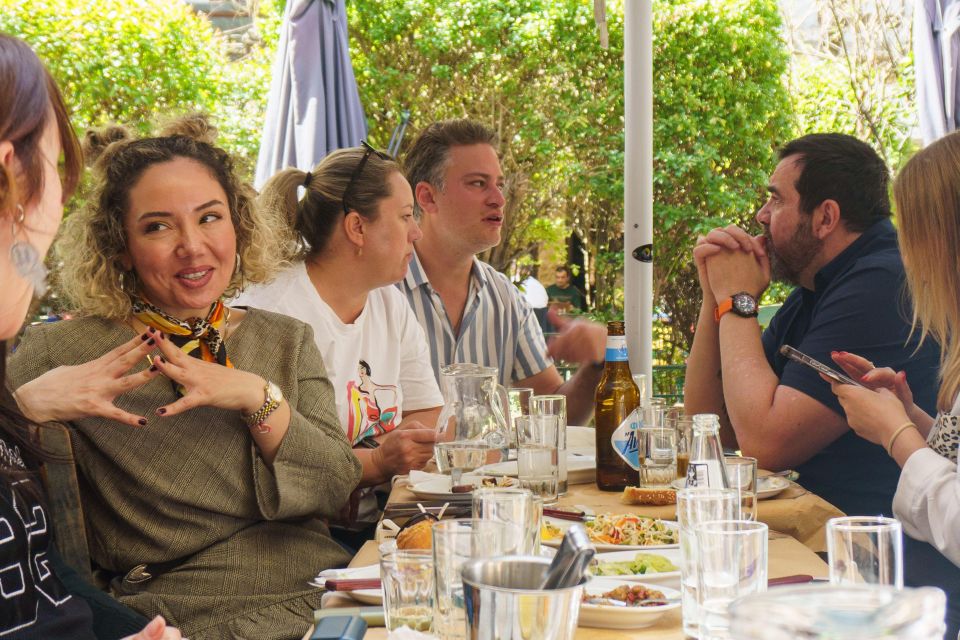
The first substantial food stop is scheduled for about 90 minutes. You can expect a local restaurant or taverna setting, with regional food and several tastings rather than one single plate.
Meze is likely to be the main idea here. Greek meze are small shared dishes, and they offer a useful introduction to the country’s food culture because you can sample several flavors at once. The listed foods include traditional Greek salad and other small creations, with one account of the experience mentioning fried sardines as an unexpected favorite.
That detail is worth keeping in mind if you are unsure about fish. The tour may encourage you to try something outside your normal order, but you should tell your guide about allergies, dislikes, or dietary limits before the food begins. The supplied information does not promise vegetarian, vegan, gluten-free, or allergy-specific menus.
The first meal is also a chance to slow down. Greek dining is often social and unhurried, and a 90-minute stop leaves time for conversation rather than forcing you to eat between hurried transfers.
Drinks are not included in the price. The experience does include a tasting of ouzo, the anise-flavored spirit associated with Greek dining, but you should bring cash for any additional drinks or purchases.
Filopappou Hill, Socrates’ prison, and the uphill section
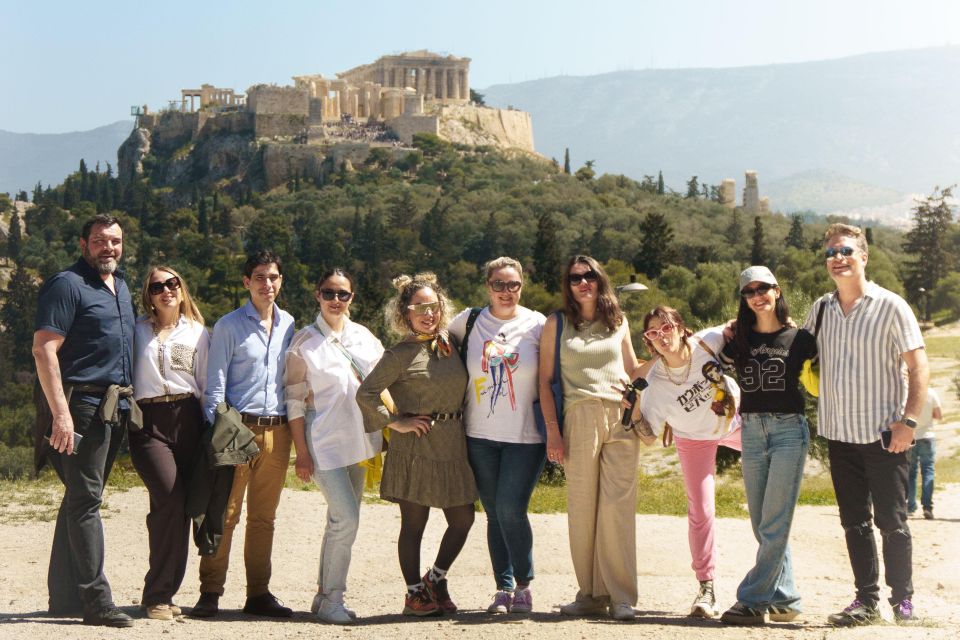
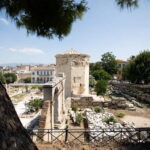
After the first food stop, the route turns toward Filopappou Hill and nearby archaeological sites. The listed route includes Socrates’ prison, the Pnyx, and views connected with the Acropolis area.
This is where the tour becomes more than a meal. Your guide can connect the streets and ruins with Athens’ ancient past while showing you how close the old sites are to ordinary residential neighborhoods. You are not just looking at the Acropolis from the usual postcard angle. You are walking through a setting where archaeological remains, trees, paths, and city streets meet.
There is a clear physical demand here. One part requires moderate climbing for about 20 minutes. Another portion includes steep streets and trails. The tour provider offers an alternate route if you cannot manage the uphill section, but you need to mention this in advance or at the meeting point.
Wear shoes with good support. A sun hat, sunscreen, comfortable clothing, and a camera are also sensible choices. Athens can feel hot on exposed paths, and the combination of food, walking, and climbing can be tiring in warm weather.
The climb is not a minor detail. If you want a flat food stroll, this is not the right fit. If you are happy to work for a view and enjoy a little exercise between meals, the hill adds real value.
The viewpoint with an unexpected Acropolis angle
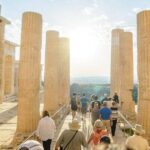
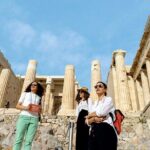
The route includes a photo stop and a viewpoint, with about 30 minutes set aside for scenic views. The Acropolis is part of the route, but this is not an Acropolis entry tour. You will see and discuss archaeological sites along the way, rather than tour the Acropolis interior.
The appeal is the angle. An Acropolis view from a less expected position can help you understand Athens as a whole city rather than as a collection of famous monuments. One account describes the view as a surprise, especially after walking away from the main tourist crowds.
Bring your camera, but do not let the photo stop turn into the whole point of the walk. The guide’s explanations are an important part of this section. Oral is noted for sharing historical details and local context, and the route gives you time to ask questions.
The viewpoint also breaks up the food stops. After a meal and a climb, you get a pause outdoors before the next restaurant. That pacing keeps the tour from feeling like four straight hours at a table.
A few more Athens tours and experiences worth a look




Moussaka and the second restaurant meal
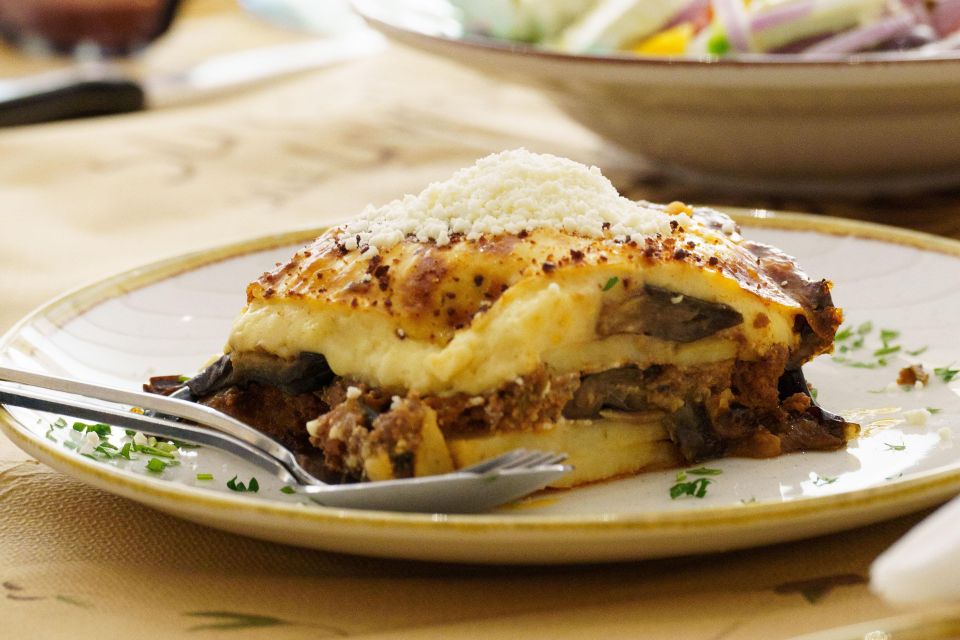
The second restaurant stop lasts about 90 minutes and centers on another round of regional food. Moussaka is one of the headline dishes, along with additional local specialties.
For many first-time visitors, moussaka is the dish they most want to try in Athens. It is hearty and filling, so its place in the schedule matters. You have already sampled meze and salad, then walked uphill, and now you get a more substantial course.
The tour’s food is not presented as a list of isolated samples. The sequence moves from shared small plates to a main meal, then on to dessert and coffee. That makes the $117 price easier to assess. You are paying for several tastings, two restaurant visits, guiding, walking, and cultural context, not merely a few bites at a market stall.
Still, value depends on your appetite. If you prefer a light lunch or plan to eat a large dinner soon afterward, four hours of food may feel like too much. The tour is best placed as your main meal for the afternoon.
The experience also gives you a chance to compare settings. The first stop is described as a charming Greek restaurant or kafenion-style place, while the second focuses more on taverna food. That contrast helps you see how different types of local dining fit into Athens.
Psyrri sweets, coffee, and the final stop
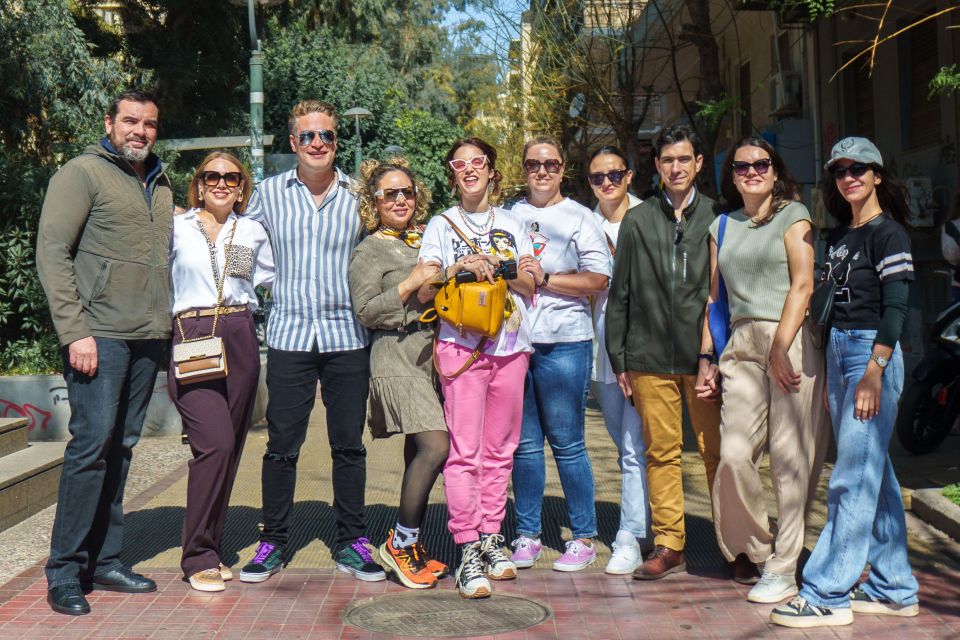
The tour finishes in Psyrri, with a visit to a local bakery and about an hour devoted to dessert and coffee tasting. This is a smart ending. After the savory dishes, you move to Greek sweets such as baklava, kadaifi, and possibly orange cake.
Baklava is familiar to many people, but Greek versions can vary in texture, nuts, syrup, and spice. Kadaifi offers a different experience, with fine shredded pastry and a distinct crispness. Orange cake adds another local flavor profile and gives the final stop more range than a single pastry would.
The bakery stop is also useful from a practical point of view. Psyrri is a good place to continue your evening, and finishing there leaves you near more restaurants, cafes, and central Athens streets. The tour does not provide onward transportation, but you finish in an area where you can continue exploring on foot.
Coffee tasting is included in the final stop, while other drinks are not included. If you want wine, beer, soft drinks, or extra coffee, plan to pay separately.
What the $117 price includes
At $117 per person, this is not the cheapest way to sample Greek food. You could spend less by ordering one meal on your own. The better question is what you would have to arrange separately.
The price includes:
- An English-speaking guide
- Four hours of walking and food-related activities
- Food tastings at local restaurants and other stops
- Dessert and coffee tasting
- Visits to archaeological spots along the route
- Scenic viewpoints and historical explanations
You are also paying for the route design. It links Koukaki, Filopappou, Acropolis views, and Psyrri without asking you to plan the sequence yourself. For a first visit, that can be worth a good part of the cost.
The value is strongest if you want a full introduction to Greek food and local context in one afternoon. It is weaker if your main goal is a cheap meal, a formal archaeological tour, or a market-only tasting.
Because drinks are excluded, bring cash for anything beyond the listed tasting. The tour specifically advises bringing cash, and that is useful for extra beverages or purchases at local stops.
Who will enjoy this Athens food walk
I would choose this tour if you want food, stories, and views in the same experience. It suits first-time visitors who want help understanding Greek dishes, as well as repeat visitors who have already seen the Acropolis from the standard routes.
It also fits people who enjoy conversation. The guides are described as warm and patient, and the route allows time for questions. The small-group format mentioned in the experience is particularly helpful if you want to discuss Greek cuisine, regional influences, or local customs rather than simply follow a guide holding up a sign.
Food lovers should find plenty to like. The menu moves across meze, salad, moussaka, sweets, ouzo, and coffee. You get a broad sample instead of focusing on just one style of food.
This is less suitable for anyone who has difficulty with steep paths, long walks, or warm outdoor conditions. It may also be a poor match for strict dietary requirements because no specific alternative menu is promised.
Families with older children may appreciate the mix of food and archaeology, but the provider does not give a minimum age or child-specific menu. You will need to decide based on your child’s walking ability and eating habits.
Practical details that affect the day
The tour lasts four hours, and starting times vary by availability. I would schedule it when you can treat it as your main afternoon activity, with enough time afterward to rest or continue around Psyrri.
The tour is conducted in English. If you need another language, do not assume it is available. One German-language booking was changed to English because of guide illness, so check the language details carefully when reserving.
The meeting point is in front of Gregory’s cafe near Syngrou Fix station. Use the red metro line and exit toward Drakou Street. Arriving a little early is sensible because the route begins on foot and may not pause for late arrivals.
Wear comfortable walking shoes, light clothing, and sun protection. Carry a camera if you want the viewpoint photos, and bring cash for drinks not covered by the tour.
You can cancel up to 24 hours ahead for a full refund, and reserve now while paying later. Those terms help if your Athens schedule is still changing, but the uphill route and four-hour duration are the details that should guide your decision most.
Should you book this tour?
Book it if you want a generous Greek food sampler tied to real neighborhoods, archaeological sites, and a strong Acropolis viewpoint. Oral, Julia, and Ipek bring a personal local touch, and the tour’s best feature is the way food and place reinforce each other.
Skip it if you want a flat route, a short tasting, or a formal tour inside the Acropolis. At $117, the price makes sense when you count the food, two restaurant meals, dessert, guide, and four hours of local orientation.
My practical advice is simple: arrive hungry, wear proper shoes, bring water and cash, and tell the guide if the hill is a problem. If that sounds like your kind of Athens afternoon, this is a strong choice for a first taste of the city’s food and everyday character.
FAQ
How long does the Athens foodie walking tour last?
The tour lasts four hours.
Where does the tour meet?
Your guide waits in front of Gregory’s cafe. The nearest metro station is Syngrou Fix, using the Drakou Street exit on the red line.
Where does the tour finish?
The tour finishes in Psyrri.
What language is the tour conducted in?
The live tour guide speaks English.
Is food included in the price?
Yes. Food tastings are included, with stops featuring Greek dishes, desserts, and coffee tasting.
Are drinks included?
Drinks are not generally included. The experience includes a tasting of ouzo, but you should bring cash for additional drinks.
What food can I expect to taste?
The listed foods include meze, moussaka, traditional Greek salad, kadaifi, baklava, and other regional dishes. The tour also includes dessert and coffee tasting.
How much uphill walking is involved?
One section requires moderate uphill climbing for about 20 minutes. The route also includes steep streets and trails.
Can I take an alternative route if I cannot climb uphill?
Yes. You should inform the provider if you cannot manage the uphill section so an alternative route can be arranged.