REVIEW · ATHENS
Athens Private Walking Food Tour With Secret Food Tours
Book on Viator →Operated by Secret Food Tours · Bookable on Viator
Athens reveals itself especially well through food. On this private three-hour walk, you move from the Monastiraki shopping lanes to the central market, Roman ruins, and the old Plaka neighborhood while tasting dishes shaped by more than four thousand years of Greek culinary tradition, including Ottoman and Roman influences.
I like the private format, which lets your guide adjust the pace for families, mixed walking speeds, and different tastes. I also like the market-based route, since seafood, produce, olives, pastries, and street food make Athens feel like a living city rather than a museum set.
The main consideration is price: at $397.59 per person, this is a serious splurge for a three-hour outing. You are paying for a private guide and a full meal, not simply a few samples, but budget-minded visitors may find a small-group food walk better value.
In This Review
- Key points to know before booking
- Why this Athens food walk works
- Monastiraki starts with shopping and street life
- Koulouri and tiropita set the Greek tone
- The central market brings food into focus
- Seafood, fava, and tzatziki make this more than a snack tour
- Hadrian’s Roman complex adds a pause from eating
- Plaka provides the old-Athens finish
- Dessert and the secret dish keep the ending flexible
- The guide makes or breaks a private tour
- Is $397.59 per person fair value?
- Who should book this Athens food tour?
- Should you book it?
- FAQ
- How long is the Athens Private Walking Food Tour?
- Where does the tour start?
- Where does the tour finish?
- Is food included in the price?
- Is transportation included?
- Can the menu or route change?
Key points to know before booking

- Start at Monastiraki Flea Market: The route begins on Ifestou Street, in one of central Athens’ busiest shopping areas.
- A full meal is included: Expect seafood, pastries, dips, vegetables, olives, dessert, and a secret dish, not just token tastings.
- Your guide sets the rhythm: Private touring can work well for families and groups with different walking speeds.
- History comes between bites: The route includes Hadrian’s Roman library complex and the old lanes of Plaka.
- The menu can change: Food stops depend on availability, weather, and other local conditions.
- The experience returns to its starting point: You finish back at Monastiraki, with no transportation included.
Why this Athens food walk works
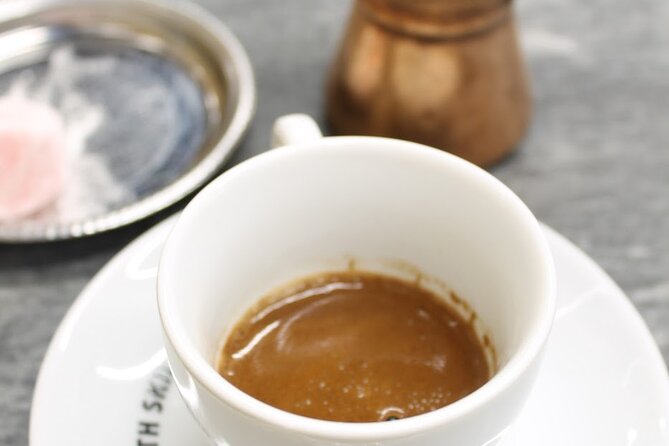
A food tour is often the quickest way for me to get a feel for a city. Athens is particularly suited to this approach because its food culture is not confined to formal restaurants. Bakeries, market stalls, specialty shops, old neighborhood eateries, and family-run food spots all play a part.
This tour links those everyday places with the city’s past. You might be eating a sesame-coated koulouri, then hearing how Greek cooking developed through contact with the Roman and Ottoman worlds. That connection gives the meal more meaning. You are not only checking dishes off a list. You are learning how ingredients, trade, migration, and local customs shaped what ends up on an Athenian table.
The route is also useful early in your stay. Three hours gives you enough food for lunch and enough orientation to help you return later on your own. I would book it near the beginning of a visit, especially if you want your guide’s suggestions to influence the rest of your meals.
You can also read our reviews of more walking tours in Athens

Monastiraki starts with shopping and street life
The meeting point is Monastiraki Flea Market on Ifestou Street. This is a practical starting place because it sits near public transportation and puts you right into central Athens.
The surrounding shopping district has clothing boutiques, souvenir shops, specialty stores, and bargain stalls. Avissinias Square is known for antiques and older decorative items, along with precious objects. The area can feel busy and commercial, but that is part of its value. It shows you the modern shopping side of Athens before the tour moves toward food and history.
I would arrive with a few minutes to spare. The meeting area is easy to recognize as a shopping zone, but a market street is not the quietest place for finding a guide. Keep your phone charged, since the booking provides a mobile ticket and the tour ends at the same point.
Do not expect a long shopping stop. The market is more likely to provide atmosphere and orientation than a dedicated buying session. If you want to browse every antique stall, plan to return after the tour.
Koulouri and tiropita set the Greek tone
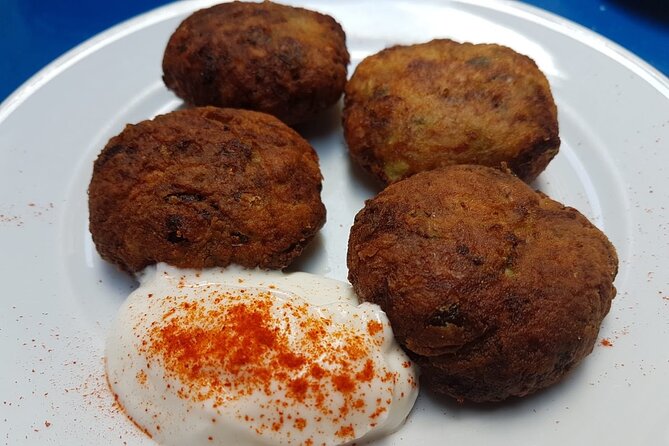
Early tastings include koulouri, the familiar Athenian bread ring coated with sesame, and tiropita, a savory pastry traditionally filled with cheese. These are simple foods, but they are exactly the sort of things that can get lost when you spend all your time ordering famous restaurant dishes.
Koulouri is useful as a first bite because it is light and portable. Tiropita gives you a richer pastry texture and a clearer sense of how important baked dough and cheese are in Greek eating. Together, they introduce the tour in an approachable way before the larger plates arrive.
I appreciate this order of foods. A good food walk should build from small, everyday tastes toward a fuller meal. You also get a chance to ask your guide about ingredients and local eating habits before you are faced with a table full of unfamiliar dishes.
The central market brings food into focus
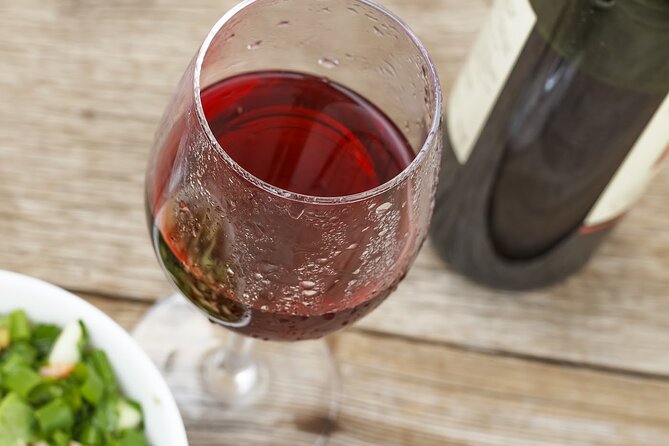
The market stop is the heart of the route for anyone who likes to see ingredients before they reach the plate. You can expect stalls with locally sourced seafood, meat, fruit, and vegetables, along with food sold for eating on the spot.
This is where Athens feels most direct. Fish and shellfish show the importance of the sea, while produce, olives, beans, herbs, and dairy point to the broader range of Greek cooking. The market also helps explain why Greek food is often less about complicated preparation and more about the quality and balance of a few ingredients.
Your guide’s role matters here. A market can be confusing if you do not know what you are seeing, and the best part of the stop is the explanation attached to the food. Ilias and Thalia have both led this Athens experience, and the strongest guide qualities reported from their tours are warmth, patience, humor, and pride in local food.
If you have strong food dislikes or dietary limits, tell the operator when booking and remind the guide at the start. The supplied details confirm that food is included, but they do not promise a fixed menu or specific substitutions.
Seafood, fava, and tzatziki make this more than a snack tour
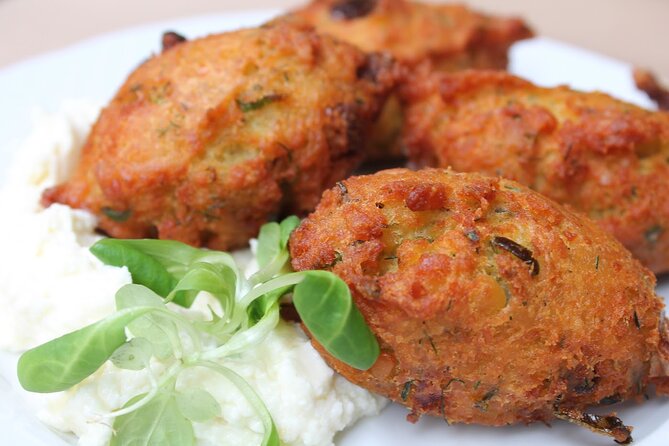
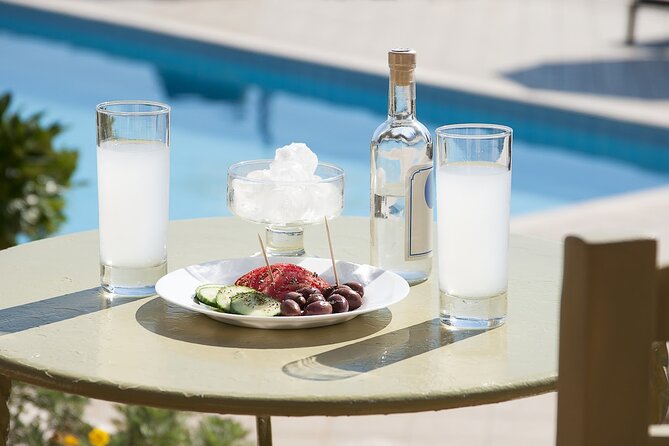
The included food covers a wide spread of Greek flavors. Fresh seafood gives the meal a taste of coastal cooking. Tzatziki adds cool yogurt, cucumber, and garlic, while fava bean purée brings a smooth, earthy vegetable dish to the table.
The menu also includes olives and an olive oil tasting. This is one of the most useful parts for food-minded visitors because it encourages you to notice differences in flavor and texture rather than treating olive oil as background dressing. Bread helps carry the dips and purée, making the meal feel like lunch instead of a series of unrelated samples.
Saganaki is another hearty stop. The name is associated with fried cheese served hot, and it adds salt and richness to a menu otherwise balanced by vegetables, seafood, and olives. The listed dish is called saganaki cesaria, so the exact preparation may vary.
You should pace yourself. The combination of pastries, bread, cheese, seafood, dips, and dessert can become filling well before the final stop. Small tastes may be served, but the experience includes lunch, so avoid arriving after a large meal.
You can also read our reviews of more food & drink experiences in Athens



Hadrian’s Roman complex adds a pause from eating

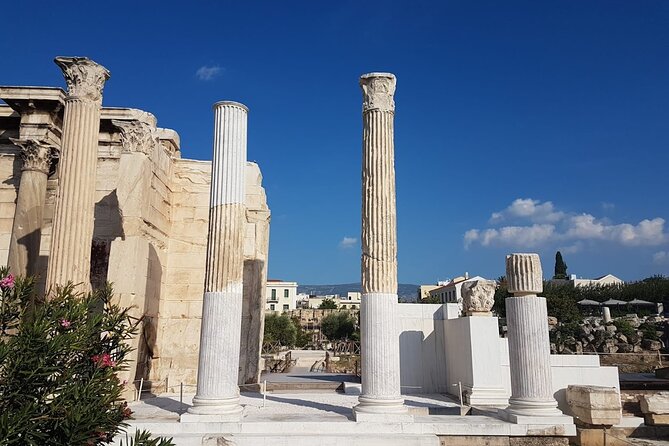
The walk includes the Roman ruins of Hadrian’s Library, a cultural complex built in 132 CE by Emperor Hadrian. This stop gives the tour a welcome change of pace and ties the food to Athens’ long sequence of outside influences.
You will not spend the entire tour among ruins. That is good news if your main goal is eating, but it also means the archaeological visit is a short cultural stop rather than a full guided exploration of the site. The value lies in the setting and the explanation you receive as you walk through central Athens.
Hadrian’s presence also fits the food theme. Athens did not develop its cuisine in isolation. Roman rule, later Ottoman influence, trade, and local customs all helped shape the city’s food traditions. The tour’s historical comments are most useful when they stay connected to what you are tasting.
If you want a detailed archaeological tour, book a separate visit to Athens’ major ancient sites. This experience uses history to enrich the meal rather than replacing a dedicated ruins tour.
Plaka provides the old-Athens finish
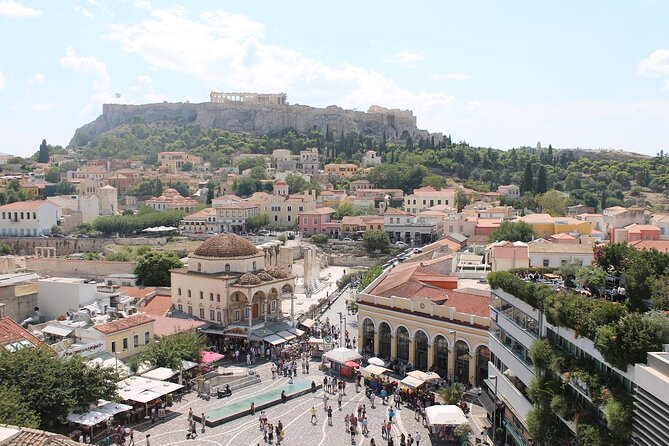
The route continues into Plaka, the old neighborhood clustered around the northern and eastern slopes of the Acropolis. Its maze-like streets and neoclassical buildings offer a sharp contrast to the market’s noise and open stalls.
Plaka is a good setting for a private walk because the route can be adjusted to your group. A family with children may need more pauses. A group that wants photographs may spend longer in attractive lanes. People who walk at different speeds do not have to keep up with a large tour party.
The area is also useful for seeing how Athens layers old and new. Tourist-oriented shops sit beside local streets and older buildings, and the Acropolis often shapes the sense of place even when it is not the direct focus of the stop.
The route finishes back at Monastiraki. That makes the tour easy to pair with an afternoon of independent sightseeing, shopping, or a visit to another central attraction. Since transportation is not included, you will need to arrange your own way to and from the meeting point, though the start is near public transportation.
Dessert and the secret dish keep the ending flexible
The meal closes with galaktoboureko, a sweet pastry made with custard and filo, along with the company’s secret dish. The dessert supplies a clear finish after the savory dishes, while the secret dish adds a little uncertainty to the experience.
That final surprise is fun for adventurous eaters, but it is also why you should not expect a fully fixed menu. The operator notes that the itinerary and dishes may change according to location availability, weather, and other circumstances. A favorite stop could be replaced, or the order of tastings could shift.
This flexibility is normal for a food walk that relies on working shops and markets. It can be a strength because the route responds to local conditions. It can also disappoint you if you book for one exact dish and treat the published menu as a guarantee.
The guide makes or breaks a private tour
With a private tour, the guide is not a small part of the experience. The guide is the experience. The most useful guide style here is personal and flexible, with enough local knowledge to explain food without turning every stop into a lecture.
Ilias has been praised for patience with large families and groups moving at different speeds. Thalia has been praised for her humor, warmth, and ability to explain Greek food and customs. She has also guided bilingual groups in English while adding some German, which may help if your party is not entirely English-speaking. The available information does not promise a particular guide, so ask when booking if a named guide matters to you.
You should also speak up during the walk. Tell the guide if you need a slower pace, want more time at a market stall, or cannot eat a certain ingredient. A private format gives you room to do this, though it does not mean every request can be met.
Is $397.59 per person fair value?
At $397.59 per person, the cost is high. The price includes lunch and a long list of tastings, but the main added value is the private guide. You are not simply buying food. You are paying for a route designed around your own group, with no strangers setting the pace.
For a couple, the cost may feel hard to justify unless personal attention is a top priority. For a family or larger private group, group discounts could improve the calculation, so check the final price carefully. If you would otherwise book a meal, a market visit, and a private walking guide separately, the package becomes easier to defend.
I would compare this with the price of a small-group tour before booking. Choose this one if privacy, schedule control, and a tailored pace matter more than finding the lowest-cost introduction to Greek food.
Who should book this Athens food tour?
I would recommend it to first-time visitors who want food and basic city orientation in one outing. It also suits families, multigenerational groups, and friends with mixed walking speeds because the guide can keep the group together without the pressure of a large party.
Food-curious visitors will get the most from the variety. You taste bread, pastries, seafood, vegetables, beans, cheese, olives, oil, dips, and dessert rather than eating one standard Greek entrée. That range helps you decide what to seek out for the rest of your trip.
The tour is less suitable if you want a low-cost activity, a serious archaeology tour, or a completely fixed menu. It also requires good weather, and the operator may cancel if conditions are poor or if the minimum number of participants is not met. In those cases, you are offered another date, another experience, or a full refund.
You can cancel for a full refund up to 24 hours before the start time. Changes or cancellations inside 24 hours are not accepted for a refund, and gratuity is not included.
Should you book it?
Book this private Athens food tour if you want a personal introduction to local eating and are willing to pay for it. The combination of Monastiraki, the central market, Hadrian’s Library, and Plaka gives you more than a meal, while the included dishes offer a broad look at Greek flavors.
I would choose it early in an Athens visit, arrive hungry, wear comfortable shoes, and keep your plans flexible. If the $397.59 price feels too steep, look for a small-group alternative. If your group values privacy and a guide who can adjust the walk to your pace, this experience earns serious consideration.
FAQ
How long is the Athens Private Walking Food Tour?
The experience lasts approximately three hours.
Where does the tour start?
It starts at Monastiraki Flea Market on Ifestou Street, Athens 105 55, Greece.
Where does the tour finish?
The tour ends back at the meeting point.
Is food included in the price?
Yes. Lunch and the listed tastings are included, including koulouri, tiropita, fresh seafood, tzatziki, fava bean purée, saganaki, olives, olive oil, galaktoboureko, and a secret dish.
Is transportation included?
No. Transportation is not included, although the meeting point is near public transportation.
Can the menu or route change?
Yes. The itinerary and menu can change based on location availability, weather, and other circumstances.