REVIEW · ATHENS
Best of Greece: 7-Day Tour to Real Greece of the Peloponnese, Delphi and Meteora
Book on Viator →Bookable on Viator
The most rewarding part of this seven-day private journey is its reach. You move from the Corinth Canal and Mycenae to remote Mani villages, Byzantine ruins, Delphi, and the monasteries of Meteora, seeing far more than Athens and the usual island circuit. I especially like the local lunches and the way the route includes small mountain towns, not just headline sights.
I also like the personal touch from drivers such as Theo and Panayiotis, who can explain Greek history, recommend dishes, and adjust the pace. The main drawback is the amount of time in the vehicle. This is a packed road trip, and admission fees, about €120 per person, plus an optional licensed guide, cost extra.
In This Review
- Key points at a glance
- Why this route feels different from a standard Greece tour
- Day 1: Corinth Canal, Mycenae, and the old town of Nafplio
- Day 2: The coast, Mount Parnon, and Monemvasia
- Day 3: Mani, Diros Caves, and Byzantine Mystra
- Day 4: Olympia and the stone villages of Arcadia
- Day 5: Cave of the Lakes, Kalavrita, and the Odontotos train
- Day 6: Delphi and the road toward Meteora
- Day 7: Meteora monasteries and Thermopylae
- What the price really covers
- Who will enjoy this seven-day route
- Should you book it?
- FAQ
- How long is the tour?
- Where does pickup take place?
- Is this a private tour?
- What meals are included?
- Are archaeological entrance fees included?
- Is a licensed guide included?
- How much physical fitness do I need?
- Which major sites are included?
- What is the cancellation policy?
Key points at a glance
- A true mainland route: Cover the Peloponnese, Delphi, Meteora, and Thermopylae in one carefully connected trip.
- Private transportation: Only your group participates, with pickup from an Athens hotel, Airbnb, airport, Piraeus, Nafplio port, or Hydra, with possible extra charges for some locations.
- Seven included lunches: Meals are used to introduce you to regional Greek cooking, often in small towns away from standard tourist stops.
- Strong driver-host service: Theo and Panayiotis are noted for safe driving, conversation, local food advice, and thoughtful adjustments.
- Varied overnight stops: Sleep in places such as Nafplio, Monemvasia, Arcadia, Galaxidi, and the Meteora area rather than returning to Athens each night.
- A full sightseeing schedule: Expect ruins, caves, monasteries, steep steps, mountain roads, and long days. Moderate fitness is needed.
Why this route feels different from a standard Greece tour
Many first trips to Greece focus on Athens and the islands. This tour takes the other road. It shows you the mainland through old fortresses, olive groves, stone villages, Byzantine churches, sea caves, and winding mountain passes.
You still get the major names. Mycenae, Olympia, Delphi, and Meteora are all here. But the route also pauses in Tyros, Leonidio, Kosmas, Areopoli, Dimitsana, and Galaxidi. Those stops help you understand how varied Greece is outside the big archaeological centers.
The tour is private, so your group can ask questions, linger over lunch, or make small changes when time allows. The driver is not automatically a professional licensed guide, though an optional guide can be arranged. That distinction matters. Your driver may provide excellent historical background, but formal site guiding is a separate service.
A few more Athens tours and experiences worth a look

Day 1: Corinth Canal, Mycenae, and the old town of Nafplio
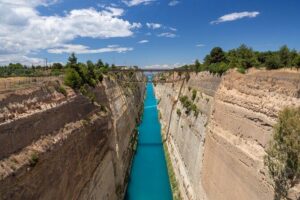
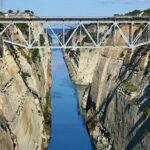
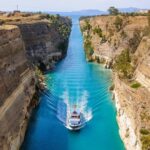
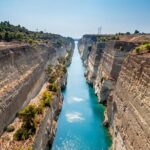
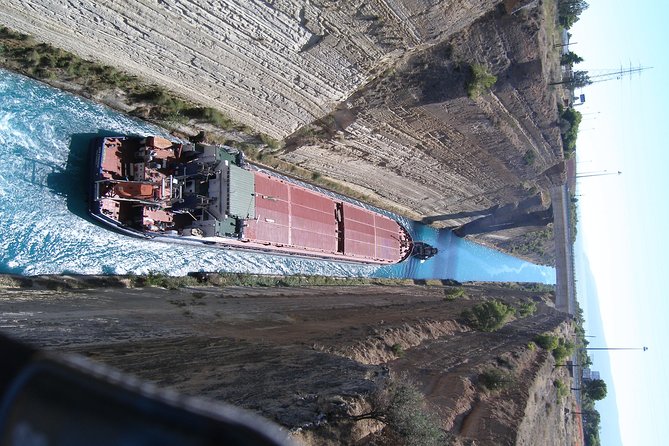
Pickup begins at 8 a.m. from your Athens accommodation or one of the listed arrival points. The first stop is the Corinth Canal, a brief but useful introduction to the geography of the trip. The narrow cut separates the Peloponnese from mainland Greece and gives you a clear sense of why Corinth mattered for trade and military movement.
The stop lasts about 15 minutes, so think of it as a photo break, not a full visit. There is no admission fee.
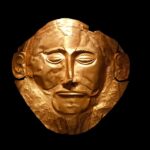
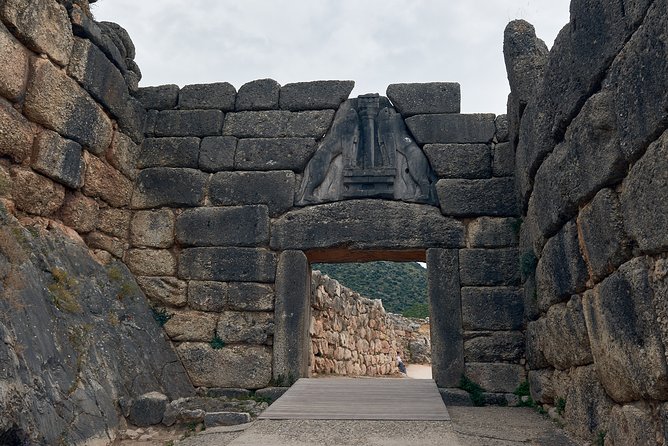
Next comes Mycenae, one of the day’s major archaeological stops. The site connects the tour with the Mycenaean civilization and the world associated with King Agamemnon. You’ll have about two hours for the ruins and museum, enough to explore at a steady pace without racing from one stone to the next.
Mycenae is uneven and exposed. Wear shoes with a firm sole, bring water, and expect sun. The admission fee is not included.
Nafplio gives the day a pleasant change of pace. This elegant port town has an attractive old center, waterfront walks, and a romantic feel that makes it one of the most enjoyable bases in the eastern Peloponnese. Two hours here lets you wander rather than simply take a photograph from the vehicle.
Palamidi Castle adds a physical challenge. The Venetian fortress is reached by a long stairway, commonly described as 999 steps, though the exact count is less important than the effort. You may also walk down toward Nafplio’s old town after exploring the fort.
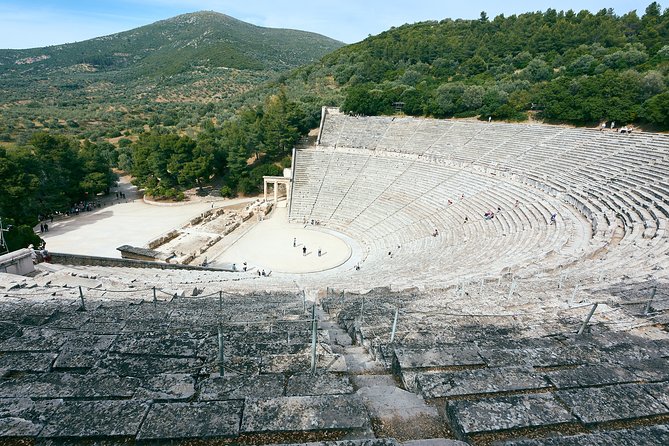
The Ancient Theatre of Epidaurus is another major stop, with about two hours on site. Its carefully preserved theater is famous for its acoustics and still gives you a strong sense of ancient Greek performance culture. The setting is peaceful, but the ground is uneven and the admission fee is extra.
Ancient Corinth is listed as optional, as is an evening ride into Nafplio for dinner and a stroll around the port. These choices depend on your group’s energy and the day’s timing. I would favor the evening in Nafplio if you enjoy slow meals and town walks, but a full day of ruins may leave you ready for an early night.
Day 2: The coast, Mount Parnon, and Monemvasia
Day two avoids a plain motorway ride to Monemvasia. Instead, you follow the coast near Tyros, stop for Greek coffee by the water, and then climb into the Parnon mountain range.
That change is one of the route’s strongest ideas. You see the country in stages: sea, red rock, forest, and high village. The roads are slower and winding, so anyone prone to motion sickness should plan ahead.
Leonidio is known for its red mountain walls, the Dafonas Gorge, and its local eggplant. The stop is brief, only about 15 minutes, but the view gives you a taste of the dramatic terrain ahead.
The cliff-hanging Monastery of Panagia Elona gets another 30-minute stop. The main attraction is the setting, with the monastery attached to the rock above the road and wide views across the surrounding mountains. Time is short, so this is a scenic pause rather than a full religious-site visit.
Lunch in Kosmas is a highlight for anyone interested in local life. The village sits high on Mount Parnon among chestnut and pine forests, and the main square is shaded by large plane trees. The difference in temperature between the mountain and the coast can be substantial, so keep a light layer handy.
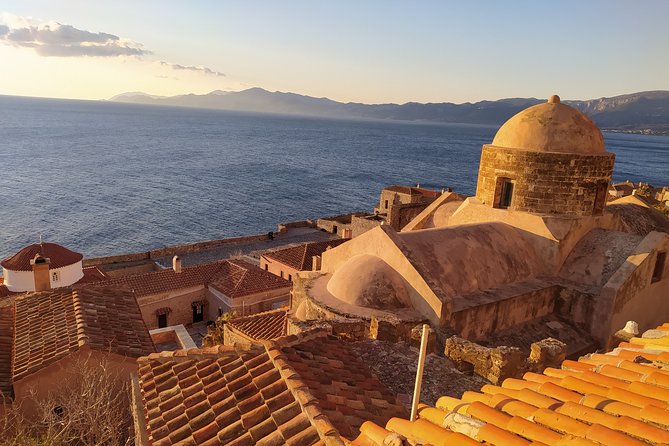
Monemvasia receives the long visit it deserves. The medieval castle town is built against the rear of a sea rock, with stone lanes, churches, and views that reward unhurried walking. The itinerary lists 15 hours, which appears to represent the overnight stay rather than a literal sightseeing period. In practical terms, you should expect an extended afternoon, evening, and overnight in the castle area.
This is a place where your free time matters. Explore the lanes, sit down for a drink, and let the fortress-town atmosphere work on you. Some surfaces are steep or rough, and luggage can be awkward in old stone settlements, so pack lightly for the night.
Day 3: Mani, Diros Caves, and Byzantine Mystra
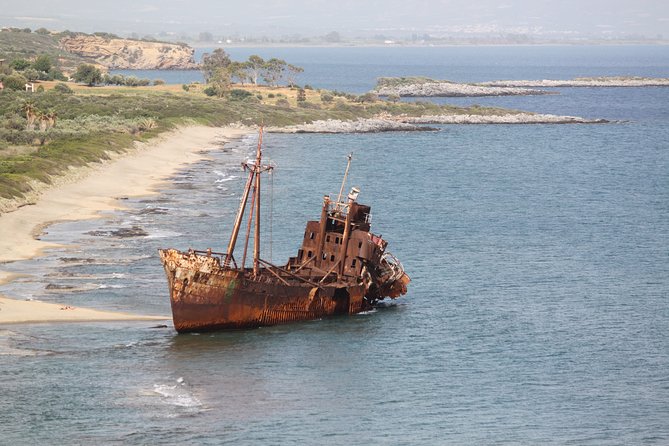
The Mani Peninsula brings a wilder side of the Peloponnese. The route spends about an hour taking in the region before reaching the Caves of Diros, where a guided boat carries you through an underground system of stalactites, stalagmites, and narrow passages.
The cave lighting is designed to show the formations without turning the place into a loud spectacle. The boat portion lasts about an hour, and admission is extra. If you dislike enclosed spaces, this may be the day’s least comfortable activity.
Areopoli provides a stop in one of Mani’s traditional stone-built towns. Its old defensive character reflects a region where piracy and clan conflict shaped daily life. You have about an hour to walk, look at the stone architecture, and enjoy a break.
Mystra is one of the tour’s essential historical sites. This Byzantine castletown spreads across a steep slope above Sparta, with churches, ruined buildings, and broad views over the plain and olive groves. Two hours is useful, though not generous if you want to inspect every church and climb every path.
Plan for slopes, steps, and uneven paving. If someone in your group has limited mobility, discuss the pace before the day begins. The driver can help balance the itinerary, but Mystra is inherently hilly.
Vatheia is offered as an alternative to the Diros Caves. Its abandoned stone towers and remote position make it one of Mani’s most photographed places. Choose it if you prefer architecture, silence, and open views to an underground boat ride.
The Leonidas Monument is another optional-style historical pause in the wider route, with a statue recalling the Battle of Thermopylae and the Spartan king’s famous refusal to surrender. It is a quick 15-minute stop, more symbolic than extensive.
Day 4: Olympia and the stone villages of Arcadia
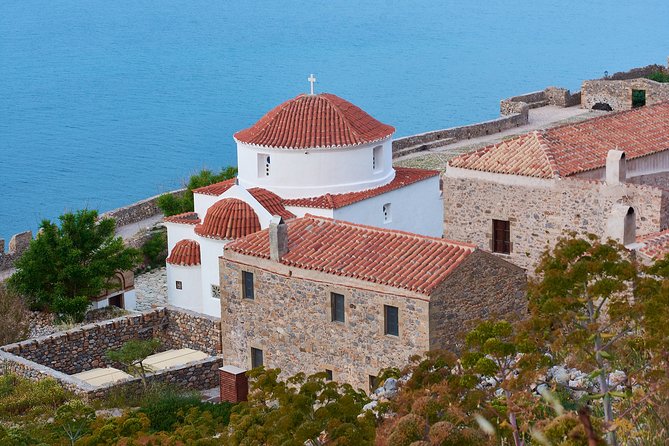
Olympia is the day’s main event. The archaeological site preserves the remains of the original Olympic Games complex, including the stadium, training areas, and temples dedicated to Zeus and Hera.
The site is broad, and one and a half hours gives you a useful introduction. You’ll walk outdoors across open ground, so sun protection and comfortable shoes matter. Admission is not included.
The Archaeological Museum of Olympia follows, with another hour devoted to statues and architectural sculpture. The Hermes associated with Praxiteles and the sculptural decoration from the Temple of Zeus are major reasons to make time for the museum, not simply treat it as an add-on.
After Olympia, the route heads into Arcadia for an overnight in a mountain village. This transition is valuable because it shifts the focus from ancient athletic competition to rural Greek architecture and daily life.
Dimitsana is especially attractive in the evening. Its stone houses and mountain setting make it a good place for a walk after a long day among ruins. Nearby Stemnitsa is also mentioned as part of this Arcadian area, though the exact stop can depend on timing.
This is another long day, but it has a comfortable rhythm: major site, museum, scenic drive, then a small-town evening. I would use the village stay to rest rather than try to pack in extra sightseeing.
- All Day Cruise -3 Islands to Agistri,Moni, Aegina with lunch and drinks included
★ 5.0 · 4,958 reviews





Day 5: Cave of the Lakes, Kalavrita, and the Odontotos train
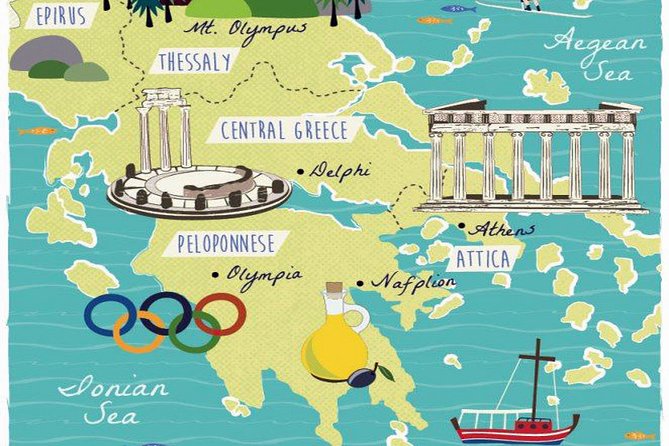
Kastria Cave of the Lakes is unusual because of its lake formations and galleries. The visit lasts about an hour, with admission extra. As at Diros, the cave adds variety to a tour otherwise built around ruins and mountain towns.
Kalavrita is the lunch stop and gives you time to walk around the center before or after eating. It is described as a year-round mountain resort, so you get a change from the coastal and archaeological settings of earlier days.
The Odontotos rack railway is the day’s distinctive feature. The historic line runs between Diakopto and Kalavrita through a gorge, using bridges and tunnels. The railway’s stone and wood construction was designed to fit its surroundings, and the ride offers a more relaxed way to see the gorge than another stretch of road.
The train admission is not included. You should also understand that the route is tightly timed, so rail operations and the day’s schedule matter. This is not a flexible all-day railway outing. It is one component of a larger transfer day.
Nafpaktos may receive a quick coffee stop if time allows. Its waterfront and Venetian castle make it appealing, but 15 minutes is enough only to stretch your legs and look around.
Galaxidi is the overnight coastal town. Arriving in the early evening gives you time to walk beside the water and eat at your own pace. After caves, rail tracks, and mountain roads, this seaside finish is a welcome release.
Day 6: Delphi and the road toward Meteora
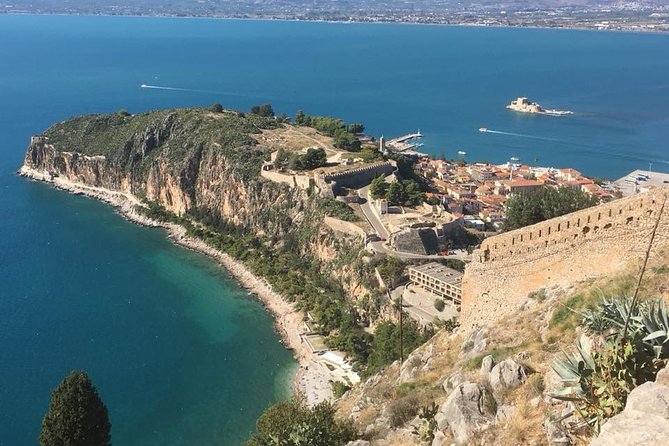
Delphi deserves careful attention, and the tour wisely includes both the museum and the ancient sanctuary. Begin with the museum, where the Charioteer of Delphi and the Sphinx of the Naxians are key works.
The museum visit lasts about 45 minutes. That is enough to see the main pieces, though anyone interested in ancient sculpture may want more time. Admission is extra.
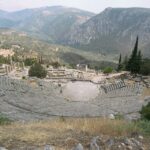
At the Delphi archaeological site, you’ll walk through the sanctuary associated with Apollo’s oracle and the ancient idea of the omphalos, the center of the Greek world. The location above the valley is as important as the ruins. Give yourself time to look outward, not only downward at stones.
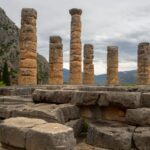
The Tholos of Athena Pronaia is a separate stop and a smart inclusion. It is the circular temple ruin often seen in photographs of Delphi, yet it is easy to miss if you follow only the main sanctuary route. You have about 30 minutes there.
Lunch in Amfissa is intended to be away from the standard sightseeing circuit. The meal is included, and the food choices are handled with local advice from the driver or tour leader. This is where the tour’s food focus becomes especially useful. Past guests praised Theo’s ability to order regional dishes and accommodate food preferences, while another guide, Panayiotis, was credited with choosing memorable places to eat.
The drive to Meteora is long, but an optional sunset look at the monasteries may be possible if there are no delays. A sunset visit gives the rock formations a different mood from the following morning. St. Stephen’s Monastery may also be visited if time permits, but neither option should be treated as guaranteed.
Day 7: Meteora monasteries and Thermopylae
Meteora is the dramatic finish. Giant rock pillars rise above Kalambaka, topped by Orthodox monasteries that seem to grow from the stone.
The Great Meteoron Monastery is the oldest, largest, and most important of the preserved monasteries. Allow about an hour, and expect steps and uneven surfaces. Religious sites require respectful clothing, and the admission fee is extra.
Varlaam Monastery follows with about 45 minutes. Its story begins with the ascetic Varlaam in the 14th century and continues with major rebuilding in the 16th century. The site helps explain how difficult it once was to build and maintain communities on these high rocks.
Holy Trinity is allotted an hour and is often the most recognizable monastery in photographs. The rock setting is extraordinary, but access involves physical effort. The tour visits two monasteries that are open on the specific day, while the listed stops indicate the main monasteries being considered. Opening schedules can affect the exact selection.
Thermopylae is the final historical stop before Athens. The Leonidas statue and battlefield area make a concise pause, about 30 minutes, to recall the 480 BC battle between the Greek alliance led by Leonidas and the Persian army of Xerxes I.
The return to Syntagma in Athens takes about two hours. After seven days of roads and sites, that final transfer may feel long, but it puts you back in the city without requiring another hotel night.
What the price really covers
At $5,046.26 per person, this is not a budget tour. The value depends heavily on your group size and on how much you would otherwise spend arranging private transport, six nights of lodging, meals, site transfers, and route planning.
The package includes accommodation selected as the best available in each location, including a distinctive five-star hotel, seven lunches, and six breakfasts. It also includes bottled water and an information booklet in the vehicle. The private format is important: you are paying for a personal vehicle and flexible service, not a seat on a large coach.
You still need to budget about €120 per person for entrance fees. A professional licensed guide is optional and costs extra, as do gratuities and any shopping or tourist stops you request. Ask for the exact hotel list and the final fee breakdown before paying. That is the best way to compare this tour with a self-drive trip or a smaller group option.
Who will enjoy this seven-day route
I would choose this tour if you want to see mainland Greece without handling mountain roads, hotel planning, ferry connections, and restaurant decisions yourself. It suits couples, families, and small groups who value privacy and conversation.
It is especially good for people who care about food. Lunch is not treated as fuel between ruins. Theo and Panayiotis are described as taking pride in finding local dishes, ordering well, and even helping with specific preferences. One particularly useful habit is stopping for Greek coffee and Freddo espresso, a small ritual that can make long driving days feel more connected to local life.
You should be comfortable with early starts, several hours on the road, steps, caves, and uneven archaeological sites. If you prefer two or three nights in each hotel, this schedule may feel too quick. The company can customize longer private journeys, but this seven-day version is designed to cover a lot of ground.
Pickup is available from Athens hotels, Airbnbs, the airport, Piraeus, Nafplio port, and Hydra, with possible added cost for some locations. Confirmation is normally provided at booking, though bookings made within four days of departure may take up to 48 hours and remain subject to availability.
Cancellation is generous only if you plan ahead: cancel at least six full days before the start for a full refund. A cancellation two to six days ahead receives 50 percent, while less than two full days receives no refund.
Should you book it?
Book this tour if your ideal Greece trip includes ancient sites and ordinary places, with a local driver, included lunches, and comfortable accommodation between long days. The route covers an impressive amount without forcing you to manage the details.
Skip it if you want a slow holiday, beach time, or independent control over every stop. The strongest reason to choose it is not simply the list of monuments. It is the combination of private transport, local meals, flexible conversation, and access to small towns that are difficult to connect on your own.
FAQ
How long is the tour?
The experience lasts approximately seven days and includes six nights of accommodation.
Where does pickup take place?
Pickup is offered from any Athens hotel or Airbnb, Athens airport, Piraeus, Nafplio port, or Hydra island. Some locations may require an extra charge.
Is this a private tour?
Yes. Only your group participates in the activity.
What meals are included?
Seven lunches and six breakfasts are included. Dinner is not listed as included.
Are archaeological entrance fees included?
No. Entrance fees are separate and are estimated at €120 per person.
Is a licensed guide included?
No. A professional licensed guide is optional and costs extra. The driver or tour leader provides the vehicle tour and information.
How much physical fitness do I need?
A moderate level of physical fitness is recommended. The route includes steps at Palamidi Castle and Meteora, uneven archaeological sites, walking at Mystra, and cave visits.
Which major sites are included?
The route includes Mycenae, Epidaurus, Olympia, Delphi, Meteora, Mystra, Monemvasia, the Corinth Canal, and Thermopylae.
What is the cancellation policy?
You receive a full refund if you cancel at least six full days before the start time. Cancellation two to six days before receives a 50 percent refund, and cancellation less than two full days before is not refunded.