REVIEW · ATHENS
Early Entry Acropolis & Museum. Beat the Crowds & the heat
Book on GetYourGuide →Operated by ATHENS WALKING TOURS · Bookable on GetYourGuide
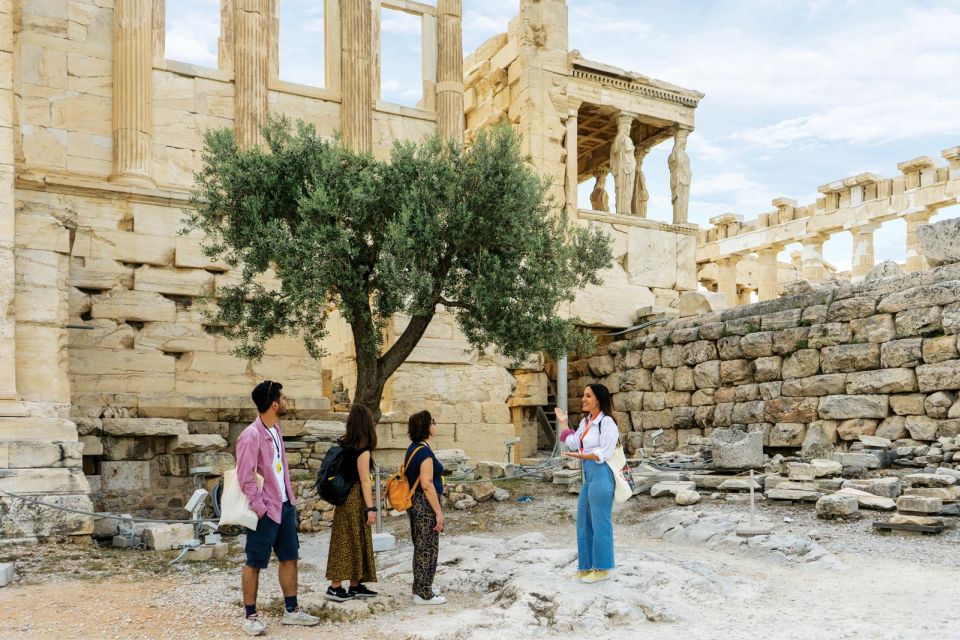
The smart feature here is simple: you visit the Acropolis early, before Athens becomes hotter and the main paths fill up. A licensed local guide leads you from the west entrance past the Parthenon, Erechtheion, Caryatids, and Temple of Athena Nike, then carries the story into the Acropolis Museum.
I like the calm morning setting and the useful two-part design. You get the monuments first, while they still have room around them, then see the surviving sculptures and objects in a museum built to explain the hill. The main drawback is strict timing: late arrivals cannot be held for, and security can still take 10 to 30 minutes or more in peak season.
In This Review
- Key points to know before booking
- Why the early start matters on the Acropolis
- Entering through the Acropolis west entrance
- The Parthenon, the tour’s main anchor
- The Erechtheion and its famous Caryatids
- Temple of Athena Nike and the western views
- Odeon of Herodes Atticus and Theatre of Dionysus
- Moving from open ruins to the Acropolis Museum
- How the guide affects the experience
- Is $57 a fair price?
- What to bring and what to leave behind
- Who should book this Acropolis morning tour?
- Should you book it?
- FAQ
- Where is the meeting point?
- How early should I arrive?
- Are Acropolis tickets included?
- How long is the museum visit?
- What language is the tour in?
- Is the tour suitable for wheelchair users?
Key points to know before booking
- Early Acropolis entry: The morning start helps you avoid the worst heat and the heaviest crowds, though security lines can still occur.
- Guide Margarita praised by name: Her clear explanations and ability to handle the heat, numbers, and amount of material earned especially strong praise.
- The museum completes the visit: The 90-minute Acropolis Museum visit gives you context that bare ruins cannot provide.
- About $57 per person: This is a fair price if your ticket, guide, audio equipment, and museum time are included in your chosen option.
- Meet at the west entrance: Find the Acropolis Canteen and look for the orange Athens Walking Tours sign.
- Plan for uneven walking: Comfortable shoes, sun protection, and a free morning are essential. The tour is not suitable for wheelchair users or people with mobility impairments.
Why the early start matters on the Acropolis
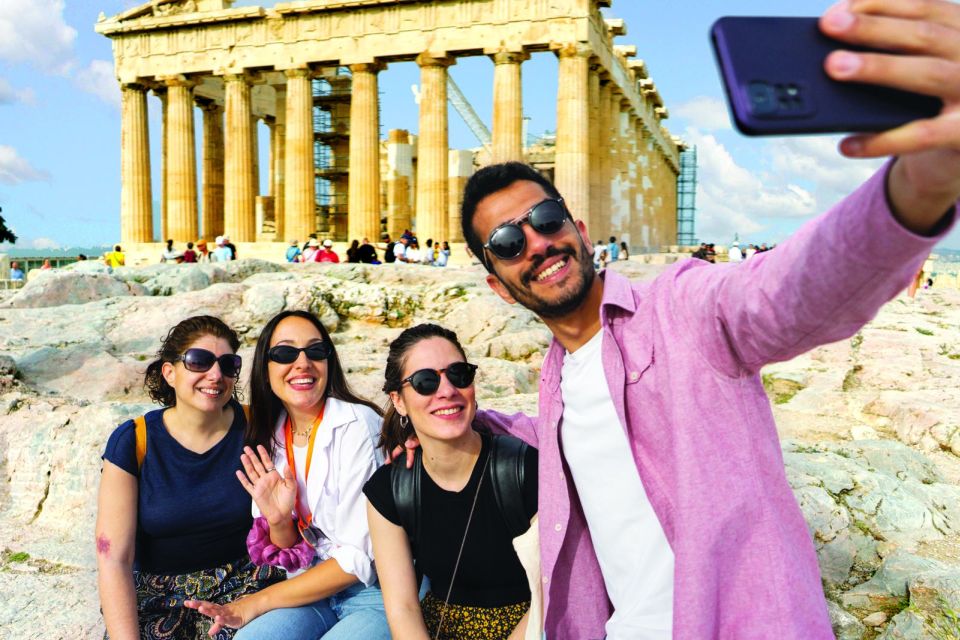
The Acropolis is one of those places where timing changes the whole experience. By late morning, the hill can feel hot, crowded, and harder to follow. An early start gives you a better chance to pause near the monuments, hear the guide, and take photographs without constantly stepping aside for passing groups.
This is not a private visit, and early entry does not mean you walk straight through every checkpoint. All visitors pass through airport-style security. The operator gives a usual wait of 0 to 10 or 30 minutes, with longer delays possible during the busiest periods.
That detail matters. You should arrive at the meeting point 15 minutes before departure, not at the advertised start time. The Acropolis uses strict entry slots, so the group cannot wait for latecomers and missed departures are not refunded.
The meeting point is at the main entrance, across from the Acropolis Canteen at the west entrance. Look for staff holding the orange Athens Walking Tours sign. There is no hotel pickup, so you need to make your own way to the hill.
You can also read our reviews of more museum experiences in Athens



Entering through the Acropolis west entrance

Once the group clears security, the guide begins the walking tour on the Acropolis itself. The route is short in distance but packed with monuments, names, myths, and political history. This is where an English-speaking licensed guide earns the price of admission.
A bare walk around the hill can leave you with a set of impressive stones and a few famous names. A good guide gives you a reason to look at the details. You learn why particular buildings mattered, how mythology shaped the site, and how the monuments fit together.
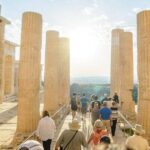
The early light also helps with photographs. Athens spreads below the hill in every direction, and the higher position gives you broad city views. Bring a hat and sunscreen, even for a morning tour. Shade is limited, and the stone surfaces can reflect heat.
The route is active rather than strenuous in the athletic sense, but the ground is uneven and the monuments are reached by walking. High-heeled shoes are not allowed. Baby strollers are also not permitted, and the experience is not designed for wheelchair users or people with mobility impairments.
The Parthenon, the tour’s main anchor
The Parthenon receives both a photo stop and a longer guided explanation. That division works well. First, you get time to look and take pictures. Then the guide gives the building a clearer place in the story of Athens.
You will see the temple from outside, since this is a monument visit rather than an interior tour. The scale is hard to grasp in photographs, and the morning setting gives you a better chance to study the columns and surviving structure without a solid wall of people around you.
I especially like having the guide explain the Parthenon in person instead of relying on a phone app. The building carries layers of religious, civic, artistic, and political meaning, and spoken commentary helps you connect those ideas to the stones in front of you.
Do not expect total solitude. The Acropolis remains one of Europe’s busiest historic sites, and security or crowd levels can change quickly. The benefit is a better starting hour, not a guarantee of an empty hill.
The Erechtheion and its famous Caryatids
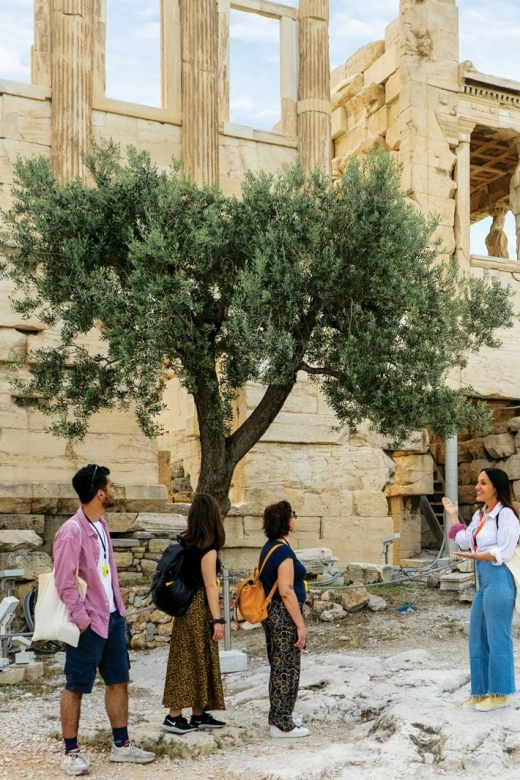
The Erechtheion is often less immediately familiar than the Parthenon, but it rewards close attention. Its unusual layout reflects the many sacred associations gathered on this part of the hill.
The Caryatids are the stars here. These sculpted female figures serve as architectural supports, and their graceful appearance can make it easy to forget how unusual the design is. Your guide can explain the religious and artistic setting rather than leaving you with a quick photo stop.
This is also a good place to listen carefully. The site contains several stories and competing traditions, so the guide’s explanation helps separate ancient belief, later interpretation, and what you can actually see today.
Temple of Athena Nike and the western views
The Temple of Athena Nike is a smaller monument, but its position gives it extra force. It sits near the approach to the Acropolis and is associated with Athena in her role as a bringer of victory.
Because the temple is compact, it can be easy to pass without giving it much time. The guide-led stop keeps it from disappearing behind the Parthenon. You also get another chance to look outward over Athens and take photographs from the elevated site.
The panoramic views are one of the tour’s most reliable pleasures. They are not a substitute for the monuments, but they help you understand the Acropolis as a commanding point above the city rather than as a collection of separate ruins.
- All Day Cruise -3 Islands to Agistri,Moni, Aegina with lunch and drinks included
★ 5.0 · 4,958 reviews





Odeon of Herodes Atticus and Theatre of Dionysus
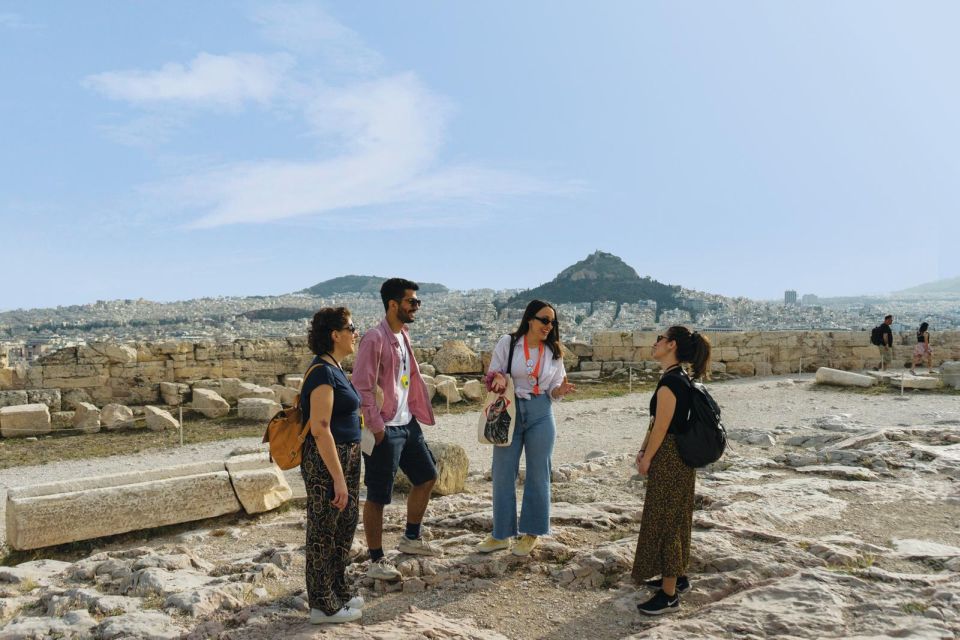
The route continues to the Odeon of Herodes Atticus, a Roman-era theater known for its dramatic semicircular form. From the Acropolis, you can appreciate its setting and structure while the guide explains its place in the wider history of performance and public life.
The stop is guided and includes walking time, but you should not expect a performance or an extended theater visit. The value comes from seeing how the building sits below the Acropolis and hearing why it remains such an important part of the site.
The Theatre of Dionysus adds an earlier chapter. It is closely tied to the origins of Greek drama and gives you a different sense of how ancient Athenians gathered for public events.
Together, these two theaters widen the visit beyond the Parthenon. You see that the Acropolis was not simply a hilltop temple complex. It was connected to worship, ceremony, civic identity, drama, and the public life of the city.
Moving from open ruins to the Acropolis Museum
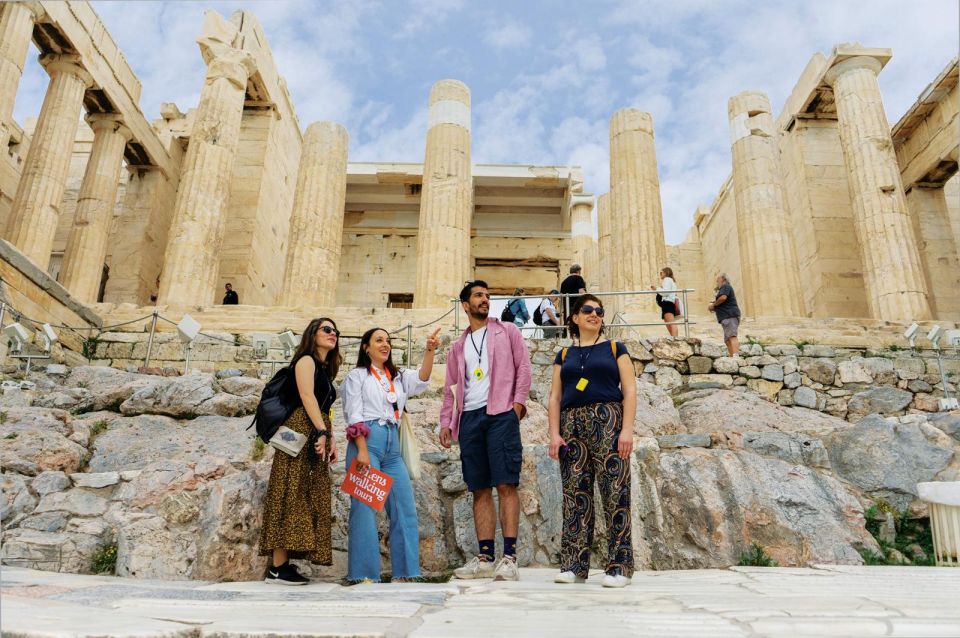
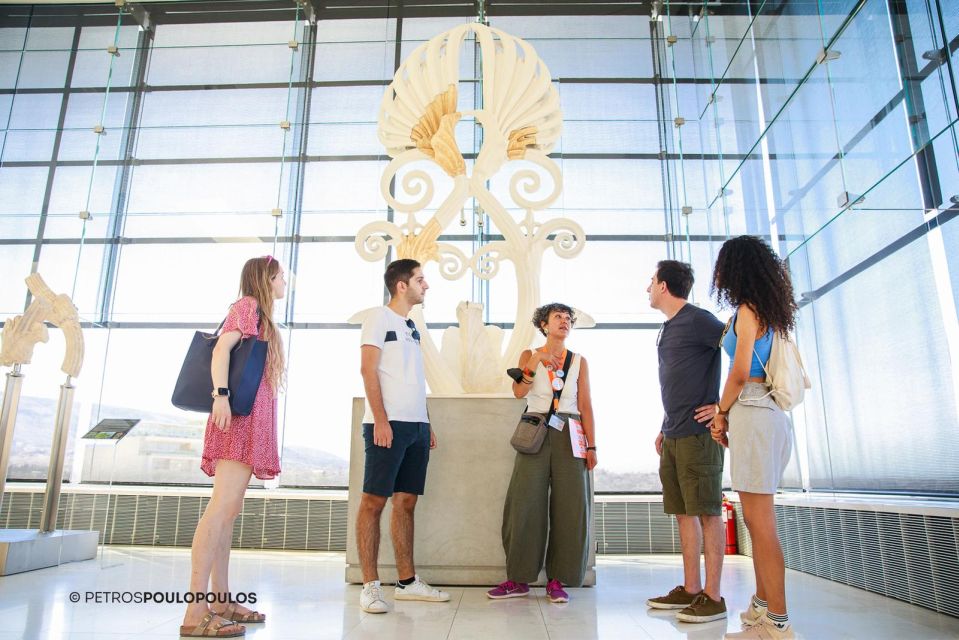
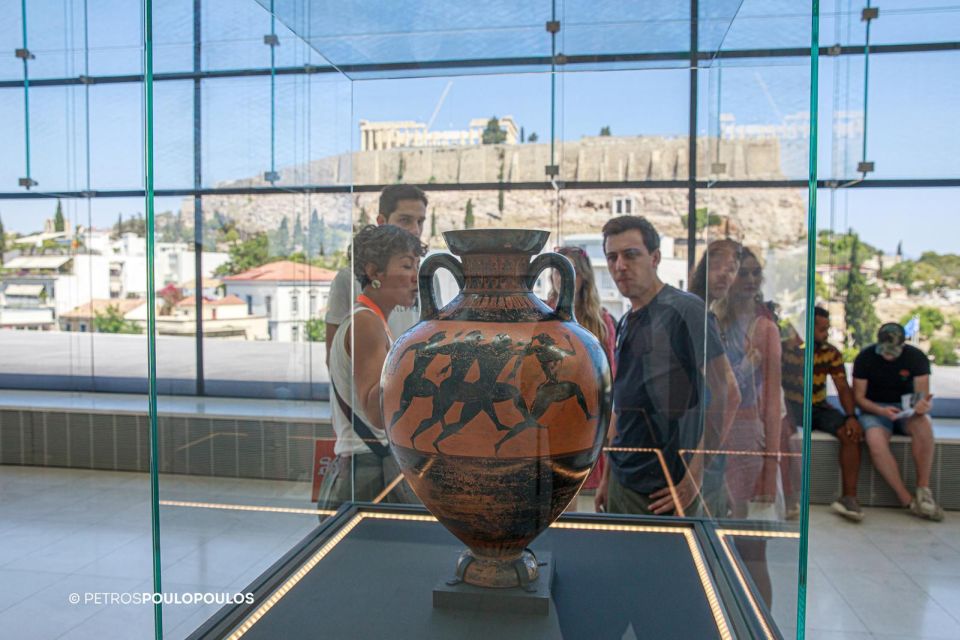
The second half takes place at the Acropolis Museum, where you spend about 90 minutes with a guided visit. This change of setting is valuable after time in the sun. You move from exposed stone and open views into a controlled museum environment with a clearer chance to study objects up close.
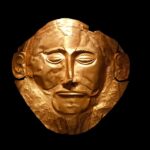
The museum helps answer questions that the hill cannot. Fragments, sculptures, and archaeological material show how the buildings once looked and how much has been lost, moved, damaged, or preserved elsewhere.
I like this pairing because you see the monuments before being shown more of their decoration and background. The museum is not an unrelated add-on. It gives you the missing pieces after you have already seen the buildings in their original setting.
Ninety minutes is enough for a focused introduction, but not enough for every gallery in detail. If you are especially interested in ancient art, you may want to return on your own. One participant, Kevin from New Zealand, had already spent four hours in the museum the previous day and still found the guided Acropolis visit worthwhile. That is useful advice: serious museum fans may want separate time here, while most people can use this tour for a strong first look.
The tour ends at the museum, which makes the final location practical. You can continue exploring if you have energy, revisit displays at your own pace, or leave for another part of Athens without returning to the Acropolis entrance.
How the guide affects the experience
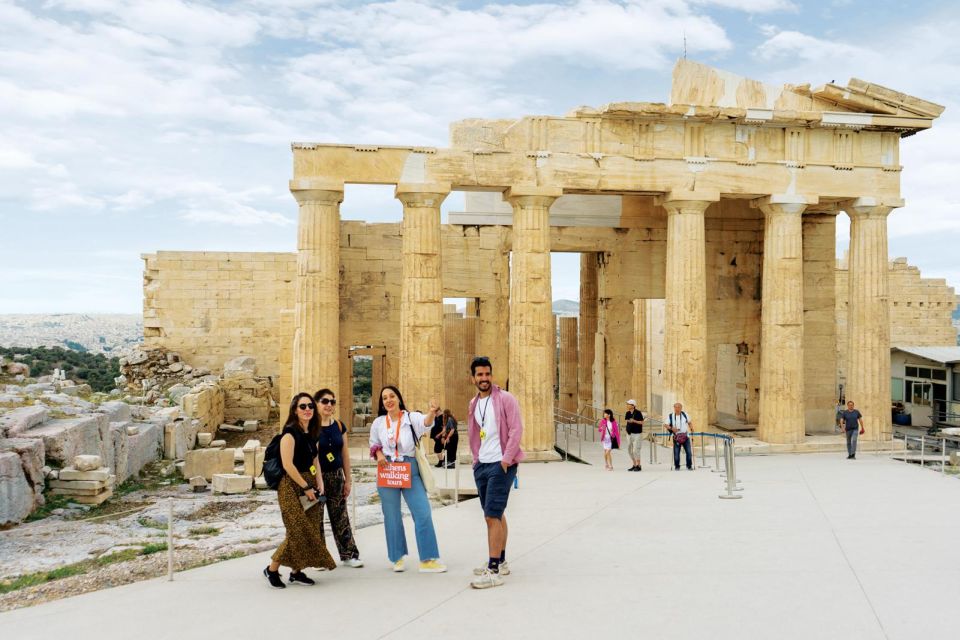
The guide is the central reason to choose this tour instead of simply buying admission. You are not just paying for access to famous ruins. You are paying for structure, explanation, and help making sense of a site that can otherwise feel overwhelming.
The advertised language is English, and the guides are licensed local professionals. Margarita received especially strong praise for handling a difficult combination of heat, crowd numbers, and a large amount of material. That points to the practical strength of the experience: clear teaching under real site conditions.
You receive earsets, which are useful when the group is walking or when other voices and city noise compete with the guide. Use them rather than drifting to the edge of the group. The Acropolis has many distractions, and missing ten minutes of explanation can leave a noticeable gap.
An Athens map and Athens Guide magazine are also included. These are modest extras, but they can help you plan the rest of your day, especially if you want to connect the Acropolis with other central Athens sights.
Is $57 a fair price?
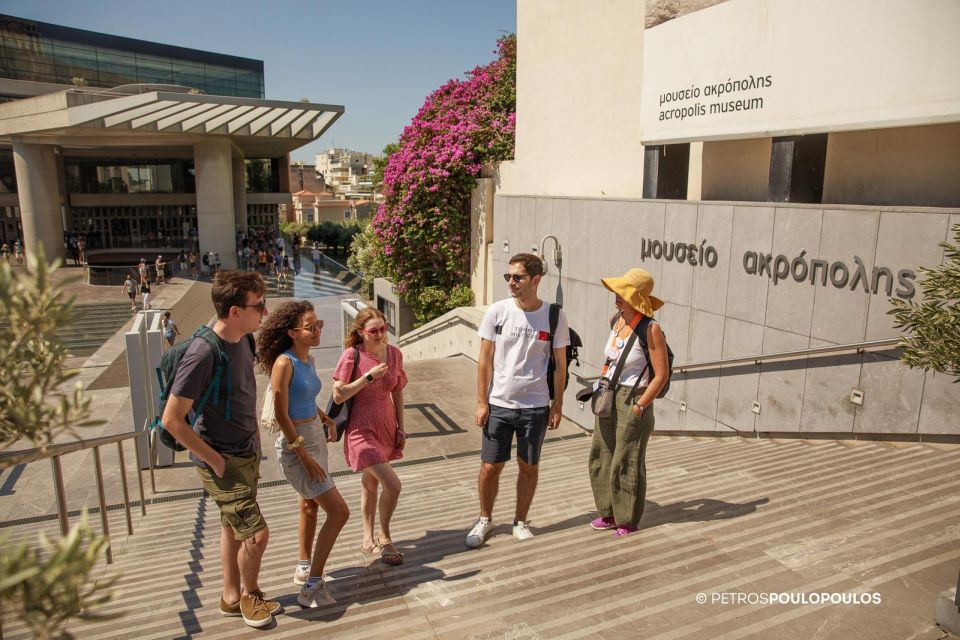
At $57 per person, the value depends on the option you select. If entry tickets are included, the price covers the site admission, a licensed guide, earsets, the museum visit, and the convenience of having the morning organized for you.
If you choose the option without tickets, you must buy your own Acropolis admission through the official ticket site before booking the tour. Your ticket time must match the tour’s schedule exactly. You also need to select EU or non-EU citizenship accurately, since the price and ticket rules can differ, and a valid passport may be required for verification.
The price makes the most sense for a first visit, for people who want historical context, and for anyone who prefers not to manage ticket timing alone. Independent visitors can spend less on a self-guided visit, but they must handle tickets, research, route planning, and interpretation themselves.
The strongest value comes from the early timing and the connection between the hill and the museum. If you only want to take photographs and leave, a guided tour may feel slower than necessary. If you want to understand what you are seeing, the cost is easier to justify.
What to bring and what to leave behind
Wear comfortable shoes with a secure sole. The tour includes repeated walking over historic surfaces, and the Acropolis is not the place for delicate footwear.
Bring a hat, sunscreen, and weather-appropriate clothing. The tour runs rain or shine, and the early hour does not remove the need for sun protection.
Food and drinks are not allowed on the tour, and backpacks are not permitted. Alcohol and drugs are also prohibited. Keep your belongings light and follow the site rules rather than arriving with a large day bag.
The activity is for English speakers and is not suitable for wheelchair users, people with mobility impairments, or people over 95. If those restrictions affect your party, this is not the right format.
You can cancel up to 24 hours before the experience for a full refund, and the reserve-now, pay-later option gives you some flexibility while planning. The strict rule is the departure time itself: once the group enters, latecomers cannot be accommodated.
Who should book this Acropolis morning tour?
I would recommend it most strongly to a first-time visitor who wants the major monuments explained in a logical order. It also suits anyone visiting Athens in warm weather, since an early start can make the exposed hill much easier to handle.
Families with older children may appreciate the combination of myths, temples, theaters, and museum objects. The route gives younger visitors several different subjects instead of asking them to stare at one monument for hours.
History fans should consider adding separate museum time. The included 90-minute visit gives you a guided foundation, but the Acropolis Museum has enough material to justify returning.
Independent-minded visitors should ask themselves one question: do you want to research the Acropolis and manage the entry process yourself, or would you rather have the morning’s story organized by a local guide? At this price, the tour is paying for that help as much as for the ticket.
Should you book it?
Book this tour if you want an early, structured introduction to the Acropolis and prefer clear explanations to a solo walk. The Parthenon, Caryatids, Temple of Athena Nike, two theaters, panoramic views, and Acropolis Museum make a solid full morning, and guide Margarita’s praised teaching suggests the experience can be more thoughtful than a basic photo stop.
Skip it if you need total schedule freedom, cannot manage uneven walking, or plan to spend many hours studying the museum independently. Also, do not book until your ticket option and entry time are correct.
For most first-time visitors who can meet the group promptly, the early start and guide-led connection between the hill and museum make this a sensible $57 choice. Just arrive early, pack light, wear proper shoes, and leave room in your day for the Acropolis Museum after the guided portion ends.
FAQ
Where is the meeting point?
Meet at the main entrance of the Acropolis, across from the Acropolis Canteen at the west entrance. Staff will hold an orange Athens Walking Tours sign.
How early should I arrive?
Arrive 15 minutes before the scheduled departure time. The group cannot wait for latecomers because Acropolis entry times are strict.
Are Acropolis tickets included?
Tickets are included only if you choose the ticket-included option. With the option without tickets, you must purchase admission independently from the official site before booking and match the ticket time to the tour schedule.
How long is the museum visit?
The guided Acropolis Museum visit lasts about 1.5 hours. The tour finishes at the museum.
What language is the tour in?
The live tour guide speaks English. Earsets are provided so you can hear the guide clearly during the walking portions.
Is the tour suitable for wheelchair users?
No. The experience is not suitable for wheelchair users or people with mobility impairments. Baby strollers and high-heeled shoes are also not allowed.