REVIEW · ATHENS
Orange & Natural Wines Of Greece with Cheese & Olive Oils
Book on GetYourGuide →Operated by CRU BEE-HAVING Wine & Olive OIl Tastings · Bookable on GetYourGuide
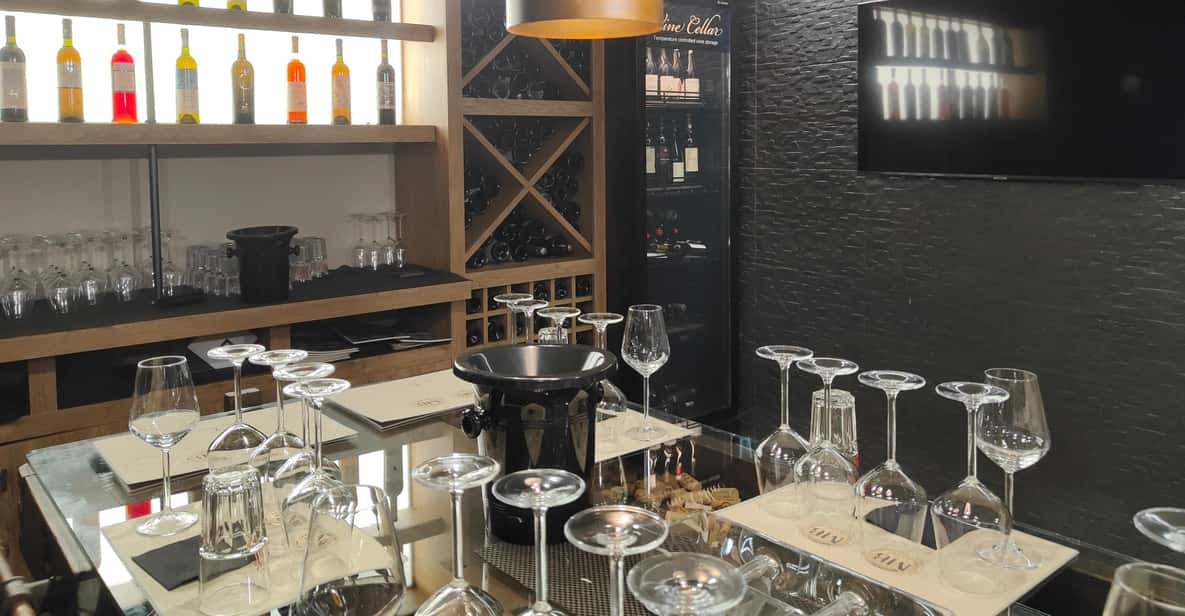
Greek wine gets the spotlight here, with six organic, biodynamic, natural, and orange wines served beside carefully matched nibbles and olive oils. The tasting takes place in Central Greece and is led in English by Anton, a passionate wine-shop owner and sommelier who explains how each bottle is made and why it tastes the way it does.
I like two things right away: the focus on small-production Greek bottles, some made in quantities as low as 200 bottles, and the practical food pairings involving cheese, herbs, spices, condiments, grape must, and extra virgin olive oil. The main consideration is the short one-hour format. It gives you a lively introduction, but serious wine enthusiasts may wish for more time with each pour.
In This Review
- Key points worth knowing
- Why Greek natural wine deserves an hour of your trip
- Meeting Anton at the wine shop
- Six pours, each with a purpose
- Pairing cheese, oil, herbs, and grape must
- Clay jars, cement, steel, and bottle aging
- A useful stop for wine-minded visitors
- Is $41 fair for one hour?
- What the strongest praise tells you
- Should you book it?
- FAQ
- How long does the wine tasting last?
- How many wines are included?
- What types of wine will I try?
- Is food included?
- Is the tasting held in English?
- Can I buy the wines afterward?
- Are children allowed to join?
- Can I cancel the booking?
Key points worth knowing
- Six Greek wines in one hour: Expect a focused tasting rather than a long winery visit.
- Orange wine gets special attention: This style is made with extended contact between grape juice and skins, and it may become your favorite pour.
- Anton offers trip-planning help: He can recommend other wineries and Greek wines for the rest of your stay.
- Pairings are part of the lesson: Cheese, small ancient-inspired nibbles, olive oils, herbs, spices, and grape must show how food changes wine.
- Rare bottles may be available: Some wines are limited to only a few hundred bottles and can be bought or shipped through the shop.
- Adults only: The experience is for people aged 18 to 95.
Why Greek natural wine deserves an hour of your trip
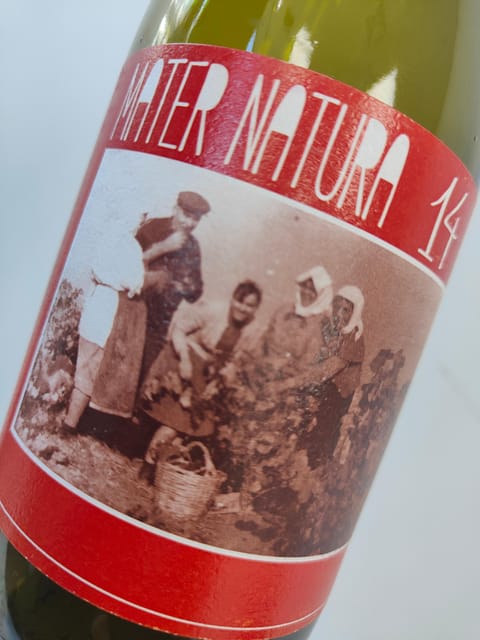
Greek wine is not just reworked European wine with a Greek label. The country has more than 340 indigenous grape varieties, many of them unfamiliar outside Greece. That gives a tasting like this a useful purpose: it can introduce you to flavors you are unlikely to meet in an ordinary supermarket selection.
The session also explains why Greece suits less industrial wine-making. Dry winds, hot days, and reliable native grapes provide useful conditions for growers working with organic or biodynamic methods. The wines may be made in clay amphorae, stainless steel, plain cement, or oak, then aged in bottles before release.
That range matters. If every wine were made in the same way, the tasting would become a parade of similar glasses. Here, the methods help show how a grape changes when the winemaker uses different vessels, skin contact, aging periods, and levels of intervention.
I like the plain idea behind natural wine: let the fruit, place, and fermentation do more of the talking. Still, natural wine is not one fixed flavor. Some bottles can taste clean and bright, while others may seem earthy, unusual, or less familiar than standard commercial wine. This tasting is useful because Anton can explain those differences instead of leaving you to guess.
You can also read our reviews of more wine tours in Athens

Meeting Anton at the wine shop
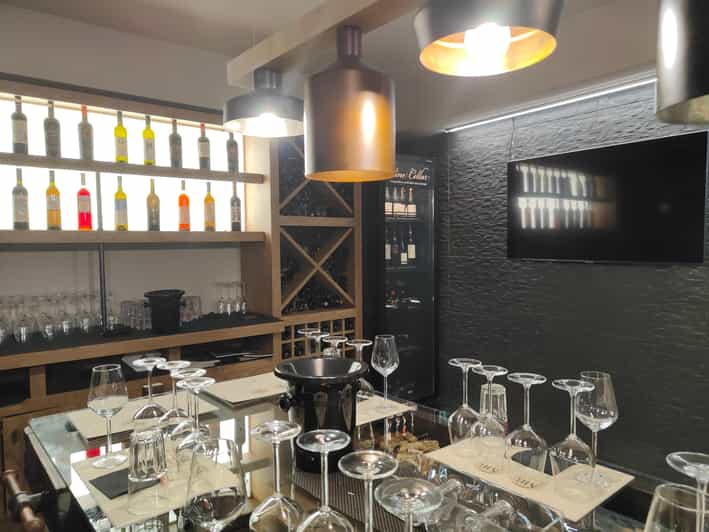
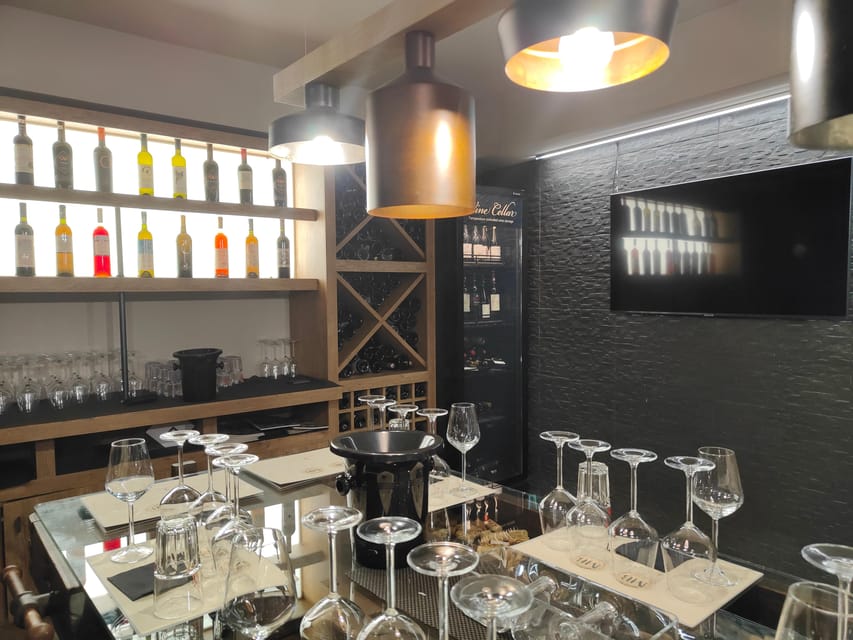
The experience is provided by CRU BEE-HAVING Wine & Olive Oil Tastings. The setting is described as a wine shop, which gives the session a more direct connection to the bottles you taste. You are not simply sampling anonymous wines and walking away. Certain limited bottlings are available exclusively through the shop to buy or ship.
Anton is the guide named in the feedback, and his role appears to be central to the experience. He speaks English clearly and explains wine-making in a way that suits people who may know little about the subject. He also adjusts the session to the group, rather than delivering a stiff speech that ignores your interests.
That flexibility is valuable in a one-hour tasting. You might want help finding dry Greek whites, unusual reds, orange wines, or bottles from particular islands. Anton can also point you toward other wineries for the rest of your trip, which adds value if you plan to continue exploring Greek wine after this session.
You should not expect a vineyard walk, a cellar tour, or a full meal. The information provided points to a guided shop-based tasting. That makes it a convenient choice if you want something short and central to your plans, but less suitable if your main goal is to see vineyards or production facilities.
Six pours, each with a purpose
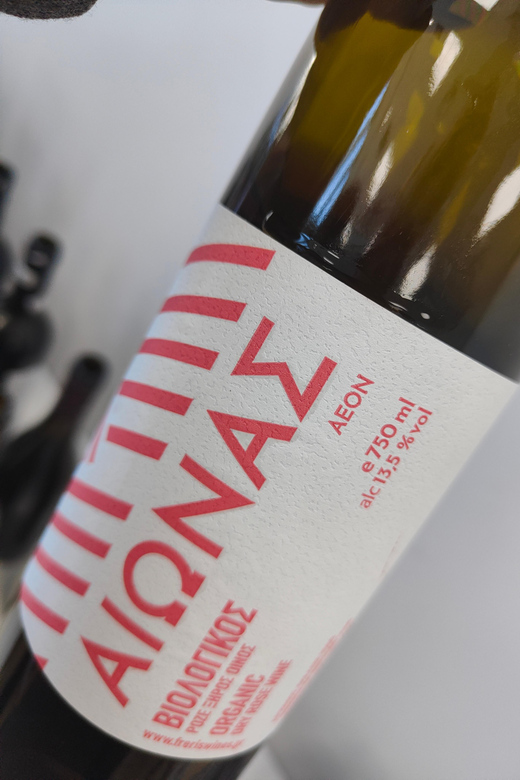
The tasting includes six wines classified as organic, biodynamic, natural, or orange. The exact labels are not fixed in the information available, so you should treat the selection as dependent on the shop and current stock. That is not necessarily a weakness. With very small production runs, a rigid menu would be hard to maintain.
The tasting should help you notice several questions:
- How much fruit do you smell and taste?
- Does the wine feel light, firm, dry, earthy, or structured?
- Has skin contact added color, grip, or spice?
- How does the vessel used for fermentation affect the final bottle?
- What changes when you taste the wine with food?
Orange wine is likely to be the most unfamiliar glass for many people. Despite the name, it is not made from oranges. It is generally a white wine made with contact between the juice and grape skins, which can give it a deeper color and a more textured feel. The supplied information highlights orange wine as a key part of the experience, and one tasting attendee particularly enjoyed it.
The value here is not simply trying six wines. It is learning how to describe what you like. After an hour with several styles, you may be better prepared to choose a bottle at a Greek restaurant or wine shop without relying only on the label.
Some of the bottles may be extremely limited, with production as low as 200 bottles. That scarcity does not automatically make a wine better, but it does make the tasting more personal. You may be trying a bottle that is difficult to find outside Greece. If you love one, ask about purchasing or shipping it before you leave.
Pairing cheese, oil, herbs, and grape must
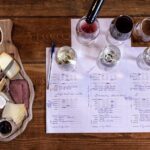
Food is not an afterthought in this experience. The wines come with nibbles, cheese, extra virgin olive oils, herbs, spices, condiments, and concentrated grape must. These small servings are meant to show how a wine behaves beside other flavors.
The pairing lesson is especially practical. A powerful wine needs food with enough flavor to keep up. A complex wine can work with a complex dish. A delicate wine may disappear beside something salty, spicy, or heavily seasoned. You do not need a trained palate to understand this once you taste the contrast directly.
Extra virgin olive oil receives its own attention. Greece is famous for olive oil, yet many people use it without thinking about aroma, bitterness, peppery heat, freshness, or texture. A guided tasting can turn a familiar kitchen ingredient into something you assess with the same care as wine.
The concentrated grape must adds another Greek touch. Must is unfermented grape juice, and its sweetness can create a useful contrast with dry wine or savory food. Along with the small bites, it gives you ideas you can repeat at home rather than leaving the lesson behind in the shop.
This is one of the strongest parts of the experience for me. You are not only told which food goes with which wine. You are shown the basic rule behind the match, then encouraged to recreate the effect with ingredients you can find later.
Clay jars, cement, steel, and bottle aging
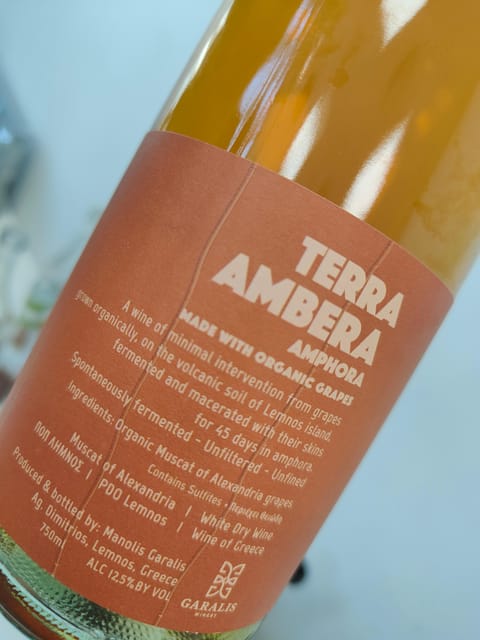
The wine-making discussion covers several production methods. Ancient Greek wine-makers used clay jars, and modern producers have returned to amphorae in some cases. Other wines may be fermented or aged in stainless steel, cement, or oak.
Each material can affect the feel of a wine, though the exact result depends on the grape and the winemaker. Stainless steel often preserves a clean, direct character. Cement can give texture without the obvious oak notes associated with barrels. Oak may add spice, toast, or softness when used carefully. Amphorae connect modern producers with older Greek traditions while still serving a current wine-making purpose.
The point is not to memorize technical terms. It is to understand why two wines made from different grapes, or even similar grapes, can taste so different. Anton’s explanations help turn the glass into a small lesson in farming, fermentation, and aging.
The ancient connection is also more than decoration. Greece has a long wine culture, but the session links that past with current small-scale production rather than treating history as a museum display. You get a sense of how old materials and indigenous grapes can work within modern wine-making.
A few more Athens tours and experiences worth a look
A useful stop for wine-minded visitors
This tasting suits you best if you want a compact introduction to Greek wine and prefer guided learning to simply ordering a random bottle. It is also a strong fit if you are curious about natural wine but do not know where to start.
The session can be useful early in a Greek trip. Anton’s recommendations may help you choose wineries or bottles for later stops. If you schedule it near the beginning of your stay, you can use the new vocabulary and flavor preferences as you travel.
It also works well for food-focused visitors. The pairings show how Greek products interact, and the olive oil portion adds another layer to the usual wine tasting. You may leave thinking about both the next bottle and the next salad.
I would be less likely to choose this for children, non-drinkers, or anyone wanting a full lunch. The experience is limited to people aged 18 to 95, and the listed duration is only one hour. It is a tasting lesson, not a long social meal or a countryside excursion.
Is $41 fair for one hour?
At $41 per person, the price is reasonable if you value the range of products and the instruction. You receive six wines, food pairings, olive oils, background on Greek wine, and an English-speaking guide who can answer questions and offer further recommendations.
The price is harder to justify if you measure value only by the amount of food or wine. The pours are part of a guided comparison, not six full glasses. You are paying for access to unusual bottles and for help understanding them, including limited releases that may not be easy to locate on your own.
The ability to buy or ship certain bottles also matters. If you find a favorite from a run of only a few hundred bottles, the tasting can lead directly to a purchase. You should ask about current availability, since these small quantities can change.
The flexible booking terms are another practical plus. You can reserve and pay later, and cancellation is free up to 24 hours before the start time. Check the available starting times because this is a scheduled one-hour activity.
What the strongest praise tells you
The clearest positive pattern is the guide’s teaching style. Anton is described as warm, enthusiastic, easy to understand, and able to explain both flavor and wine-making without making the subject feel academic. His English is strong, which matters when the discussion turns to fermentation, aging, and pairing.
Another repeated strength is the selection itself. The wines are not presented as routine choices. The orange wine made a particular impression, while the wider group of bottles offered a sense of Greek regions and islands.
The food matching also earns attention. The simple rule of pairing powerful flavors with powerful wines and complex flavors with complex wines gives you a useful tool. You can apply it at dinner that same evening.
The perfect rating from seven published bookings suggests a consistently positive experience, but the sample is small. I would treat that score as encouraging rather than proof that every participant will love every wine. Natural and orange wines can be polarizing, and your enjoyment will depend partly on your taste.
Should you book it?
Book this if you want to understand Greek wine beyond the usual restaurant pour. The mix of six unusual wines, small nibbles, olive oils, and clear English instruction makes good use of an hour, especially early in a trip.
Choose it for the chance to taste rare Greek bottles and learn how food changes wine. Choose it also if you want personal winery suggestions from Anton.
Skip it if you want a vineyard visit, a substantial meal, or a long tasting with generous pours. For everyone else, $41 is a fair price for a focused introduction to Greece’s native grapes and less conventional wine-making. Arrive curious, not rigid. The most rewarding glass may be the one you cannot easily identify at first.
FAQ
How long does the wine tasting last?
The experience lasts one hour.
How many wines are included?
Six wines are included in the tasting.
What types of wine will I try?
The selection includes organic, biodynamic, natural, and orange wines. The exact bottles can vary.
Is food included?
Yes. Nibbles are included, along with cheese, extra virgin olive oils, and other pairing ingredients such as herbs, spices, condiments, and concentrated grape must.
Is the tasting held in English?
Yes. The instructor language is English, and Anton is named as the host for the tasting.
Can I buy the wines afterward?
Certain limited-bottling wines are available exclusively through the shop to buy or ship. Some bottles may be produced in quantities as low as 200 bottles.
Are children allowed to join?
No. The activity is not suitable for children under 18.
Can I cancel the booking?
Yes. You can cancel up to 24 hours in advance for a full refund. You can also reserve now and pay later.