Evening Athens has a quiet storyline. The Great Walk of Athens strings together major sights with a private guide, letting you ask questions and talk freely, and it sweetens the route with complimentary snacks. I like that it’s paced for real conversation, not a rush-and-rattle script.
I especially like two stops where the details matter: the hourly guard parade at Hellenic Parliament, where you’ll learn what the unknown soldier means and why this area feels ceremonial; and the National Garden chat about the sun clock and the ancient astronomer Aristarchos. Those aren’t just photo stops—they’re moments where you start seeing Athens as a place with systems, rituals, and ideas.
One possible drawback: this is a walking-focused tour, and it doesn’t include an air-conditioned vehicle. If the weather turns rough or it’s too hot/cold for your comfort, you may feel it more than on a sit-down sightseeing option, so plan around good weather.
In This Review
- Key highlights to know before you go
- A private Athens route that actually feels like Athens
- Starting at the Monument of the Unknown Soldier
- Hellenic Parliament: the hourly guard parade (and what it means)
- National Garden: sun clock mechanics and Aristarchos
- Zappeion Conference & Exhibition Center: the architecture beat
- Temple of Olympian Zeus + Hadrian’s Library: myth and Roman scale
- Acropolis to Plaka walk: the “miracle” viewpoint moment
- Roman Agora + Tower of the Winds: layers of Athens you can hear
- The Anafians neighborhood detour: a quieter side before the finish
- Monastiraki: finishing in a practical, lively square
- Snacks, pacing, and why the 2–3 hour window matters
- Pickup and drop-off: how it can save you time
- Price and value: what $60.01 buys you here
- What to wear and bring for an evening walk
- Who this Athens walk is best for
- Should you book The Great Walk of Athens?
- FAQ
- How long is The Great Walk of Athens?
- What days and times does the tour run?
- Where does the tour start and end?
- Is hotel pickup available?
- Are snacks included?
- Is an air-conditioned vehicle included?
- Is the tour private?
- Does the tour require good weather?
- Is admission included for the stops?
Key highlights to know before you go
- Private guide, private pace: chat freely with your own guide and adjust questions as you walk.
- Hellenic Parliament guard change at a set time: plan around the parade that happens every hour.
- National Garden sun clock + Aristarchos: a science-of-time moment inside the greenery area.
- Roman-era stops close together: Tower of the Winds and other nearby monuments keep the story moving.
- Finish in Monastiraki near metro: you end by a practical transit hub plus easy dinner options.
- Snacks included: small comfort for a 2–3 hour evening route.
A private Athens route that actually feels like Athens
The Great Walk of Athens is built for small groups—your group only—with a guide who seems designed for conversation. That matters in Athens, where the best moments often come from knowing what you’re looking at before you look up, and then being able to ask follow-ups on the spot.
This is also a smart “get your bearings fast” format. The tour runs in the evening window (Tuesday through Saturday, 5:00 PM to 7:30 PM), which is useful if you’re touring by day and want a second, more story-driven session. Instead of cramming in a long day, you get a focused route that ties monuments to the neighborhoods around them.
And yes, it includes snacks. They’re small, but they make a difference when you’re walking from stop to stop and you don’t want to hunt for food right after you leave a site.
You can also read our reviews of more walking tours in Athens


Starting at the Monument of the Unknown Soldier

Your tour begins at Monument of the Unkown Soldier (Mnimio Agnostou Stratioti) at Athina 105 57. Starting here sets the tone: this isn’t just “see landmarks.” It’s “understand what people built and why they built it.”
From the first stop, you’re set up to notice details. The guide’s theme is the meaning behind what you’re seeing, especially at the Parliament area. If you like symbolism, ceremony, and the human stories behind stone and uniforms, this start makes the rest of the walk click faster.
Hellenic Parliament: the hourly guard parade (and what it means)
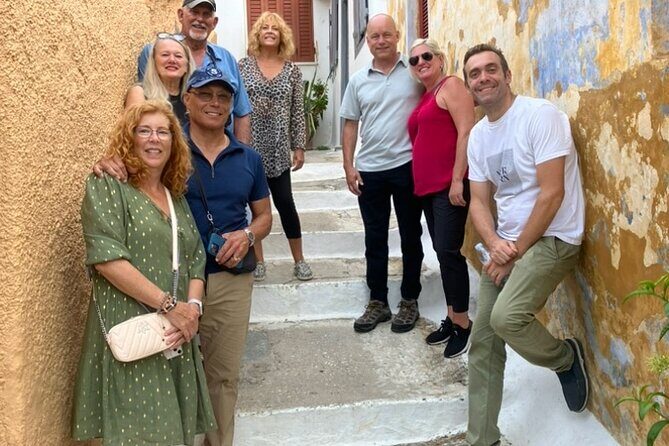
The first named stop is Hellenic Parliament, with a focus on the guard parade that happens every hour. The tour is explicit about spending time here (about 20 minutes) to discuss lesser-known angles: the meaning of the unknown soldier, and the history of the area and the Parliament/Palace.
This is one of the best parts of the experience because it turns a short ceremonial event into something you can interpret. Without the explanation, you’d likely watch for movement and form. With it, you’ll also watch for meaning—why this ritual exists, and how it shapes the mood of the whole district.
Practical tip: if you arrive a little early, use that time to stand in a spot that works for both listening and watching. You’ll get more out of the commentary if you’re not craning your neck every time the guards shift position.
National Garden: sun clock mechanics and Aristarchos
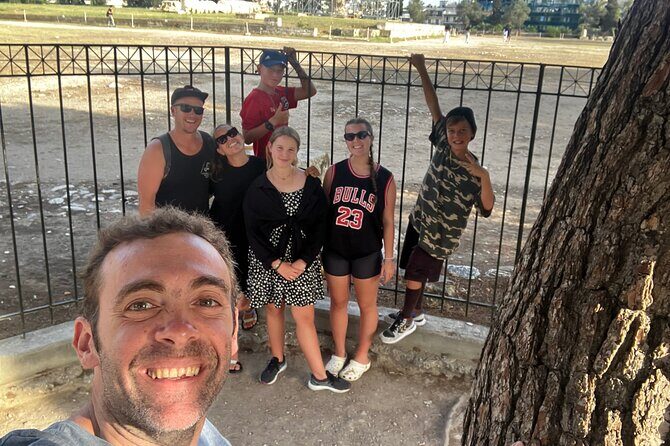
Next you head to the National Garden and the Gardens of the Queen (about 5 minutes on the plan). This stop is short, but it’s framed like a mini lesson: you’ll explore unseen spots, learn how a sun clock works, and hear about Aristarchos, the ancient Greek astronomer connected to the idea of time and that clock.
I like this because it adds variety. The route jumps from ceremonial modern state symbolism to ancient measurement and timekeeping. That contrast keeps the walk from feeling repetitive.
A consideration: because the allotted time here is brief, you’ll get the overview and the main points, not an extended stop for lingering. If you’re the type who wants long quiet breaks in gardens, you might still enjoy it—just know it’s more of an explanation stop than a stroll-stop.
Zappeion Conference & Exhibition Center: the architecture beat
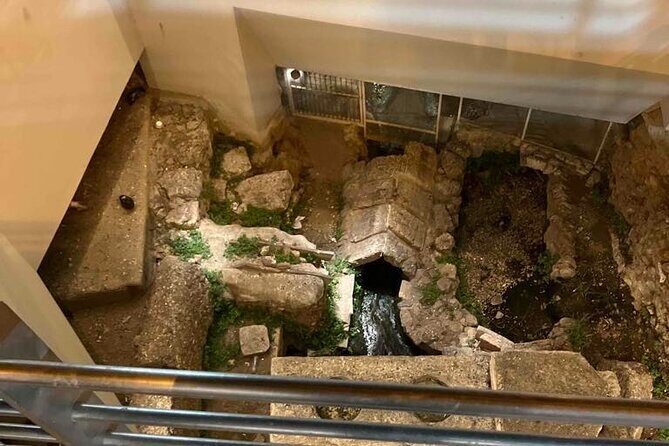
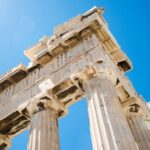
The tour then goes to Zappeion Conference & Exhibition Center (about 15 minutes). Here, the focus is on colors and architectural rhythms of Athens’ ancient temples—described through the lens of a great era of Athens.
This stop can be great for you if you pay attention to how buildings “feel” through repetition, spacing, and proportions. The commentary helps you see patterns you might miss when you’re only looking at overall shape.
Drawback to consider: like many architectural stops in Athens, your enjoyment depends on how comfortable you are standing and looking at details instead of walking quickly. If you want constant movement, you may find this portion slightly more still than the guard parade portion.
- All Day Cruise -3 Islands to Agistri,Moni, Aegina with lunch and drinks included
★ 5.0 · 4,958 reviews

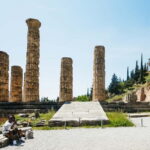


Temple of Olympian Zeus + Hadrian’s Library: myth and Roman scale
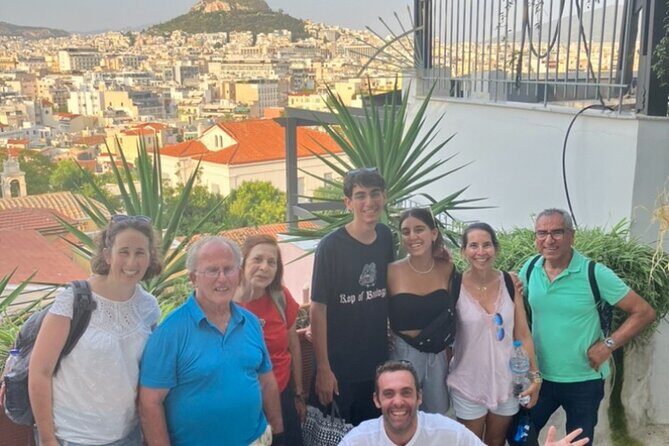
After Zappeion, you move through two Roman-era linked stops:
- Temple of Olympian Zeus (about 10 minutes): myths and stories about the ancient Athenians, plus the Temple of Zeus and the Gate of Adrianos.
- Hadrian’s Library (about 5 minutes): you admire one of the impressive works of the Roman Empire.
These are brief, but they’re placed strategically. The route keeps you within reach of major viewpoints, so even short stops feel connected rather than random.
I also like that the tour mentions stories, not just structure. When a guide gives you narrative anchors, you’re less likely to feel like you’re collecting monuments without meaning.
Acropolis to Plaka walk: the “miracle” viewpoint moment
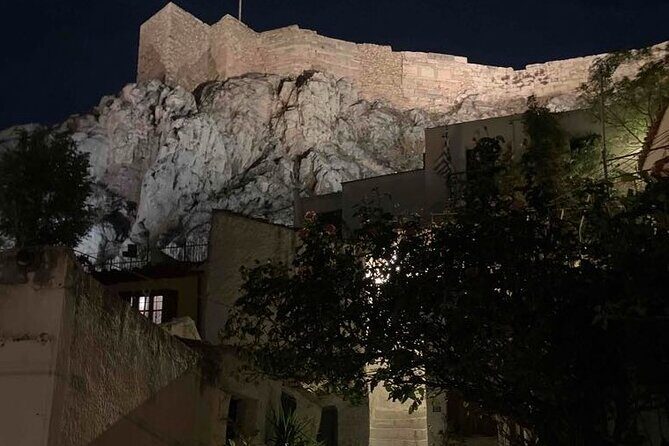
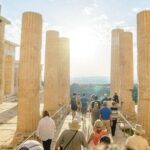
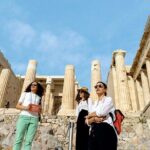
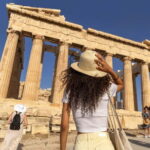
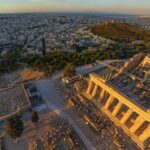
The itinerary’s big walking segment is the Acropolis (about 30 minutes), framed as a walk and talk about the miracle of the ancient world toward Plaka.
This is the moment where your eyes start doing their job. Even if you’ve seen photos of the Acropolis before, hearing the route explained—then walking toward Plaka—makes the whole area feel like a living connection between eras.
One thing to remember: this is still a walking tour. Wear shoes you can stand in comfortably. In the evening, surfaces can be slick or uneven, and you’ll want stability during viewpoint moments.
Roman Agora + Tower of the Winds: layers of Athens you can hear
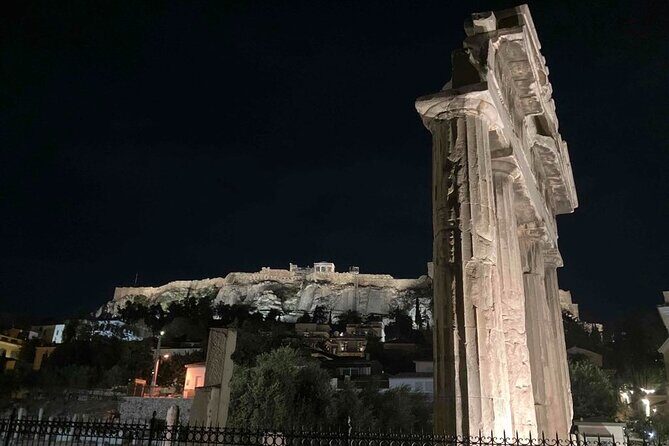
Next up is Roman Agora (about 15 minutes). The guide uses this space to describe both Roman and Ottoman periods, with stories tied to aristocratic Athens and nice neighborhoods.
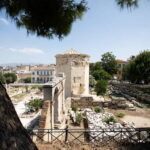
Then comes Tower of the Winds (about 10 minutes). You’ll stand in front of Aerides, described as the world’s first meteorological station, and get a Roman-era explanation.
This pairing works well because it mixes culture with “how the world works.” One part is about political and social layers; the other is about measurement, weather, and practical observation. If you like Athens as a place where people repeatedly rebuild and re-purpose, these stops will land.
Potential consideration: since there are multiple historical layers referenced, this part may feel like it moves quickly. If you’re the kind of person who processes information slowly, ask your guide to slow down for a moment and repeat the main story thread.
The Anafians neighborhood detour: a quieter side before the finish
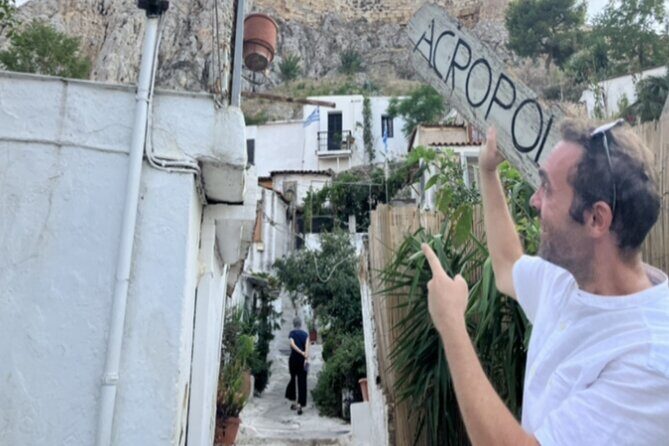
The itinerary includes time to explore the old neighborhood of Anafians. Details here are lighter than other stops, but that’s often the point: you get a breather from the bigger named monuments and shift into neighborhood texture.
For you, this can be the most “real life” part of the walk. It’s where Athens stops being only sightseeing and starts being streets, corners, and the feeling of an area that lived through many changes.
Monastiraki: finishing in a practical, lively square
The walk ends at Monastiraki (about 15 minutes). The description is clear: you’ll see the crowded square that used to be an old market center without losing its original identity, and you’ll uncover stories and spots around it.
This is a great finish for two reasons:
- It’s social and atmospheric without requiring extra transportation.
- You end near metro at Monastiraki square, which makes your night plan easier.
There’s also an explicit payoff: your guide proposes nice choices for the night, including local restaurants and tips for the city. That’s valuable because Monastiraki has lots of options—and sometimes the “obvious” ones aren’t the best value. Getting targeted suggestions helps you spend less time deciding and more time eating.
Snacks, pacing, and why the 2–3 hour window matters
The tour runs about 2 to 3 hours, and that time is used deliberately. It’s long enough to cover multiple zones (Parliament → National Garden → Zappeion area → Zeus/Library → Acropolis/Plaka direction → Roman Agora/Tower of the Winds → Anafians → Monastiraki), but not so long that you’re fried by the end.
I like this duration for evenings because it respects how travel days feel. You likely already did daytime sightseeing, and the evening session can be a second act: story-based, walkable, and capped with dinner plans.
One note: the tour lists no air-conditioned vehicle included, so you’re relying on walking and the outdoor evening environment. If you run hot, bring water and plan your outfit accordingly.
Pickup and drop-off: how it can save you time
Hotel pickup is offered, with flexibility to meet your accommodation if you request it in advance. If you’re staying near the route, that can make a big difference—no need to figure out where to start beyond the designated meeting point.
The end point is practical: you finish next to metro on Monastiraki square. That’s the kind of finish that keeps your logistics clean. You can go straight to dinner, or connect to the rest of your plans quickly.
Also included: the tour uses a mobile ticket, and it runs in English.
Price and value: what $60.01 buys you here
At $60.01 per person, the value depends on one thing: you’re buying a private guide and a planned evening route, not just access to monuments.
A private walking tour like this can be a strong deal if:
- you’re traveling with friends or family and want control over questions,
- you care about meaning and context (not just photos),
- you want a guide to connect sites to neighborhood stories, especially at Monastiraki.
If you’re the type who prefers open-ended sightseeing with no scheduled explanation, you might feel the cost less justified. But if your goal is to understand what you’re looking at—especially at the guard parade, sun clock topic, and Roman science/meteorology angle—this structure is the point.
What to wear and bring for an evening walk
This tour is outdoors and walking-heavy, even with stops. I’d plan for:
- comfortable shoes for uneven sidewalks and viewpoint areas,
- a light layer, since evening temps can feel different from afternoon,
- water, since snacks are included but not a full meal.
If you have service animals, the tour notes service animals allowed, which can matter for planning.
Who this Athens walk is best for
This is a good fit if you:
- want a private guide and the freedom to ask questions,
- like ceremonial events (the hourly guard parade) paired with story explanations,
- enjoy seeing different eras in one connected route (Parliament through Roman and then neighborhood finishing in Monastiraki).
It may be less ideal if you:
- hate walking and prefer a vehicle-based tour,
- want long time at each major monument rather than short, focused segments,
- are sensitive to weather, since the experience requires good weather.
Should you book The Great Walk of Athens?
I’d book it if you want an Athens night that feels guided, coherent, and useful. The route is built for understanding: guard ceremony meaning, timekeeping ideas tied to the sun clock, Roman-era storytelling at Tower of the Winds, and a smart end in Monastiraki with practical dinner leads.
Skip it (or consider another format) if you want lots of free time to wander on your own, or if walking long stretches is a problem for you. But for most groups who want a private evening plan that turns monuments into stories, this one makes sense—especially with the snacks, the set 5:00–7:30 window, and the guided talk at key moments.
FAQ
How long is The Great Walk of Athens?
It lasts about 2 to 3 hours.
What days and times does the tour run?
The tour runs Tuesday through Saturday from 5:00 PM to 7:30 PM.
Where does the tour start and end?
It starts at Monument of the Unkown Soldier (Mnimio Agnostou Stratioti) and ends at Early Christian Tetraconch – Basilica of Megali Panagia, next to metro on Monastiraki square.
Is hotel pickup available?
Pickup is offered, and the provider says they could meet you at your accommodation if you request it in advance.
Are snacks included?
Yes, complimentary snacks are included.
Is an air-conditioned vehicle included?
No. Air-conditioned vehicle is not included.
Is the tour private?
Yes. It is listed as a private tour/activity, and only your group participates.
Does the tour require good weather?
Yes. It requires good weather, and if it’s canceled due to poor weather you’ll be offered a different date or a full refund.
Is admission included for the stops?
The itinerary lists admission as free for each stop.