REVIEW · ATHENS
Thermopylae day Trip from Athens-Private Tour
Book on Viator →Operated by Andrew's Unique Tours · Bookable on Viator
Thermopylae is not just a name from a schoolbook. It is a narrow piece of northern Greece where a small Greek force faced the much larger Persian army in 480 BC. This private day trip gives you the useful version of the visit: a driver, hotel pickup, air conditioning, Wi-Fi, the key memorials, the museum, and time for lunch by the sea.
I like the private format, which lets you ask questions and set the pace with your own group. I also like the mix of memorials, interactive museum displays, hot springs, and a lunch stop in Kamena Vourla. The main drawback is the long road journey for a short visit, and the driver is not a licensed guide who can accompany you inside every site.
In This Review
- Key points at a glance
- The long road north from Athens
- Meeting Leonidas beside the highway
- Making sense of the battle inside the museum
- Seeing the battlefield and the old hot gates
- Visiting the hot springs of Thermopylae
- Lunch in Kamena Vourla
- What the private price really buys you
- Who will get the most from this outing
- Should you book the Thermopylae private tour?
- FAQ
- How long does the Thermopylae trip from Athens last?
- How far is Thermopylae from Athens?
- Is hotel pickup included?
- What vehicle is used for the private tour?
- Are museum tickets and lunch included?
- Is the driver a licensed tour guide?
Key points at a glance
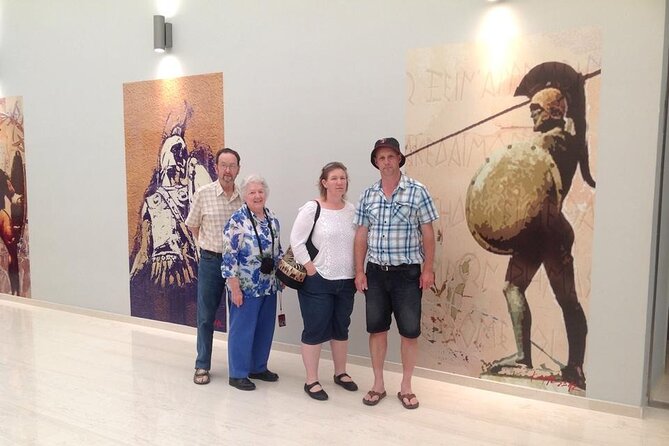
- See both Thermopylae memorials: Visit the modern statue of Leonidas and the older stone memorial on Colonos Hill.
- Use the museum’s virtual reality display: A 15-minute film recreates the Persian advance along the Anopaia Way.
- Travel privately from your Athens hotel: Your group of up to three has the vehicle to itself.
- Expect a history-focused driver: Andreas, one of the named drivers, answered questions and explained Greek and Spartan history during the journey.
- Break up the return drive in Kamena Vourla: You have about an hour for lunch at this seaside resort.
- Check what costs extra: Museum and archaeological-site tickets, food, and drinks are not included.
The long road north from Athens
Thermopylae lies about 220 kilometers north of Athens. That distance is the key fact to understand before booking. This is not a quick half-day outing with a few minutes on the road. It is a focused excursion built around one famous historical site, with a total duration of roughly five to six hours.
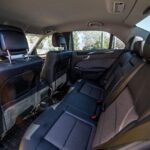
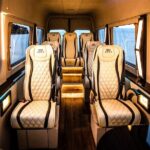
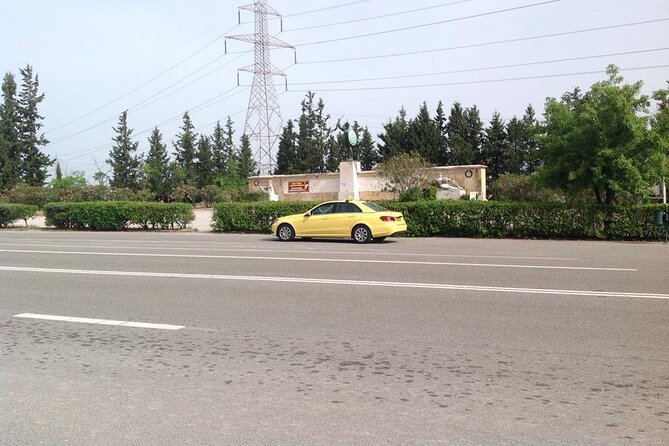
You are picked up and returned to your accommodation in Athens. Transport is provided in an air-conditioned Skoda Kodiaq SUV or a luxurious Mercedes E-Class taxi, depending on the arrangement. Bottled water, road tolls, and onboard Wi-Fi are included, which makes the long drive easier.
A private vehicle changes the feel of the trip. You do not need to wait for a large group, and you can ask questions as the road carries you north. The driver is a professional with knowledge of Greek history, though not a licensed guide. That distinction matters: the driver can explain the story and help you understand the stops, but cannot officially guide you inside archaeological sites.
One especially useful detail comes from the experience with Andreas. He picked up his passengers at their hotel, answered questions during the drive, and added context about Greece and the Spartans. There was also time for a quick coffee stop on the way to Thermopylae. Coffee breaks are not listed as a formal stop, so you should treat that as something that may depend on timing and your driver rather than a guaranteed part of the schedule.
You can also read our reviews of more private tours in Athens


Meeting Leonidas beside the highway
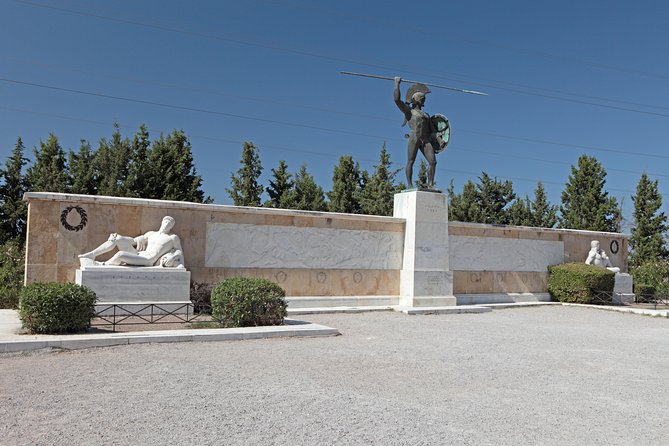
The first main stop is the modern memorial to King Leonidas. It sits on one side of the national highway, making the visit easy to reach but less secluded than you might expect from such a famous battlefield. The statue shows Leonidas above a wall, with Molon Lavei beneath him.
The phrase means Come and get it. According to the familiar story, Leonidas said it after the Persian king Xerxes demanded that the Greeks surrender their weapons. It has since become a broad symbol of defiance, but the statue works best when you remember the setting: this was a military stand made by a small force in a pass that once controlled movement between central and northern Greece.
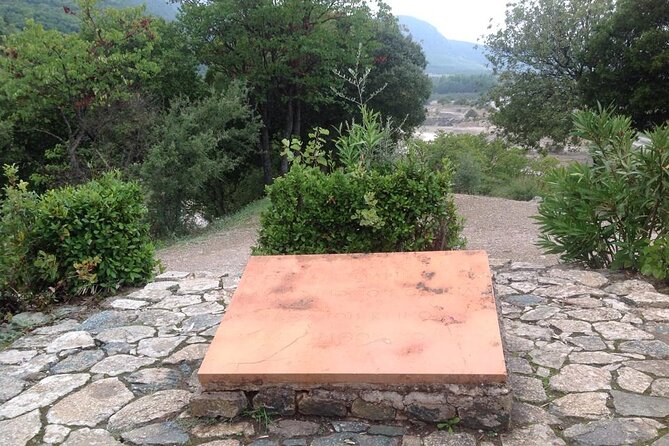
Across the road is the older memorial on the small hill of Colonos. It carries the famous message: Stranger, tell the Spartans that we lie here obedient to their laws. This is a small carved stone plaque, not a grand monument. That modest scale is part of its force. You are looking at a simple marker tied directly to the men who died in the battle.
Take care crossing between the modern memorial and Colonos Hill. The road is part of the experience, but it also makes the stop feel practical rather than ceremonial. Your driver can help with the timing and route, yet you should still stay alert around traffic.
The scheduled visit to the memorial area lasts about 30 minutes. That is enough for photographs, a close look at the inscription, and a short explanation of the battle. It is not enough for a long, slow archaeological study. If you like to read every panel or spend time sketching the site, ask your driver whether the schedule can be adjusted.
Making sense of the battle inside the museum
The Center for Historic Information at Thermopylae is the strongest stop for putting the battlefield into context. The displays are designed to explain the battle through modern media rather than through long rows of artifacts.
The first hall, called Leonides, begins with a seven-minute film. It introduces the center and prepares you for the next displays. This short orientation helps if you know the story only through the popular image of the 300 Spartans. Thermopylae was part of the wider Persian Wars, and the museum places the battle inside that larger period.
The second hall, named Diinekis, uses special glasses for a 15-minute virtual reality film. It shows the Greek armor, the route up the Anopaia Way, and the way the battle ended. The film presents the night movement of the Persians, including the role of Efialtes, who led them along the mountain route toward the West Gate and Colonos Hill.
That feature gives you something the open battlefield cannot. The terrain has changed, and the ancient shoreline is no longer exactly where it was in 480 BC. A virtual presentation can show troop movements and geography in a way that is hard to grasp from a roadside memorial.
The third hall, called Thermopylae, uses interactive tables and touch screens. You can explore the causes of the Persian Wars, the naval battle of Artemision, the people involved, the identity and equipment of the 300, and the positions of the two armies.
The museum stop is scheduled for about 30 minutes. That is a sensible introduction, but it is also fairly brief. If the virtual reality presentation and interactive tables hold your attention, you may wish you had more time. The admission ticket is not included, so set aside extra money for entry. The tour information does not give the ticket price, so check the current cost before departure.
Seeing the battlefield and the old hot gates
The battlefield stop lasts about 15 minutes. You will see the area associated with the Hot Gates, named for the hot water that flowed there in ancient times. The actual setting may surprise you. Thermopylae is not preserved as a fully enclosed ancient site with a clear line of walls and ruins. Roads, modern development, and changes in the shoreline shape what you can see.
This is where the museum earns its place in the trip. At the roadside, you get the physical location and the memorials. Inside the museum, you get maps, moving images, and explanations of how the pass worked. Taken together, the stops help you picture why the site mattered.
Do not expect a long walk across an untouched battlefield. The allotted 15 minutes is enough for a quick look and photographs, but not for extensive exploration. If your main interest is military history, the museum will likely matter more than the brief outdoor stop.
Visiting the hot springs of Thermopylae
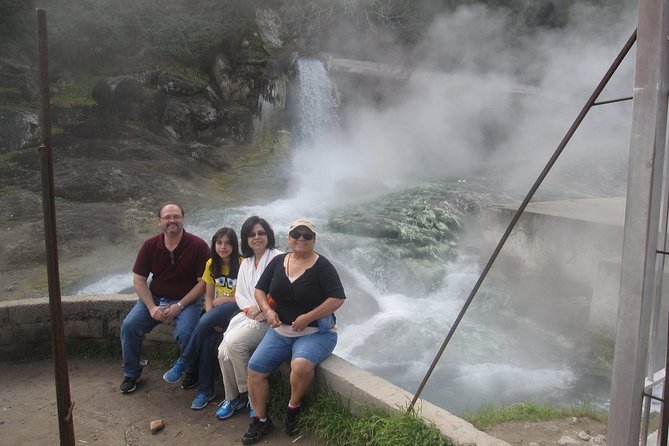
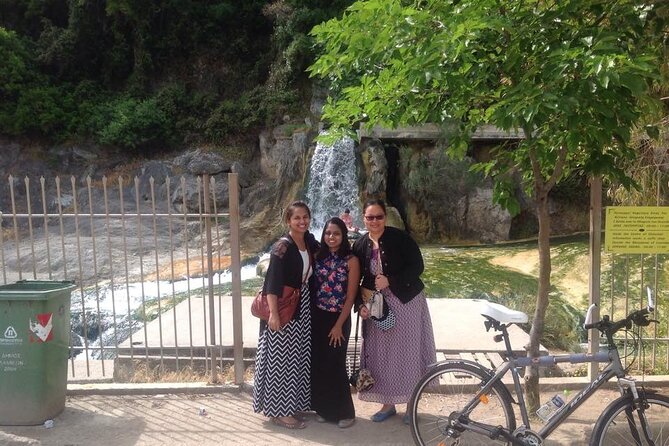
The tour also includes about 20 minutes at the Thermopyles hot springs. These are the springs linked with the hot water that flowed in the area from ancient times. The stop adds a physical sense of place to the story. Thermopylae was not simply a pass on a map. It was also known for its hot springs, which helped give the area its name.
The stop is short, so you should think of it as a look at the springs rather than a full spa visit. The supplied details do not state that bathing, changing facilities, or spa services are included. Do not book this excursion expecting a long soak unless your driver confirms that separately.
Still, I like the way this stop rounds out the visit. You see the memorials, learn the battle story, look at the old spring area, and then continue toward the coast for lunch. It gives the day more variety than a simple drive to a statue and back.
A few more Athens tours and experiences worth a look




Lunch in Kamena Vourla
On the return journey, the vehicle stops for about an hour in Kamena Vourla. This is a seaside resort, and the lunch break gives you a chance to eat and pause after the history stops.
Food and drinks are not included in the tour price. That keeps the outing flexible, since you can choose what suits your appetite and budget, but you should plan to pay directly for lunch. The information provided does not name a restaurant or promise a fixed menu. Ask your driver for help choosing a place if you want local advice.
Kamena Vourla is a useful break in practical terms. A five to six hour round trip with several short stops can feel compressed, especially if you are traveling with children or anyone who dislikes long drives. An hour by the sea gives the schedule breathing room.
The lunch stop also helps the outing feel less like a single-purpose history transfer. You get a coastal pause before returning to Athens. Just remember that the day remains primarily about Thermopylae, not about spending a full afternoon at the resort.
What the private price really buys you
The listed cost is $556.23 per group of up to three people. Look at it as a vehicle price rather than a per-person ticket. For three people, that works out to about $185 per person before museum admission, food, and drinks. For one person, the same group price is much harder to justify.
The cost includes private transport, hotel pickup and drop-off, air conditioning, Wi-Fi, bottled water, tolls, and a professional driver. You are also paying for a direct route without the waiting and fixed stops that come with a large coach excursion. For a couple or a small family that values privacy, those benefits may make the price reasonable.
The price does not include a licensed tour guide. That is the biggest value question. If you want formal archaeological interpretation at each stop, you will need to arrange a licensed guide separately or accept that the driver will provide general historical explanations from the vehicle and at the sites.
The price also excludes entry tickets. The memorials and outdoor stops are listed as free, while the museum ticket is not included. The tour describes archaeological-site tickets as excluded as well, even though no additional archaeological entrance is clearly specified in the short route. Confirm which admissions apply to your chosen date.
For the right group, this is a convenient private excursion. For a solo visitor, or for someone already renting a car and comfortable with the route, the value is less clear. The strongest reason to pay is the private Athens pickup and the ease of having a driver handle the long trip.
Who will get the most from this outing
I would recommend this experience to you if Thermopylae is a personal priority and you want to visit without arranging your own transport. It suits couples, families, and small groups of up to three who prefer a private vehicle and direct access from an Athens hotel.
It is also a good match if you enjoy history but want help connecting the pieces. The driver can answer questions on the road, while the museum supplies the maps and digital displays needed to understand the battle.
You should think twice if you want a full-day archaeological tour with a licensed guide. The schedule is short, the outdoor battlefield visit is brief, and the driver cannot accompany you as an official guide inside every site.
You should also consider the road time. Thermopylae is about 220 kilometers from Athens, and the outing lasts roughly five to six hours. That is a lot of driving for about 95 minutes of scheduled sightseeing before lunch, although the museum and the coastal break make the day more varied.
The tour requires good weather. If poor conditions cause cancellation, you are offered another date or a full refund. You can cancel for a full refund if you do so at least 24 hours before the start time. Changes or cancellations made inside that window are not accepted for a refund.
Should you book the Thermopylae private tour?
Book it if you want a comfortable, private way to reach one of Greece’s most important battle sites and you value hotel pickup more than a packed list of attractions. The combination of the Leonidas memorial, Colonos Hill, the virtual reality museum, hot springs, and Kamena Vourla makes good use of a focused day.
I would especially choose it for a group of three. That is when the vehicle cost makes the most sense, and the private format lets you ask questions throughout the drive. Andreas’s service, including hotel pickup, historical explanations, a coffee pause, and help with lunch, shows how much the driver can shape the day.
Skip it if you want to spend hours walking a preserved battlefield, require a licensed guide at every stop, or dislike long road journeys. Thermopylae rewards preparation: read a little about Leonidas and the Persian Wars before you go, then use the museum to build the picture. With that expectation, this is a practical and personal way to see the site from Athens.
FAQ
How long does the Thermopylae trip from Athens last?
The experience lasts approximately five to six hours, including the drive from Athens and the scheduled stops at Thermopylae, the museum, the hot springs, and Kamena Vourla.
How far is Thermopylae from Athens?
The route travels about 220 kilometers north from Athens.
Is hotel pickup included?
Yes. Pickup and drop-off are offered from your accommodation in Athens.
What vehicle is used for the private tour?
Transport is provided in a Skoda Kodiaq SUV or a luxurious Mercedes E-Class taxi.
Are museum tickets and lunch included?
No. Food, drinks, museum admission, and tickets to archaeological sites are not included. Bottled water and road tolls are included.
Is the driver a licensed tour guide?
No. The professional drivers have knowledge of history but are not licensed to accompany you inside each site.