REVIEW · ATHENS
Athens: Traditional Vegan Cooking Class incl. Drinks
Book on Viator →Operated by SOYBIRD -Vegan Cooking Experience · Bookable on Viator
A Greek vegan cooking class sounds a bit unexpected, and that’s the point. In a small Athens kitchen near the Acropolis area, you’ll cook plant-based versions of familiar Greek favorites and then sit down together to eat what you make. I love that it’s hands-on, not a lecture, and that the group stays small enough to actually get help while you’re working.
Two things I really like: you’ll cook several dishes in one evening (not just one “signature” recipe), and you’ll finish with a proper shared meal plus water, white wine, and beer. One possible drawback to consider is the pace: it can feel busy because you’re rotating through multiple recipes, and the kitchen setup is a bit tight for larger groups.
In This Review
- Key Highlights You Should Know
- Koukaki Kitchen Set-Up Near the Acropolis
- What You Actually Cook: A Vegan Greek Menu With Real Names
- How the Class Runs: Hands-On Team Cooking in Two Groups
- The Meal Part: What It Feels Like to Eat What You Made
- Learning Value: Techniques You’ll Actually Use Again
- Taking It Home: The Digital Recipe Book
- Price and Value: Why This Costs About $94.66
- Who This Vegan Greek Cooking Class Fits Best
- Practical Tips Before You Go
- Should You Book This Class?
- FAQ
- How long is the Athens Traditional Vegan Cooking Class?
- Where does the class meet?
- Is the cooking class only for vegans?
- What recipes will we learn to cook?
- Are drinks included?
- How big is the group?
- Is it suitable if I have a pacemaker?
Key Highlights You Should Know
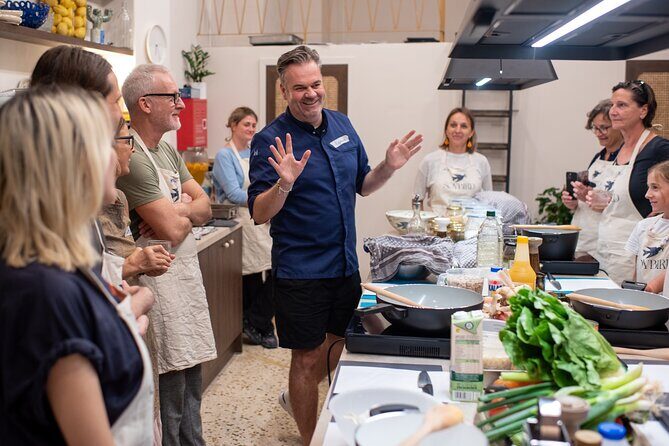
- Small-group cooking (5–10 people) so you’re not stuck watching from the sidelines
- Greek classics with a vegan twist, including vegan tzatziki and moussaka with cashew béchamel
- Team cooking format: you’ll work in two groups and then eat together at the end
- Drinks included with the meal: water, white wine, and beer
- Digital recipe book so you can repeat what you made at home
- Near public transportation and in the Koukaki area, close to the Acropolis sights
Koukaki Kitchen Set-Up Near the Acropolis
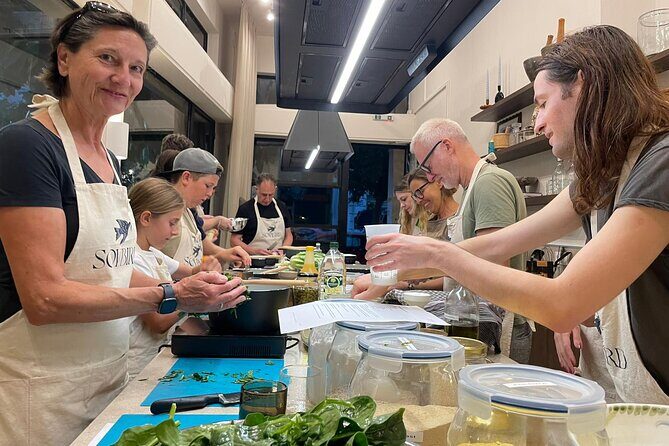
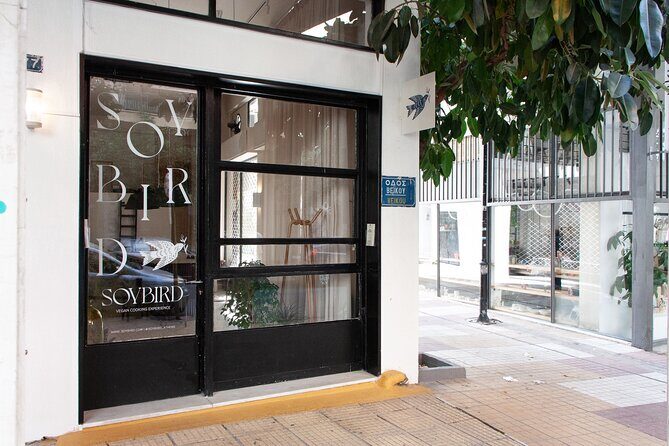
This class takes place in Koukaki, one of the more convenient neighborhoods for mixing old Athens sights with local life. The meeting point is at SOYBIRD – Cooking Classes Athens, at Veikou 75–77 (Athina 117 41). You’ll end right back there, so you’re not dealing with a long “tour” route after dinner.
What you’re really buying here is a focused block of time: about 3 hours 30 minutes spent cooking, tasting, and learning in the same space. That matters because you get continuity. You go from ingredients to technique to eating without the usual stop-start feeling of a city tour.
The class uses an induction cooker, which is a practical note if you have a pacemaker. If that applies to you, this activity is not suitable. Also, the space is described as small, so it helps to bring a calm, cooperative mindset if you’re in a full group.
A few more Athens tours and experiences worth a look


What You Actually Cook: A Vegan Greek Menu With Real Names
The menu is built around classic Greek comfort food, just made without meat or dairy. You’ll work through several recipes, which is the main reason this feels like more than one cooking session stapled together.
Here’s the kind of spread you can expect to make:
- Moussaka with Cashew Bechamel (a plant-based take on the Greek baked classic)
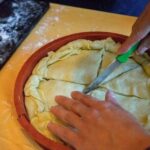
- Spanakopita (spinach pie/cake style)
- Tzatziki (made as a yogurt-free cucumber dip in this menu concept)
- Fava with caramelized onions
- Dakos with homemade almond-feta
- Ekmek (Greek dessert)
- Koulouri (sesame rings)
Even if you’re not strictly vegan, this lineup is a great way to learn Greek flavors that you can recognize. You get to practice how the cuisine “builds” taste: herbs, lemony tang, olive-oil-friendly richness, and baking techniques that make the food feel like the real thing.
One practical tip mindset: expect ingredient prep and multiple stations. The class is designed for teamwork, so you’ll often be doing an active task while someone else is doing theirs. If you like a structured step-by-step approach, you’ll appreciate the guided format, but it’s not a slow, single-recipe demo.
How the Class Runs: Hands-On Team Cooking in Two Groups

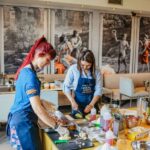
After a brief introduction, you’ll split into two teams and cook the dishes step by step. This format is meant to keep everyone moving, which is why you can fit so many recipes into one evening.
In a group of about 5–10 people, you’re not just holding a spoon and hoping for help. You have a chance to do real work: chopping, mixing, assembling, and getting things into the right stage at the right time. The instructors are active in the kitchen, and you’ll get corrections and guidance when something is going off track.
If you’re traveling solo, this setup is especially good. It’s social in a natural way because you’re cooperating. If you’re coming with a partner, it can also work as a date activity since you’re both involved rather than taking turns “watching the cook.” The room may feel busy at peak moments, but that’s part of the hands-on energy.
Also, you might see different instructors leading sessions. Names that have come up include Chef Alexandra and Mirka, which is a nice sign that the teaching style can adapt to different group needs.
The Meal Part: What It Feels Like to Eat What You Made
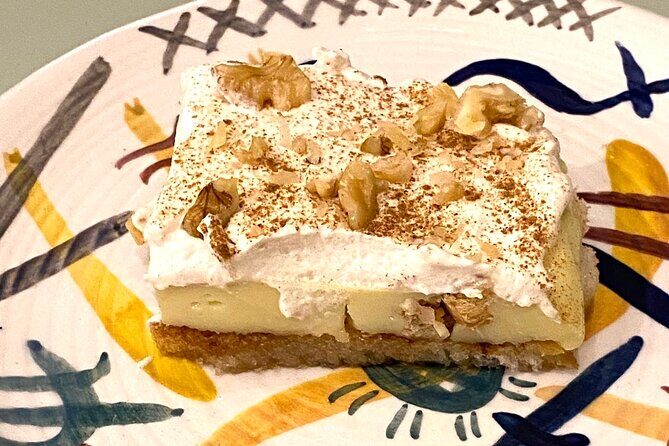
At the end, you’ll sit down and enjoy the dishes together. That shared meal is where the class really clicks, because you can taste the outcome of each step you did earlier.
Drinks are included with the meal: water, white wine, and beer. This isn’t just a token sip, either. It supports the relaxed atmosphere people want from a cooking class: chatting while you eat, comparing how your dish turned out, and asking questions while it’s still fresh in your mind.
Food-wise, the menu is substantial. Between moussaka, spanakopita, fava, and the rest, you’re not leaving hungry. You’re also eating a broad range of textures and flavors, from baked and layered to dip-and-spread style. That makes it easier to remember what worked and what you want to recreate later.
Learning Value: Techniques You’ll Actually Use Again
The best cooking classes teach you more than a recipe card. This one is built for that. When you make vegan versions of Greek staples, you learn how substitutions change texture, not just flavor.
For example:
- Cashew béchamel teaches you how to get that creamy, sauce-like thickness without dairy.
- Vegan tzatziki-style dip shows how cucumber + tang + a “yogurt” concept can still taste like home.
- Spanakopita assembly helps you understand how the filling is built and how baking turns it into something sliceable.
- Almond-feta gives you a way to think about crumbly, salty tang using plant-based ingredients.
What’s genuinely useful is that you’ll be doing the steps yourself. You’re not just told to mix until it looks right. You’ll see what the instructor means and how the consistency changes as you cook.
If you’re a beginner, the process can still work because the class is designed for participation and support. If you’re more experienced, you’ll likely enjoy the challenge of recreating Greek classics in a vegan framework, where you can’t rely on traditional dairy shortcuts.
You can also read our reviews of more cooking classes in Athens

Taking It Home: The Digital Recipe Book
You don’t have to rely on memory after the class. You’ll receive a digital recipe book at the end, so you can recreate the dishes later.
This matters because Greek cooking can be ingredient-specific. If you want to reproduce moussaka without dairy, you’ll want more than vague guidance. A digital format also means you can search, adjust, and re-check measurements later without smudged paper pages.
One more practical point: because you’re making multiple dishes in one evening, your notes can get messy. The recipe book helps you tidy that up and decide which dishes you actually want to cook again first.
Price and Value: Why This Costs About $94.66
At $94.66 per person for roughly 3.5 hours, this is not a “cheap eats” class. But the value is fairly strong if you compare what you get: multiple recipes, hands-on instruction, a full shared meal, and included drinks.
You’re also paying for structure. In a small group, someone is managing timing, ingredients, and how the kitchen flows. That’s why you can tackle things like moussaka and spanakopita in one sitting rather than taking a week of solo cooking lessons.
If you’re the kind of traveler who likes culinary souvenirs that you can actually use, this is one of the better formats. You leave with technique plus a repeatable meal plan, not only a tasting and a handshake.
Who This Vegan Greek Cooking Class Fits Best
This is a strong pick if you want Athens beyond the usual sightseeing routine. It’s especially good for people who:
- Like hands-on activities more than passive tours
- Want a vegan-friendly introduction to Greek flavor profiles
- Enjoy meeting people while you cook and eat
- Prefer a compact experience close to central neighborhoods
It can also work for non-vegan travelers because the focus is Greek cuisine fundamentals. You’ll still be cooking familiar dishes by name and technique, just with plant-based ingredients.
The main “fit check” is pacing and space. If you dislike busy kitchens, or if you need room to spread out, you might find it a bit hectic. And if you have a pacemaker, the induction cooker is a hard stop.
Practical Tips Before You Go
A few small things make the evening smoother:
- Bring a good attitude about working in a group kitchen where multiple tasks happen at once.
- Wear clothes that handle heat and the kind of kitchen bustle where you might be moving between stations.
- If you have long hair, tie it back so you’re comfortable and safe around cooking areas.
- Plan to arrive on time at SOYBIRD (Veikou 75–77). The schedule is built around starting together and keeping momentum.
Should You Book This Class?
Yes, you should book it if you want a fun, practical way to learn Greek cooking without meat or dairy. The strongest reasons are simple: you cook real Greek classics, you get hands-on help in a small group, and you finish with a communal meal and included drinks.
I’d skip it only if you strongly prefer slow, staged demonstrations or you’re sensitive to tight spaces and fast rotation between tasks. Otherwise, this is one of those Athens experiences that feels like you’re bringing home more than a memory. You’re bringing home a dinner you can actually make again.
FAQ
How long is the Athens Traditional Vegan Cooking Class?
It runs for about 3 hours 30 minutes.
Where does the class meet?
The meeting point is SOYBIRD – Cooking Classes Athens, at Veikou 75–77, Athina 117 41, Greece. The activity ends back at the same meeting point.
Is the cooking class only for vegans?
The class is a vegan cooking class and you’ll prepare vegan versions of Greek dishes. The menu is plant-based throughout.
What recipes will we learn to cook?
The sample menu includes moussaka with cashew béchamel, fava with caramelized onions, dakos with homemade almond-feta, spanakopita, koulouri (sesame rings), tzatziki (yoghurt cucumber dip concept), and ekmek dessert.
Are drinks included?
Yes. The meal includes water, white wine, and beer.
How big is the group?
The class is described as running with small groups of up to 10 people, and it also notes a maximum of 14 travelers for the activity. Courses take place from a group size of 5.
Is it suitable if I have a pacemaker?
No. The class is not suitable for people with pacemakers due to the induction cooker.