REVIEW · ATHENS
Walking Tour for Understanding the Refugee Crisis in Athens
Book on Viator →Operated by Planetwonk · Bookable on Viator
The most important thing about this Athens walk is its subject. Instead of treating the refugee crisis as a distant political story, Isaac connects it to places in the city, including Pedion tou Areos, and asks you to consider why people flee, what happens when they arrive, and how Athens responds. It is a serious social and political experience, not a light sightseeing stroll.
I like two things here. First, Isaac brings a personal, human focus to a subject often reduced to numbers and headlines. Second, the walk takes you beyond the postcard center, ending at Varvakios Central Market after passing through parts of Athens that raise real questions about safety, public space, and social responsibility.
The main consideration is emotional weight. This walk can be upsetting, and the route includes neighborhoods described as unsafe by one participant, even though the experience itself is presented as safe. You should book it because you want a thoughtful look at a difficult issue, not because you need a cheerful break between museum visits.
In This Review
- Key points at a glance
- Why this Athens walk matters
- Starting at Green Park near Mavrommateon 22
- Pedion tou Areos and the first hard questions
- The two less clearly named stops
- Walking through neighborhoods outside the postcard center
- Ending at Varvakios Central Market
- What the guide’s style adds
- Price, group size, and overall value
- Who will appreciate this experience most
- Practical details before you book
- Should you book the refugee crisis walk in Athens?
- FAQ
- How long does the Walking Tour for Understanding the Refugee Crisis in Athens last?
- How much does the tour cost?
- Where does the tour begin?
- Where does the tour finish?
- Who leads the experience?
- Is the tour suitable for everyone?
- Can I cancel for a refund?
Key points at a glance
- A 90-minute social issues walk: The short format gives you a focused introduction without taking up a full morning or afternoon.
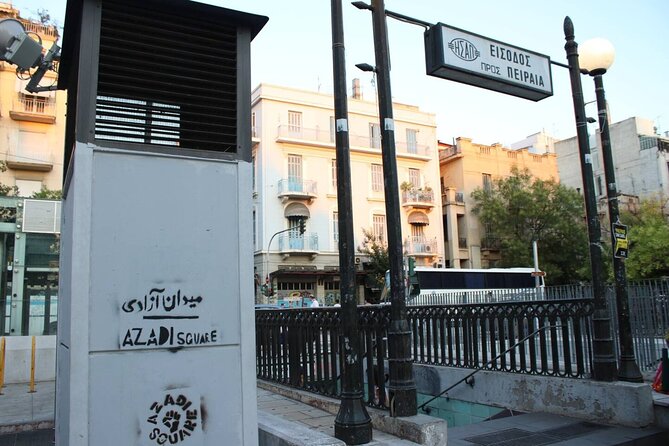
- Pedion tou Areos as a central stop: You will examine how this major Athens park relates to refugee arrival, accommodation, and public response.
- Isaac leads the experience: His role is central, with time for questions and discussion rather than a simple scripted route.
- A route beyond classic tourist Athens: The walk begins near Green Park and finishes at Varvakios Central Market, linking several city settings to the subject.
- A serious, sometimes difficult tone: The experience aims to build empathy, so it may not suit anyone easily overwhelmed by refugee hardship.
- Small enough for discussion, but not tiny: The maximum group size is 30, and the price is $32.38 per person.
Why this Athens walk matters
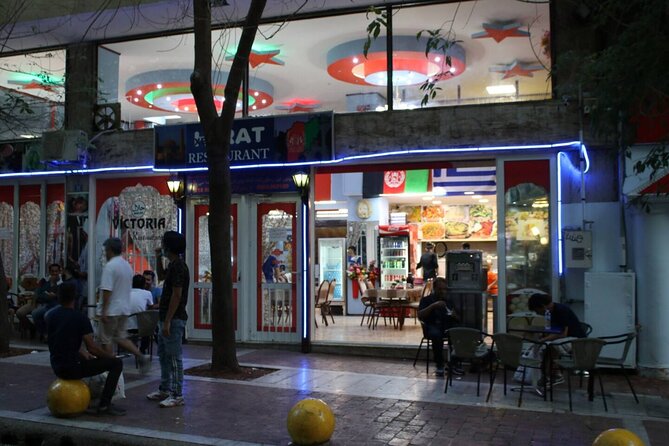
Athens is often presented through ancient temples, neoclassical streets, and sunny café squares. Those sights matter, but they are only part of the city. This walk asks you to look at modern Athens through the refugee crisis and the systems that shape daily life for people arriving from countries in conflict or distress.
I value that focus because the subject is easy to misunderstand from a distance. News reports often show boats, borders, camps, or political arguments without explaining the reasons people leave home. The walk is designed to connect those larger questions with places you can actually see in the city.
That does not mean you should expect a complete course in migration policy. The tour lasts about an hour and a half, and the available details describe a guided introduction rather than a full academic program. Its strength is the chance to ask questions, hear a local interpretation, and consider the human side of a complicated issue.
Isaac is the guide named for this experience. One participant particularly valued his ability to answer questions and raise new ones for consideration. That detail tells you something useful about the format: this is likely to work best when you take part in the conversation instead of standing back and waiting for a list of facts.
You can also read our reviews of more walking tours in Athens



Starting at Green Park near Mavrommateon 22
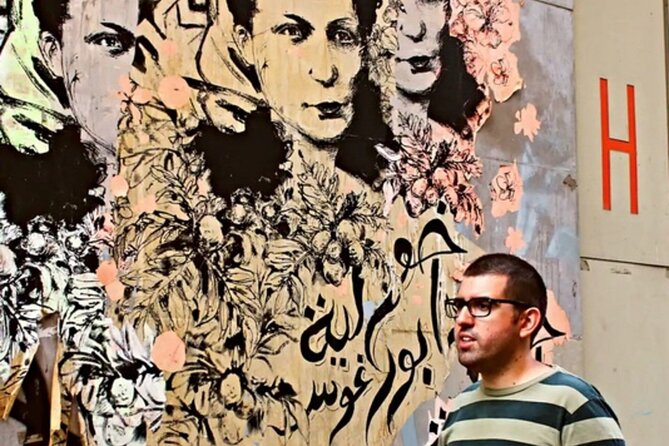
The walk begins at Green Park, at Mavrommateon 22 in Athens. The stated meeting point is near public transportation, which helps if you are staying elsewhere in the city. You receive a mobile ticket, and confirmation is provided when you book.
Green Park is not presented as a sightseeing attraction in its own right. Its value here is practical and thematic. It places you near Pedion tou Areos, the first named site on the route, and sets the tone for a walk about contemporary city life rather than ancient monuments.
Give yourself enough time to find the meeting point. The information supplied does not name a particular metro exit, bus stop, or café for the guide to use as a landmark, so your mobile map will be useful. You can also contact Planetwonk to arrange a date and time that works for you, according to the experience details.
The maximum group size is 30. That is not an intimate private walk, but it is still far smaller than a large sightseeing coach group. Your experience of the discussion will depend on attendance and on how actively the group participates.
Pedion tou Areos and the first hard questions
Pedion tou Areos is the clearest named stop on the route. The walk uses the park to examine its role in the refugee crisis, including how public spaces can become connected with arrival, accommodation, and the pressure placed on city services.
The useful point is not simply that a park appears on the itinerary. It is that ordinary urban places can take on new meaning during a crisis. A space that looks like a typical part of Athens may also be tied to questions of shelter, movement, public policy, and how local communities respond to people who have nowhere else to go.
I would pay close attention here. The park is likely to work as a starting point for the wider discussion, helping you see the refugee crisis as part of the city rather than as an event happening somewhere far away. The supplied information does not give a precise list of buildings, organizations, or personal stories at this stop, so you should not expect a detailed catalog of every service in the area.
That restraint is worth noting. The walk promises context and empathy, but it does not provide a full account of every part of Greek asylum policy. If your main goal is legal or statistical detail, you may need additional reading or another specialist program.
The two less clearly named stops
The route includes two additional stops whose names are not specified in the available details. At both places, the guide will explain their role in the refugee crisis, including how they relate to accommodation and the challenges created by the arrival of refugees.
This lack of detail has both a benefit and a drawback. The benefit is that the route may remain flexible, allowing the guide to respond to current conditions or the group’s questions. The drawback is that you cannot fully judge the route in advance or decide whether each location matches your interests.
I would treat these stops as discussion points rather than conventional attractions. The value comes from the interpretation Isaac provides on site. You may find that a location looks ordinary until its connection to displacement, public services, or neighborhood tensions is explained.
Because the exact locations are not named, I cannot responsibly promise a particular building, memorial, shelter, or institution. Keep your expectations focused on guided context. The experience is about understanding an issue through Athens, not collecting a fixed checklist of famous sites.
Walking through neighborhoods outside the postcard center
One of the more useful features is the route itself. You start near Green Park and finish at Varvakios Central Market, crossing parts of Athens that are not usually the main focus of a first-time sightseeing walk.
One participant described the route as passing through areas considered unsafe. The experience information also says the walk is safe, but you should still think about your own comfort. This is not a reason to reject the tour automatically. It is a reason to understand that you may not remain in the polished tourist core.
Pay attention to the ordinary details along the way. A neighborhood, market, park, or street can show you how social problems become visible in daily city life. You may notice the difference between a place as it appears to a short-term visitor and the same place as it functions for people dealing with housing, paperwork, work, or uncertainty.
The route is only about 90 minutes, so this is not an exhausting trek. Still, you will be walking through a serious subject and possibly through busy or unfamiliar areas. Comfortable shoes and a practical attitude make sense, though the available information does not specify the walking distance or terrain.
- All Day Cruise -3 Islands to Agistri,Moni, Aegina with lunch and drinks included
★ 5.0 · 4,958 reviews





Ending at Varvakios Central Market
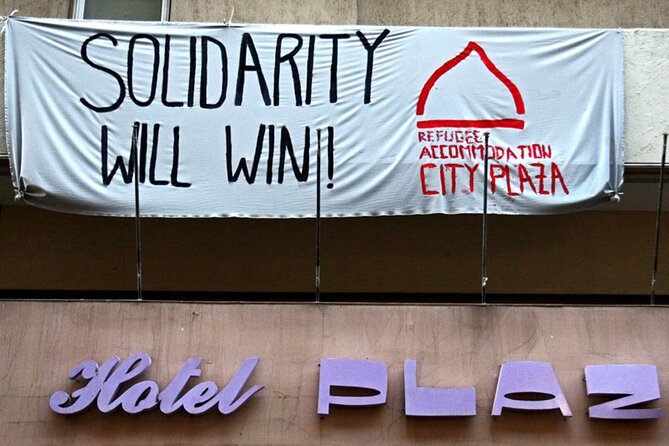
The walk ends at Varvakios Central Market, at number 68 Varvakios Agora. This gives the experience a clear finish in one of central Athens’s working city spaces rather than at a museum or monument.
The market is useful as an endpoint because it returns you to a familiar urban rhythm. After discussing refugee arrival and public response, you finish in a place connected with everyday commerce and city life. The details do not promise a market tour, food tasting, or time inside specific stalls, so do not book this expecting a culinary experience.
I like this ending for practical reasons, too. Varvakios Central Market is a recognizable point on a city map, and you can continue exploring Athens afterward. The experience does not include a return transfer to Green Park, so plan your next stop from the market rather than assuming you will be led back to the starting point.
What the guide’s style adds
Isaac is the strongest personal element in this experience. The walk depends on a guide who can explain difficult material clearly, handle questions, and keep the conversation grounded in real human consequences.
The available feedback describes him as friendly and highly informed, but I would place more weight on the specific detail that he gave one participant new questions to ponder. That is a good sign for a discussion-based walk. You are not simply receiving information. You are being encouraged to examine your own assumptions.
That format will suit you if you enjoy asking why and how. It may not suit you if you prefer a tightly timed sightseeing script with constant movement and little discussion. The experience is aimed at people interested in social justice and politics, so the guide’s ability to frame the subject matters as much as the route.
You should also approach the walk with respect. Refugee displacement is not a dramatic backdrop for photographs. The purpose is to understand hardship and the forces behind it. A thoughtful attitude will make the experience more useful for you and less intrusive for the people who live in the areas you visit.
Price, group size, and overall value
The price is $32.38 per person. For a 90-minute walk, that is more than you might pay for an informal stroll, but the comparison is not quite fair. You are paying for a specialized subject, a guide-led discussion, and a perspective you are unlikely to get from a standard Athens highlights tour.
I see the value most clearly if you are already interested in modern Greece, migration, politics, or social justice. The experience can add context to the rest of your visit and may change how you read the city after the walk.
The value is less certain if you want a long route, many named sights, or extensive historical detail. Two stops are not identified in advance, and the experience is not described as including refreshments, entry tickets, or transportation. Its product is the conversation and interpretation.
A maximum of 30 people keeps the price within reach while allowing for a proper group discussion. At full capacity, however, you may need to speak up if you want to ask Isaac a question. If you prefer a private conversation, contact Planetwonk before booking to ask about arranging a suitable date and time.
Who will appreciate this experience most
I would recommend this walk to adults and older teenagers who want to understand Athens beyond its ancient sites. It is especially suitable if you follow current affairs, care about migration, or want a more socially aware way to spend part of your visit.
It also suits people who learn best through conversation. Isaac’s role appears to go beyond reciting prepared information, and the opportunity to ask questions is one of the experience’s best features.
I would be cautious about booking it for very young children or anyone who is easily overwhelmed by accounts of hardship. The description directly warns that the subject may be difficult. The walk is safe, but emotional comfort is a separate matter.
You should also consider your group’s attitude toward unfamiliar neighborhoods. If everyone is comfortable listening carefully and staying aware of surroundings, the route can broaden your view of Athens. If your group wants only famous sights and relaxed sightseeing, another walk will be a better match.
Practical details before you book
The tour lasts approximately one hour and 30 minutes. It starts at Green Park, Mavrommateon 22, and ends at Varvakios Central Market, number 68 Varvakios Agora, so plan your transport from the endpoint.
You receive confirmation at booking, and the mobile ticket makes the experience easy to carry on your phone. Service animals are allowed, and the activity is near public transportation. Most people can participate, though the walking route and serious subject should still be considered when planning for your group.
The experience requires good weather. If poor weather causes cancellation, you are offered another date or a full refund. It also requires a minimum number of participants, so a cancellation for that reason brings the choice of another date or experience, or a full refund.
You can cancel for a full refund up to 24 hours before the start time. Changes or cancellations made less than 24 hours before the local start time are not accepted for a refund. That policy is reasonable for a scheduled guided walk, but keep the cutoff in mind if your Athens plans are still shifting.
Should you book the refugee crisis walk in Athens?
Book it if you want a serious, compact introduction to the human and political side of refugee arrival in Greece. The combination of Pedion tou Areos, less familiar city areas, a finish at Varvakios Central Market, and Isaac’s discussion-led style gives you something different from a standard Athens tour.
Skip it if you are looking for ancient monuments, food, cheerful sightseeing, or a fully named route with detailed stops listed in advance. The subject can be heavy, and the two unspecified locations mean you are booking the guide’s interpretation as much as the physical itinerary.
At $32.38, I consider it a fair buy for an open-minded visitor who wants context and conversation. Go in ready to listen, ask respectful questions, and accept that the walk may leave you thinking long after the 90 minutes are over.
FAQ
How long does the Walking Tour for Understanding the Refugee Crisis in Athens last?
The experience lasts approximately one hour and 30 minutes.
How much does the tour cost?
The listed price is $32.38 per person.
Where does the tour begin?
The tour begins at Green Park, Mavrommateon 22, Athina 104 34, Greece.
Where does the tour finish?
The tour ends at Varvakios Central Market, number 68 Varvakios Agora, Athina 105 51, Greece.
Who leads the experience?
The guide named for the experience is Isaac, from Planetwonk.
Is the tour suitable for everyone?
Most people can participate, and service animals are allowed. However, the subject concerns refugee hardship and may not suit anyone who is easily overwhelmed.
Can I cancel for a refund?
Yes. You can cancel up to 24 hours before the local start time for a full refund. Poor weather or failure to meet the minimum number of participants may also result in another date or a full refund.