REVIEW · ATHENS
Ceramics Workshops For Kids Only / Artemida
Book on Viator →Operated by Me Nero Ceramics Sophia Sotiropoulou · Bookable on Viator
The best part of this Artemida ceramics workshop is that children get real clay in their hands and make something from scratch. Artist Sophia Sotiropoulou guides the work with simple tools, colors, and hand-building methods. Kids might shape Cycladic figures, small animals, mugs, boats, or plants inspired by Greece.
I like the small maximum of eight children, since that gives Sophia room to help with tricky parts such as mug handles. I also like the Greek snack included in the session. It adds a friendly local touch and gives the children a short break from concentrating on the clay.
The main catch is timing. The class lasts about an hour, but the pieces need to be fired and are ready roughly 15 days later. Kiln firing and shipping are not included in the $20.25 price, so this works best if you can return to Artemida or pay to have the work sent on.
In This Review
- Key points to know before booking
- Making Greek-inspired art with both hands
- A one-hour class with room for personal help
- What children can make in the workshop
- Colors, tools, snacks, and the work area
- Why the group limit matters
- Artemida location and pickup details
- Waiting for the kiln to finish the story
- Is $20.25 good value?
- Who should book this ceramics class?
- Booking and cancellation advice
- Should you book the Artemida ceramics workshop?
- FAQ
- Where does the ceramics workshop take place?
- How long does the activity last?
- What is the price?
- Is the workshop for adults?
- How many people can join?
- What materials are included?
- What can children make?
- When can the finished pottery be collected?
- Can the pottery be shipped?
Key points to know before booking
- Children shape the clay themselves: The class focuses on hand-building, coloring, and decoration rather than watching a demonstration.
- Sophia Sotiropoulou leads the workshop: You receive basic guidance on clay, firing, and ceramic colors from a professional ceramic artist.
- The group is capped at eight: This is a compact class, not a large craft session where children compete for attention.
- A guardian must attend: The workshop is for children and youth, but adults cannot book without an accompanying child.
- Finished pieces take about 15 days: You can collect them at the meeting point or arrange shipping at your own cost.
- The $20.25 fee covers materials and snacks: Clay, tools, colors, and equipment are included, but kiln firing and delivery are extra.
Making Greek-inspired art with both hands
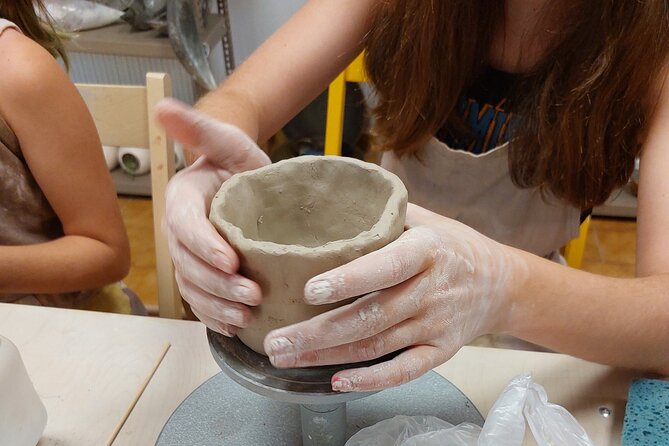
This is a practical art class, not a sightseeing tour with a quick craft added at the end. Your child sits down with natural plastic clay and learns how a soft lump can become a useful object or a small sculpture.
The themes connect neatly with Greece. Children can create Cycladic-style figurines, little animals, toys, plants, fishing boats, or sloops. The workshop also uses the figure of Artemis, described here as a protector of mothers and children, as a source of ideas.
That choice gives children a starting point without forcing them into one design. A child who likes people might try a figurine. Another might prefer a boat or a plant. The open choice matters, since young artists often work best when they have a theme but still control the final result.
You should expect hand-building rather than wheel throwing. The supplied details focus on shaping, coloring, and decoration techniques, so the class is suited to children who want to press, pinch, form, and join pieces by hand. It also means the work can stay playful and accessible within a one-hour session.
A few more Athens tours and experiences worth a look



A one-hour class with room for personal help
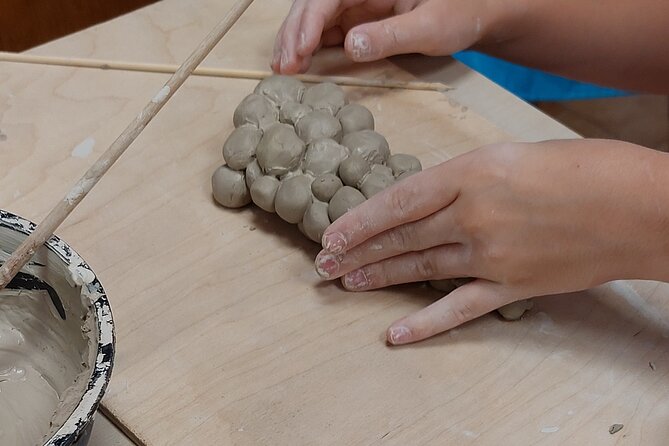
The workshop lasts about one hour. That is short enough for many children to stay focused, though it may feel brief if your child becomes absorbed in a complicated project.
A small class size helps here. With no more than eight participants, Sophia can offer personal attention as children shape their objects and solve construction problems. That is especially useful when a child attempts something more demanding, such as a mug with a handle.
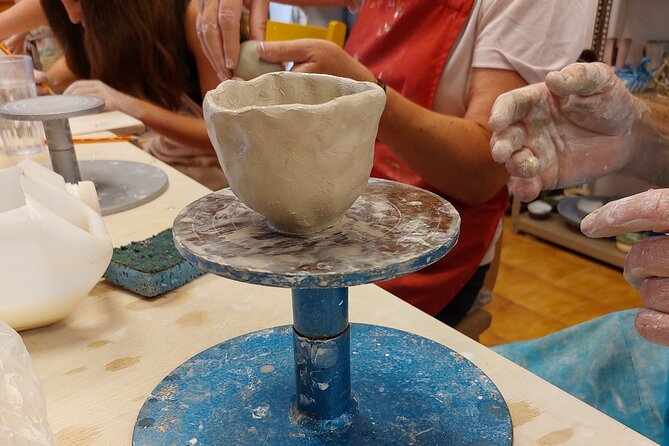
One child who made a ceramic mug found the handle harder than expected, but also found the challenge enjoyable. That is a useful warning for parents: the activity is not just pressing patterns into clay. Some designs require patience and careful joining, and the finished object may not look exactly like the original plan.
That is part of the value. Children get to see that ceramics involves trial, adjustment, and problem solving. A wobbly form is not a failure. It is a record of the child’s own decisions.
The session includes a short explanation of clay, firing, and ceramic colors. This technical background is kept at a basic level, which suits the age range and the limited class time. You should not expect a full ceramics course, but your child will leave with a clearer sense of what happens between wet clay and finished pottery.
What children can make in the workshop
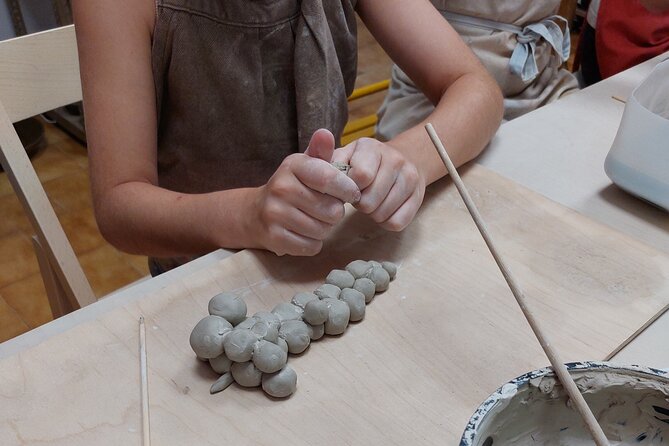
The activity gives you several useful directions rather than one fixed project. The available themes include:
- Cycladic figurines
- Small animals
- Toys
- Plants
- Fishing boats and sloops
- Ceramic mugs with handles
The Greek subjects are a nice fit for a family based in Athens or visiting the area. A small handmade boat can connect to the country’s sea culture. A figurine or plant can become a personal souvenir with more meaning than a shop-bought trinket.
The mug option is particularly appealing if your child wants to make something useful. It also brings more technical difficulty. A handle must be attached securely, and the form needs to remain stable. I would encourage a child to try it if they enjoy a challenge, but not promise an easy result.
For a younger child, a simple animal or plant may be a better choice. For an older child, a figure, boat, or mug can offer more room for detail. The class description does not give a precise minimum or maximum age, so you should use your own judgment about attention span and hand control.
Colors, tools, snacks, and the work area
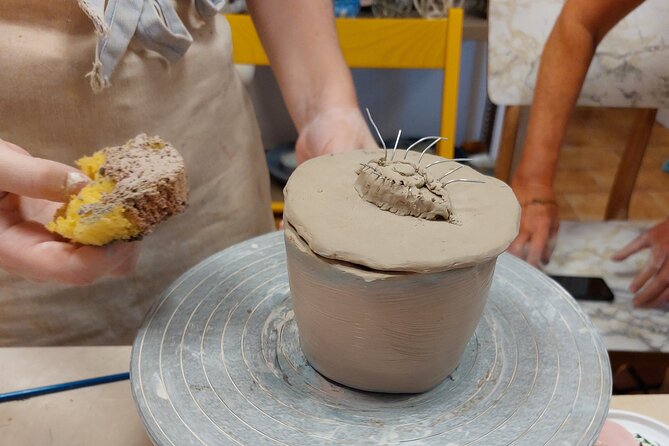
The fee includes clay, colors, tools, and equipment. You do not need to bring craft materials for the child. The workshop also provides a Greek snack, which adds a small taste of local hospitality to the creative session.
The snack is not lunch. Lunch is specifically excluded, and the class lasts only about an hour. Plan a proper meal separately if your family needs one, especially if this workshop forms part of a longer day in Artemida.
The snack can still be useful. Children often need a pause after concentrating on a small object, and sharing food gives the class a relaxed social moment. The snack received specific praise for being delicious, so it is more than a token detail, though you should check directly if your child has food allergies or dietary needs.
The workshop is offered in English. Basic instructions about materials and ceramic techniques are part of the activity. If your child is comfortable following simple English directions, the class should be easy to understand, but the supplied information does not promise translation into other languages.
Why the group limit matters
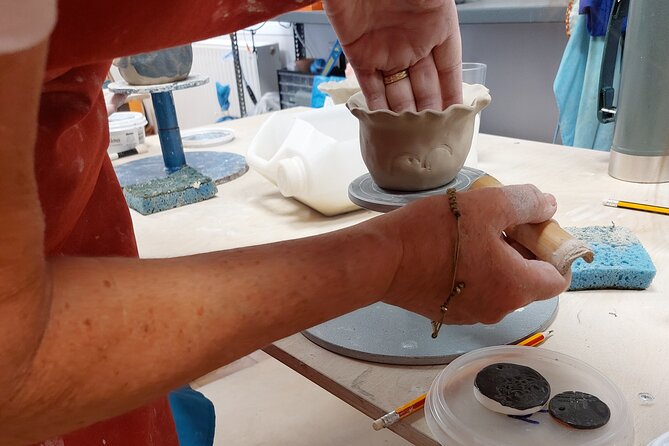
Eight participants is a meaningful limit for a hands-on class. Clay work can become frustrating when a child needs help attaching a piece, fixing a crack, or figuring out how to support a tall shape.
In a very large group, the instructor might only give a general demonstration. Here, the format allows Sophia to move from child to child and respond to individual projects. That personal guidance is one of the strongest reasons to choose this activity over a generic children’s craft session.
The class is officially for kids and youth only, but a legal guardian must accompany each child. Adults do not take part as independent students. If you are booking for yourself without a child, the activity will not proceed, so make sure the reservation reflects the correct family setup.
The guardian requirement also makes this easier for parents who want to stay close. You can support your child, watch the process, and help with practical needs while leaving the actual creative work in the child’s hands.
- All Day Cruise -3 Islands to Agistri,Moni, Aegina with lunch and drinks included
★ 5.0 · 4,958 reviews






Artemida location and pickup details
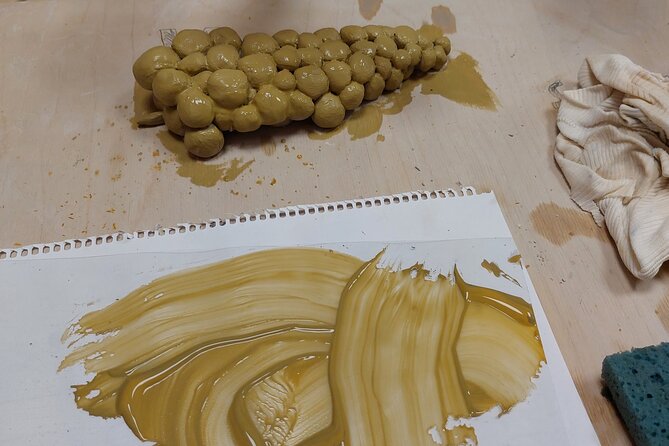
The meeting point is Seasabelle The Hotel, at Leof. Artemidos 2, Artemis 190 16, Greece. The activity ends back at the same meeting point.
Pickup is offered, though the supplied details do not specify the pickup area, schedule, or whether an added fee applies. Ask for those details before booking if you need transport arranged. Otherwise, treat the hotel as the confirmed start and finish point.
The location is in Artemida, not central Athens. That matters when you plan your day. The workshop is a better fit for families staying near Artemida or combining it with other plans in the area than for someone seeking a quick activity beside the Acropolis.
Because the class is short, transport time can become a large part of your outing. I would check the route and allow enough time to arrive before the start. A child who rushes in from a long transfer may not enjoy the careful pace that clay requires.
The activity is mobile-ticket friendly, and confirmation is received when you book. Service animals are allowed, and most people can participate. The experience requires good weather, and if poor weather causes cancellation, you are offered another date or a full refund.
Waiting for the kiln to finish the story
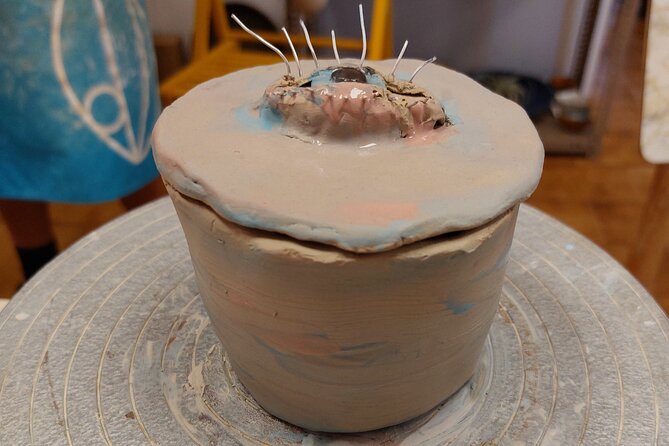
The clay pieces are not ready to take home at the end of the class. They need to dry and go through kiln firing, with collection expected about 15 days later.
That delay is important for families on a short visit. If you remain in Athens or return to Artemida later, you can collect the work at the meeting point. If you leave before the pieces are ready, shipping can be arranged to your address, but the delivery cost is extra.
Kiln firing is also listed as not included in the price. The exact firing charge is not provided, so ask about it before booking if you need to calculate the full cost. The advertised $20.25 is therefore a starting price for the workshop, materials, equipment, colors, and snack, not necessarily the final cost of receiving the finished pottery.
This delayed finish can still be a useful part of the lesson. Children learn that ceramics takes time. The object they make is not instantly complete, and the final firing changes a soft piece into a durable one. Just make sure your family understands the collection plan before the class begins.
Is $20.25 good value?
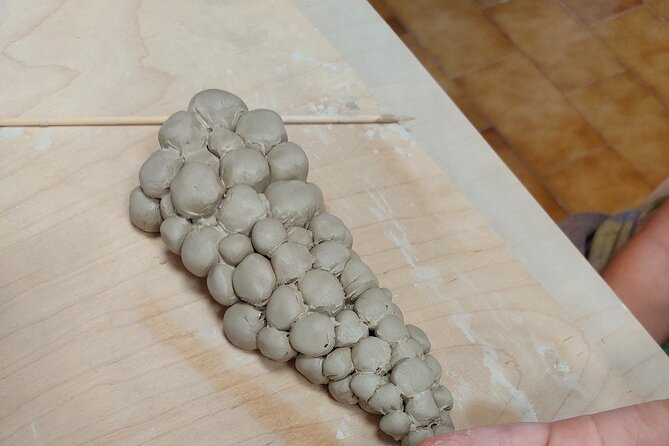
At $20.25 per person, the price is reasonable for a small, guided creative session with clay, tools, colors, equipment, technical instruction, and a Greek snack included.
The value is strongest if your child genuinely enjoys making things. You are paying for direct access to an artist, a small group, and a finished personal object rather than a passive attraction. The class also gives children something connected to Greece without turning the activity into a lecture.
The cost needs a little adjustment in your planning. Kiln firing is excluded, and shipping is extra if you cannot return for pickup. You may also need to account for transport to Artemida and any meal outside the included snack.
For a family comparing activities, I would judge the price by the child’s interest. A child who loves crafts may find this far more rewarding than another short photo stop. A child who dislikes getting messy or struggles to stay with one project for an hour may get less from it.
The five-star rating and the available written feedback point to two clear strengths: Sophia’s patient, kind teaching and the enjoyment of making a difficult object such as a handled mug. Those details suggest that the experience is personal and encouraging, not rushed through as a simple souvenir-making exercise.
Who should book this ceramics class?
I would choose this workshop for families with children or young people who like drawing, building, shaping, or making gifts. It suits a child who wants to take part rather than simply watch an instructor.
It is also a good option for parents seeking a quieter break from major Athens sights. The small group, hands-on format, and local artistic setting offer a change of pace from monuments and museums.
The activity may be less suitable if:
- Your family has only a few hours in Athens and cannot return for collection.
- You want an adult ceramics lesson.
- Your child expects a finished object immediately.
- You need a firm total price that includes firing and shipping.
- Your child is too young to follow a one-hour guided activity, although no exact age range is provided.
The class is especially practical for people staying near Artemida, since returning after 15 days is easier. If you are flying out soon, ask about shipping costs and timing before committing.
Booking and cancellation advice
You can cancel for a full refund if you do so at least 24 hours before the local start time. Changes or cancellations made less than 24 hours before the start are not accepted for a refund.
The activity requires good weather. If poor weather cancels the session, you are offered a different date or a full refund. This condition is worth remembering when building a tightly scheduled family day.
The workshop is often booked well ahead, with an average booking lead time of about 50 days. That suggests you should reserve early if your dates are fixed, especially because the group limit is only eight participants.
Should you book the Artemida ceramics workshop?
Book it if your child enjoys hands-on art and you can manage the return visit or extra shipping cost. Sophia Sotiropoulou’s patient guidance, the small group, and the chance to make a Greek-inspired object give this short class real substance.
Skip it if you need an instant souvenir, an adult-only activity, or a workshop in central Athens. For the right family, though, this is a modestly priced way to let a child create something personal, learn how ceramics works, and carry home a memory that began as a lump of clay.
FAQ
Where does the ceramics workshop take place?
The workshop starts and ends at Seasabelle The Hotel, Leof. Artemidos 2, Artemis 190 16, Greece.
How long does the activity last?
The workshop lasts approximately one hour.
What is the price?
The listed price is $20.25 per person.
Is the workshop for adults?
No. The activity is intended for children and youth. A legal guardian must accompany the child, and adults cannot book without a child or young person.
How many people can join?
The maximum group size is eight participants.
What materials are included?
Clay, colors, tools, and equipment are included. The session also includes a Greek snack and brief technical information about clay, firing, and ceramic colors.
What can children make?
Children may make Cycladic figurines, animals, toys, plants, fishing boats, sloops, or other clay creations. A handled ceramic mug is also possible, although it can be more difficult to build.
When can the finished pottery be collected?
The pieces can be collected approximately 15 days later, after they have been fired in the kiln.
Can the pottery be shipped?
Yes. Shipping can be arranged if you leave Athens before the pottery is ready, but shipping fees are not included. Kiln firing fees are also not included.