REVIEW · ATHENS
Herakleidon Museum of Ancient Greek Technology: Entry Ticket
Book on GetYourGuide →Operated by Museum Herakleidon - Non Profit Cultural · Bookable on GetYourGuide
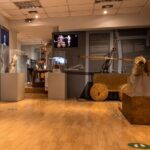
A tiny mechanism, a big Greek brain. The Herakleidon Museum of Ancient Greek Technology turns Ancient engineering into something you can actually look at, with key ideas tied to real objects—especially the Antikythera Mechanism. I like that it doesn’t treat technology as an afterthought. It puts Greek ingenuity front and center, with displays built around how people calculated, designed, and built.
I also love the museum’s learning approach: it mixes Science, Art, and Mathematics into the same story, so the tech feels connected to thinking, not just stuff on shelves. And you can expect to see artifacts that connect engineering to everyday life—including war techniques—so it feels practical rather than purely academic.
One possible drawback: this is essentially an entry ticket for a self-guided visit. If you want a guided tour style of interpretation, you’ll have to rely on what’s presented on-site rather than on an included guide.
In This Review
- Key things to notice before you go
- A tech museum in Athens that treats Greek brains seriously
- Where the ticket redemption starts (and how to plan the two-building walk)
- Price and value: is $8 worth your time?
- What you’ll actually see: the museum’s Science–Art–Math framework
- The Antikythera Mechanism: why it’s treated like a headline act
- Greek war techniques and what engineering can teach about power
- How to pace a one-day museum slot near the Acropolis
- Who this is best for (and who might not love it)
- Should you book the Herakleidon Museum entry ticket?
- FAQ
- Where do I redeem the Herakleidon Museum ticket?
- Is the museum close to Thissio Metro?
- Where is the second museum building?
- What’s included with the entry ticket?
- Is hotel transfer included?
- How long is the experience?
- What’s the price?
- Are there any rules inside the museum?
- Can I cancel my booking?
Key things to notice before you go
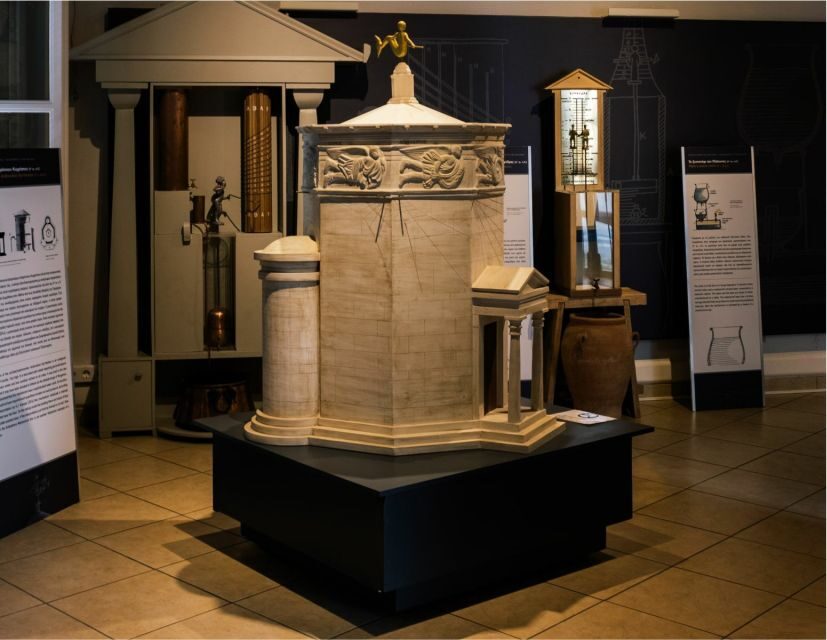
- Antikythera Mechanism on display: a must-see attraction tied to the idea of an early computing device.
- Tech framed through Science, Art, and Mathematics: expect explanations that link methods to design.
- Two-building museum layout: plan time to redeem at one address and then walk to the second site.
- Engineering ideas beyond “civilian” tech: war-tech artifacts help you understand the full reach of Greek techniques.
- Entry ticket only: you control the pace, so come ready to read and look closely.
A tech museum in Athens that treats Greek brains seriously
The Herakleidon Museum is in Thissio, very near the main entrance area of the Acropolis, which makes it an easy add-on if you’re already in that zone. But what you’ll feel once you’re inside is different from most “ancient Greece” stops. This place zeroes in on how Greeks thought and built—engineering as a form of intelligence.
The museum presents itself as an interactive science center focused on antiquity. That means you should expect more than static labels. Even if you’re not an engineering nerd, you’ll likely find explanations designed to help you follow the logic behind the tools. The big theme is that Ancient Greeks used sophisticated data and methods—then turned those methods into objects and structures you can physically see.
A few more Athens tours and experiences worth a look


Where the ticket redemption starts (and how to plan the two-building walk)
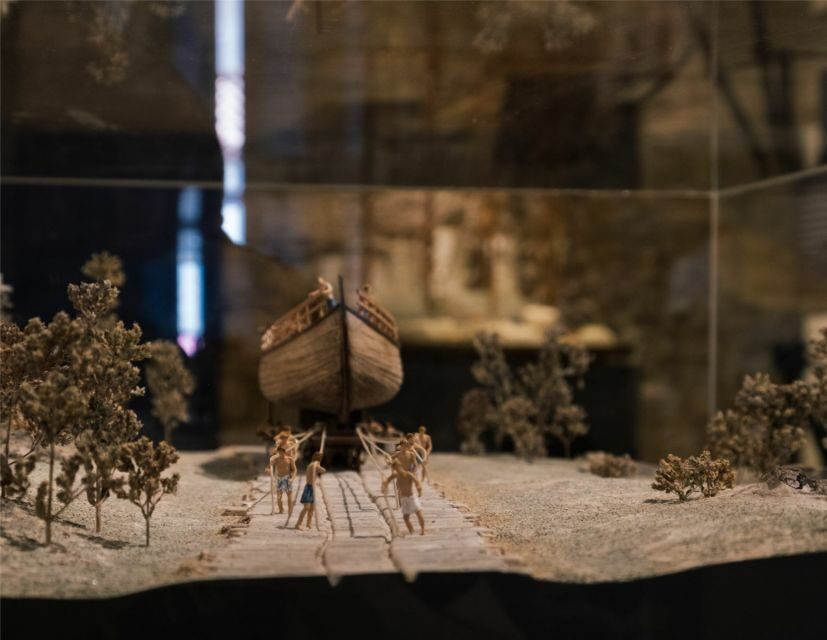
Your entry ticket is redeemed at the first of two museum buildings, at 16 Herakleidon Street. This is walking distance from Thissio Metro, and the address puts you in a convenient pocket for the Acropolis area. The second building is at 37 Ap. Pavlou Street, about 150 meters from the first.
That short distance matters because it changes how you should pace your day. You’re not committing to a long transfer or a separate bus ride—you’re doing an easy, on-foot shift between two sites. If you’re the type who likes to see “one building, then get coffee,” this setup fits your style.
Practical move: when you redeem your ticket, take a quick look at both sites on your phone map. Then decide which one you want to start with. The museum is set up so you can cover it within a one-day visit window without stressing about getting across the city.
Price and value: is $8 worth your time?
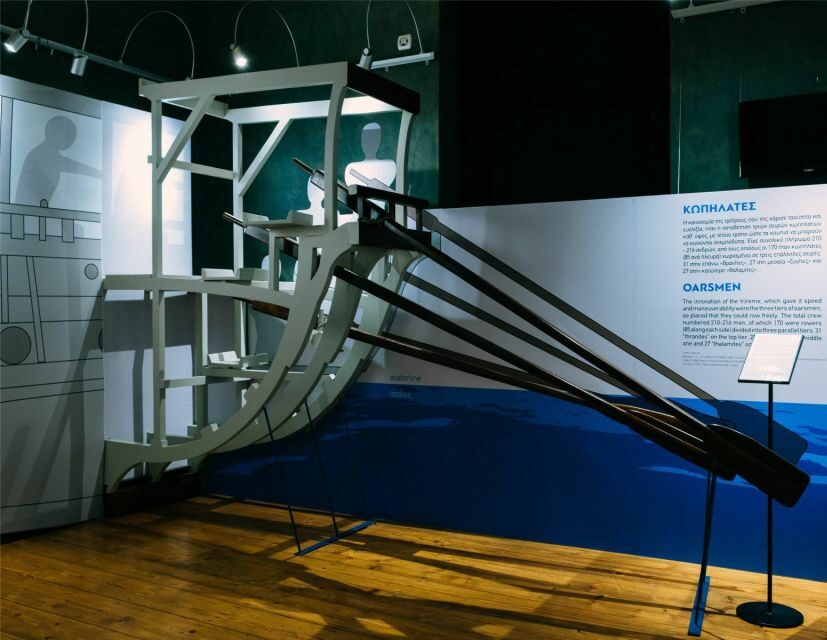
The entry ticket is listed at $8 per person, which is genuinely reasonable for Athens. The value depends on what you expect from a self-guided museum.
If you want a hands-on science vibe tied to Ancient Greek achievements, you’re likely to feel satisfied. The museum’s mission centers on that “EUREKA” theme—Science, Art and Technology of the Ancient Greeks—and you’ll spend time absorbing how math and design show up in real mechanisms and tools.
If you’re looking for hours of guided storytelling, or you want a lot of modern-style interactive stations with staff-led explanations, you might come away wanting more. This is the key tradeoff: since guided tours aren’t included, the museum experience leans on your own reading and observation.
There’s also a reality check in the overall rating: the experience shows an average of 3.5 out of 5 from 19 ratings. That typically suggests a split—some people really click with the concept and content, while others feel the self-guided approach or the scope doesn’t fully match expectations at the price point. For you, the best solution is simple: match your expectations to the format.
What you’ll actually see: the museum’s Science–Art–Math framework
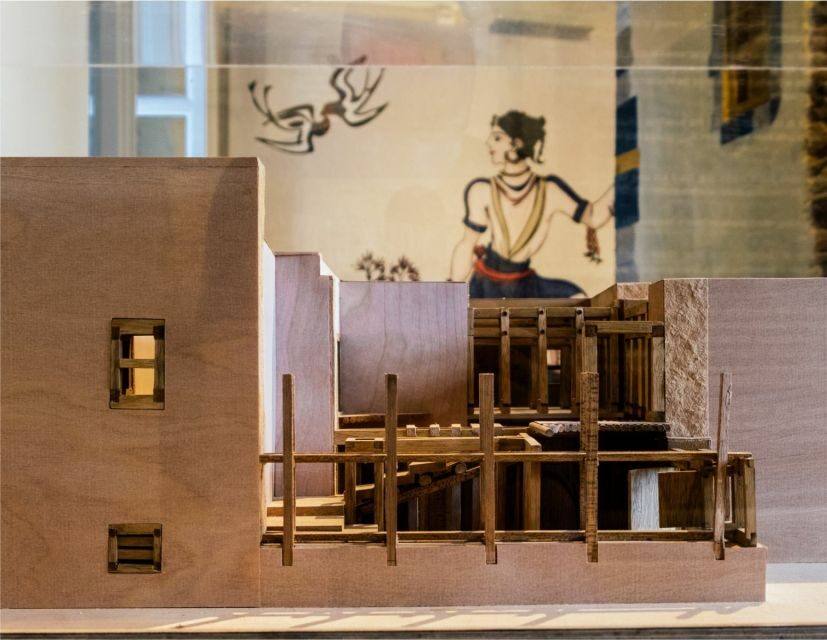
A lot of Ancient technology museums get stuck in either “science” or “art history” mode. Herakleidon is built around a different framework: the triptych of Science, Art, and Mathematics. In practice, that means you’re meant to understand technology as a combination of careful calculation, design choices, and communication through objects.
As you walk through the displays, the core idea is that Greeks worked with sophisticated data. You’re not just watching outcomes—you’re trying to understand the method behind the outcomes. That method shows up in how devices were designed, how knowledge was applied, and how structures were planned with the math of the time.
The museum also points out its educational philosophy: programs are motivated by the exhibition theme and aimed at students, teachers, and adults. Even if you’re not in a class, you’ll feel the museum’s intent. It tries to make you think like a maker: how would you calculate, then build, then verify with the tool you designed?
If you like learning that feels organized, this is a good match. If you prefer a purely visual museum where you can skim labels and still feel satisfied, you may need more patience than you’d like.
The Antikythera Mechanism: why it’s treated like a headline act
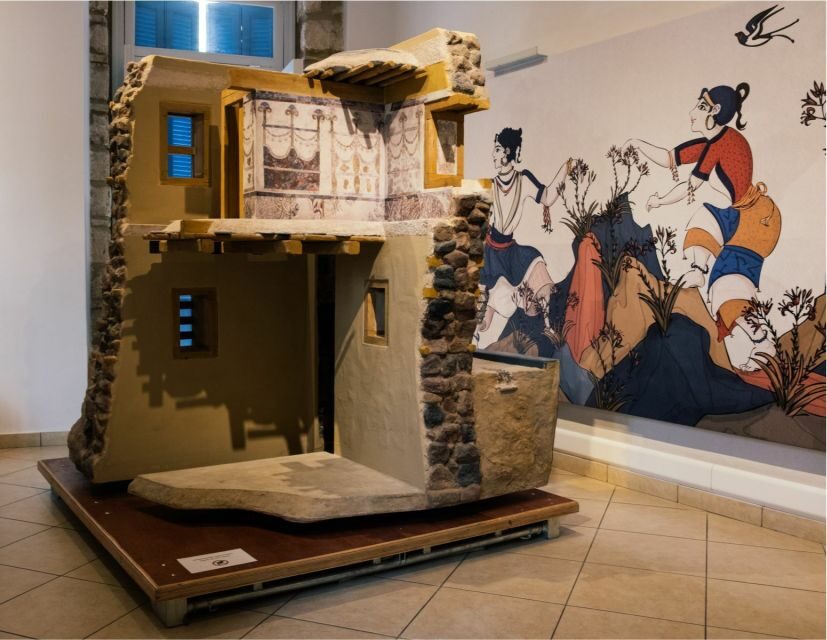
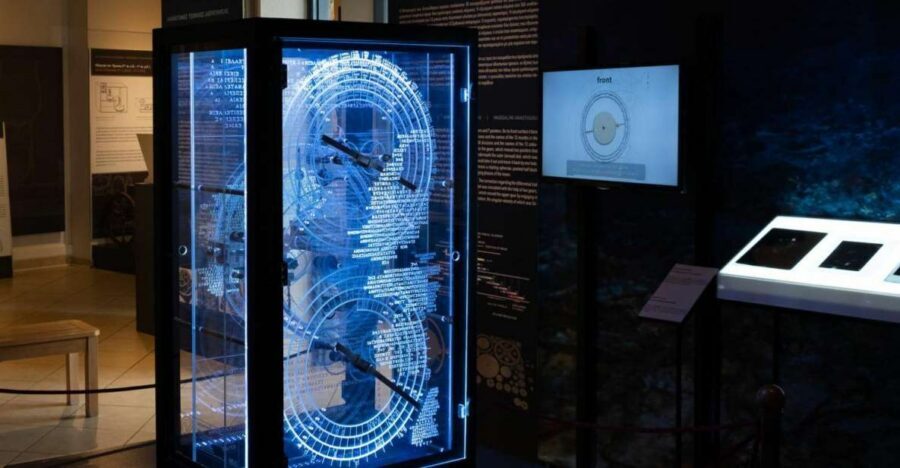
The Antikythera Mechanism is the signature highlight listed for the museum. It’s described as the world’s first computer—an attention-grabber for sure—and it’s the kind of object that can transform how you view Ancient innovation. Even if you’ve only heard the legend before, seeing it as part of a technology museum helps you connect the dots.
What makes the Mechanism special for your visit is not only its fame. It also anchors the museum’s theme: calculation put into motion. A “computer” idea is abstract. An actual artifact is concrete. When the museum frames it alongside the broader theme of Greek thinking, you’ll likely walk away with a clearer picture of why people call it an early information machine.
In a self-guided setting, the best way to enjoy this part is to slow down. Don’t just look for the wow factor. Try to read how the museum explains what the device does and what that implies about the knowledge required to build it.
You can also read our reviews of more museum experiences in Athens


Greek war techniques and what engineering can teach about power
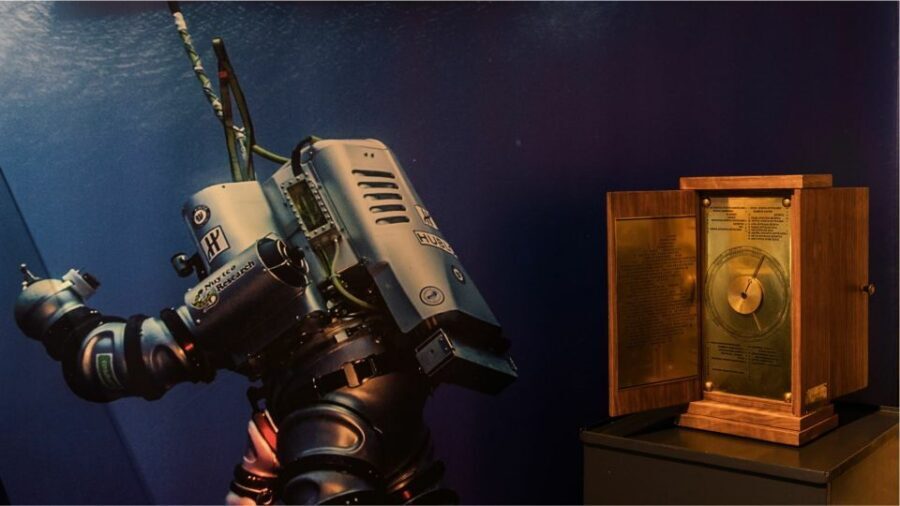
Another major highlight is seeing technological artifacts showing war techniques of the Greeks. This is a smart inclusion because it stops technology from feeling like only astronomy and neat mathematical puzzles.
War tech forces the question: how do you apply engineering under pressure? How do you design tools that work in real scenarios? In a museum focused on ancient ingenuity, war-related artifacts can help you understand that innovation wasn’t just theoretical. It was tied to strategy, materials, and execution.
Now, you should calibrate your expectations here. The provided information doesn’t say which exact weapons systems or models you’ll encounter. But it does tell you the museum covers war techniques through technological artifacts, so you can reasonably expect at least some sections where the focus shifts from calculation to practical application.
If you like your history tied to design and engineering challenges, you’ll probably enjoy this shift. If your interest is strictly “science and astronomy,” you may need to spend less time there and more time on the Antikythera and math-centered displays.
How to pace a one-day museum slot near the Acropolis
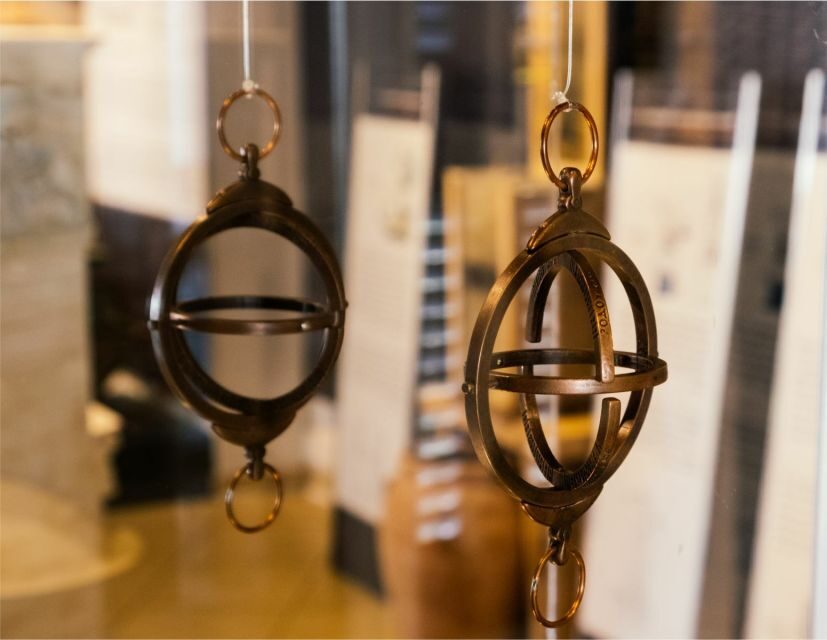
The activity is listed as duration: 1 day, with starting times you can check when you book. Since this is not a guided tour, you should treat it like a choose-your-own-pace museum day.
A good approach is to build your visit around the museum’s two-building structure:
1) Building 1 (Herakleidon Street): start with ticket redemption and your first pass through the main displays.
2) Building 2 (Ap. Pavlou Street): walk over and continue with the remaining exhibits.
Because the buildings are only 150 meters apart, you don’t need to plan for long transitions. What you do need is time to read. Museums like this reward close attention, especially when the theme is how Greeks used math and data. If you rush, the story can blur.
Also note the on-site rules: no smoking and no drinks. That’s standard museum guidance, but it matters for pacing. Bring water plans that fit local rules—if drinks aren’t allowed inside, you’ll want to handle it outside the galleries.
Who this is best for (and who might not love it)
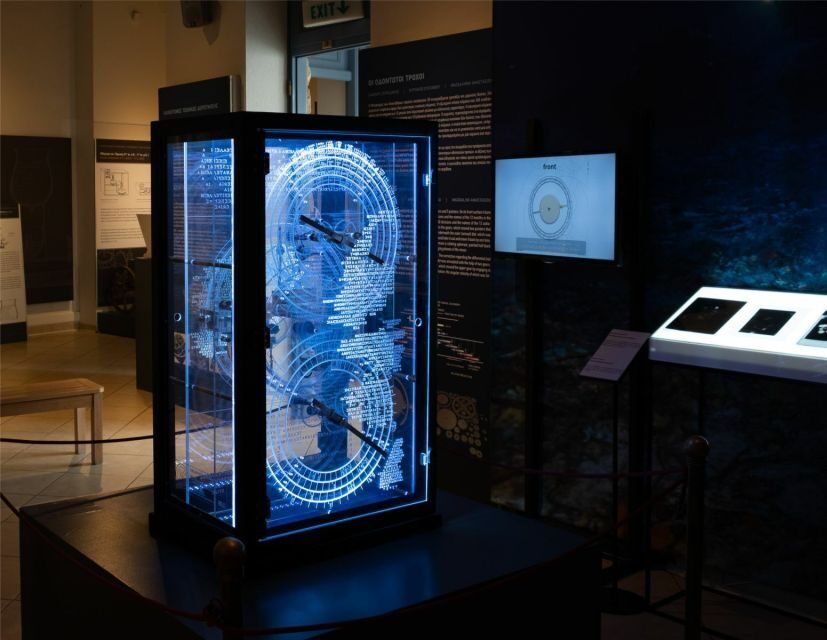
This ticket is a great fit if you want a museum that connects Ancient Greek intelligence to technology you can visualize. It also suits you if you like science explanations and enjoy the idea of learning how math shows up in tools and mechanisms.
You’ll likely enjoy it more if you:
- Like structured learning that ties science, art, and math into one narrative
- Want to see the Antikythera Mechanism as a core museum attraction
- Prefer self-guided pacing where you can spend extra time at the parts that catch your interest
You might be less impressed if you:
- Expect an included guided tour to do the interpretation for you (it’s not included)
- Want lots of modern-style hands-on interactivity without reading
And yes, the mixed rating can be a clue. With 3.5/5, the experience probably hits best for people who already care about how technology worked in the ancient world and are willing to engage with explanations on-site.
Should you book the Herakleidon Museum entry ticket?
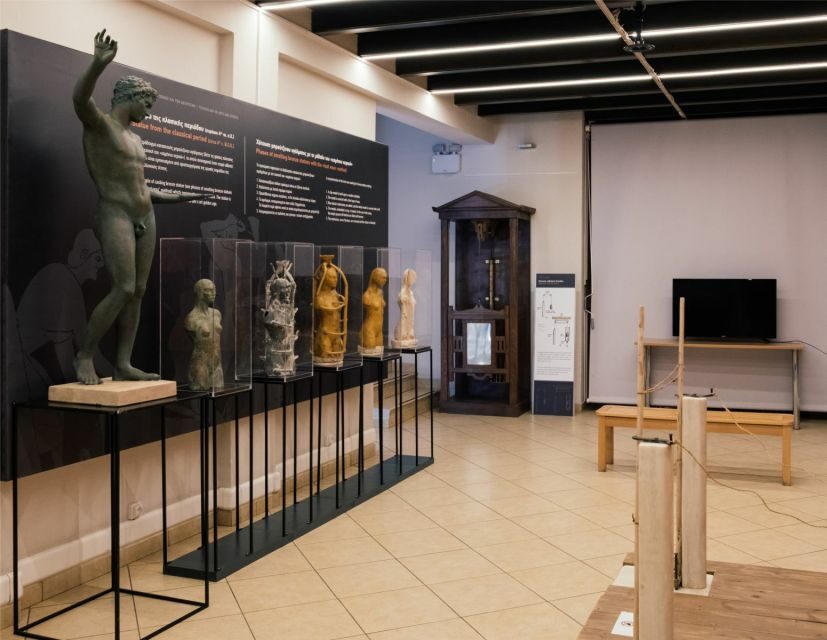
Yes—if your goal is a focused, logic-driven museum about Ancient Greek technology, and you’re comfortable doing a self-guided visit. For $8, it’s easy to justify as an add-on near the Acropolis, especially if the Antikythera Mechanism is on your must-see list.
I’d say skip or rethink if you’re counting on a guide-led experience, or if you need a museum to feel like a full-day event. This is more likely a smart, concentrated stop than a sprawling, all-day production.
If you’re in central Athens for the Acropolis area anyway, booking is a low-risk way to add a different angle: not just ruins and statues, but mechanisms and methods.
FAQ
Where do I redeem the Herakleidon Museum ticket?
Redeem your ticket at the first of the museum’s two buildings at 16 Herakleidon Street.
Is the museum close to Thissio Metro?
Yes. It’s listed as walking distance from the Metro station Thisseio/Thissio.
Where is the second museum building?
The second building is at 37 Ap. Pavlou Street, about 150 meters from the first building.
What’s included with the entry ticket?
The entry ticket is included. A guided tour is not included.
Is hotel transfer included?
No. Hotel transfer is not included.
How long is the experience?
It’s listed as 1 day. You’ll also see starting times when you check availability.
What’s the price?
The ticket price is listed as $8 per person.
Are there any rules inside the museum?
Smoking is not allowed, and drinks are not allowed.
Can I cancel my booking?
Yes. Free cancellation up to 24 hours in advance is listed for a full refund.