REVIEW · ATHENS
Local Home Cooking – A Taste of the Greek Islands in Athens
Book on Viator →Bookable on Viator
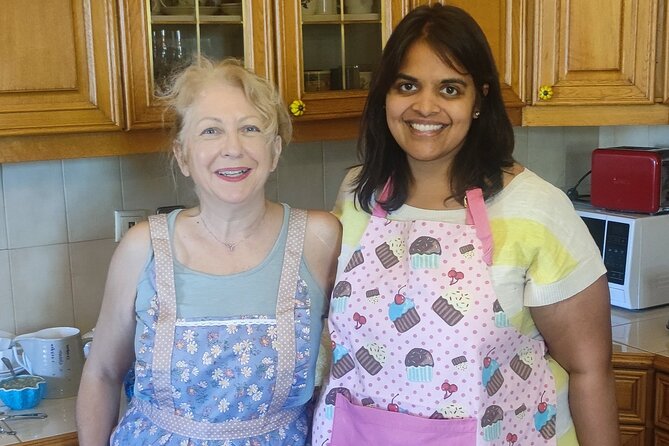
Greek island cooking takes center stage in an elegant home in Nea Smyrni, where you prepare five dishes rather than simply watching a chef work. Christo, a professional cook from Corfu, and Fotini, a self-taught cook, guide you through recipes from Syros, Kimolos, and other parts of Greece.
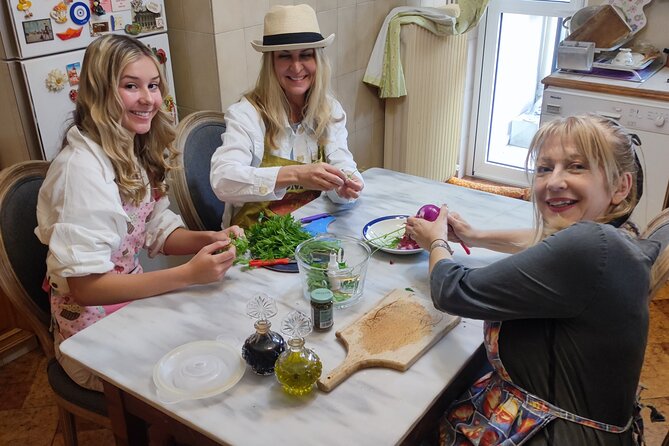
I like the personal scale and the art-filled setting. You cook in a private home surrounded by paintings, antiques, and vintage décor, then eat what you made at a carefully set table. I also like the food focus: capers, black-eyed peas, feta, spiced meatballs, and cocoa dessert offer a wider view of Greek cooking than the usual tourist menu.
The main consideration is the price, $140 per person, for about three hours. That is a serious spend for a cooking class, and private transportation is not included. You are paying for the setting, personal instruction, meal, and cultural conversation, not just for a recipe lesson.
In This Review
- Key points about this Athenian cooking class
- Why this feels different from a standard Athens meal
- Arriving in Nea Smyrni for the class
- Meeting Christo and Fotini in their art-filled home
- Cooking the Syros parsley and caper salad
- Building tebelopita with Greek feta
- Preparing papoudia salad from Kimolos
- Seasoning soutzoukakia with care
- Ending with cocoa mossaiko and Greek wine
- What $140 per person really buys you
- Who will enjoy this most
- Timing, drinks, and practical details
- My call: book it for the home and the food story
- FAQ
- Where does the cooking experience take place?
- How long does the experience last?
- Is the activity offered at lunchtime or dinnertime?
- Who leads the cooking class?
- What dishes will I prepare?
- Is a vegetarian option available?
- Are drinks included?
- Is transportation included?
- Is this a private activity?
- Can I cancel or change my booking?
Key points about this Athenian cooking class
- Five traditional dishes: Prepare maidanosalata, tebelopita, mossaiko, papoudia salad, and soutzoukakia in the oven.
- Two local hosts: Christo brings professional cooking experience from Corfu, while Fotini brings a self-taught cook’s passion and a polished home setting.
- Island-focused menu: Recipes come especially from Syros and Kimolos, with other Greek regional touches.
- Private experience: Only your group participates, making the class more personal than a large market-style workshop.
- Lunch or dinner timing: Choose the meal period that best fits your Athens plans.
- Wine with the finished meal: The experience includes one or two glasses of wine, plus coffee, tea, and soft drinks.
Why this feels different from a standard Athens meal
Athens gives you plenty of chances to eat Greek food. This experience gives you a chance to understand it. You are not only presented with a plate of feta, salad, or meatballs. You learn how ingredients and techniques connect to the islands and to the people who cook there.
The class begins with an overview of Greek culinary history. That part matters because the menu is not a random collection of dishes. Geography plays a clear role. Island kitchens have long relied on ingredients that store well, grow locally, or carry a strong flavor in small amounts. Parsley, capers, beans, cheese, spices, and tomato each do useful work.
I like that the menu avoids making Greek food seem one-note. You will see fresh herbs in maidanosalata, legumes and rice in papoudia salad, feta in tebelopita, and heavily seasoned meat in soutzoukakia. The food moves from light and herbal to savory and filling, then ends with a simple cocoa sweet.
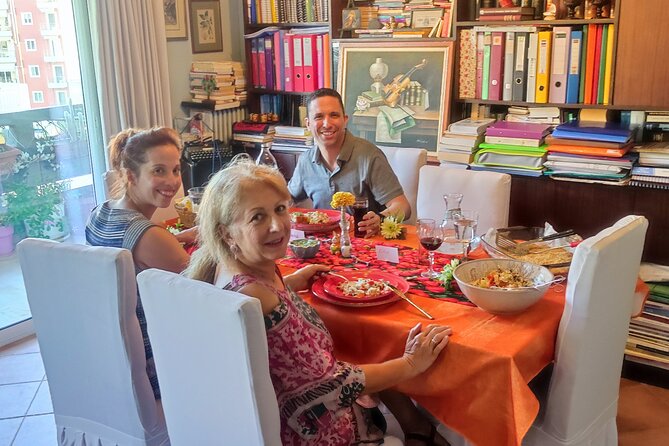
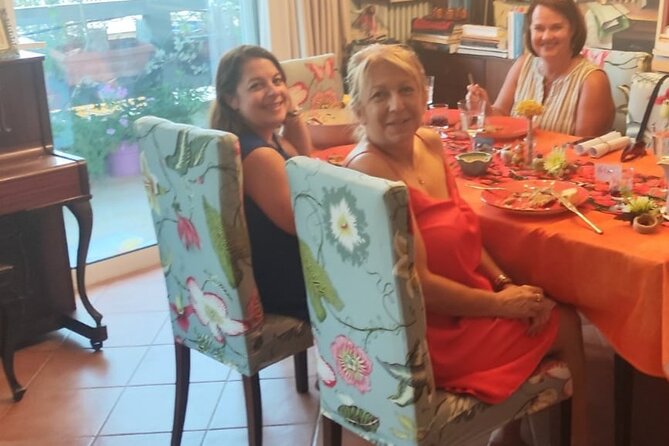
This is also a home-based experience, not a restaurant with a demonstration kitchen. The apartment is part of the occasion. Original paintings, antiques, and vintage details give the room the feel of a small private gallery. If you enjoy food paired with art, conversation, and a sense of place, the setting adds real value.
You can also read our reviews of more cooking classes in Athens

Arriving in Nea Smyrni for the class
The meeting point is Ikoniou 100 in Nea Smyrni, Athens, and the activity ends back there. You need to arrange your own transportation, so allow time to reach the address without rushing.
The experience is offered in English, which makes the historical and cooking explanations accessible to English-speaking visitors. Confirmation is provided at booking. The activity is private, so your group will not be combined with strangers.
The three-hour duration is long enough for hands-on cooking and a proper meal, but it is not an all-day food tour. You should think of it as one focused meal with a lesson attached. A lunchtime class can fit before an afternoon of sightseeing. A dinnertime option works well if you want your evening meal to be the main event.
One practical point: the description does not include private transportation. If you are unfamiliar with Athens, do not treat the address as an afterthought. Plan how you will get to Nea Smyrni before the day of the class.
Meeting Christo and Fotini in their art-filled home
Christo and Fotini shape the experience in different ways. Christo is a professional cook from Corfu, so he brings a working cook’s perspective to the recipes and techniques. Fotini is self-taught and deeply interested in food, history, presentation, and hospitality.
That combination sounds useful in practice. You get cooking instruction from someone with professional experience, but the atmosphere remains personal rather than formal. Christo’s kitchen guidance is described as focused and good-humored, while Fotini brings conversation and attention to the setting.
The apartment itself deserves notice. It is filled with paintings, antiques, and vintage-chic décor. The dining room and table setting are treated as part of the experience, not as background decoration. You may find this especially appealing if you enjoy design and art as much as food.
The atmosphere is polished, but it is also intended to feel warm and domestic. You are welcomed into a private home, then invited to sit down and eat together. That makes this a better fit for someone who wants personal contact than for someone who prefers a quick class with a large group and a fixed script.
Cooking the Syros parsley and caper salad
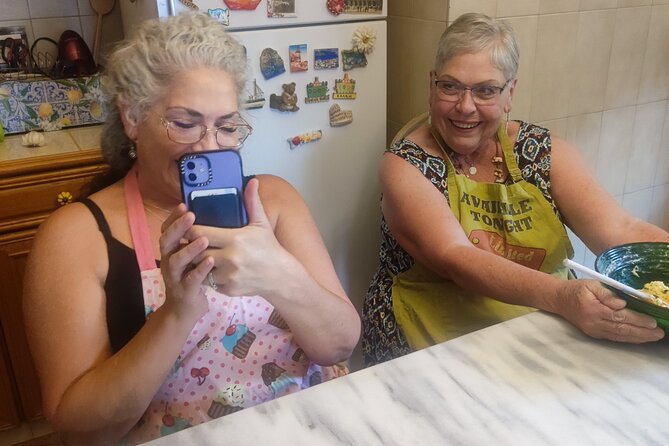
One of the first dishes is maidanosalata, a recipe from Syros made with parsley, onion, caper, and garlic. It is a good example of how a few assertive ingredients can create a dish with plenty of character.
The caper brings salt and sharpness. Parsley gives the salad a green, fresh quality, while onion and garlic add bite. You will learn how these ingredients are balanced rather than hidden. This is not a complicated dish, but it helps you understand why Greek cooking often depends on freshness, acidity, herbs, and strong seasoning.
For your own kitchen, maidanosalata may be one of the easiest recipes to repeat. It does not require specialized equipment or a long ingredient list. The class gives you more than a souvenir recipe because you also see how the ingredients are handled and combined.
Building tebelopita with Greek feta
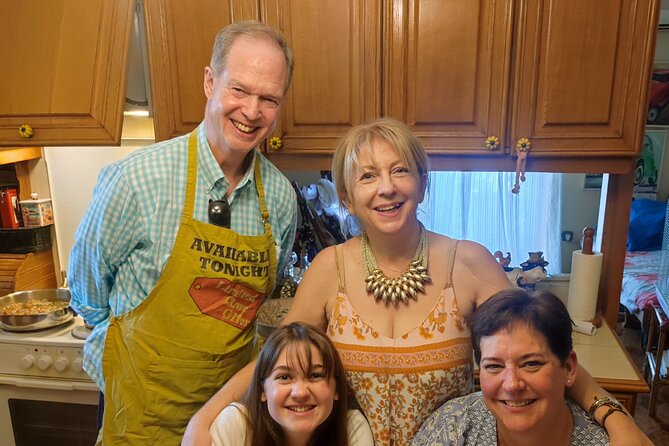
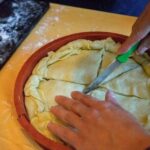
Tebelopita is a traditional Greek pie made with feta cheese. Here the emphasis is on one of Greece’s most recognizable ingredients, but the experience places it in a home-cooking context rather than treating feta as a garnish.
A cheese pie also brings texture into the meal. The filling is savory and creamy, while the pastry gives the dish structure. You get to work with a classic form of Greek cooking that appears in many regional variations.
The menu uses the word main for several dishes, but you should expect a shared meal rather than five separate full-size entrées. Five recipes over about three hours suggests a collaborative spread, with each dish contributing something different to the table.
If you are vegetarian, this part of the menu will be especially welcome. A vegetarian option is available, though the supplied details do not specify exactly how the full menu changes. It is sensible to state your needs when booking.
- All Day Cruise -3 Islands to Agistri,Moni, Aegina with lunch and drinks included
★ 5.0 · 4,958 reviews






Preparing papoudia salad from Kimolos
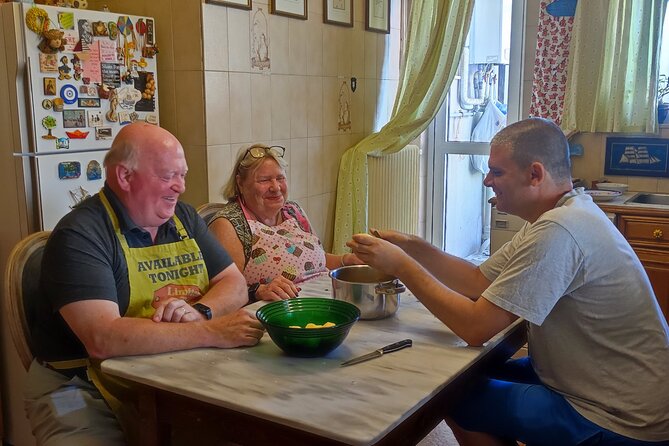
Papoudia salad comes from Kimolos and combines black-eyed peas, rice, and vegetables. This dish gives the menu a different feel from the feta pie and parsley salad.
Black-eyed peas and rice make the salad more substantial. It is a useful reminder that island cooking is not limited to seafood or grilled meat. Beans, grains, vegetables, and herbs can form the heart of a satisfying dish, especially in home kitchens.
I like this recipe because it adds regional detail without asking you to memorize a long list of obscure facts. You taste how a dish built from humble ingredients can fit a particular island tradition. It also gives you a practical recipe to recreate at home as a lunch or side dish.
Seasoning soutzoukakia with care
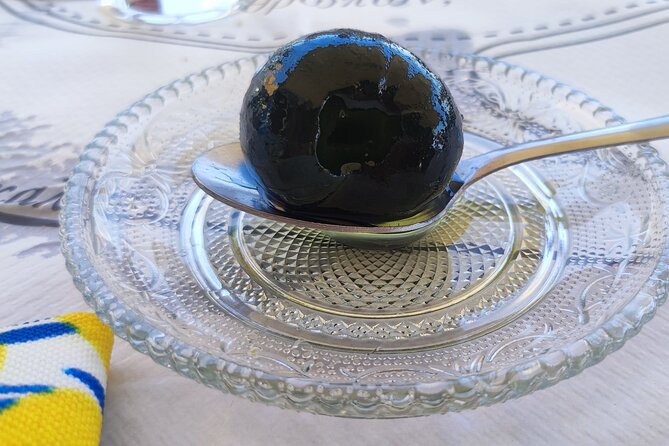
Soutzoukakia are Greek meatballs baked in the oven with tomato sauce and potatoes. The dish is heavily spiced, making it the most forceful item on the sample menu.
The spices are important here. Soutzoukakia are not simply plain meatballs covered in tomato sauce. The seasoning gives them their identity, while baking brings the meat, sauce, and potatoes together into one comforting dish.
This is likely the recipe that makes the class feel most like a full Greek home meal. It is hearty, familiar, and easy to serve to a group. You also get to see how Greek cooking uses spices to create depth without requiring elaborate methods.
If you do not eat meat, ask about the vegetarian option before arriving. A vegetarian choice is offered, but the menu details do not identify a direct substitute for soutzoukakia.
Ending with cocoa mossaiko and Greek wine
Dessert is mossaiko, a traditional Greek sweet made with cocoa. After the savory dishes, this provides a straightforward finish rather than an elaborate pastry course.
The meal includes one or two glasses of Greek wine for adults aged 18 and over. Coffee, tea, and soda are also included. These small additions matter because you are not left to arrange drinks separately while the meal is being served.
The final meal is a major part of the experience. You sit in the art-filled dining room and eat the food prepared during the class. The carefully arranged table gives the meal a sense of occasion, but the private-home setting keeps it from feeling like a restaurant performance.
I would allow yourself to slow down here. The value is not only in finishing the recipes. It is in hearing more from Christo and Fotini, discussing Greek food, and enjoying the contrast between the formal table and the relaxed hospitality.
What $140 per person really buys you
At $140 per person, this is not a bargain cooking lesson. You could eat a good Greek meal in Athens for much less. The price makes sense only if you want several parts of the experience together: private access, personal instruction, five recipes, a meal, drinks, and a distinctive home setting.
The class also saves you from having to choose between a food tour and a museum visit. The paintings and antiques create a visual experience, while the culinary introduction gives you cultural context. For a food-focused visitor, that combination can justify the higher cost.
The private format is another part of the value. Only your group participates, so the tone can be more relaxed and the instruction more direct. You can ask questions without competing with a large class. If your group is small, the cost may feel high per person. If you are celebrating a special occasion or want a more personal evening, it may feel more reasonable.
Remember that private transportation is not included. Add the cost and time of reaching Nea Smyrni when comparing this with cooking classes closer to central Athens.
Who will enjoy this most
I would recommend the experience most strongly to serious foodies who want context along with cooking. The opening discussion of Greek culinary history gives the class more substance than a simple prepare, eat, and leave format.
It also suits people who enjoy intimate cultural experiences. You are entering a private home, meeting two hosts, and sharing a meal at their table. That is quite different from a commercial group activity.
The class can work well for couples, families, or a small private group. Most people can participate, and service animals are allowed. The experience is near public transportation, though transportation itself is not provided.
You may want to choose another activity if you prefer a fast-paced itinerary, a market visit, or a class built around many dishes you can select yourself. The menu is set around traditional recipes, and the home setting means the experience is as much about conversation and presentation as it is about technique.
Timing, drinks, and practical details
You can choose lunch or dinner, which is useful in a city where sightseeing days can change quickly. If you plan to visit major Athens attractions earlier in the day, dinner gives you a calm finish. If evenings are already full, lunch lets you keep your night open.
The experience lasts about three hours. That includes the historical introduction, cooking, and the meal. You should not book it immediately before an important timed activity.
The activity is offered in English. Alcohol is included for adults at least 18 years old, with one or two glasses of wine. Coffee, tea, and soft drinks are also available.
The experience is non-refundable and cannot be changed after booking. Because of that firm policy, I would confirm your schedule, transportation plan, dietary needs, and preferred lunch or dinner time before paying.
My call: book it for the home and the food story
Book this experience if you want to cook regional Greek food in a private setting and you value conversation, art, and hospitality as much as the recipes. The strongest reasons to go are the unusual island menu, the personal guidance from Christo and Fotini, and the chance to eat your work in an elegant Athenian home.
Skip it if your main goal is the lowest-cost meal or a short demonstration near central Athens. At $140, you need to want the complete package. For the right visitor, this is not just dinner. It is a thoughtful way to connect Greek ingredients, island traditions, and everyday hospitality.
FAQ
Where does the cooking experience take place?
It takes place at Ikoniou 100, Nea Smyrni 171 23, Greece. The activity ends back at the same meeting point.
How long does the experience last?
The experience lasts approximately three hours, including the cooking and shared meal.
Is the activity offered at lunchtime or dinnertime?
Yes. You can choose a lunchtime or dinnertime class, subject to availability.
Who leads the cooking class?
Christo, a professional cook from Corfu, and Fotini, a passionate self-taught cook, lead the experience.
What dishes will I prepare?
The sample menu includes maidanosalata from Syros, tebelopita with Greek feta, mossaiko cocoa dessert, papoudia salad from Kimolos, and soutzoukakia baked with tomato sauce and potatoes.
Is a vegetarian option available?
Yes. A vegetarian option is available. The specific changes to the sample menu are not provided, so you should communicate your needs when booking.
Are drinks included?
Yes. The experience includes coffee or tea, soda or other soft drinks, and one or two glasses of wine. The minimum age for alcohol consumption is 18.
Is transportation included?
No. Private transportation is not included. You are responsible for reaching the meeting point in Nea Smyrni.
Is this a private activity?
Yes. Only your group participates in the activity.
Can I cancel or change my booking?
No. The experience is non-refundable and cannot be changed for any reason after booking.