REVIEW · ATHENS
Mount Lycabettus Walking Tour in Athens
Book on Viator →Operated by Urban Athens Collective · Bookable on Viator
Athens from above, with myths in your ears. This Mount Lycabettus walk mixes a workout with payoff views—think sweeping city panoramas from the summit and an amphitheater you can actually see. I also like how the guide turns the climb into a story-driven route, so you are not just watching your feet.
Small group dynamics matter here, too. The tour runs with a group size capped at 10, and you stay together through multiple neighborhoods instead of being scattered in a big crowd. Guides like Eleni and Dionysis are named in customer comments as people who keep the pace friendly and the context clear.
One thing to plan for: heat. There is at least one “too hot, too much work” comment, so I would choose a departure time that matches your stamina and bring more water than you think you need.
In This Review
- Key highlights that make this tour worth your time
- Mount Lycabettus in about three hours: why the timing works
- Summit views and Athens legends: what happens on the climb
- Dexameni Square: the Roman cistern story and a smart place to pause
- Kolonaki’s local secret and the Neoclassical Trilogy sights
- Old Parliament, Kolokotroni street, and the final push to Monastiraki
- Guides make or break this climb: Eleni, Dionysis, and Alex
- How hard is it, really? Heat, pace, and the “don’t suffer” mindset
- Price and value: what you get for $63.82 per person
- Best time to go and what to pack for this Athens hill walk
- Should you book the Mount Lycabettus walking tour?
- FAQ
- How long is the Mount Lycabettus walking tour?
- How much does the tour cost?
- Where does the tour start and where does it end?
- Is this tour offered in English?
- Is food and drinks included?
- Is the group small?
- Do I get a guide?
- What if the weather is bad?
- Can children join?
- Can I cancel for a full refund?
Key highlights that make this tour worth your time
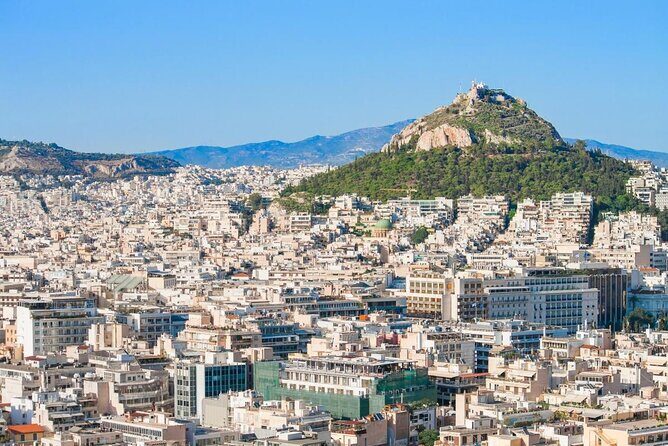
- Summit views plus amphitheater spotting at the top of Mount Lycabettus
- Legends and local stories woven into the walk up and down
- Dexameni Square stop tied to a Roman cistern and an artists’ hangout café
- Kolonaki and its local angle, plus major neoclassical landmarks
- Ends in Monastiraki, so you finish near one of Athens’s best evenings
Mount Lycabettus in about three hours: why the timing works
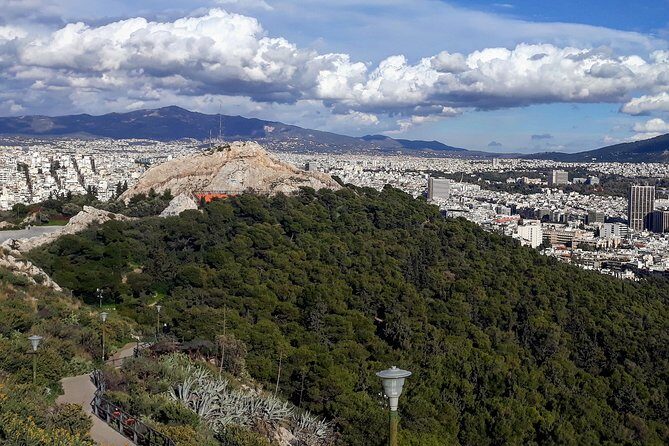
This is a 3-hour (approx.) walking experience that fits nicely into a first-timer schedule. You get a hill summit view and then a neighborhood-to-neighborhood stroll that feels like Athens moving through time—rather than one museum and done.
The walking format matters because it lowers the stress. You are not stuck in a van for hours, and you also are not expected to independently figure out the best path, viewpoints, and what you should be noticing along the way. The included local guide helps you turn a sweaty walk into a readable Athens moment.
Also, the departures run multiple times during the day. That gives you a chance to pick a cooler slot, which is a big deal here because Mount Lycabettus is not a casual flat stroll.
You can also read our reviews of more walking tours in Athens


Summit views and Athens legends: what happens on the climb
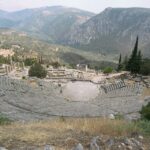
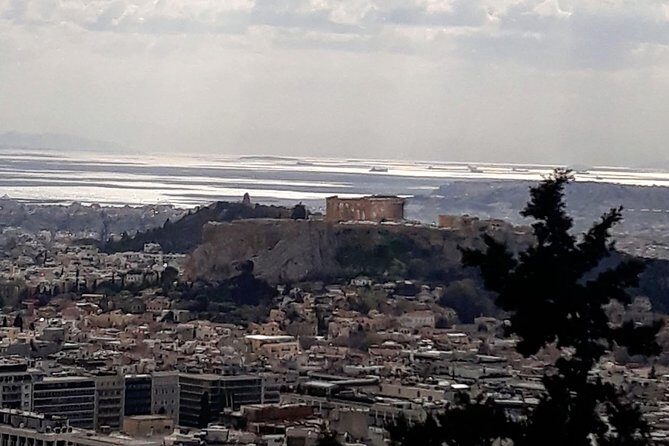
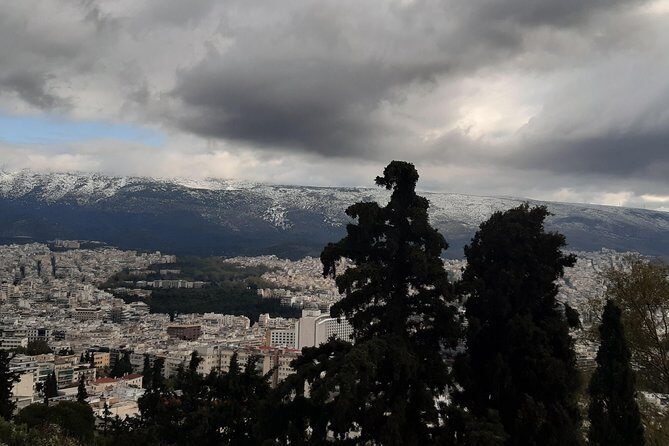
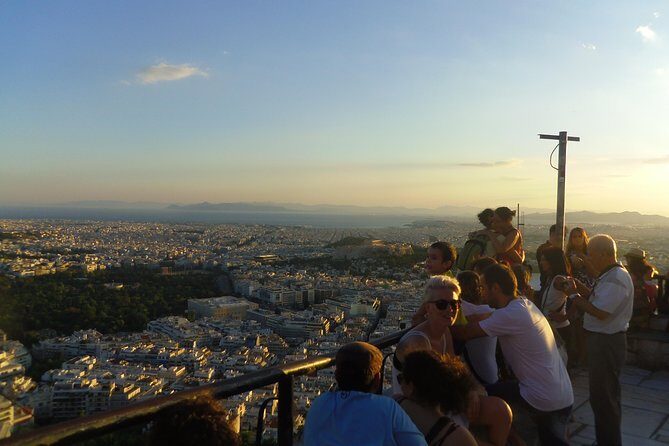
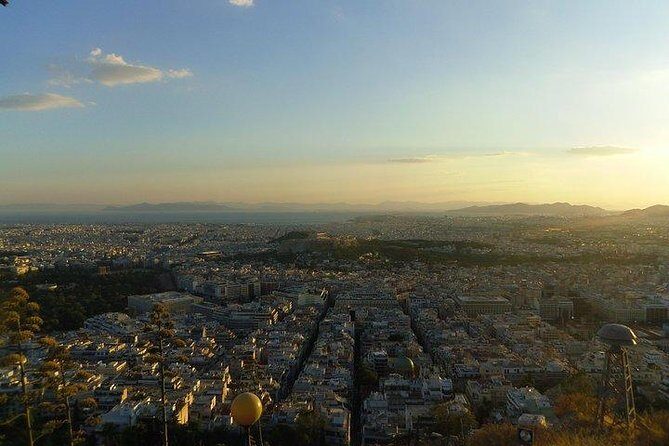
The centerpiece is the climb to the highest hill of Athens. When you reach the summit, you are rewarded with big city views—plus the ability to spot an amphitheater from up there.
What makes the ascent more fun is the way the guide frames the mountain. You get stories and legends tied to Athens, which helps the hill feel less like a random workout and more like a character in the city’s long narrative. If you like history that is told through place, this approach fits your style.
Practical note: even if the route is described as a walking tour, at least one guide in customer feedback used a taxi to take their group up most of the way, then finished with a shorter, easier walk. That suggests there can be flexibility depending on the group and conditions. If you want the most walking possible, I would ask the guide at the start how much of the climb your departure will do on foot.
Dexameni Square: the Roman cistern story and a smart place to pause
One of the best “why did I never come here before” stops is Dexameni Square. The name comes from the Greek word for cistern, and the square takes its identity from a Roman cistern.
You also learn the social layers of the area. Before it was home to working-class neighborhoods, the place had an earlier identity tied to water storage. After 1930, artists, poets, and writers lived nearby—so the square became more than just a landmark. It carried a creative reputation.
There is even an optional coffee moment built into the idea. The tour notes mention a historical café as a meeting point for artists, and while food and drinks are not included, this is the exact kind of place where you can buy a coffee and take a breather without ruining the tour rhythm. If the weather is intense, you will appreciate having a legit pause that still feels local.
Kolonaki’s local secret and the Neoclassical Trilogy sights

After Dexameni Square, you head into Kolonaki. This is one of those Athens areas where everything looks well-dressed, but the real win comes from knowing what to look for. The tour includes a stop where you discover a secret locals know—something you would probably miss if you were just wandering with a map app.
From there, you move toward the Neoclassical landmarks that Athens is famous for. The tour groups these buildings as the Neoclassical Trilogy of Athens, which gives you a clear “these belong together” viewpoint. Neoclassical Athens can be visually dramatic, but it is easy to forget which building is which if you have no guide context. With a local guide, the architecture becomes a story: why this style appeared, and how it shaped the city’s identity.
If you like good photo angles, this is also the kind of walk where you can frame shots without sprinting. You are moving through streets with enough density to keep things interesting, while still having brief moments to stop, look, and listen.
Old Parliament, Kolokotroni street, and the final push to Monastiraki
As the walk winds down, you pass through the old Parliament area. From a sightseeing point of view, this is a helpful transition: you are leaving the neoclassical zones and easing back toward the older, more street-level heart of Athens.
The route then goes through Kolokotroni street and ends at Monastiraki square. Finishing in Monastiraki is a smart move because it is an easy launchpad for your next step. You can keep exploring immediately—street markets, side streets, and the kind of evening energy Athens is known for.
Timing can affect one detail in this area. One customer story mentioned the changing of the guard as a fascinating moment near the Parliament zone, which implies the timing might line up for some departures. You should not count on it for every date, but if it is important to you, it is worth asking your guide whether your specific departure route/time usually catches it.
- All Day Cruise -3 Islands to Agistri,Moni, Aegina with lunch and drinks included
★ 5.0 · 4,958 reviews



Guides make or break this climb: Eleni, Dionysis, and Alex
Small-group walking tours live or die by the guide. The strongest praise in customer comments points to guides named Eleni, Dionysis, and Alex.
Eleni is repeatedly mentioned for helpful pacing and clear Athens insights. In at least one account, her approach made the walk feel less challenging than it otherwise would have been, which is exactly what you want when a hill is involved.
Dionysis shows up as an engaging guide with strong history and culture context. Another comment credits him with offering extra suggestions beyond the tour, like other places in Athens and even ideas for Greek islands later.
Alex is described as flexible and able to tailor a private-group style walk. That flexibility matters because Athens streets are not always predictable, and every group has different interests. If your family wants more photos, or you care more about politics and architecture than street life, a guide who adapts makes the experience feel personal rather than scripted.
How hard is it, really? Heat, pace, and the “don’t suffer” mindset
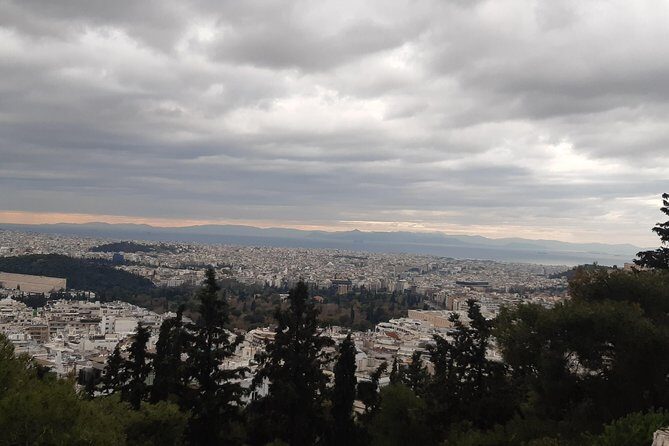
Mount Lycabettus is a hill climb. That means the difficulty is less about athletic ability and more about temperature, footwear, and how you manage your pace.
One review called out the heat and the sense that the walk was too much work for the day’s conditions. That is the main caution I would give anyone. If you are planning a hot-weather trip, pick an earlier departure and build in slow breaks. If you tend to get wiped out, this tour still can work, but treat it like a controlled hike, not a sprint.
Footwear matters. You are on pathways and city streets, and you will want shoes with grip for uneven sections. Bring water even if you think you will be fine. Also plan for sun: hat, sunglasses, and sunscreen are not optional style choices on a summit approach.
If your group needs a gentler route, ask about partial taxi support. The fact that at least one guide used a taxi to take their group up mostly to the top suggests this may be possible in certain situations. Even if your departure is mostly walking, a guide can usually adjust tempo and rest stops to keep people together.
Price and value: what you get for $63.82 per person
At about $63.82 per person for roughly three hours, the price is in line with a guided walking experience in central Athens. You are paying for a local guide plus a structured route through multiple neighborhoods—starting at St. Evangelismos and ending at Monastiraki.
What you do not get is food and drinks. That is common on tours like this, but it changes how you budget your day. The good news is that you can plan your own snack break at the cultural stops along the way, like Dexameni Square, where the café is part of the story.
Where the value really shows is in the group size and time efficiency. A cap of 10 people means the guide can keep the conversation moving and respond to the group’s questions. And because the experience is described as a private tour/activity only for your group, you are not stuck in a mixed-interest crowd where half the group wants photos and the other half wants speed.
Best time to go and what to pack for this Athens hill walk
Pick your departure time like it matters—because it does. Mount Lycabettus can feel punishing in hot weather, and the tour experience is improved when you are not arriving at the summit already exhausted.
Here’s my practical packing list:
- Water bottle (more than you think)
- Hat and sunscreen
- Comfortable walking shoes with grip
- A light layer in case the evening air cools things off after your summit push
- Cash or card for the café break you might want at Dexameni Square
If you are traveling with kids, the tour requires that children are accompanied by an adult. That is a good reminder to match departure time to energy levels, not just convenience.
The tour also requires good weather. If conditions are poor and it gets canceled, you should be offered an alternate date or a full refund. That gives you breathing room if your trip has an unpredictable forecast.
Should you book the Mount Lycabettus walking tour?
If you want Athens with context—myth, legends, and architecture—this is a strong choice. The summit views and amphitheater sightline are the obvious draw, but the real value is how the guide turns neighborhoods into a connected story. Finishing in Monastiraki also saves you from immediately needing a new plan.
I would be cautious if you hate hot weather walking or you want a fully flat, easy experience. The main downside is fatigue from heat and effort, and at least one experience pointed out that feeling worn out can make the whole day less enjoyable.
Who it suits best:
- First-time visitors who want an organized way to see more than one Athens district
- People who enjoy hearing stories tied to the places they pass
- Small groups who want a guide’s attention without a huge crowd
FAQ
How long is the Mount Lycabettus walking tour?
It runs for about 3 hours.
How much does the tour cost?
The price is $63.82 per person.
Where does the tour start and where does it end?
It starts at Στ. Ευαγγελισμος in Athens and ends at Monastiraki square.
Is this tour offered in English?
Yes, it is offered in English.
Is food and drinks included?
No. Food and drinks are not included.
Is the group small?
Yes. It is limited to a small group size of up to 10.
Do I get a guide?
Yes. A local guide is included.
What if the weather is bad?
The experience requires good weather. If it is canceled due to poor weather, you will be offered another date or a full refund.
Can children join?
Children must be accompanied by an adult.
Can I cancel for a full refund?
Yes. You can cancel up to 24 hours in advance for a full refund.