REVIEW · ATHENS
3 Days private tour- Meteora Rocks & Monasteries, Delphi/ Apollo Oracle, Thebes
Book on Viator →Operated by GREECE TAXI · Bookable on Viator
Meteora’s monasteries perched on giant rock pillars are the headline, but this private road trip gives you much more: Thermopylae, Delphi, Thebes, Trikala, and mountain villages. Nikolaos, or Niko, drives the route and adjusts the day for photos, breaks, food, and your pace.
I like the choice between the Vagonetto bauxite mine and Corycian Cave, since history buffs and mythology fans can shape Day 2 differently. I also like the chance to eat local dishes and stop for Greek iced coffee or souvlaki by the springs at Livadeia. The main drawback is time: this packs a great deal into three days, and admission fees and hotel rooms cost extra.
In This Review
- Key points to know before booking
- Why this three-day route works
- Day 1: Thermopylae, Trikala, and the first Meteora views
- Day 2: Morning light, Theopetra, and your Mount Parnassus choice
- Option one: the Vagonetto bauxite mine
- Option two: Corycian Cave
- Delphi: Apollo, the oracle, and the museum
- Day 3: Delphi museum, Arachova, Livadeia, and Thebes
- What the $1,163.56 price really covers
- Practical details that matter
- Should you book this Greek mainland road trip?
- FAQ
- Where does the tour begin and end?
- What time does the tour start?
- Is accommodation included?
- Are entrance fees included?
- Is the driver a licensed guide?
- How many people can join the private tour?
- Can I choose between the mine and Corycian Cave?
- Can I cancel for a refund?
Key points to know before booking
- Meteora is the visual high point: You drive among the rock towers and visit at least two Orthodox monasteries.
- Your group controls the pace: This is private transportation, so you can request photo stops, rests, and meal breaks.
- Day 2 offers a real choice: Visit the Vagonetto mine or hike to the myth-filled Corycian Cave.
- Niko is a driver and trip leader, not an archaeologist guide: He provides historical information on the road, but site guiding costs extra.
- The route reaches far beyond Delphi: Thermopylae, Trikala, Arachova, Livadeia, and Thebes add variety.
- The price needs careful reading: Transportation is included, but hotels, most admissions, meals, and gratuities are separate.
Why this three-day route works
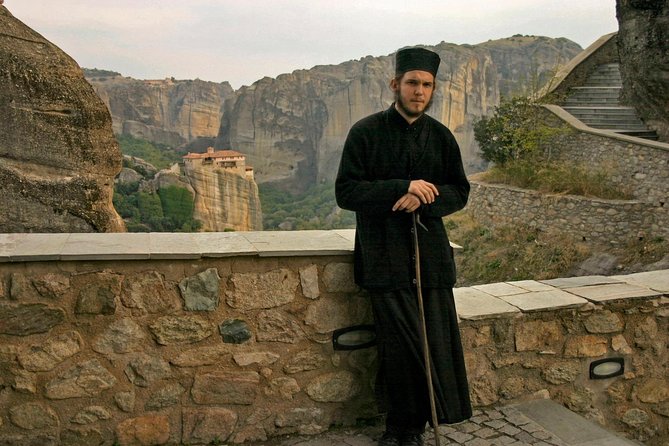
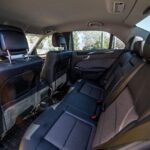
This is a private driving tour for people who want to connect several major Greek sights without arranging each train, taxi, hotel, and road transfer alone. You leave from your Athens or Piraeus hotel at about 8:00 a.m., ride in an air-conditioned sedan, SUV, minivan, or minibus, and return to Athens after three full days.
The route is not just a march from one famous ruin to the next. You get battlefields, Orthodox monasteries, ancient sanctuaries, mountain villages, museums, caves, and local food stops. That variety makes the long drives feel purposeful, though you should still expect plenty of time in the vehicle.
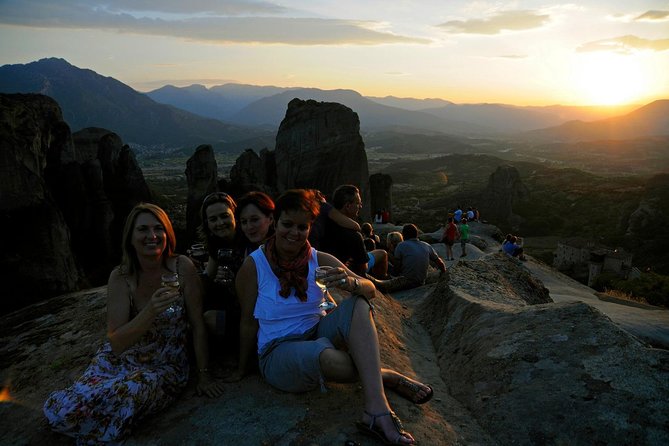
The private format matters most here. Niko can stop at viewpoints, allow time for photographs, suggest a restaurant, or adjust the order of stops to suit your group. This is especially helpful at Meteora, where the rocks look different in morning and evening light.
The tour suits a family, a couple, or a small group that values convenience and control. If you prefer a slow schedule with long museum visits and few road miles, this route may feel too ambitious.
You can also read our reviews of more private tours in Athens

Day 1: Thermopylae, Trikala, and the first Meteora views
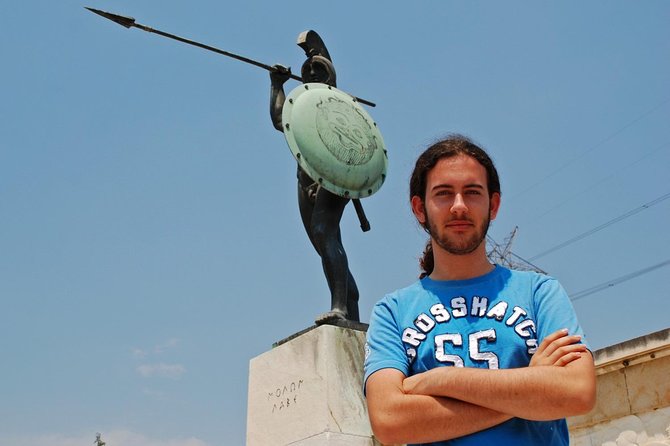
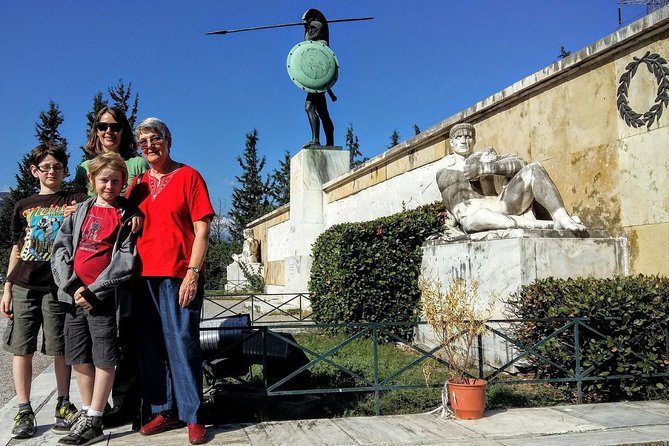
Your first stop is Thermopylae, the narrow pass linked to the famous 480 BC battle between Greek forces and the invading Persian army. The modern coastline has changed the shape of the ancient pass, so the visit works best when you think of it as a place of memory and geography rather than a perfectly preserved battlefield.
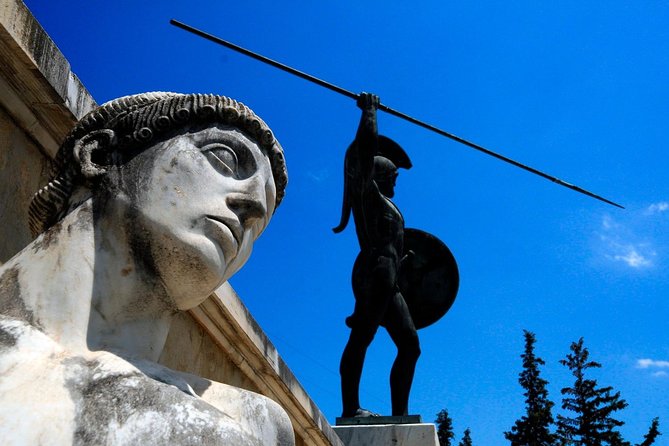
You have about 30 minutes at the Leonidas monument. It is a short stop, but the epitaph connected with the Spartan dead gives the site emotional weight. Take a moment to look across the route and consider why this corridor mattered to armies moving north and south.
Next door, the interactive Historical Information Center of Thermopylae offers a more focused explanation of the battle. The listed ticket is €3, with a reduced price of €1. Allow another 30 minutes, and confirm opening details around national holidays before setting out.
The road then continues north to Trikala, about 330 kilometers from Athens. The old city sits around the ancient settlement of Trikka, with the Lithaios River running through it. A 90-minute visit gives you time to walk through the historic center and notice the bridges, riverfront, and older urban fabric.
Trikala adds a welcome change of pace after the battlefield. Its long human story reaches back to prehistoric settlement in the wider area, including nearby Theopetra Cave. The itinerary also includes the Trikala Fort on Day 2, so you see both the river city below and the defensive height above.
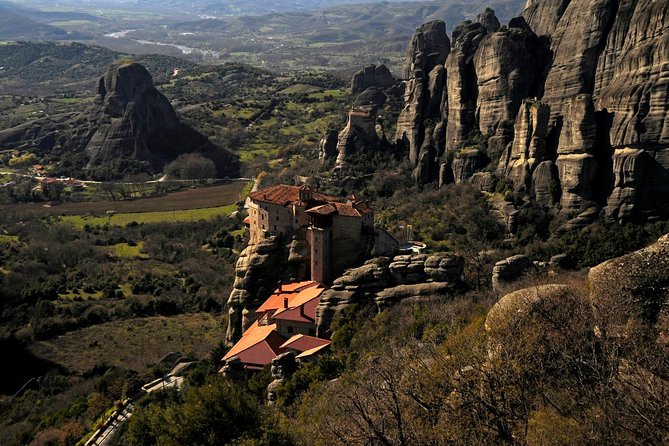
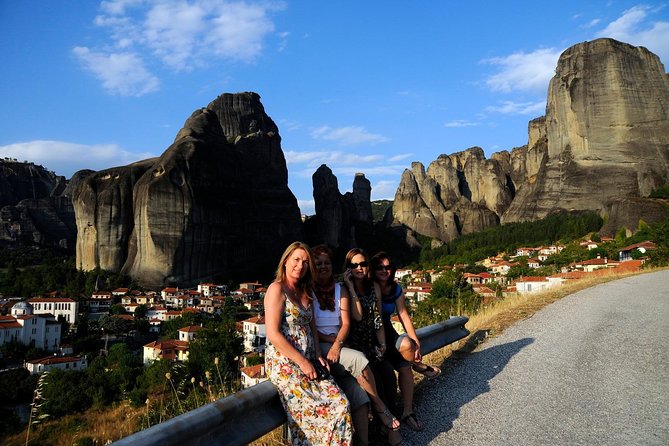
Meteora arrives as the day’s great visual shift. Huge rounded rock pillars rise above the plain, carrying monasteries that seem to grow from the stone. Six monasteries remain from an original group of 24, and the site is protected as a UNESCO World Heritage location.
You drive around the rock formations and enter at least two monasteries. Each monastery charges a general admission fee of €3, separate from the tour price. Monastery schedules and access can change, so keep clothing practical and respectful, and ask Niko which two fit the day’s timing.
Do not expect a quick roadside photo and a single viewpoint. The monasteries involve roads, steps, and walking, and the visit is more rewarding when you allow time to look at the buildings, chapels, and views rather than rushing from one gate to the next.
The Natural History Museum of Meteora and Mushroom Museum provides a different view of the region. Its displays cover mammals from Greece and Europe, ecosystems, wildlife protection, and mushrooms. The stop lasts about an hour, with admission extra.
You finish near Kastraki, the village below the rocks. Kastraki has a quieter, more local feel than a large resort town, and its position beneath the cliffs makes it an excellent base for sunset photographs. The evening plan includes a drive through the village, selected viewpoints, and dinner at a traditional tavern.
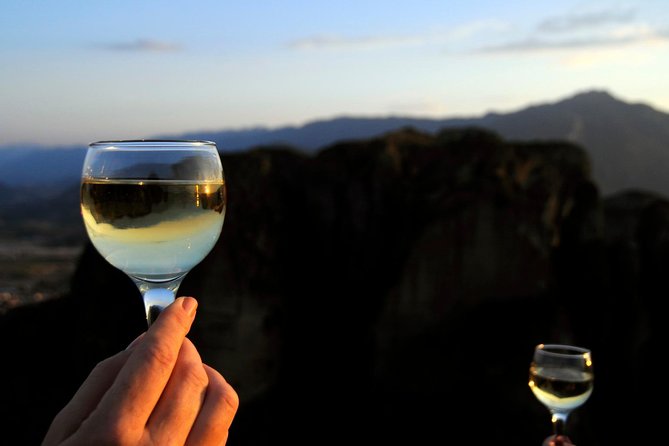
Dinner is not included, so plan for that cost. The food focus is one of the tour’s better touches: instead of treating meals as mere fuel, the route makes room for regional dishes and wine. If you have dietary needs, tell Niko before the tour so meal suggestions can be adjusted.
Day 2: Morning light, Theopetra, and your Mount Parnassus choice
Day 2 begins after breakfast, around 8:00 a.m., with another photography drive through Meteora. The morning light gives the rocks a different character from the previous evening, and Niko can stop at selected viewpoints rather than keeping you inside the vehicle.
This second look is valuable. A single Meteora visit can feel rushed because the formations are so large and the monasteries so spread out. Returning at a different hour lets you understand the shape of the area and gives you more chances for clear photographs.
Theopetra Cave adds a prehistoric chapter. Archaeological work places human occupation there as early as 130,000 years ago. The cave is roughly quadrilateral, covers about 500 square meters, and has a broad entrance that lets in plenty of daylight.
The cave has not always been open, and access can be temporary. Treat it as a possible scheduled stop rather than the sole reason for choosing the tour, and confirm current opening status when you book.
You then walk up to Trikala Fort, a well-preserved Justinian fortress on the hill north of the city. The 17th-century clock on the eastern side is a local emblem, though it has suffered damage and later restoration. Allow about an hour for the uphill walk and the views over town.
After Trikala, the route turns toward Mount Parnassus. Here you choose between two very different experiences, so make the decision based on your interests and walking comfort.
Option one: the Vagonetto bauxite mine
Vagonetto is Greece’s first and only mining park. A small train carries you about 200 meters underground to Gallery 850, an inactive mine gallery in an area known for bauxite.
The visit lasts about 90 minutes. You receive mining equipment and follow a presentation of the old mining process among rock described as more than 150 million years old. The general admission is €8, and the child ticket for ages six and up is €4.
This is the stronger choice if you enjoy industrial history, geology, or unusual museums. It also breaks up the ancient sites with something modern and hands-on. If enclosed spaces are uncomfortable for you, choose the other option.
Option two: Corycian Cave
The Corycian Cave lies on the southern slopes of Mount Parnassus and is tied to local myths about the nymph Corycia, the Muses, and Pan. It was also used as a refuge during invasions, including the Persian invasion of the fifth century BC.
The cave visit lasts about 90 minutes and has no listed admission charge. You should expect a more natural, mythology-centered stop than a polished museum. Ask about the walking conditions before committing, especially if your group includes anyone who finds uneven ground difficult.
The choice gives the tour a welcome personal touch. A family interested in mythology may get much more from Corycian Cave than from a mine, while a visitor curious about Greek industry may prefer Vagonetto.
A few more Athens tours and experiences worth a look


Delphi: Apollo, the oracle, and the museum
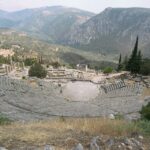
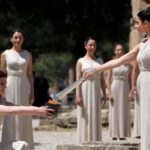
The route reaches Delphi on Day 2, with about 90 minutes at the archaeological site centered on the Temple of Apollo. Ancient Greeks regarded Delphi as the center of the world, marked by the omphalos stone, and consulted the Pythia oracle on major decisions.
The sanctuary spreads along the slope of Mount Parnassus, with broad views across the valley toward the coast. The setting is part of the experience, but the climb and uneven paths mean you should wear firm shoes and bring water.
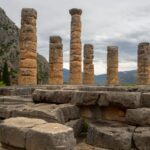
The Temple of Apollo is not the same image as the famous Tholos of Athena Pronaia. The Tholos, a circular building with 20 Doric columns, is located in a separate sanctuary and is often the photograph people associate with Delphi. The tour includes the Tholos as a 30-minute stop on Day 3.
The archaeological site admission is extra. Niko can explain the background while you travel, but he is not a licensed guide who accompanies you through the ruins. If you want detailed interpretation at Delphi, arrange an archaeologist guide in advance.
That distinction affects the tour’s value. You get private transport and a driver who can provide context on the road, but you do not automatically receive the kind of room-by-room explanation offered by a specialist guide.
Day 3: Delphi museum, Arachova, Livadeia, and Thebes
Day 3 begins at the Archaeological Museum of Delphi. The museum admission is included in the described itinerary, unlike most other sites, and the visit lasts about an hour.
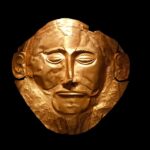
The collection covers more than a thousand years, from the Mycenaean period through Greek and Roman times. Look for the Charioteer of Delphi, part of a chariot group dedicated after a victory in the Pythian Games, along with architectural sculpture and offerings from the sanctuary.
The museum is not optional filler. It helps you make sense of the broken columns and scattered stones outside. I would give the museum your full hour, even if you are eager to reach the next village.
Arachova follows, with about an hour in the mountain town below Mount Parnassus. It is known as a fashionable winter destination, with a ski resort and modern visitor facilities. The stop gives you time for a coffee, a short walk, or a look at the mountain setting without another major admission fee.
The final major scenic pause is Kryas Springs in Livadeia. You stop beside the Karya River for a drink or a light meal, with Greek iced coffee and souvlaki singled out as local favorites. The water source also connects to ancient stories about the oracle of Trophonios Zeus, including springs associated with remembrance and oblivion.
This is the kind of stop that makes a private road trip feel less mechanical. You are not only checking ancient monuments off a list. You are also sitting beside running water, eating something simple, and seeing how a modern Greek town uses its old natural setting.
The Archaeological Museum of Thebes closes the route. Its collections range from the Palaeolithic period through the post-Byzantine era, with objects from excavations across Boeotia. The museum is particularly worthwhile if you want to understand Thebes beyond its role in Greek mythology.
Admission is listed at €3 in winter and €6 in summer, with free entry for visitors under 19 and reduced entry for those over 65. The museum closes on Tuesdays and several public holidays, including Christmas Day, December 26, New Year’s Day, March 25, Easter Day, and May 1.
Opening hours also shift by season. From November 1 through April 14, the museum is listed as open from 8:30 a.m. to 3:30 p.m. From April 15 through October 31, it is listed as open from 8:00 a.m. to 8:00 p.m. The schedule makes advance checking important.
What the $1,163.56 price really covers
At $1,163.56 per person, this is not a budget bus excursion. The price reflects private transport, fuel, toll roads, parking, hotel pickup and drop-off from Athens or Piraeus, and a dedicated English-speaking driver for three days.
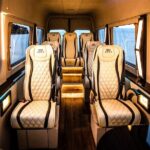
The value improves for a small group, since vehicle and group pricing varies. You can choose a sedan or SUV for up to three adults, or a family of four with two adults and two children. Minivans accommodate up to seven people, while minibuses handle up to 14, with two children up to age 11 free under the stated conditions.
Hotels are not included. The supplied accommodation information gives different starting figures in different sections, so confirm the current quote before paying. The more detailed terms list selected boutique or three-star and four-star hotels with breakfast from €160 per double room per night, or €190 on weekends and holidays, with discounts for larger bookings.
If you arrange your own hotels, you are expected to reserve a room for the driver too. If the operator arranges the lodging, the driver’s room is complimentary. Admissions, meals, and gratuities are also extra, with gratuities suggested from €1 per person.
For the right group, the price can make sense. You avoid the work of coordinating long intercity transfers and gain the ability to stop for photographs, food, and breaks. For one or two people on a tight budget, compare the total cost with public transport and self-booked hotels before committing.
Practical details that matter
Book at least two weeks ahead, especially if you want the operator to arrange rooms in Meteora and Delphi. Kastraki accommodation can fill early, and weekend or holiday rates are higher.
The tour starts around 8:00 a.m. each day, but the exact timing is flexible. You should be ready for full days, changing weather in the mountains, uneven walking surfaces, monastery steps, and long drives.
Wear modest clothing for the monasteries and comfortable shoes for Delphi, the fort, and the cave option. Bring cash or a payment method for admissions and meals, since the tour price does not cover most site tickets.
The vehicles are air-conditioned and described as clean, with the choice of sedan, SUV, minivan, or minibus. Pickup and drop-off can be arranged at an Athens or Piraeus hotel or apartment, or another agreed location.
The tour is private, so only your group participates. That makes it easier to manage children, older family members, photography stops, and meal breaks, but it does not remove the physical demands of the itinerary.
The cancellation policy is strict: the experience is non-refundable and cannot be changed for any reason. Read that condition carefully before making payment.
Should you book this Greek mainland road trip?

Book it if you want Meteora and Delphi in one trip, value a flexible private vehicle, and enjoy mixing major sites with smaller stops such as Trikala, Arachova, Livadeia, and Thebes. The choice between Vagonetto and Corycian Cave is a useful bonus, and Niko’s role as a careful driver and trip leader adds practical help on a complicated route.
Think twice if you want a slow archaeological tour led inside every monument by a licensed specialist. You will need to pay extra for that service, and the three-day schedule leaves little room for long unscheduled visits.
For families and small groups, the private format is the strongest reason to choose this experience. For solo visitors or couples watching every euro, first calculate hotels, admissions, food, and gratuities on top of the advertised price. If that total fits your budget, this is a strong way to see central Greece without having to drive it yourself.
FAQ
Where does the tour begin and end?
Pickup and drop-off are offered from your hotel or apartment in Athens or Piraeus. Another location may be arranged by request.
What time does the tour start?
The listed start time is 8:00 a.m.
Is accommodation included?
No. Accommodation in selected boutique, three-star, or four-star hotels with breakfast is available at an additional cost. If you arrange your own hotels, you need to reserve an extra room for the driver.
Are entrance fees included?
Most admission fees are not included. This applies to the Thermopylae information center, Meteora monasteries, the Natural History Museum of Meteora, Vagonetto, Delphi, and Thebes. The Delphi Archaeological Museum is listed as included.
Is the driver a licensed guide?
No. The English-speaking driver provides historical and documentary information while driving, but does not accompany you inside archaeological sites or museums as a licensed tour guide. An archaeologist guide can be hired separately in advance.
How many people can join the private tour?
A sedan or SUV accommodates up to three adults, or a family of four with two adults and two children. A minivan accommodates up to seven people, and a minibus accommodates up to 14 people. Pricing varies by group size and vehicle type.
Can I choose between the mine and Corycian Cave?
Yes. On Mount Parnassus, you can visit the Vagonetto bauxite mine or choose the Corycian Cave option for a mythology-focused visit.
Can I cancel for a refund?
No. The experience is non-refundable and cannot be changed for any reason after cancellation or an amendment request.