REVIEW · ATHENS
Athens: Greek Souvlaki Pita Gyros Cooking Class with a Local
Book on GetYourGuide →Operated by Athens Cooking Classes · Bookable on GetYourGuide
Gyros class, no formalities required. In a cozy Athens home kitchen, you’ll make pita from scratch and build gyros family-style, with real cooking work instead of watching from the sidelines. I love the hands-on pace, and I love that the evening feels like a casual meal with conversation, not a stiff lesson.
There’s one catch to plan for: the setup isn’t designed for people with mobility impairments, so you’ll want to be comfortable moving around a home-kitchen space.
In This Review
- Key things to know before you go
- A family meal lesson in central Athens
- What you’ll cook: pita gyros, dips, and a real dessert finish
- Pita bread made by hand
- Gyros: seasoning and cooking in five ways
- Assemble and eat your own work
- Dessert: Patsabouropita or Greek-style cheesecake
- The zero-waste culture isn’t just a slogan
- The 3-hour flow: what the night feels like
- English instruction with real household conversation
- Drinks and appetite: how to plan so you enjoy it
- Price and value: is $129 worth it?
- Who should book this Athens gyros cooking class?
- How to get the most out of your night
- Should you book this Athens gyros cooking class?
- FAQ
- How long is the Athens gyros cooking class?
- What’s included in the price?
- What will I learn to cook?
- Is the class taught in English?
- What happens if I can’t finish the food?
- Is the class suitable for mobility impairments?
Key things to know before you go
- Pita from scratch: you’ll make the dough and cook the bread yourself, not rely on store-bought shortcuts.
- Gyros cooked multiple ways: you’ll learn seasoning and cooking techniques in five different ways so you can recreate the flavor at home.
- Unlimited food and drinks: beer or wine from the fridge and plenty of what you cook, so pace yourself.
- Dessert is part of the meal: you’ll choose between Patsabouropita or Greek-style cheesecake to finish strong.
- Zero-waste mindset: if you can’t finish, you can take it with you or they’ll handle leftovers so nothing goes to waste.
A family meal lesson in central Athens
If you’ve done the usual Athens sightseeing circuit, this class is a nice shift. Instead of another checklist stop, you’re stepping into an actual home-style cooking setup in the city center—built to feel like their own kitchen—where the goal is simple: cook, eat, and learn as you go.
This is also one of those experiences where the vibe matters. The hosts keep it relaxed from the start. You don’t need to dress up or treat it like a performance. You can grab a beer or wine from the fridge and jump into the work as ingredients come out.
And the teaching style is very “do it with us.” Dionysia (the instructor, in English) and her husband keep things moving at a comfortable tempo. It’s hands-on without feeling chaotic, which matters in a small kitchen where you don’t want to be stuck waiting for someone else to finish.
You can also read our reviews of more cooking classes in Athens


What you’ll cook: pita gyros, dips, and a real dessert finish
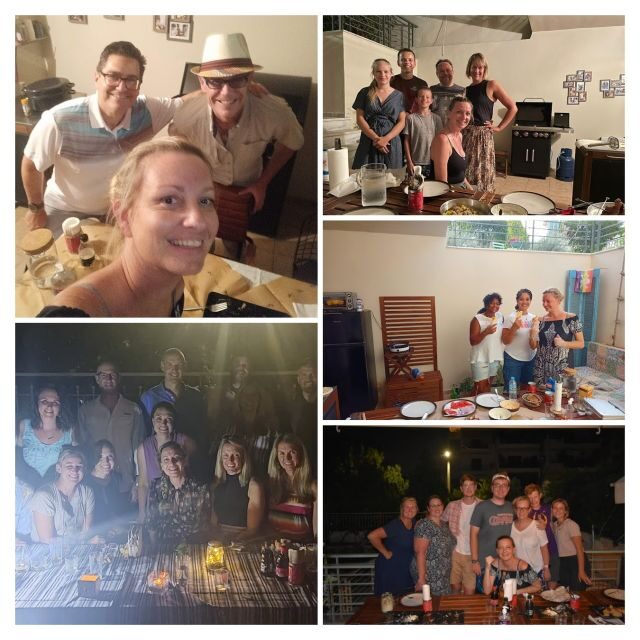
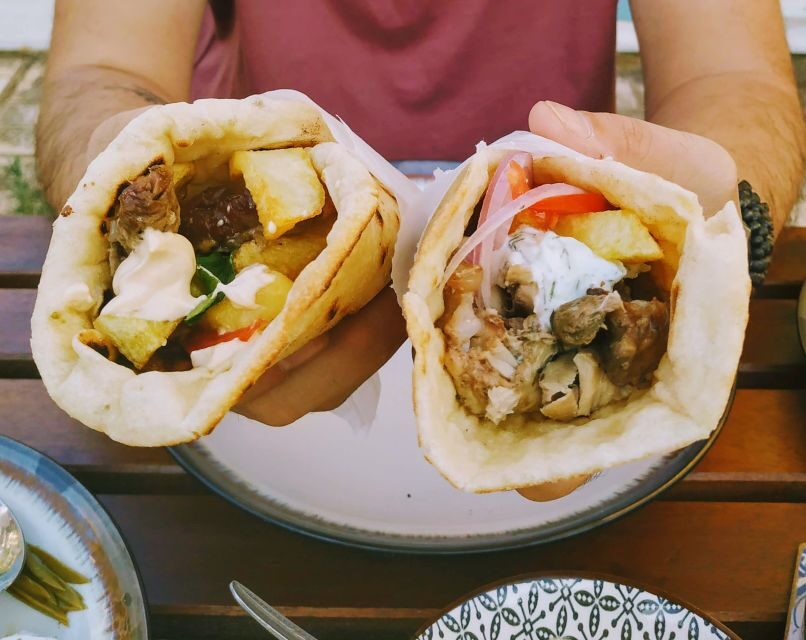
The whole point is Greek street food you can actually make at home: pita gyros. The kitchen work is focused, not random. You’ll build the meal in components, then assemble it so you get that full wrap-bite satisfaction.
Pita bread made by hand
You’ll start with the dough for soft, pillowy pita bread. That’s more than a fun step—it changes everything. Fresh pita tastes different. It also helps you understand why certain breads puff and others don’t, and that’s the sort of cooking logic you can carry home.
If you’re the type who learns best by doing, this part is a big win. You’ll touch the dough, watch it come together, and see how the bread is cooked in a real kitchen rhythm.
Gyros: seasoning and cooking in five ways
Next comes the gyros. The class doesn’t treat gyros as one single recipe. You’ll learn the history behind the recipes and discover Greek Zero Waste culture as part of how the meal is approached. Then you’ll learn seasoning and cooking methods for gyros five different ways.
That matters because gyros isn’t just about a single spice mix. It’s technique: how you season, how you cook, and how you adjust flavors. Even if you don’t copy their exact method, you’ll understand what drives the taste.
Assemble and eat your own work
Once you’ve made the components, it’s time to eat what you cooked. You’ll sit down and enjoy everything together—pita, gyros, and whatever dishes you’ve been preparing along the way. The best part is you’re not waiting for the instructor to finish; you’re learning because you’re in the process.
A few more Athens tours and experiences worth a look




Dessert: Patsabouropita or Greek-style cheesecake
You’ll finish with dessert, picking between Patsabouropita or Greek-style cheesecake. For me, this is where these classes often win or lose. A lot of cooking experiences stop at the main dish. Here, the dessert makes it feel like a complete Greek family meal rather than a half-class plus snack.
The zero-waste culture isn’t just a slogan
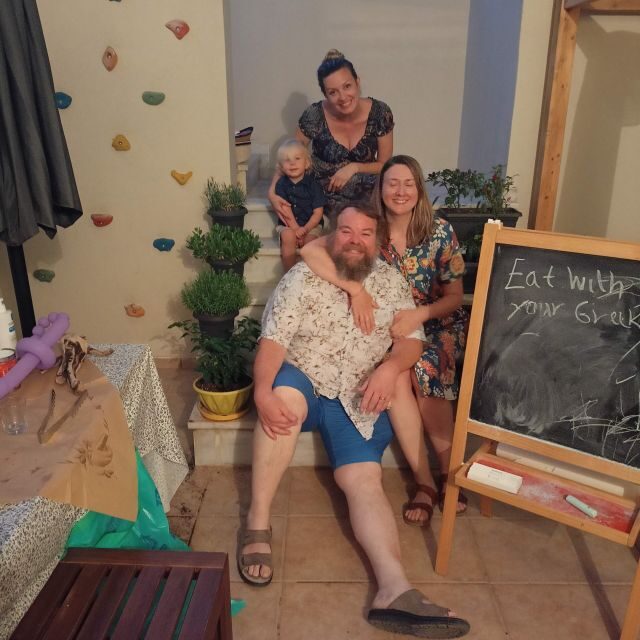
Zero waste shows up here as a practical attitude. The class is built around eating what you make, drinking too, and treating food with respect. That makes sense in a home setting: if you cook it, you should aim to enjoy it, and if something is left, you shouldn’t throw it out.
The hosts handle leftovers in a few helpful ways. If you can’t finish, you can take food with you. If you don’t, they may donate or use leftovers themselves so nothing goes to waste. That’s a real behavior, not a lecture.
I like that this removes guilt. You can come hungry, taste what you want, and not stress if you can’t finish everything. The culture is built to reduce waste while keeping things comfortable for you.
The 3-hour flow: what the night feels like
This is a 3-hour experience, and it’s planned like a meal, not like an assembly line. You arrive, meet your instructor, get into the cooking, and gradually move toward tasting and sitting down.
A typical rhythm looks like this:
- You’ll be welcomed into a cozy kitchen in central Athens.
- You’ll work on the pita dough and learn how bread is prepared from scratch.
- You’ll shift into gyros seasoning and cooking techniques, including the different ways they teach you to cook.
- You’ll prepare dessert and end with a sweet finish.
- Then you relax and eat everything you made, with stories and cooking context woven in.
One reason the timing works is that the host keeps tasks flowing without rushing you. In a home kitchen, that balance is hard to get right. If they move too fast, you get stressed. If they move too slow, you lose momentum. This class aims for a steady tempo where you always have something to do—or a clear explanation of what comes next.
Also, if you’re visiting in hot weather, it helps that the space may include a cool, shaded terrace setup. That detail can make a big difference on summer evenings.
English instruction with real household conversation
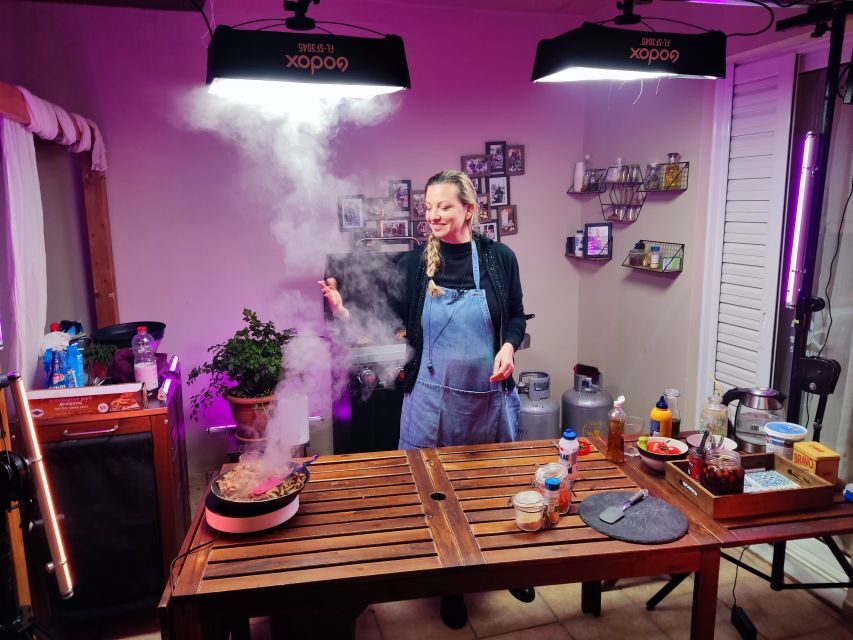
Language can make or break a class. This one is taught in English, and the style stays approachable.
What I find especially useful is how the instruction blends technique with context. As you cook, you’ll hear stories behind Greek traditions and recipes. It’s not just facts about ingredients. It’s the why behind how Greeks cook at home and how food fits into daily life.
The hosts also talk through food and travel recommendations while you cook. That means you might leave with more than recipes—you could walk away with ideas for what to order or where to go for a next meal in Athens, based on an actual local’s preferences.
Drinks and appetite: how to plan so you enjoy it
This is not a light “taste and learn” event. It’s built around a big appetite. You’ll get unlimited drinks and unlimited food as part of the experience, and the class encourages you to eat as much as you can.
So, plan your day accordingly:
- Don’t schedule a heavy dinner right before.
- Arrive ready to taste and repeat.
- If you’re trying to be efficient, note that the meal grows as you cook—so pace yourself once you hit the tasting stage.
If you’re a cautious eater, it’s still doable. The zero-waste approach helps. You can choose what you enjoy most, and leftovers are handled responsibly.
Price and value: is $129 worth it?
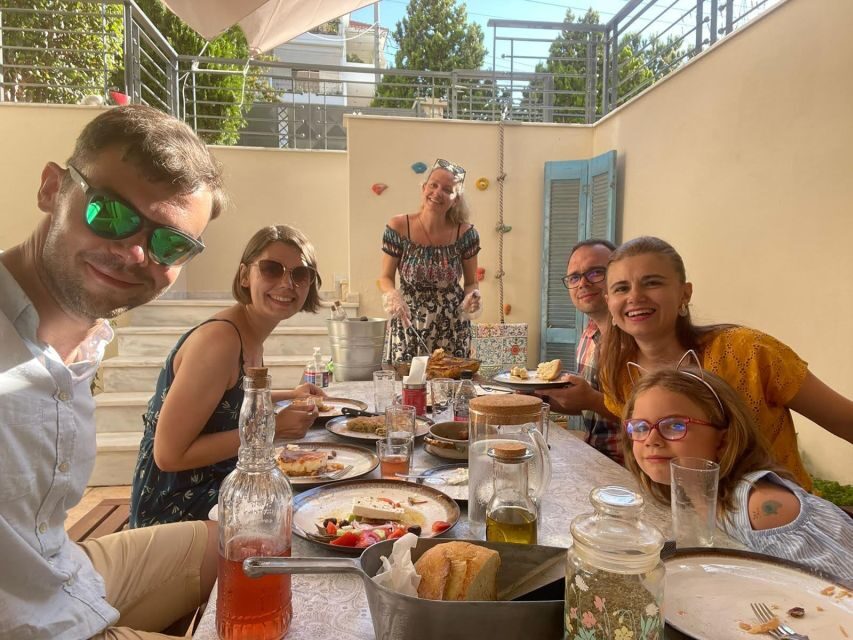
At $129 per person for 3 hours, the price can look like a splurge at first glance. But for this specific experience, value comes from several things you don’t always get together.
You’re paying for:
- Hands-on cooking (not just observation)
- Ingredients and equipment for making components from scratch
- Unlimited drinks and food
- Recipes to take home
- An instructor-led evening in English with cultural context
If you’re the kind of traveler who hates paying for “lessons” that are really just a guided meal with a couple of chopping steps, this class has a more substantial cooking workload. Making pita dough and learning gyros seasoning and cooking in multiple ways gives you techniques you can actually use later, especially if you love recreating street food flavors at home.
Compared with eating gyros in Athens, you’re also getting something extra: the “how.” Restaurants give you taste. A class gives you process—plus a dessert finish included in the same experience.
So I think this is best viewed as a meal you also learn from, in a home-kitchen setting with unlimited food and drink. If you want that kind of experience, the price starts to feel more sensible.
Who should book this Athens gyros cooking class?
This class is a great fit if you:
- Want a hands-on Athens cooking class experience focused on gyros and pita
- Enjoy conversation and don’t mind cooking while you learn
- Like learning technique, not just collecting recipes
- Come hungry and want unlimited food and drinks for the price
It’s also a solid option for couples and small groups who want an evening that feels social but not formal.
Two quick notes on fit:
- It’s not suitable for people with mobility impairments, because it’s held in a home-kitchen style space where you’ll likely stand and move around.
- It’s an activity where appetite really matters. If you don’t eat much, you might not get full value—even with the option to take leftovers.
If you prefer quiet museums and minimal time in kitchens, this might not be your vibe. But if you want Athens through food, this is one of the more practical ways to do it.
How to get the most out of your night
A little prep makes the evening smoother.
First, come with curiosity about ingredients. Even if you think you already know gyros, the class teaches seasoning and cooking in multiple ways, so you’ll pick up details you can’t easily guess.
Second, ask questions while you cook. Dionysia and her husband keep the conversation flowing, and the best part of learning is getting your own clarifications in the moment—like why a seasoning step matters, or what changes the taste when cooking differs.
Third, plan for tasting. Unlimited drinks and food means it’s easy to overdo it early. If you want to enjoy dessert—Patsabouropita or Greek-style cheesecake—save some room.
Finally, remember you’ll leave with recipes. When you get home, cook one dish first—pita or one gyros method—then build from there. Recipes are most useful when you act on them quickly.
Should you book this Athens gyros cooking class?
Book it if you want an evening that feels like a Greek family meal with real cooking work, not a passive tour. The hands-on pita from scratch, the gyro seasoning and cooking in multiple ways, and the included dessert plus unlimited food and drinks are a strong mix for the price.
Skip it if mobility is an issue or if you prefer low-activity experiences. And if you’re the type who doesn’t enjoy kitchens, you’ll probably find the constant chopping, mixing, and cooking less appealing than a tasting-focused meal.
If you fit the sweet spot—hungry, curious, and open to learning through doing—this class is one of the easiest ways to take Athens home with you, one warm pita bite at a time.
FAQ
How long is the Athens gyros cooking class?
It lasts 3 hours.
What’s included in the price?
The experience includes the instructor and cooking equipment, unlimited drinks and food, and recipes.
What will I learn to cook?
You’ll make pita bread from scratch and prepare gyros, with guidance on seasoning and cooking gyros in five different ways. Dessert is also included.
Is the class taught in English?
Yes, the instructor teaches in English.
What happens if I can’t finish the food?
If you don’t eat everything, you can take leftovers with you. The hosts may also donate or use leftover food so nothing goes to waste.
Is the class suitable for mobility impairments?
No. It’s not suitable for people with mobility impairments.