REVIEW · ATHENS
Athens: Guided Mythological Walking Tour & Creation Stories
Book on GetYourGuide →Operated by Secrets of Greece IKE · Bookable on GetYourGuide
Athens turns mythical fast. This 2-hour walk through the goddess Athena’s world uses the city itself as your storybook, with hints on buildings and street names. I especially like the interactive guide style and how the tour links everyday details to big myth moments. One thing to note: the live tour is in Spanish, so plan accordingly if you’re not comfortable with the language.
At $28 per person for a short, focused outing, it’s good value if you want myth and culture without committing to a long day of monuments. With a strong rating (4.8 from 46 reviews) and praise for guides like Juan Pablo, it’s clear this isn’t a lecture that puts you to sleep. Just remember it’s a walking experience in the center of Athens, so wear shoes you trust.
In This Review
- Key Points You’ll Care About
- Why Athena’s Myth Fits Athens Streets So Well
- Starting on the Academy Stairs: Your Clue-Spotting Session Begins
- The Walk Itself: How Gods Get Written Into Buildings and Streets
- Athena and Poseidon: The City’s Power Struggle in Story Form
- Theseus and Athens: Why the Hero is Stuck to the City
- Religion, Love, and Commerce: The Myth Logic Behind Modern Expressions
- Small-Group Walking Style: The Real Difference You Feel
- Language and Timing: What to Plan Around for a Smooth 2 Hours
- Price and Value: Is $28 Worth It?
- Who Should Book This Tour (and Who Might Skip It)
- Should You Book It?
- FAQ
- How long is the Athens mythological walking tour?
- What language is the guide speaking?
- Where is the meeting point?
- How much does the tour cost?
- What’s included in the experience?
- Is there free cancellation?
- Can I reserve now and pay later?
Key Points You’ll Care About
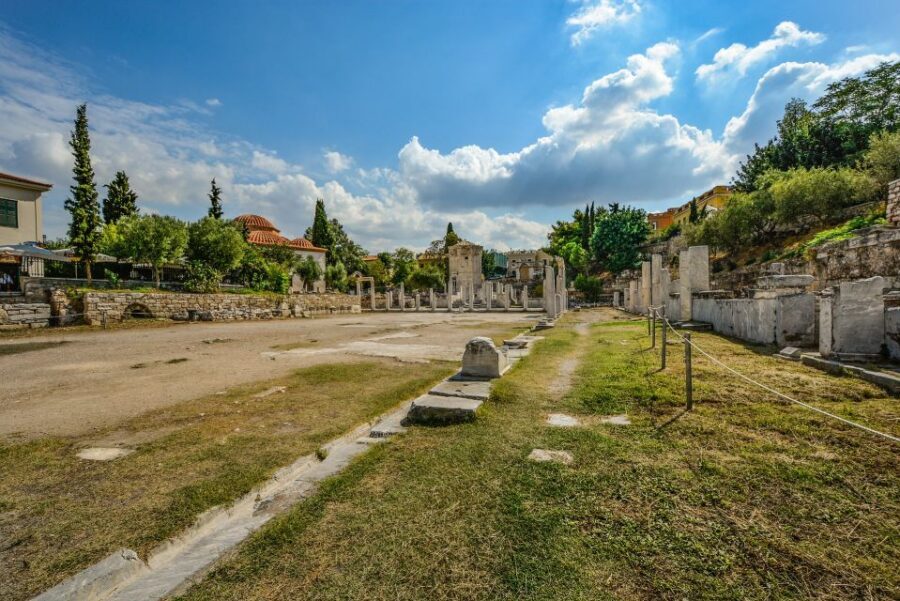
- Street-name and building clues that connect you to Athena, Poseidon, and the hero Theseus
- Small-group feel that makes it easier to ask questions and follow the story
- Interactive Spanish guiding with heritage-interpretation support
- Myth as culture, linking religion to daily life ideas still used today
- A 2-hour timeframe that fits well between other Athens stops
Why Athena’s Myth Fits Athens Streets So Well
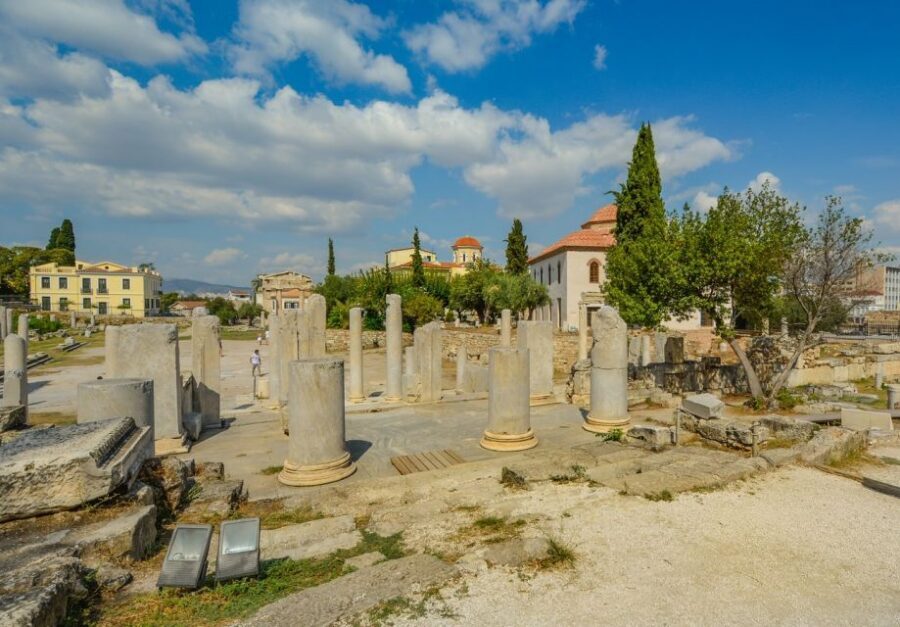
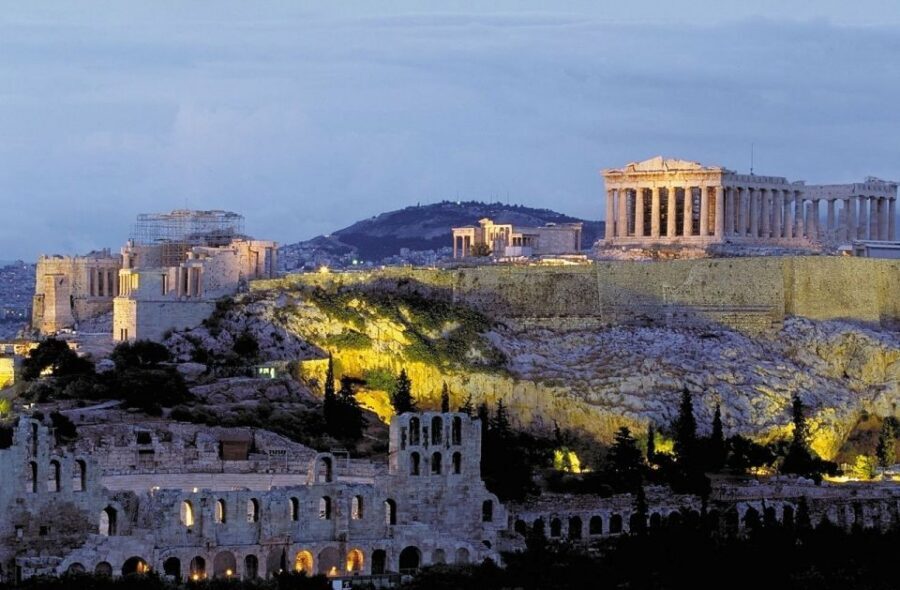
Athens is one of those places where you don’t just visit history. You read it in the city. This tour plays that game with you, using the goddess Athena as the main thread and showing how ancient beliefs left marks on what you see today.
What makes this kind of myth walk practical is that it stops the myths from feeling like dusty textbook pages. Instead, you learn to spot story clues as you go: street names, building details, and the way certain characters and episodes are tied to the city’s identity.
And yes, it’s fun to meet the gods you sort of knew from childhood stories, then learn what those stories meant in real daily life. The tone here is that myths were part of commerce, love, and social ideas, not just bedtime tales.
You can also read our reviews of more walking tours in Athens



Starting on the Academy Stairs: Your Clue-Spotting Session Begins
You meet at the stairs in front of the Academy. That’s a smart start point because it gets you into the habit of looking at the city as a collection of references, not just a backdrop for photos.
Right away, you’ll get set up for the tour’s central approach: your guide connects myth characters to what you see around you. The interpreter/guide framing also matters here. Instead of treating mythology like isolated stories, the tour treats it like a cultural system people lived with.
This is where you should lean in. If you like conversation and asking follow-ups, you’ll probably enjoy the pace more than someone who only wants quiet sightseeing.
The Walk Itself: How Gods Get Written Into Buildings and Streets
A big promise of the tour is that the gods left their mark not only in temples, but in decoration and names. As you walk, you’ll hear how these ancient associations show up in the city fabric.
The practical value is simple: you’ll start noticing details you would normally miss. Street names become more than signage. Building decoration becomes a clue to what the city once valued and how people explained the world around them.
You can also expect the guide to frame Greek religion as part of daily life. That means the tour doesn’t just move through locations; it explains why the myths mattered to how people talked about work, relationships, and social life. That kind of context is what turns a city walk into a memory you can reuse later.
Athena and Poseidon: The City’s Power Struggle in Story Form
One of the tour’s headline themes is the connection between Athena and Poseidon. If you know the basic myth idea in broad strokes, this walk helps you understand why it’s linked to Athens as a place.
This matters because Athena and Poseidon represent different kinds of forces in Greek mythology. When a city’s story is tied to competing divine powers, it becomes more than myth drama. It becomes a way to explain identity: what the city thinks it stands for, what it needs, and how people interpret prosperity and protection.
What you’ll take away is the city as a stage for meaning-making. You’re not just hearing a story about two gods. You’re learning how those gods became part of Athens’s myth-based language.
And if you’re the type who loves symbolism, you’ll likely enjoy how the guide ties myth meaning to what you see as you move through town.
Theseus and Athens: Why the Hero is Stuck to the City
The tour also brings in Theseus, the hero closely linked with the history of Athens. This is where the walk shifts from gods to human action, because myths often connect divine influence to what people tried to achieve.
You’ll learn how Theseus became part of the city’s long-running story. That kind of association is useful because it shows you how Athens didn’t just inherit myths from elsewhere. It also made them part of its own self-image.
In practical terms, Theseus is a name you can carry with you after the walk. Even if you don’t remember every detail, you’ll understand why Athens keeps returning to the hero theme: it’s a way to talk about courage, leadership, and belonging.
If you’re visiting multiple sites around Athens, you’ll probably find this makes your other stops easier to connect. You’ll read more meaning into what you see.
You can also read our reviews of more guided tours in Athens



Religion, Love, and Commerce: The Myth Logic Behind Modern Expressions
Greek mythology isn’t only about gods and monsters. All aspects of life in Ancient Greece were addressed by religion, and the tour leans into that idea.
You’ll hear how myths and religious thinking touched subjects like commerce and love affairs. The important part isn’t whether you can recite the myth plot perfectly. It’s understanding the underlying mindset: people used divine stories to interpret relationships, risks, and everyday decisions.
The tour also points out that some concepts and expressions have reached our days. That’s the best kind of cultural transfer—when you can connect the past to the present without needing a PhD.
If you’ve ever wondered why certain phrases or story patterns in European culture feel familiar, this portion is where that curiosity turns into something you can explain.
Small-Group Walking Style: The Real Difference You Feel
The tour highlights small groups, and in a guided walking experience, that’s not a minor detail. Fewer people means better listening, fewer missed explanations, and more room for questions.
It also tends to make the guide’s personality matter more. One of the strongest points from the tour’s feedback is that the guides are described as interactive and engaging, with a strong command of the material and a friendly teaching style. Names like Juan Pablo show up repeatedly in the kind of praise people give when they feel understood.
So if you’re someone who learns better by talking things out—rather than just watching—this format should suit you.
Possible drawback: if you don’t speak Spanish fluently, you might miss some of the “interactive” parts. You may still enjoy the story themes from the visuals and general flow, but the full value depends on language comfort.
Language and Timing: What to Plan Around for a Smooth 2 Hours
This is a Spanish live tour, lasting 2 hours. That timeframe is just long enough to connect themes and still leave you free afterward to keep exploring Athens on your own.
Because it’s in Spanish, I suggest you do a quick reality check before booking. If you can follow guided conversation, you’ll likely have a great time. If not, you might still enjoy the visuals and the structure, but you may wish you had a translation app running.
Also, walking tours work best when you dress for the route. Bring comfortable shoes, water, and a light layer if weather shifts. You’ll get more out of the experience when you’re not distracted by discomfort.
Price and Value: Is $28 Worth It?
At $28 per person for 2 hours, the value depends on what you want from Athens. If your goal is pure sightseeing without story context, you might choose a different kind of walking tour.
But if you want myth tied to the city in a way you can remember, this price is reasonable. The tour includes an accompanying heritage interpreter, plus the live Spanish guide, and it focuses on theme-based city reading rather than trying to hit dozens of stops.
For me, that’s where the pricing makes sense: you’re paying for interpretation and connection—how to see the city through Athena’s lens. That’s often what makes the difference between a “seen it” trip and a “now I understand it” trip.
Who Should Book This Tour (and Who Might Skip It)
This is a great fit if you:
- Like Greek mythology and want it explained in a cultural context
- Prefer walking tours with conversation and interaction
- Want a short, focused activity that pairs well with other Athens plans
You might skip or reconsider if you:
- Need a tour in another language
- Don’t enjoy mythology as a theme and only want monuments
If you’re visiting Athens for the first time, this tour works nicely as an orientation to myth-based thinking in the city. If you’re returning, it still helps you re-read places you thought you already understood.
Should You Book It?
If you like stories that connect directly to what you see, you should book this tour. The format is short, theme-based, and designed to help you read Athens through Athena, with Poseidon and Theseus coming into focus along the way.
Just make sure the Spanish language fits you. If it does, this is a solid value choice that can turn normal city streets into meaningful myth clues you’ll spot long after the walk ends.
FAQ
How long is the Athens mythological walking tour?
The tour lasts 2 hours.
What language is the guide speaking?
The live tour guide speaks Spanish.
Where is the meeting point?
You meet in the stairs in front of the Academy.
How much does the tour cost?
The price is $28 per person.
What’s included in the experience?
It includes an accompanying heritage interpreter and a tour in Spanish.
Is there free cancellation?
Yes. You can cancel up to 24 hours in advance for a full refund.
Can I reserve now and pay later?
Yes. You can reserve your spot and pay nothing today, keeping plans flexible.