REVIEW · ATHENS
Greek Cooking Class with Acropolis View
Book on GetYourGuide →Operated by The Artist Athens · Bookable on GetYourGuide
Cooking under the Acropolis changes how you eat.
I love the hands-on format with a professional local chef, and I love finishing the class with a meal right under the Acropolis view. One possible drawback to plan for: wine and pairings may not be included, depending on what you choose.
This is the kind of Greek cooking class in Athens that feels social without feeling chaotic. You’ll likely cook alongside a small group, and the instruction is in English; chefs like Spyros and Stam come up often in feedback. If you want a fun, practical start to your Greek-food trip, this is a strong bet.
The menu is built to teach you the core flavors people actually cook with: tzatziki, Aegean salad, spinach pie with feta, moussaka, and galatopita. It’s a lot to pack into 3.5 hours, but the pacing is part of the value.
In This Review
- Key highlights worth your time
- Meeting at The Artist Roof Top Bar: your Athens intro in one place
- Why 3.5 hours feels like a full meal education
- Course-by-course: tzatziki, Aegean salad, spinach pie, moussaka, galatopita
- Tzatziki: the cold start that sets the standard
- Aegean salad: fresh, not complicated
- Spinach pie with herbs and feta: the savory comfort skill
- Greek mousaka: layering, patience, and oven logic
- Galatopita: dessert that teaches filo and custard thinking
- Chef-led technique: what to listen for during each step
- Eating where you cooked: Acropolis views at the right moment
- Value and price: is $106 worth it?
- Who this cooking class fits best (and who might want to choose differently)
- Should you book Greek Cooking Class with Acropolis View?
- FAQ
- How long is the Greek Cooking Class with Acropolis View?
- Where is the meeting point?
- What dishes are included in the 5-course menu?
- Is the class taught in English?
- Will we eat with an Acropolis view?
- Is wine included with the class?
- What group size should I expect?
- What is the price per person?
- Is free cancellation available?
- Can I reserve and pay later?
Key highlights worth your time

- Acropolis-view dining: you cook and then eat with the monument in sight.
- Hands-on teaching: you’re not just watching; you’ll work on multiple parts of the meal.
- 5-course Greek menu: tzatziki to dessert, so you leave with a full “menu mindset.”
- Ingredient logic, not just recipes: you’ll learn how to choose fresh ingredients and why.
- Chef personality and storytelling: expect humor plus bits of Greek mythology and local culture.
- Flexible for preferences: vegetarian requests can be handled on the spot when communicated.
Meeting at The Artist Roof Top Bar: your Athens intro in one place
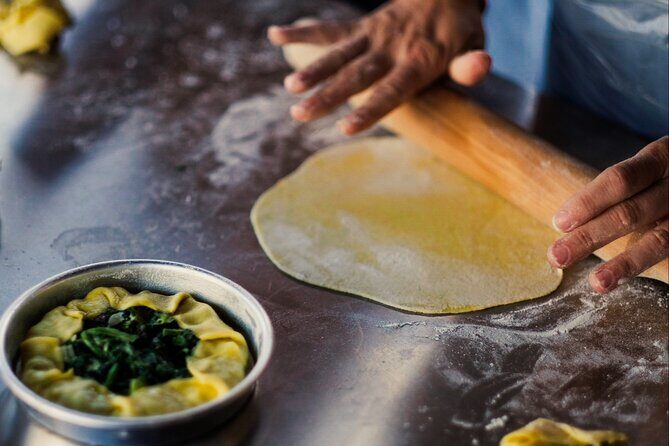
You start at The Artist Roof Top Bar & Restaurant, which sets the tone immediately. This isn’t a tucked-away basement kitchen. It’s the kind of setup where you can feel like you’re in on something special the moment you arrive.
The roof setting matters more than you might think. When you’re cooking dishes like moussaka or galatopita, you’re working with aromas and textures that build over time. A rooftop space keeps that energy up, and the view makes waiting between steps feel shorter.
Another small win: the class is taught in English. That sounds basic, but it really affects how much you absorb when a chef is explaining ingredient choices and technique.
You can also read our reviews of more cooking classes in Athens


Why 3.5 hours feels like a full meal education

A 3.5-hour cooking class can go two ways: either it’s rushed, or it’s tight and focused. This one is designed to be tight and focused, because you’ll build a full 5-course menu.
Here’s the practical way to think about it: each course isn’t just a dish to taste at the end. It’s a chunk of Greek cooking skills. You’ll practice cold-prep (tzatziki), herb-and-cheese flavor building (spinach pie), layered oven logic (moussaka), and custardy filo dessert technique (galatopita). By the time you sit down to eat, you’ll understand what you made and how it fits together.
You also get the benefit of group rhythm. Multiple hands cooking similar parts (and in some cases shared preparation) keeps things moving, so you’re not stuck doing one tiny task for the whole evening. Reviews mention people had real hands-on time, not just a demo.
Course-by-course: tzatziki, Aegean salad, spinach pie, moussaka, galatopita
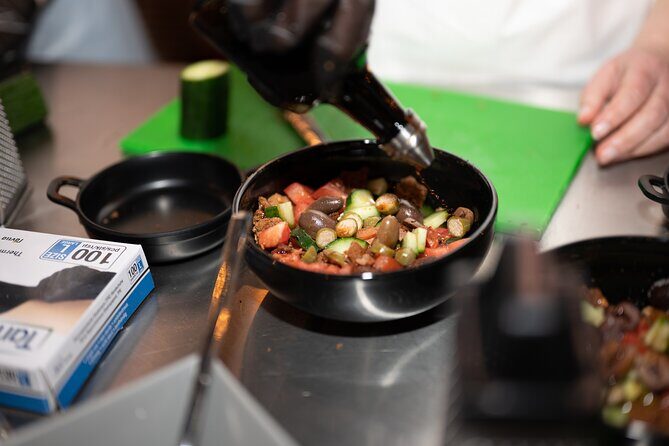
The menu is the heart of the experience. It’s also a smart selection. These are classic Greek dishes that show up in home cooking, tavernas, and family gatherings. You’re not just learning foreign-sounding names; you’re learning repeatable patterns.
Tzatziki: the cold start that sets the standard
Tzatziki is where flavor discipline shows. You’ll learn how to build that creamy tangy base people crave in Greece. It’s also a great first course because it gives you something you can taste quickly and understand right away.
The chef-led focus on fresh ingredients matters here. Tzatziki can taste either bright and clean or flat and dull, depending on the quality and balance of components. Starting with tzatziki makes the rest of the menu easier to judge.
Aegean salad: fresh, not complicated
The Aegean salad is a classic “supporting player” dish that teaches you something important: Greek salad style isn’t just chopped vegetables. It’s timing, seasoning, and letting ingredients taste like themselves.
You’ll practice building flavor with herbs and careful balance rather than heavy cooking. That’s a useful home-cooking takeaway because it scales well even when you’re not cooking for a group.
A few more Athens tours and experiences worth a look






Spinach pie with herbs and feta: the savory comfort skill
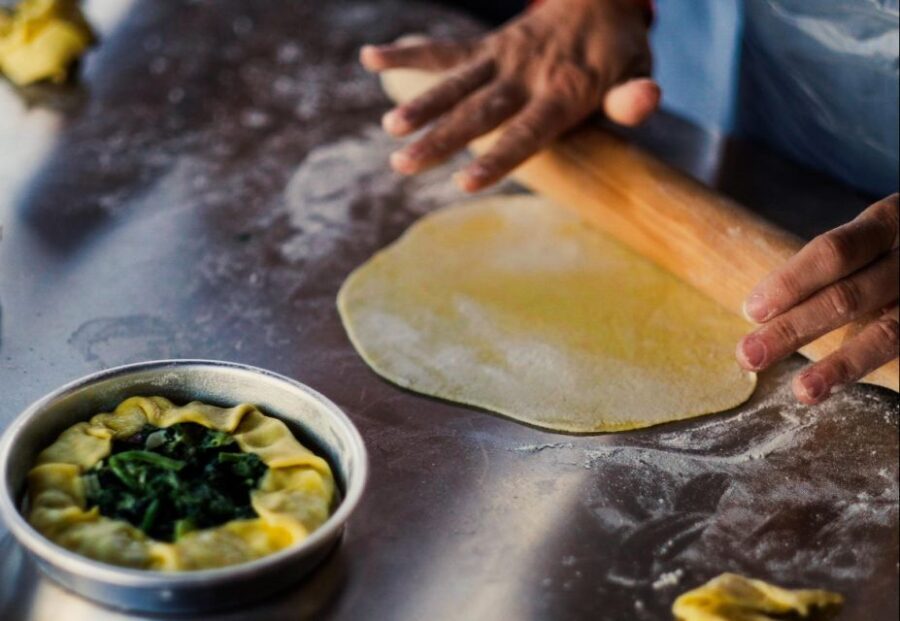
Spinach pie (with herbs and feta) is where you start seeing why Greek cooking is so technique-driven. Feta isn’t just cheese here. It’s salt, tang, and richness all at once.
Expect an experience that connects herbs + feta + dough (or pastry structure) into one cohesive bite. Even if you’re not a pastry person, this dish gives you a clear idea of how Greeks build satisfying savory pies.
Greek mousaka: layering, patience, and oven logic
Mousaka is the headline. It also has a lot of moving parts, which makes it a great skill-builder for leaving with confidence.
The practical lesson is layering. Even without obsessing over every detail, you’ll learn how to think about structure and cook time so the dish holds together. Reviews specifically praise the class’s mousaka and mention the chef breaking down steps so they felt accessible. That’s exactly what you want from a cooking class: technique you can repeat later.
Galatopita: dessert that teaches filo and custard thinking
Galatopita is often the dish people remember because it combines textures. You get something creamy with the light, shatter-when-baked feel that comes from filo structure.
From a “what will I cook at home later” standpoint, it’s the best payoff. If you’ve ever tried filo desserts and felt intimidated, this class approach is built for clarity. You’ll see how the components come together instead of treating it like a mysterious restaurant-only dessert.
Chef-led technique: what to listen for during each step
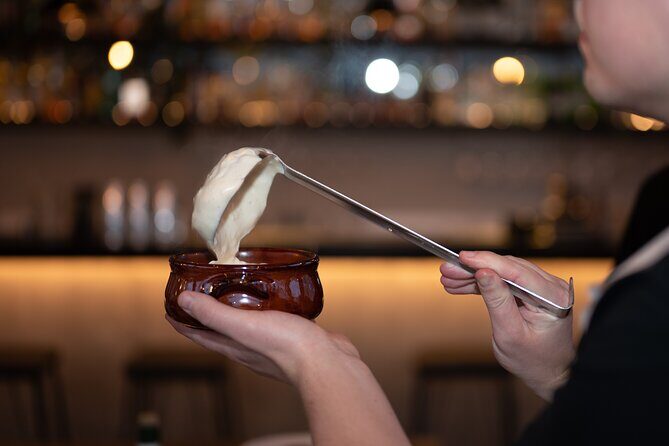
The difference between a good cooking class and a great one is the way the chef explains decisions. Here, the instruction isn’t limited to what to do. It includes why you do it.
You’ll hear about choosing fresh ingredients and how that affects taste. You’ll also get cultural context sprinkled in, including Greek mythology stories and ingredient history. That might sound like “extra,” but it’s not filler. It helps you remember the dishes and recognize them as part of a bigger food culture, not random recipes.
Pay attention to the chef’s pacing. Reviews mention chefs like Spyros, Stam, and Stan creating a fun, engaging atmosphere, with explanations that make each step feel manageable. If you’re the type who worries about being a beginner, this is the kind of format that reduces that stress fast.
Eating where you cooked: Acropolis views at the right moment
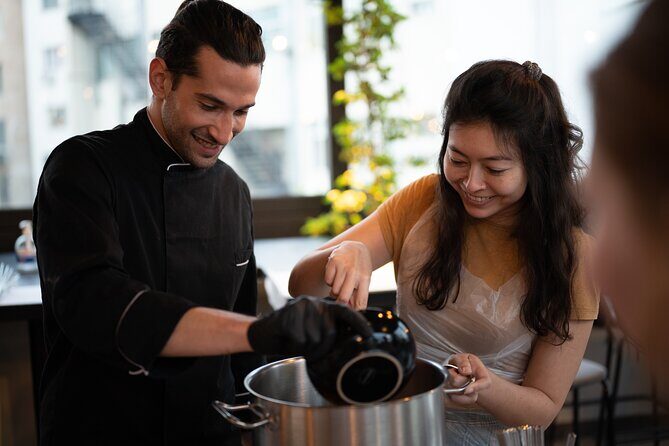
After cooking comes the best part: sitting down and eating together while the view does its job.
One review specifically described an uninterrupted view of the Acropolis as the sun set, and that’s the big reason this class feels special. The food gets framed by a real setting, not just a plate on a table.
This matters because tasting is part of learning. When you can connect flavors to a moment—cool tzatziki, bright salad herbs, warm mousaka layers, and sweet galatopita—your brain stores the dishes better. You leave with memories that act like recipe bookmarks.
Value and price: is $106 worth it?

At $106 per person for a 3.5-hour class, you’re paying for three things: time, instruction, and a full 5-course meal you helped make.
Here’s what makes it feel like value rather than just a ticket for food:
- You’re not only tasting; you’re participating in a multi-course cooking flow.
- You get a professional local chef guiding multiple dishes, from starters to dessert.
- The meal is served with Acropolis-view dining, which is part of the experience you can’t replicate cheaply.
Potential extra costs: wine. One review noted wine is extra and not included, while another mentioned a wine pairing choice with bubbly served during cooking. So assume wine could be an add-on. If you want the pairing, confirm what’s included when you book.
Also consider dietary communication. There’s an example of a vegetarian option being handled on the spot when a request didn’t reach the instructor in time. That suggests flexibility, but it also tells you to be proactive with your needs before you arrive.
Who this cooking class fits best (and who might want to choose differently)
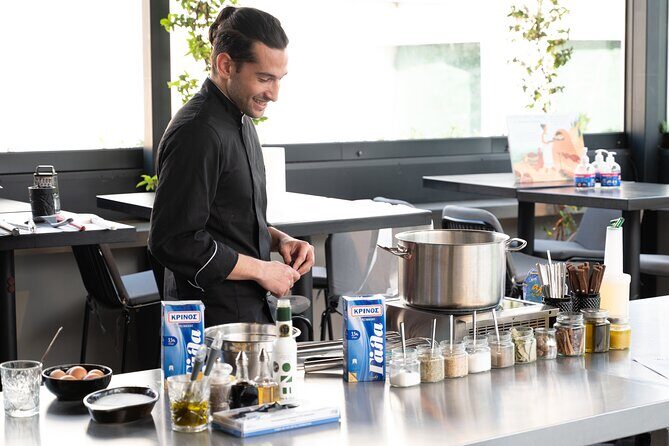
This class is ideal if you:
- Want a hands-on Greek cooking class in Athens, not just a food tour.
- Enjoy learning techniques you can recreate at home.
- Care about atmosphere, specifically rooftop dining with a major sight in view.
- Like small-group settings where you can ask questions and actually participate.
It might be less ideal if you:
- Hate any chance of extra charges for drinks like wine.
- Prefer very flexible schedules. You have a set 3.5-hour structure, and the menu is packed.
Should you book Greek Cooking Class with Acropolis View?
I’d book it if you want a memorable Athens meal that teaches real Greek cooking patterns, not just a one-time tasting. The rooftop location, the 5-course structure, and the chef-led hands-on approach combine into an evening that feels both fun and useful.
If you’re price-sensitive, treat the $106 as fair because you’re getting both instruction and a complete meal. Just plan for the possibility of wine being an add-on and double-check how preferences are handled when you book.
If you’re a foodie who wants to leave with recipes and confidence, this is exactly the kind of experience that makes the rest of your trip taste better.
FAQ

How long is the Greek Cooking Class with Acropolis View?
The class lasts 3.5 hours.
Where is the meeting point?
You meet at The Artist Roof Top Bar & Restaurant.
What dishes are included in the 5-course menu?
The menu includes tzatziki, Aegean salad, spinach pie with herbs and feta cheese, Greek authentic mousaka, and galatopita.
Is the class taught in English?
Yes, the instructor provides the class in English.
Will we eat with an Acropolis view?
Yes. You’ll enjoy the meal together in view of the Acropolis.
Is wine included with the class?
Wine is not listed as a definite included item, and at least one review notes wine may be extra. There is also mention of a wine pairing choice.
What group size should I expect?
It’s small-group. Reviews mention groups of about eight and around ten, and one review mentioned fifteen participants.
What is the price per person?
The price is $106 per person.
Is free cancellation available?
Yes. You can cancel up to 24 hours in advance for a full refund.
Can I reserve and pay later?
Yes. The booking option includes reserve now & pay later, with pay nothing today.