REVIEW · ATHENS
Greek Phyllo and Pie Cooking Class in Athens
Book on GetYourGuide →Operated by VizEat Ltd · Bookable on GetYourGuide
Making phyllo dough by hand is the heart of this three-hour Athens cooking class. With Eirini, you’ll work from basic ingredients to traditional Greek pies, then sit down to taste what you made with wine, ouzo, fruit, and sweets. It is a food lesson, but also a friendly look at Greek home cooking and customs.
I like the small group limit of six, which gives the class a more personal feel than a large demonstration. I also like the welcome: homemade cake and sweets arrive before the cooking begins, and the class finishes with dessert instead of rushing you out after the main dish.
The main consideration is the price, $122 per person, which is not a bargain meal. You are paying for instruction, a three-hour visit, drinks, several homemade treats, and time with a local host. It makes the most sense if you value conversation and hands-on cooking as much as the food itself.
In This Review
- Key points at a glance
- Starting with cake, sweets, and a Greek welcome
- Learning why phyllo takes patience
- Turning the dough into traditional Greek pies
- Sitting down to taste the work
- Conversation about Greek culture at the table
- Central Athens and the three-hour time frame
- Is $122 a fair price?
- Who will enjoy this class most?
- Booking details worth checking first
- Should you book the Greek phyllo class?
- FAQ
- Where does the Greek phyllo cooking class take place?
- How long does the cooking class last?
- How many people can join the class?
- Who teaches the class?
- What will I learn to make?
- What food and drinks are included?
- Can I share food allergies or dietary restrictions?
- Can I cancel or pay later?
Key points at a glance
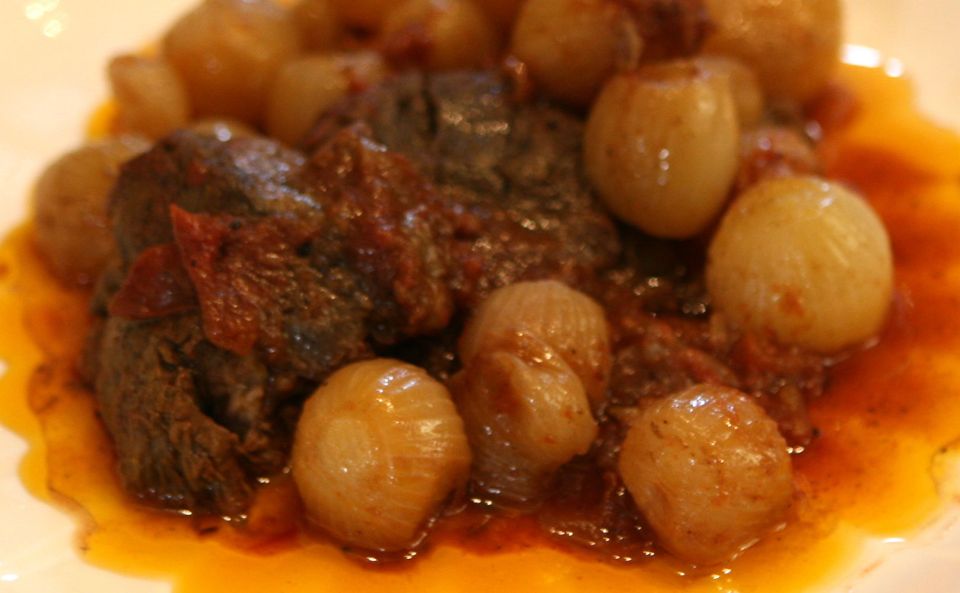
- Roll phyllo dough from scratch: Learn the basic method behind one of Greece’s most familiar pastries and pie dishes.
- Meet Eirini in central Athens: The class is easy to reach by public transportation, with the exact address supplied after booking.
- Start with homemade sweets: Eirini welcomes you with her own cake and treats before the cooking begins.
- Eat and drink as you learn: Wine and ouzo are included, along with the pies you prepare, fresh fruit, and traditional desserts.
- Keep the group personal: No more than six participants take part, making it easier to follow instructions and ask questions.
- Go beyond the recipe: The class includes conversation about Greek culture and customs, not just measurements and technique.
Starting with cake, sweets, and a Greek welcome
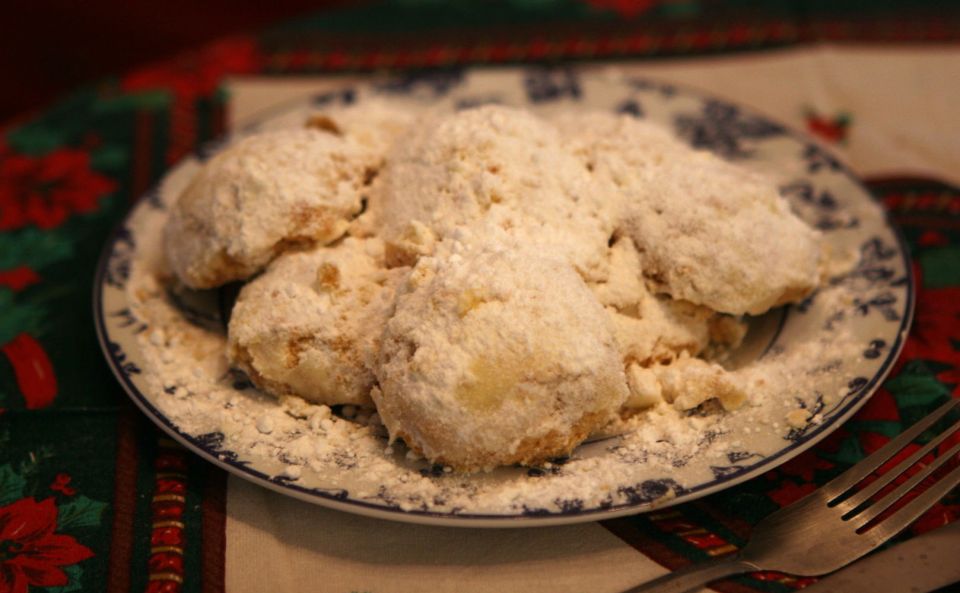
The experience begins with homemade cake and sweets made by Eirini. That first plate matters. You are not being handed a commercial snack while someone sets up a lesson. You begin with food prepared by the person who will teach you, which sets the tone for a relaxed, home-based visit.
You can expect the opening portion to be social rather than technical. Eirini speaks English and Greek, and the small group gives you space to settle in, ask questions, and get comfortable before handling dough.
Wine and ouzo are included. Ouzo brings the familiar anise flavor associated with Greek aperitif culture, while wine is a natural match for a meal built around savory pies and sweets. If you do not drink, the food and conversation remain the main event, but the listing specifically includes both drinks.
One practical point: tell the host about food allergies, restrictions, or a special diet before you arrive. Do not wait until the first plate is served. The experience can only be adjusted if Eirini knows what you need in advance.
You can also read our reviews of more cooking classes in Athens


Learning why phyllo takes patience
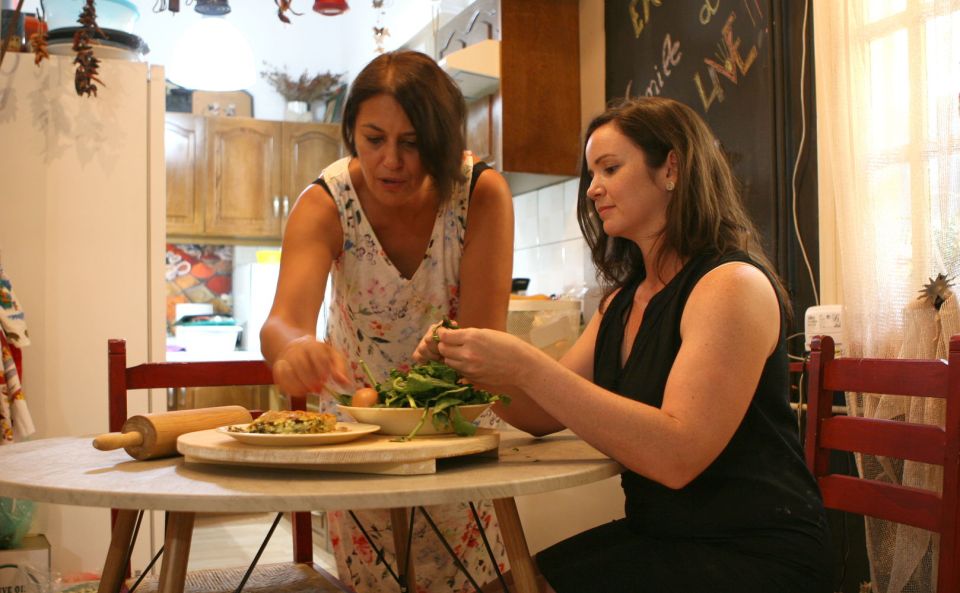
The main lesson is making Greek phyllo dough completely from scratch. That is more useful than watching someone open a packet of ready-made pastry, because you get to see the work behind the thin layers found in many Greek pies.
Phyllo is not simply a wrapper. The dough has to be prepared, handled, and stretched with care. The class gives you a chance to learn the process directly, rather than treating the pastry as a mysterious finished product.
You should expect to work with Eirini’s guidance, not receive a formal culinary-school lecture. Her role is part teacher and part host. She explains the steps, helps you understand what you are doing, and keeps the pace friendly. One of the strongest reasons to book this experience is that the cooking lesson does not feel separated from Greek life.
For a first-time cook, this is a good format. You can ask about the dough while making it. If your sheet is imperfect, that is part of the lesson. Homemade phyllo is a practical skill, and the value comes from learning how the process feels in your hands.
The available information does not name the exact pie fillings or recipes. That is worth knowing before you book. You will make traditional Greek pies, but you should not expect a fixed menu of named dishes unless Eirini confirms it directly.
Turning the dough into traditional Greek pies
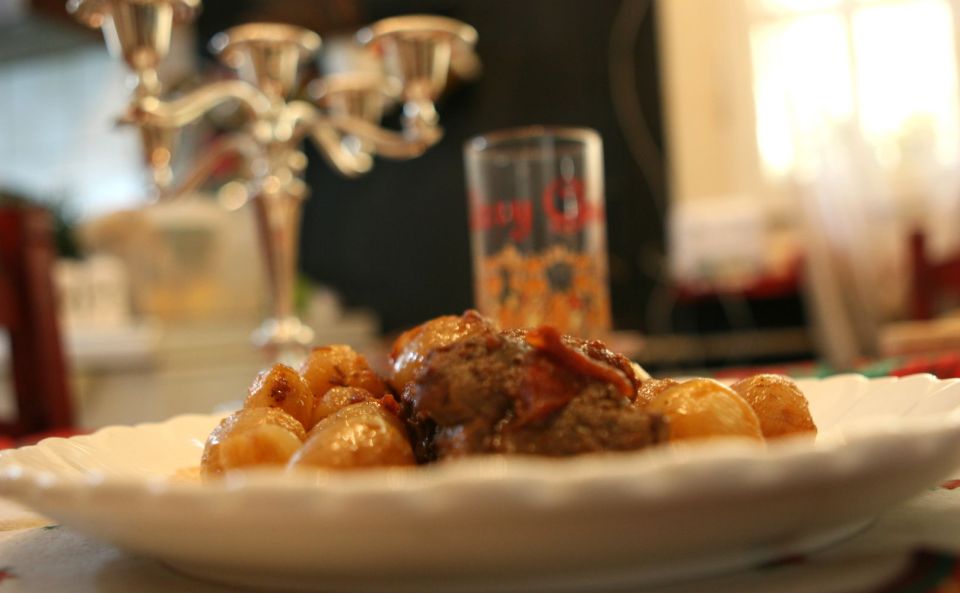
Once the dough is ready, you move on to the pies. This is where the earlier instruction becomes food you can taste. You are not just practicing a technique and leaving with a sample. The pies you make form part of the meal.
The class is especially appealing if you enjoy understanding how everyday dishes reach the table. Greek pies can be served as a snack, a light meal, or part of a larger spread. Working through the dough and pie-making process helps you see the care behind a dish that might look simple when served.
Do not expect a high-speed cooking contest. A three-hour class has room for teaching, eating, and conversation. The timing also means the meal is part of the experience, rather than an afterthought. That is useful if you have planned a busy Athens day and want an evening activity with a clear beginning and end.
The biggest practical benefit of a group limited to six is access to the host. In a large class, you might spend much of the session watching from the back. Here, you have a better chance to see the technique, follow along, and get help when the dough proves stubborn.
Sitting down to taste the work
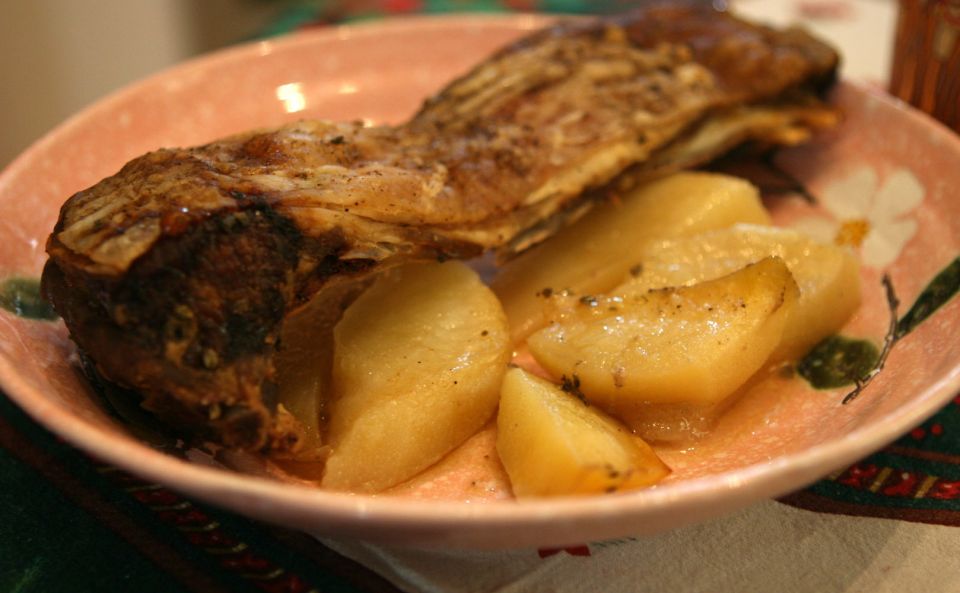
After the cooking, you taste the pies you helped prepare. The sequence gives the meal a satisfying purpose: you know how the dough was made, you took part in the preparation, and then you eat the result.
The food is followed by fresh local fruit and traditional Greek desserts. This is not a class that ends with one small serving and a quick goodbye. The sweet finish gives the three hours a more complete meal rhythm, moving from welcome treats to cooking, savory tasting, fruit, and dessert.
Eirini’s homemade cake and sweets appear at the start, while the later desserts close the meal. That repeated attention to sweets is worth noting if you have a strong sweet tooth. If you prefer a lighter food experience, the class may feel generous rather than minimal.
Wine and ouzo add to the meal, but the main value is the combination of food and conversation. The class is designed to give you time with a local person in a home setting. That makes it a different choice from a restaurant meal, where you may eat well but learn little about the person preparing the food.
Conversation about Greek culture at the table
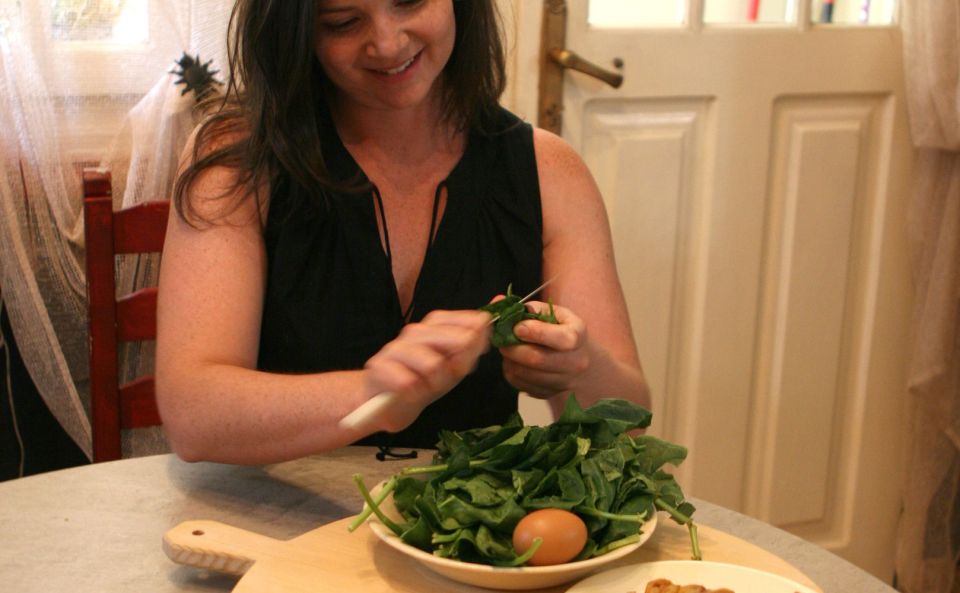
The cooking is only half the appeal. Eirini also talks about Greek culture and customs, giving the food a wider setting. This matters because recipes make more sense when you understand how people serve them, share them, and connect them with family life.
The class received its strongest praise for Eirini’s manner as a host and teacher. She is described as engaging, clear in her explanations, and easy to spend an evening with. That combination is important. A technically skilled cook can still make a poor teacher, while a warm host may not explain the food well. Here, the available feedback points to both clear instruction and personal connection.
A family who attended found that the experience worked for different ages and interests. A solo participant also described the evening as a highlight of an Athens visit. That suggests the format can suit a family, couple, or individual, provided everyone enjoys sitting, talking, and taking part in food preparation.
You should choose this class if you want more than a recipe. You’ll get the most from it if you are curious about Greek customs and willing to ask questions. If you only want a fast meal or a polished professional kitchen show, this may not be the right fit.
A few more Athens tours and experiences worth a look



Central Athens and the three-hour time frame
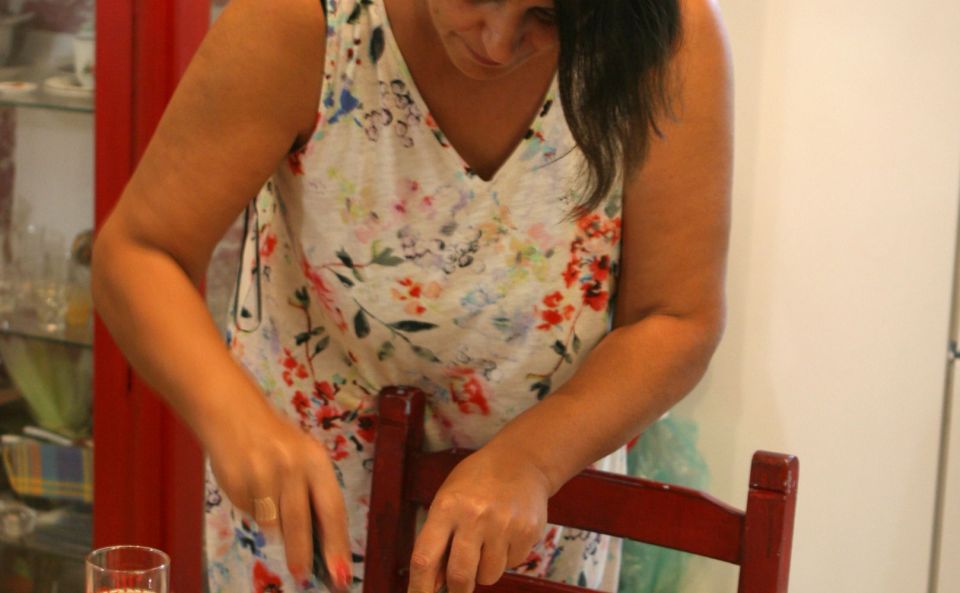
The class takes place in central Athens and is accessible by public transportation. That makes it easier to fit into a city visit than an activity far outside the center. You will receive the full address on your confirmation voucher, so check that information before setting out.
The duration is three hours. Starting times vary, so you need to check availability for the date you want. The format works particularly well as an evening plan, with the meal and drinks giving the session a natural social pace.
Do not schedule a major attraction immediately afterward. The class includes welcome food, hands-on preparation, tasting, fruit, dessert, and conversation. Even if the cooking itself finishes on time, you will want enough breathing room for the meal.
A small group also changes the feel of the visit. With only six participants, you should expect a more direct exchange with Eirini. It is still a shared class, not a private lesson, so the pace will depend partly on the people booked for your session.
Is $122 a fair price?
At $122 per person, this is a premium food activity. You should compare it with the full package, not only with the cost of a Greek pie in a bakery.
The price includes three hours of hosting and instruction, hands-on phyllo preparation, the pies you make, wine, ouzo, homemade cake and sweets on arrival, fresh fruit, and traditional desserts. It also buys you a small group and a personal setting in central Athens.
I would call it a fair value for someone who wants a cultural meal and cooking lesson together. The price is harder to justify if you mainly want to eat cheaply or if you already plan several other food classes during your trip.
The strongest value comes from the host relationship. Eirini’s role gives the experience its shape. You are paying for her time, explanations, preparation, and hospitality as much as for the ingredients. If that sounds worthwhile, the price is easier to accept.
Who will enjoy this class most?
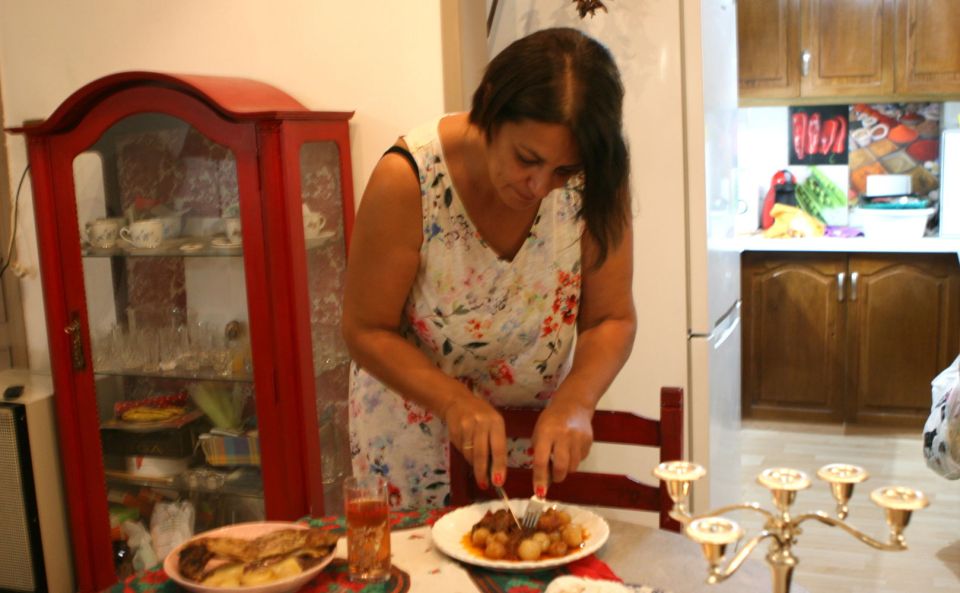
This experience suits you if you enjoy hands-on food activities, local conversation, and a slow meal. It is a good match for couples, families, and solo visitors who would rather share an evening than simply order dinner.
It also works for cooks who want to learn phyllo from the beginning. You do not need to arrive as an expert. The point is to practice the dough and understand the method.
You may want to skip it if you dislike group activities, have severe dietary needs that cannot be discussed ahead of time, or want a precisely published menu. The available details promise traditional pies, desserts, fruit, wine, and ouzo, but not a list of exact recipes.
The food is not the only reason to go. The strongest part is the combination of instruction, eating, and cultural exchange with Eirini. That makes it a better pick for someone who values the story behind a dish.
Booking details worth checking first
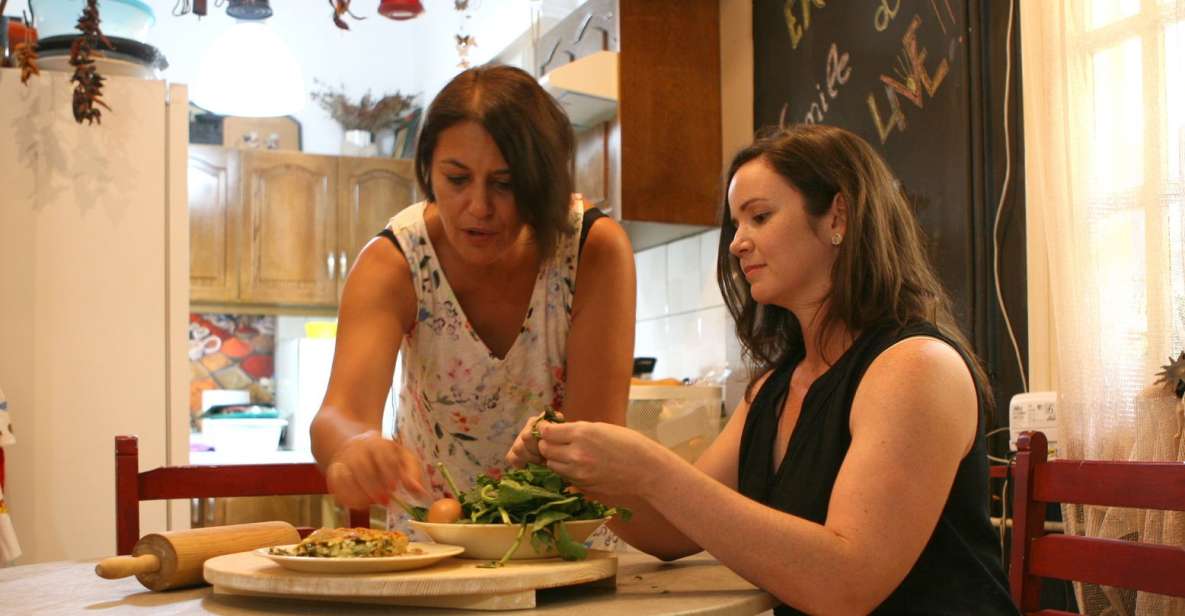
You can cancel up to 24 hours before the experience for a full refund. You can also reserve now and pay later, which helps if your Athens schedule is still changing.
The host speaks English and Greek. The activity is limited to six participants, and the exact meeting address is provided on the confirmation voucher.
Before booking, consider three points:
- Check the available starting time against your Athens plans.
- Send any allergy, food restriction, or special diet information in advance.
- Confirm that a three-hour meal and lesson suits your pace better than a quick restaurant stop.
Should you book the Greek phyllo class?
Book it if you want to learn a real Greek cooking skill while spending an evening with a local host. Eirini’s clear teaching, homemade welcome treats, included drinks, and cultural conversation make this more personal than a standard food tasting.
The class is not the cheapest way to eat in Athens, and the exact pie recipes are not listed. Still, the small group and full three-hour format give you more than a plate of food. For a family, couple, or solo visitor who values connection and wants to understand Greek food at its source, I would put this high on the list.
FAQ
Where does the Greek phyllo cooking class take place?
The class takes place in central Athens, Greece. It is accessible by public transportation, and the full address is provided on your confirmation voucher.
How long does the cooking class last?
The experience lasts three hours. Starting times vary, so check availability for your preferred date.
How many people can join the class?
The class is limited to six participants, making it a small-group experience.
Who teaches the class?
Eirini, whose name is also written as Erin or Ειρηνη, leads the cooking class and hosts the meal. She speaks English and Greek.
What will I learn to make?
You will learn to make Greek phyllo dough completely from scratch and use it to prepare traditional Greek pies.
What food and drinks are included?
The experience includes homemade Greek cake and sweets on arrival, the phyllo and pies you prepare, wine, ouzo, fresh local fruit, and traditional Greek desserts.
Can I share food allergies or dietary restrictions?
Yes. You need to communicate any allergy, special diet, or other food restriction to the host.
Can I cancel or pay later?
You can cancel up to 24 hours in advance for a full refund. You can also reserve your place and pay later, so you do not have to pay at the time of booking.